Mark RothkoAmerican, 1903–1970
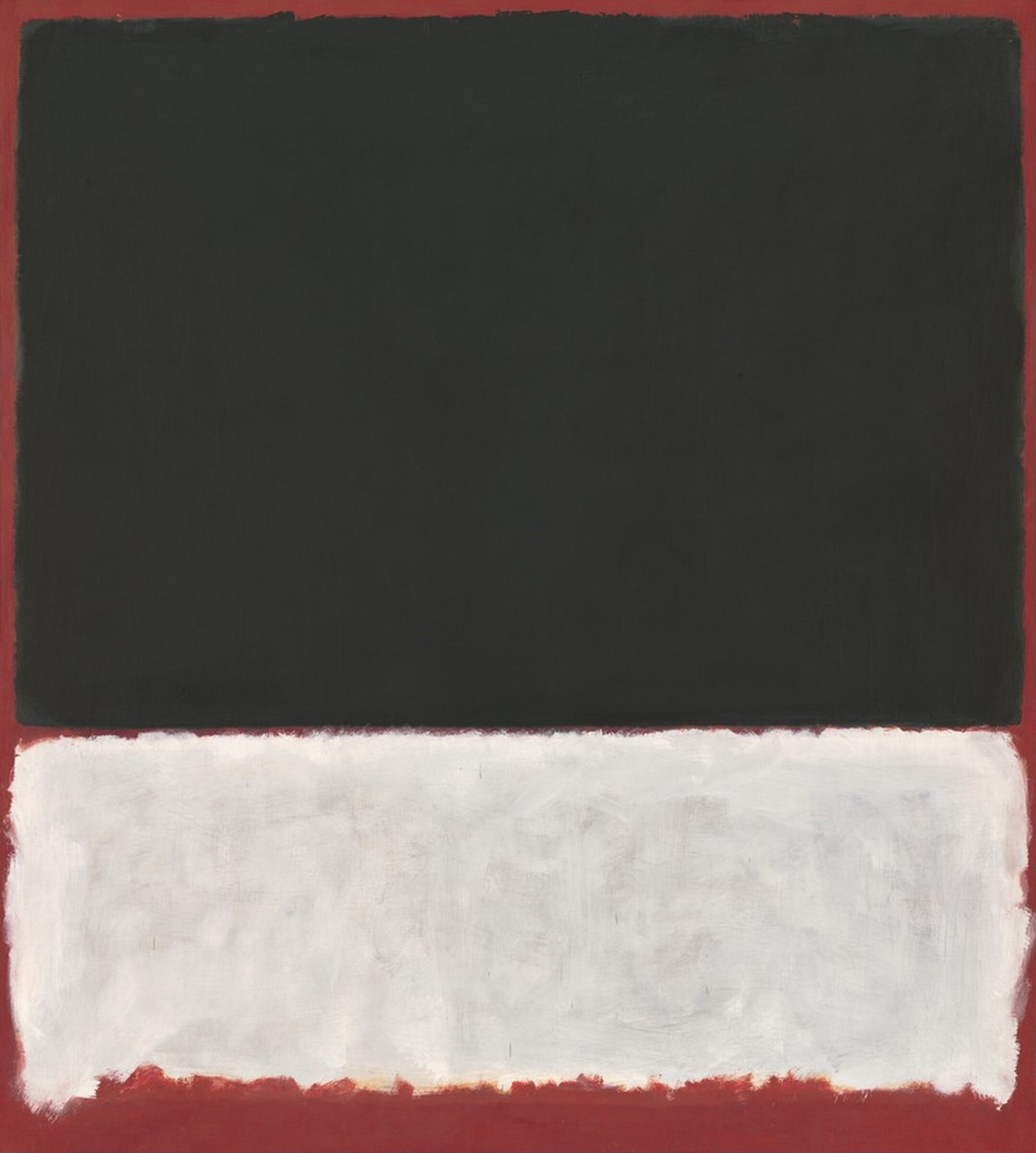
No. 9
Can I see it?
Yes, on view now
Where is “No. 9” now? National Gallery of Art, Gallery 615A · East Building, Tower, Washington, D.C. Yes, on view now. Checked November 16, 2026.

Closed· opens tomorrow at 10:00 AM
On public display.
- Checked
- In this state since
- Source
- The museum
About the painting
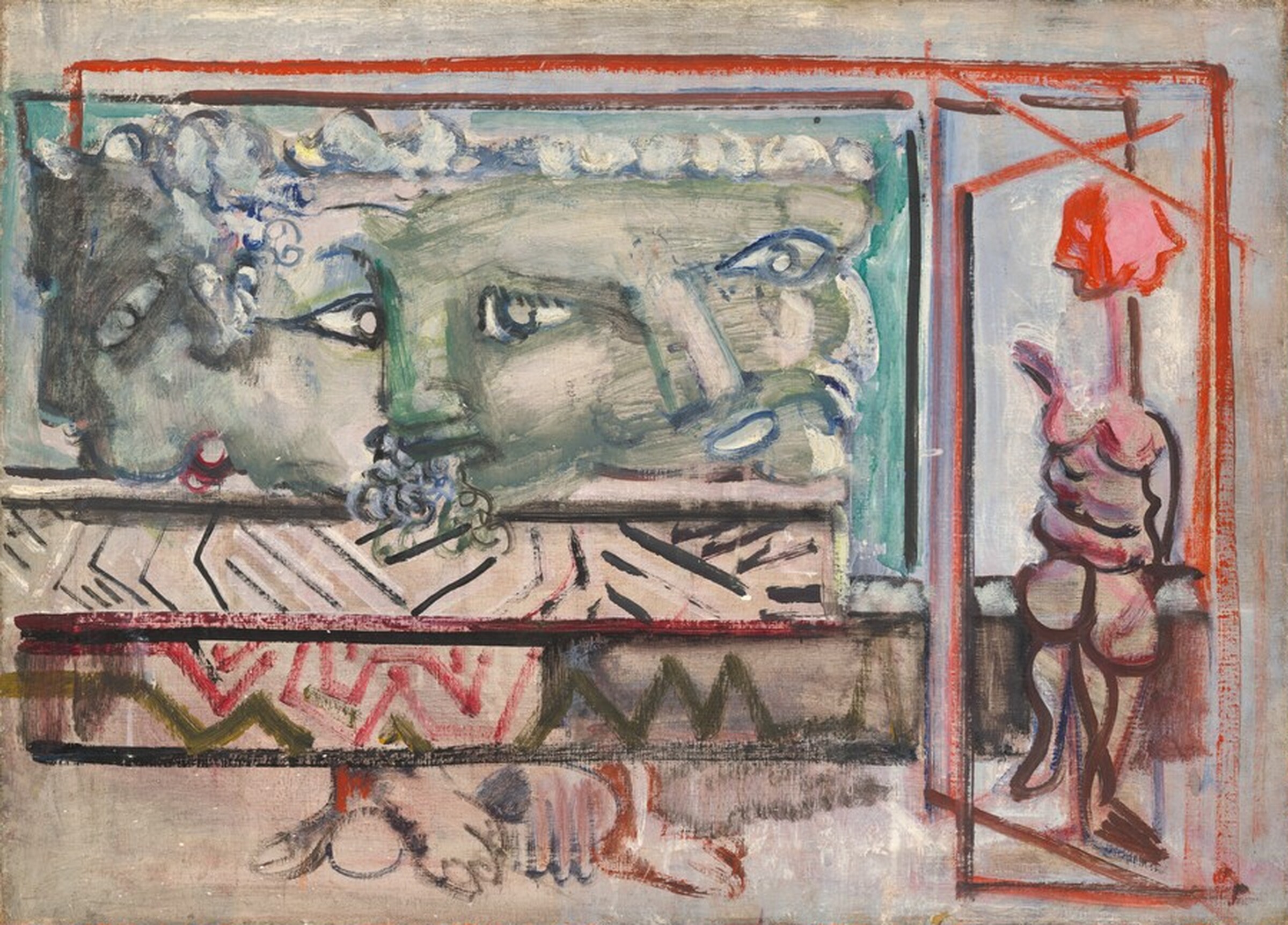
Rothko painted No. 9 in 1948, and Betty Parsons exhibited it in New York that year. The canvas is now in the National Gallery of Art in Washington. It travelled through Zurich, Berlin, Düsseldorf and Rotterdam during the retrospective of 1971–1972, before appearing in Paris and London in 1972. It is displayed in room E615.
Details
- Accession number
- 1986.43.143
What it shows
In the catalog
Sources
- National Gallery of Art
- Image: National Gallery of Art — © the artist or rights holder
In the life of Mark Rothko
The whole life1946
The first Rothko in a museum collection
The Whitney Museum, which included Rothko’s surrealist works in its annual exhibition from 1943 to 1950, acquired Baptismal Scene (1945) in 1946: the first of his works to enter a museum collection, a key milestone in his career.
3 – 22 March 1947
A first solo show with Betty Parsons
Rothko’s first solo exhibition at the Betty Parsons Gallery ran from 3 to 22 March 1947; he showed there again in 1950 and 1951.
October 1948
Rothko’s mother dies
Rothko’s mother, Kate, died in October 1948; the discovery of his definitive form came at a period of great distress.
1948–1949
The “Subjects of the Artist” school
In 1948 Rothko, Robert Motherwell, William Baziotes, Barnett Newman and David Hare founded the Subjects of the Artist school at 35 East 8th Street, with public lectures by Jean Arp, John Cage and Ad Reinhardt; it failed financially and closed in the spring of 1949. Besides teaching, Rothko began writing for the new magazines Tiger’s Eye and Possibilities.
early 1949
New paintings at Parsons: a “revelation”
After painting his first multiform Rothko shut himself away at his house in East Hampton and invited only a select few, among them the critic Harold Rosenberg, to see the new paintings. In early 1949 he showed them at the Betty Parsons Gallery, where Rosenberg found them nothing short of a revelation.
1949–1956
Large vertical canvases: being “inside” the picture
For seven years Rothko painted in oil only on large vertical canvases so that the viewer would feel “enveloped within” the painting. Critics saw this as compensating for a lack of substance; he replied that he painted large because he wanted to be intimate, and advised viewers to stand as close as eighteen inches away.