Mark RothkoAmerican, 1903–1970
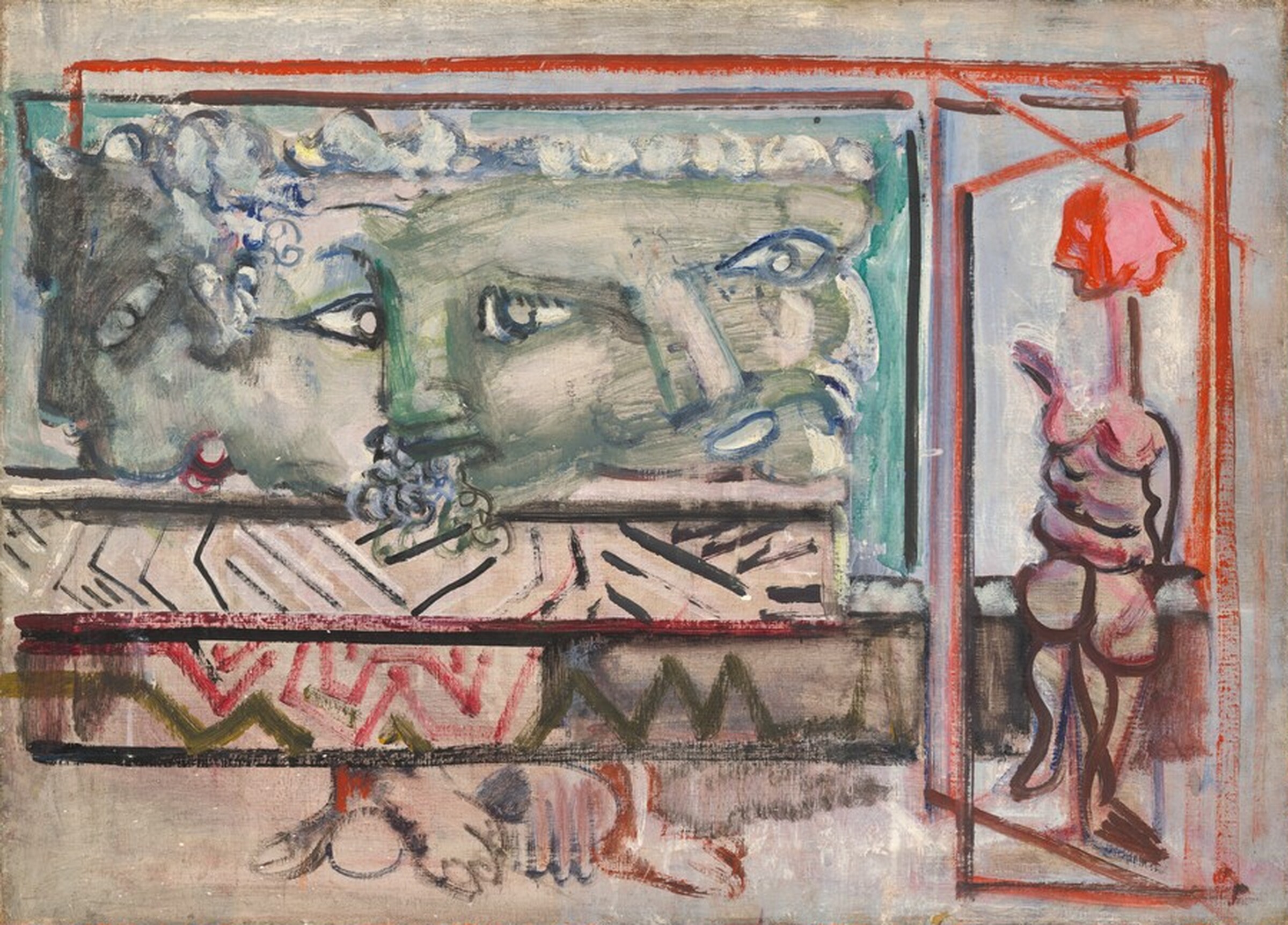
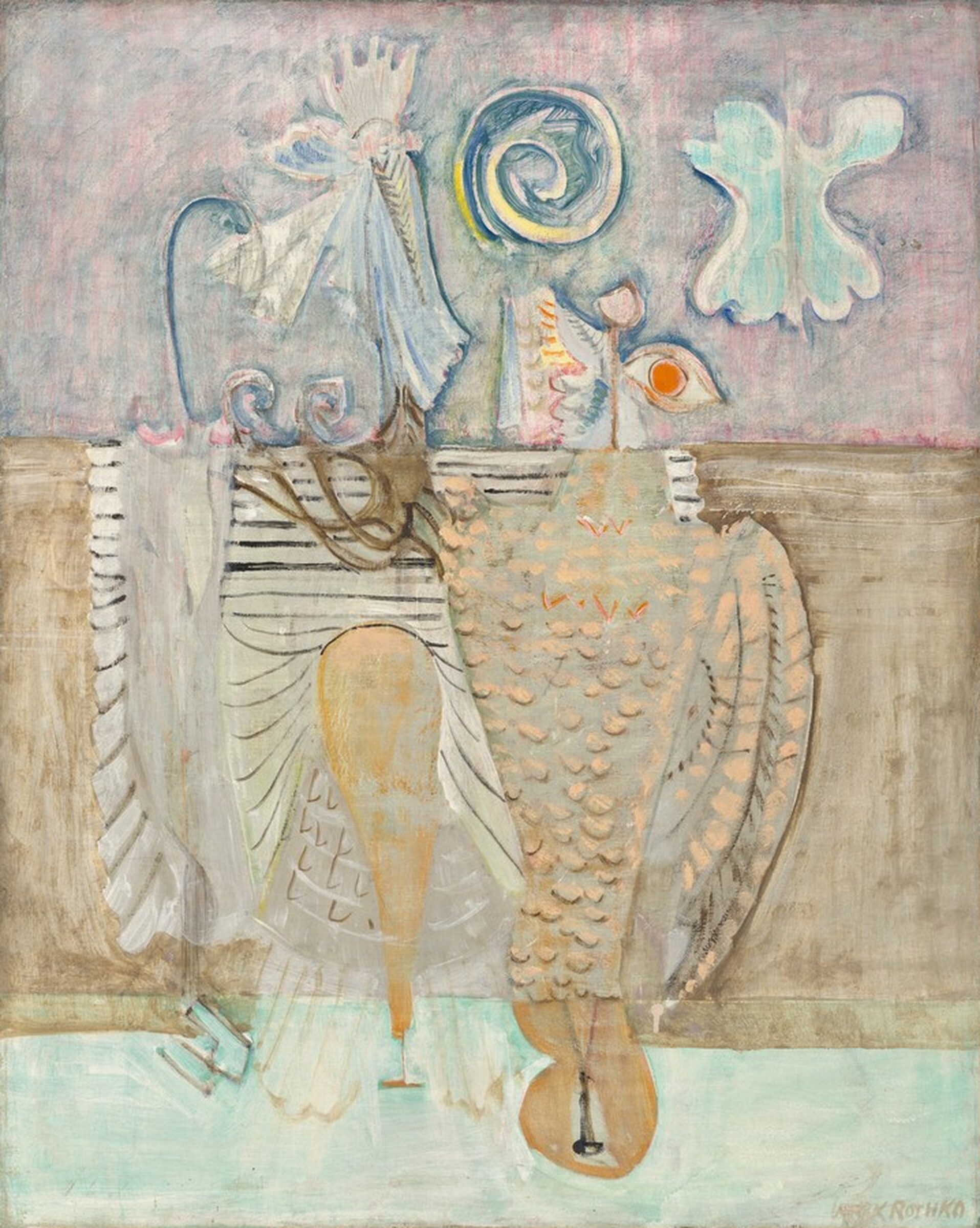
Underground Fantasy
Can I see it?
Yes, on view now
Where is “Underground Fantasy” now? National Gallery of Art, Gallery 106C · East Building, Ground Level, Washington, D.C. Yes, on view now. Checked November 16, 2026.

Closed· opens at 10:00 AM
On public display.
- Checked
- In this state since
- Source
- The museum
About the painting
Underground Fantasy, Mark Rothko's painting of about 1940, is in the National Gallery of Art, Washington. It appeared at the Riverside Museum in New York in 1941, at the first annual exhibition of the Federation of Modern Painters and Sculptors. During the 1987–1988 retrospective, London and Cologne exhibited it under the title Subway. The painting is on view in E106.
Details
- Accession number
- 1986.43.130
What it shows
In the catalog
Sources
- National Gallery of Art
- Image: National Gallery of Art — © the artist or rights holder
In the life of Mark Rothko
The whole life1929–1952
Teaching children at the Brooklyn Jewish Center
From 1929 Rothko taught drawing, painting and clay sculpture part-time to schoolchildren at the Center Academy of the Brooklyn Jewish Center, where he remained until 1952.
1938
The Mercury Gallery show: a protest against the Whitney
In 1938 the group held a show at the Mercury Gallery in New York as a protest against the Whitney Museum, which it regarded as having a provincial, regionalist agenda. In these years Rothko, like Avery, Gorky, Pollock and de Kooning, found work with the Works Progress Administration.
21 February 1938
Becomes a US citizen
On 21 February 1938 Rothko received American citizenship, relieved: he had feared that the growing influence of the Nazis in Europe might lead to the sudden deportation of Jews without citizenship.
1940
Shortens his name to Mark Rothko
Concerned about rising antisemitism in Europe and America, Rothko shortened “Markus Rothkowitz” to “Mark Rothko” in 1940; “Roth” still sounded identifiably Jewish, so he settled on “Rothko”. All his works have been signed with that name since.
1940
A pause in painting for the study of myth
In 1940, it is said, Rothko stopped painting altogether to immerse himself in James Frazer’s The Golden Bough and Freud’s The Interpretation of Dreams; he later said his approach had been “reformed” by the study of the dramatic themes of myth.
1942
The Rothko–Gottlieb manifesto after the Macy’s show
New paintings were shown at a 1942 exhibition at Macy’s department store; answering a negative review in The New York Times, Rothko and Gottlieb issued a manifesto written mainly by Rothko, declaring themselves for the simple expression of the complex thought, for the large shape and for flat forms that destroy illusion and reveal truth.