 Robert RauschenbergAmerican, 1925–2008
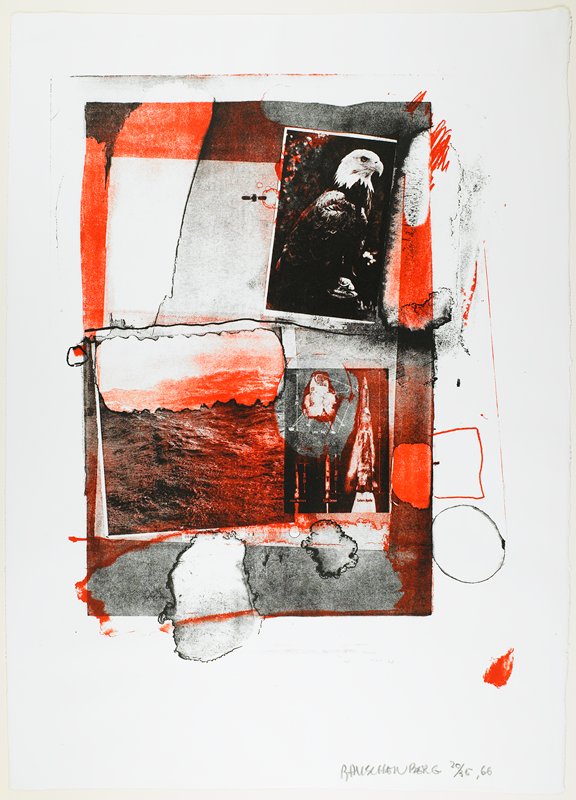
Night Grip
May one see it?
Not receiving at present

Minneapolis Institute of Art
Minneapolis, United States
It belongs to the collection, but is not on display at present.
- Checked
- In this state since
- Source
- The museum's own collection data
About the work
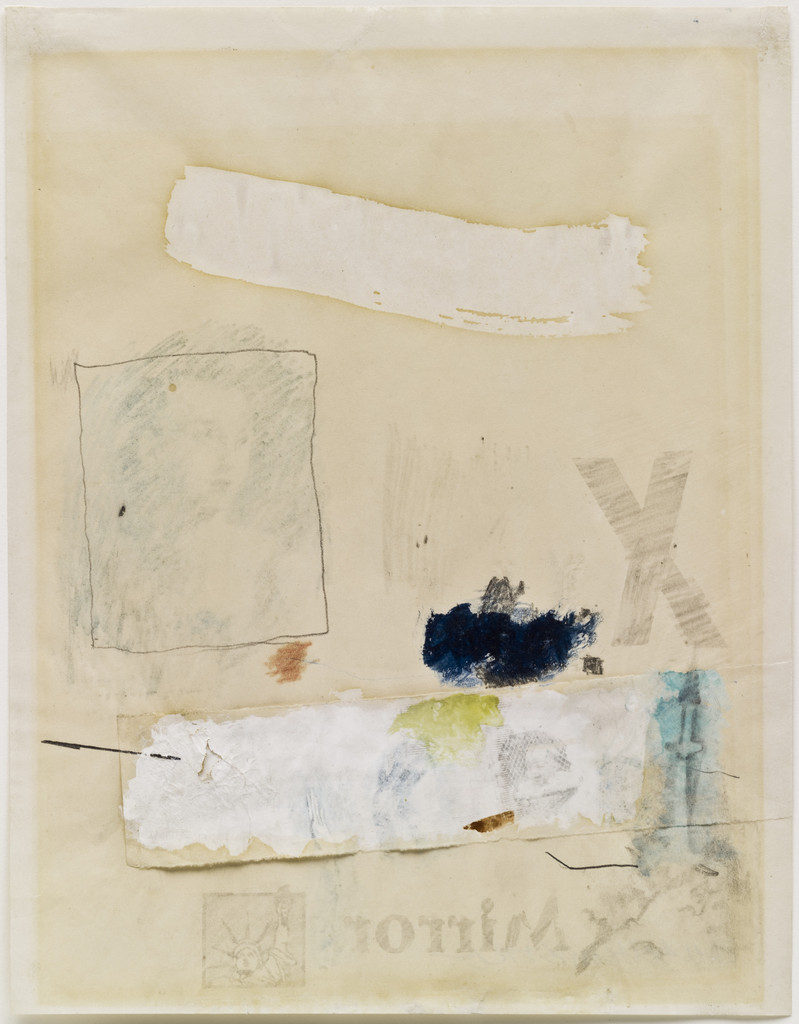
Produced as a benefit for the New Lincoln School, a private experimental school in New York City, this editioned lithograph was based directly on a photographic collage Rauschenberg made for the project. The inclusion of the image of the rocket anticipates Rauschenberg's important series of prints, the Stoned Moon series, which were completed in 1969 at Gemini G.E.L. print workshop, Los Angeles, in commemoration of the Apollo 11 moon landing. This lithograph was the only editioned print that Rauschenberg completed in 1966.
Minneapolis Institute of Art
Particulars
- Accession number
- P.79.151
In the catalog
Sources
- Minneapolis Institute of Art: the museum's own open data · fetched 7 days ago
- Image: Minneapolis Institute of Art — Robert Rauschenberg, Night Grip, 1966 © Robert Rauschenberg Foundation
Meanwhile, in the life of Robert Rauschenberg
The whole life1964
Grand Prize at the Venice Biennale
At the 32nd Venice Biennale Rauschenberg won the International Grand Prize in Painting, one of the first Americans to do so (James Whistler and Mark Tobey had won painting prizes in 1895 and 1958). The prize has been called the official recognition of Pop art.
1964
World tour with the Merce Cunningham Dance Company
Rauschenberg designed sets, lighting and costumes for Merce Cunningham and Paul Taylor; his full-time connection with the Cunningham company ended after its 1964 world tour.
28 June 1964 – 6 October 1964
Exhibition: Documenta III
1966
Founds E.A.T. with Billy Klüver
For “9 Evenings: Theatre and Engineering” at New York's 69th Regiment Armory Rauschenberg created the performance Open Score. The series was instrumental in the formation of Experiments in Art and Technology (E.A.T.), a non-profit for collaborations between artists and engineers which he and the Bell Laboratories scientist Billy Klüver officially launched in 1966.
27 June 1968 – 6 October 1968
Exhibition: 4. documenta
26 July 1968
Buys a house on Captiva Island
On 26 July 1968 Rauschenberg bought the Beach House, his first property on Captiva Island off the Florida coast, though it did not become his permanent home until the autumn of 1970. Other accounts date the purchase to 1970.