 Ilya RepinUkrainian, 1844–1930
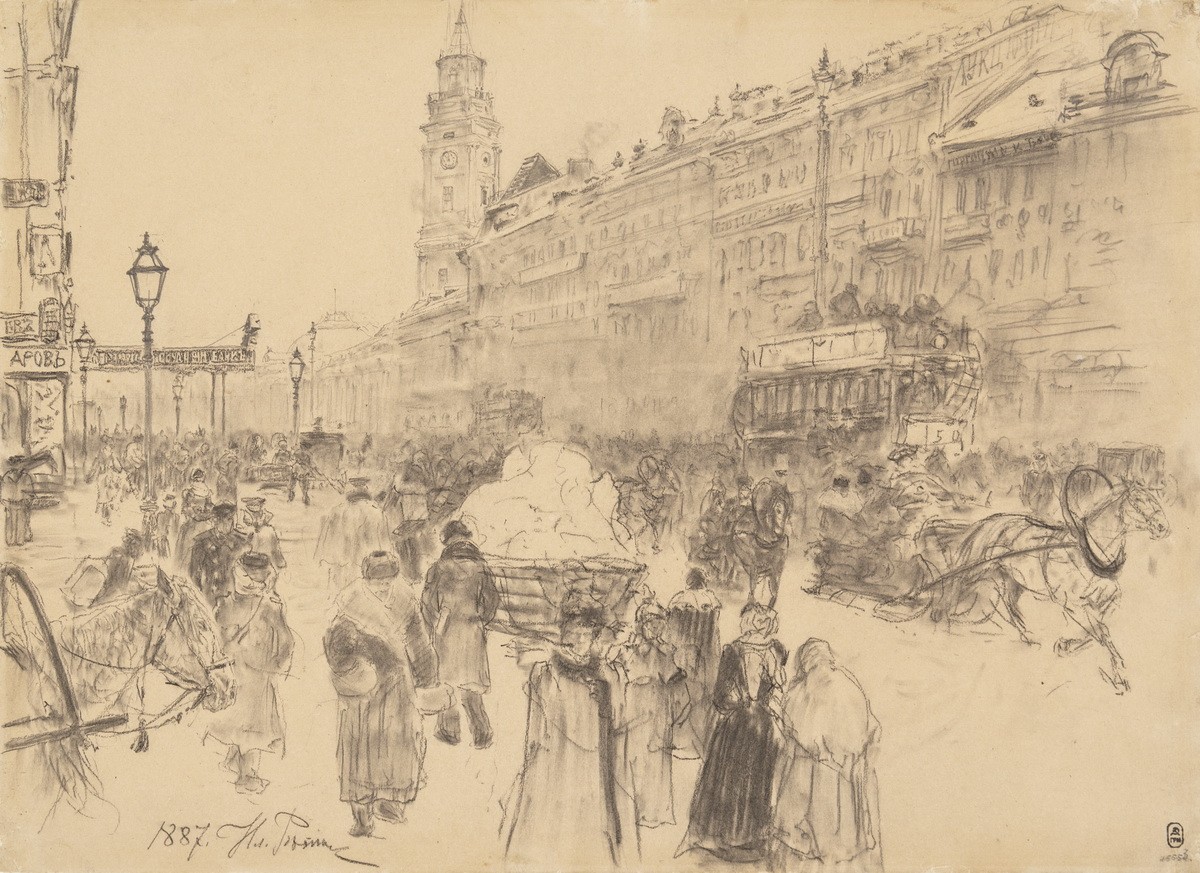
Невский проспект
May one see it?
Unknown

Saint Petersburg, Russia
The owner is known; whether it is on view today is not.
- In this state since
- Source
- The museum
About the work
In the museum's own words — in Russian
Коллекция Николая Ермакова (полковника Генерального штаба, страстного поклонника таланта Репина) насчитывает 73 рисунка мастера. История ее появления в музее аналогична поступлению коллекции Боткина. В январе 1918 года она была принята на временное хранение, а спустя годы перешла в собственность музея.
В этих натурных карандашных композициях Репин талантливо претворил достижения импрессионистов. Это тем более поразительно, что использованы не масляные краски, а карандаш. В этом рисунке центр Невского проспекта окутан мглистой морозной дымкой, сквозь которую различимы многолюдные толпы, очертания зданий, движение по мостовой, отдельные фигуры.
State Russian Museum
Particulars
- Accession number
- Р-7898
What it shows
In the catalog
Sources
- State Russian Museum
- Image: State Russian Museum — © State Russian Museum
Meanwhile, in the life of Ilya Repin
The whole life1887
Razvod s Veroy Alekseyevnoy
При разводе поделили детей: старшие остались у отца, младшие — у матери. Стасов беспокоился о душевном самочувствии друга.
1887
Garshin’s portrait at the 15th Wanderers’ exhibition
From their first meeting Repin wanted to paint the writer, struck by “Garshin’s eyes, full of serious bashfulness”; Garshin would enter the studio noiselessly, like a bodiless angel. Shown in 1887, the portrait split the reviewers — some thought Repin had painted Garshin mad, others had never seen finer eyes and a brighter brow; today it is in the United States, in the Metropolitan Museum.
1888
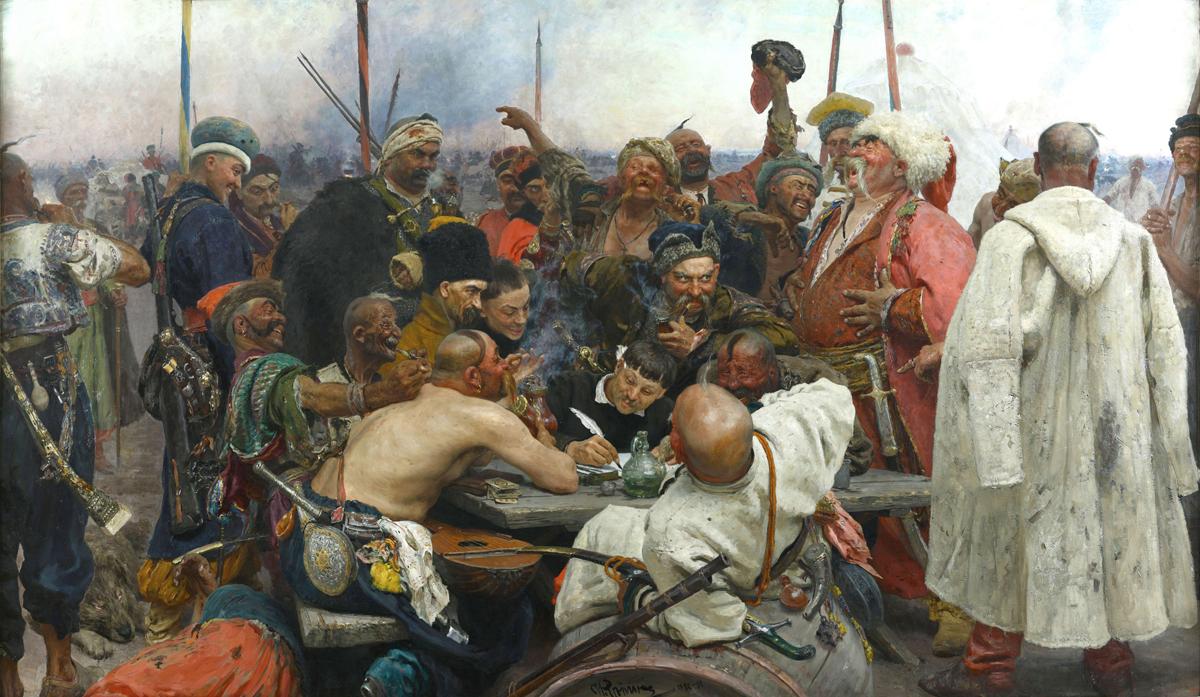
Second trip for the “Zaporozhians” — with his son Yuri
Eight years after the first trip Repin again set off for Little Russia, this time with his son Yuri, drawing everything the canvas might need — huts, utensils, costumes, weapons. He called his state “a creative binge” and the future characters “a merry folk”.