 Diego RiveraMexican, 1886–1957
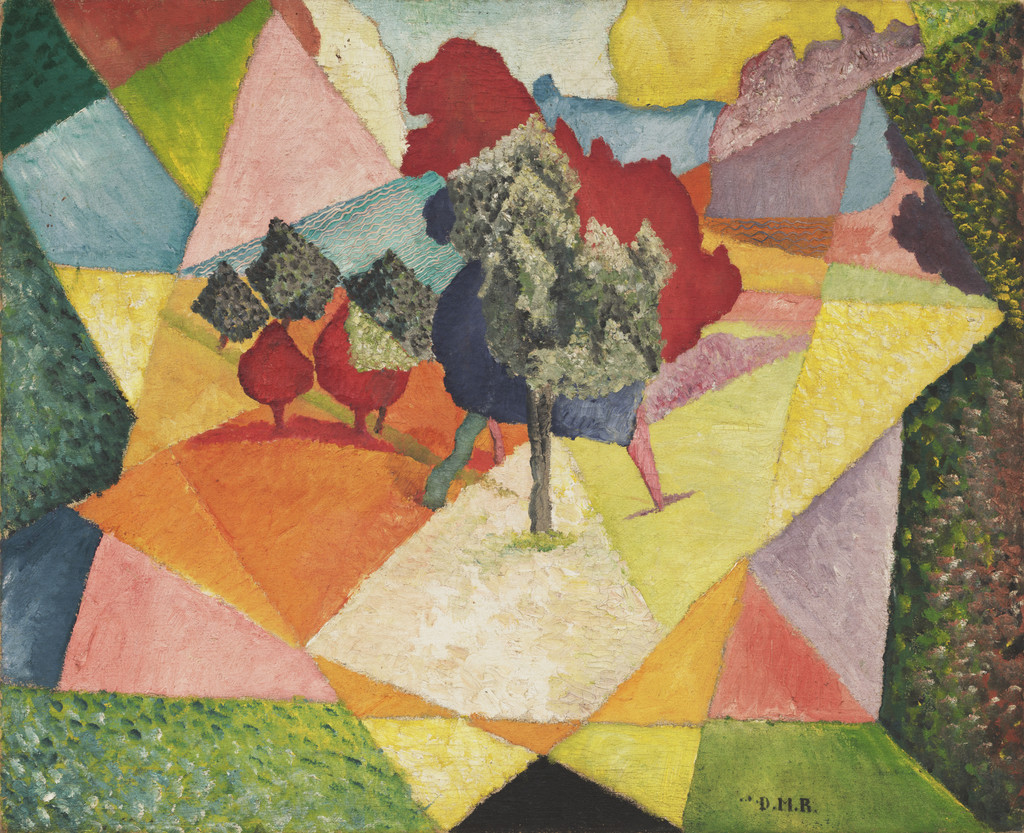
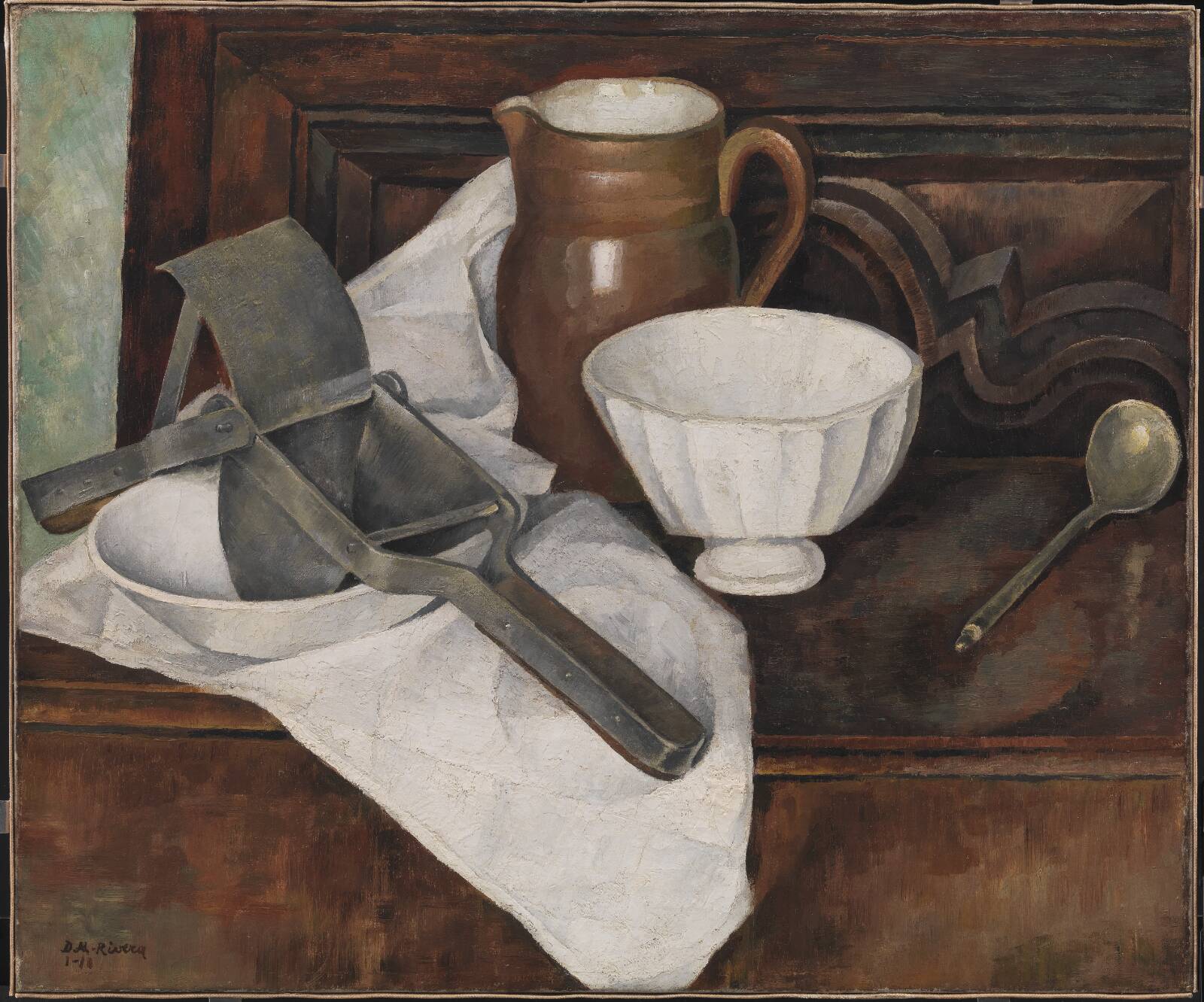
Nature morte
Can I see it?
Not on view at present
Where is “Nature morte” now? Collection: SMK — National Gallery of Denmark, Copenhagen. Not on view at present. Checked September 29, 2026.

Copenhagen, Denmark
It belongs to the collection, but is not on display at present.
- Checked
- In this state since
- Source
- The museum
Details
- Accession number
- KMS6909
In the catalog
Sources
- SMK
- Image: SMK — National Gallery of Denmark — © the artist or rights holder
In the life of Diego Rivera
The whole life1909–1920
Move to Paris
After studying in Madrid, Rivera settled in Paris, where he lived and worked from 1909 to 1920; he was closely acquainted with the Parisian artistic elite, including Pablo Picasso and Alfonso Reyes.
1910s
An affair with Marevna
For about half a year Rivera's lover was Marevna (Maria Vorobieff-Stebelska), a Russian artist and memoirist of Polish origin; in 1919 she gave birth to a daughter, Marika, whom Rivera did not acknowledge.
1913–1917
Immersion in Cubism
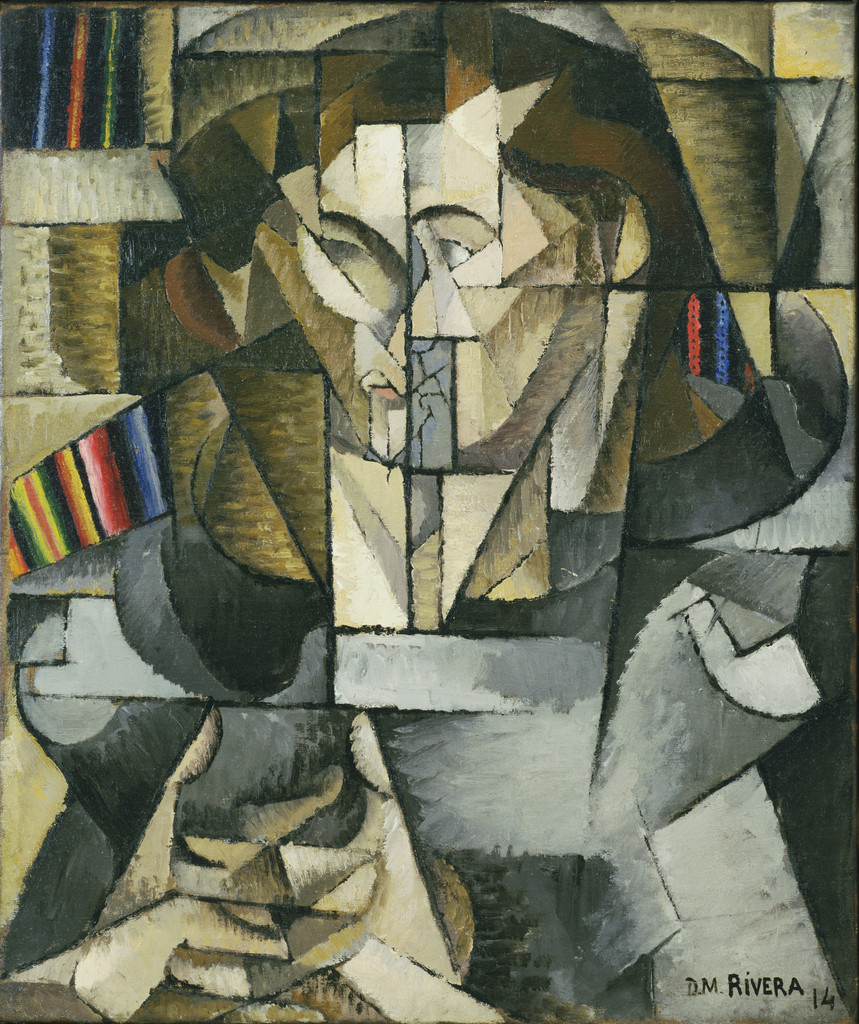
From 1913 to 1917 Rivera enthusiastically embraced Cubism, the movement then led by Pablo Picasso and Georges Braque.
1916–1918
The birth and death of his son Diego
Rivera and Angelina Beloff had a son, Diego (1916–1918), the artist's first child and only son, who died at the age of two.
c. 1917
A turn to Post-Impressionism
Around 1917, inspired by the paintings of Paul Cézanne, Rivera turned to Post-Impressionism, with simple forms and large patches of vivid colour; his paintings began to attract attention and were shown at several exhibitions.
1920–1921
Studying the frescoes of Italy
Urged by Mexico's ambassador to France, Alberto Pani, Rivera left France and travelled through Italy studying its art, including Renaissance frescoes.