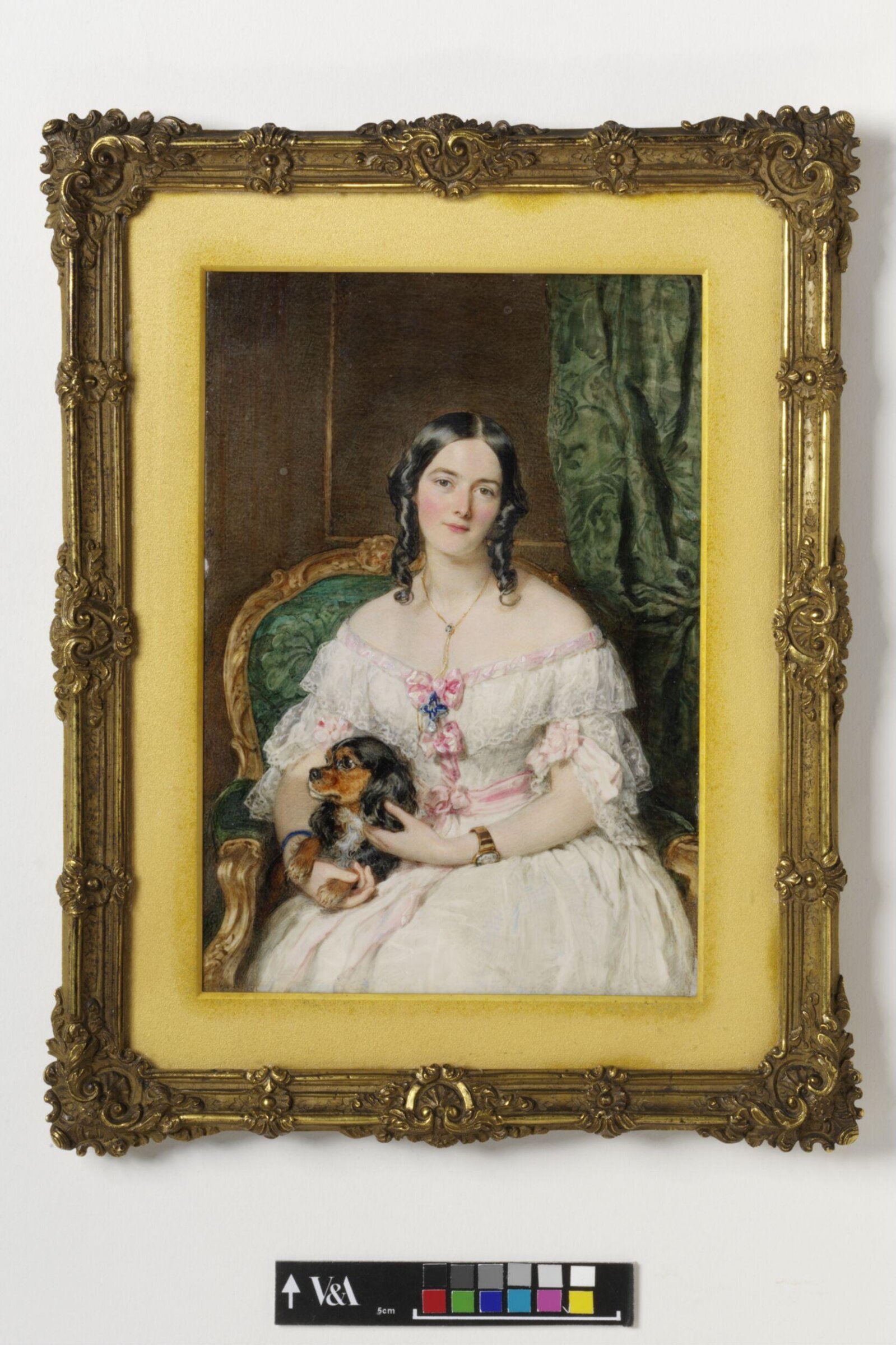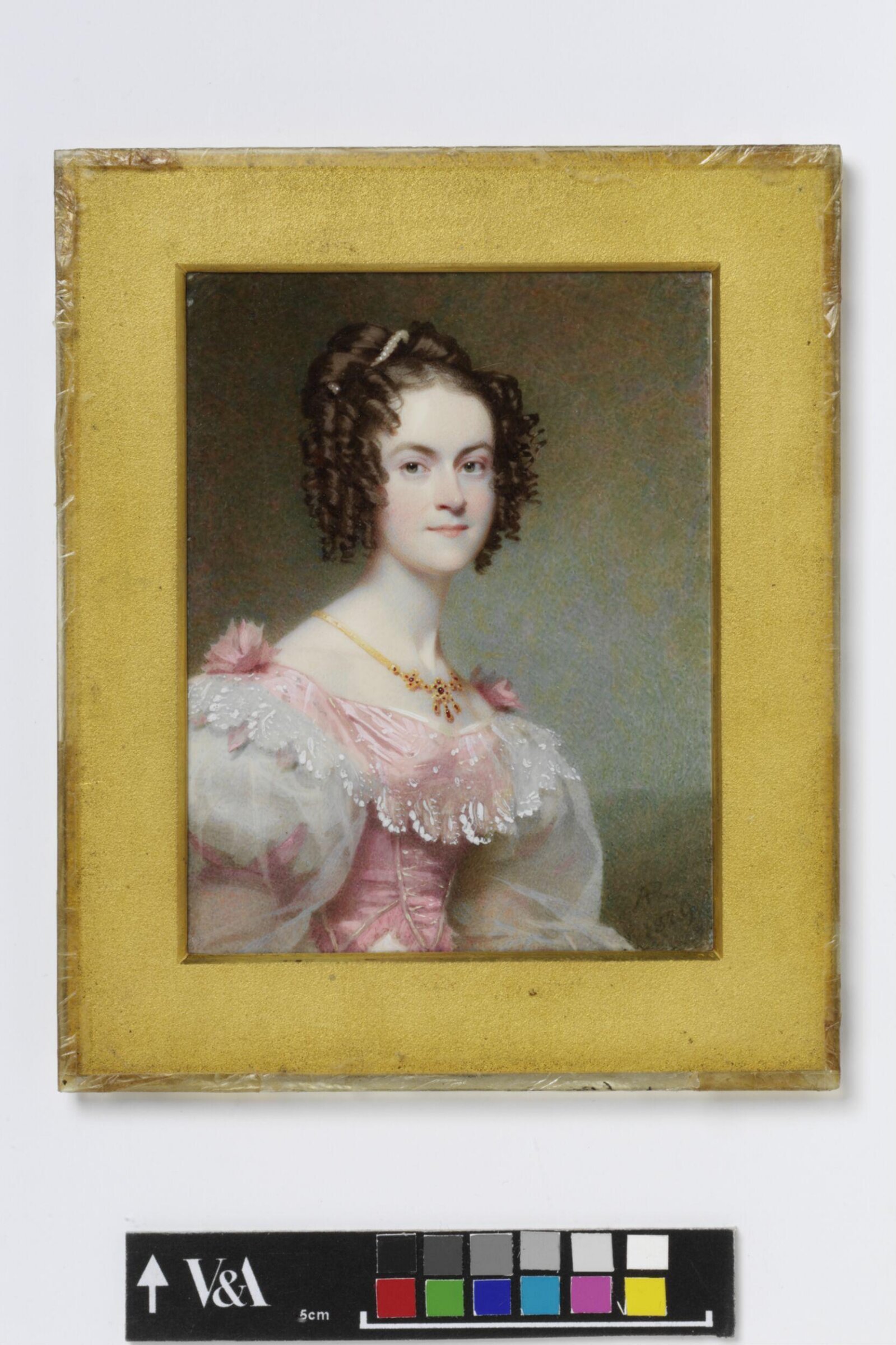
 John SmartAmerican, 1741–1811
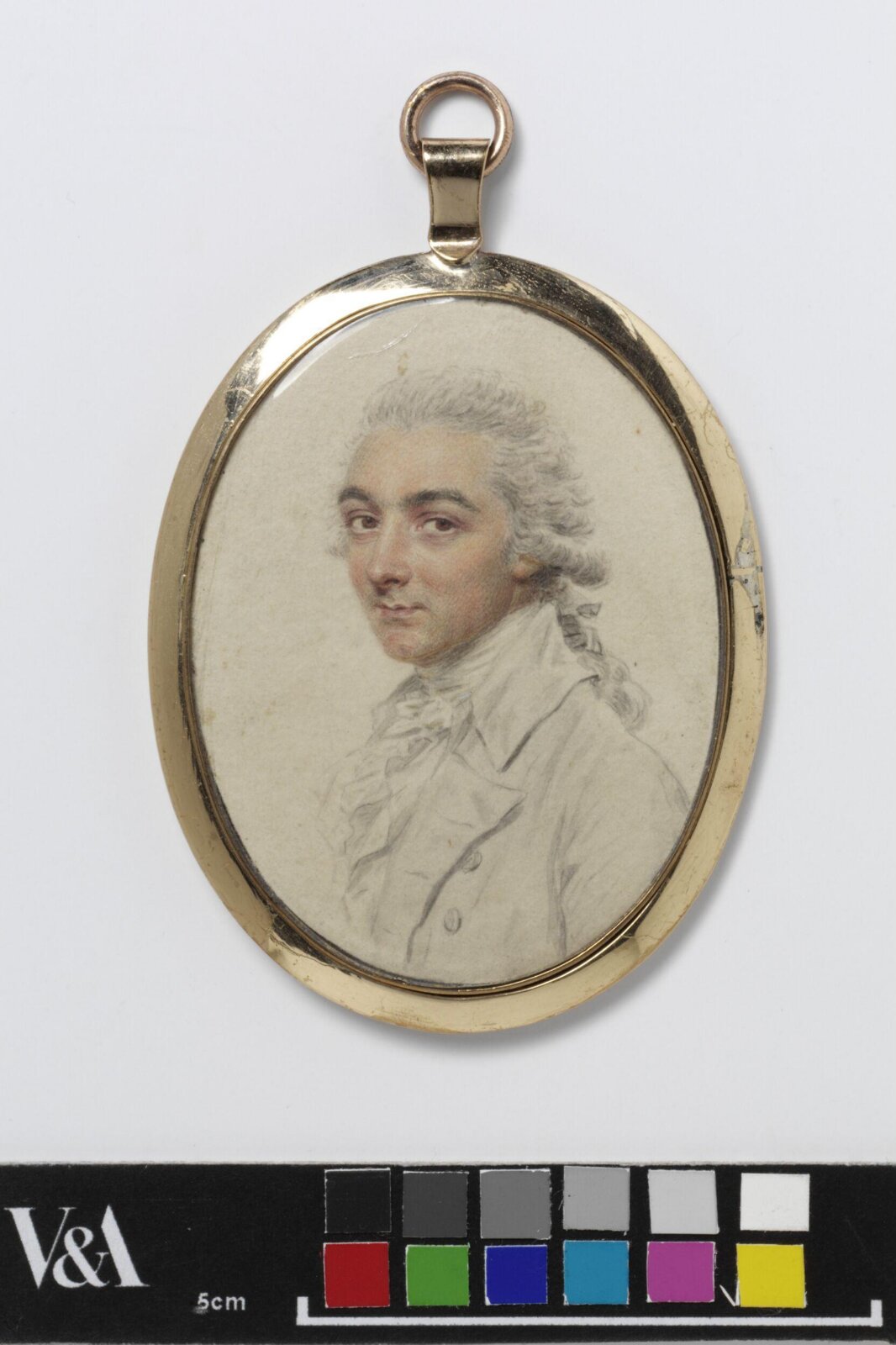
Mr Tomkinson
Can I see it?
Yes, on view now
Where is “Mr Tomkinson” now? Victoria and Albert Museum, Portrait Miniatures, Room 90a, The International Music and Art Foundation Gallery, London. Yes, on view now. Checked November 16, 2026.

London, United Kingdom
RoomPortrait Miniatures, Room 90a, The International Music and Art Foundation Gallery
Closed· opens at 10:00 AM
On public display.
- Checked
- In this state since
- Source
- The museum
About the painting
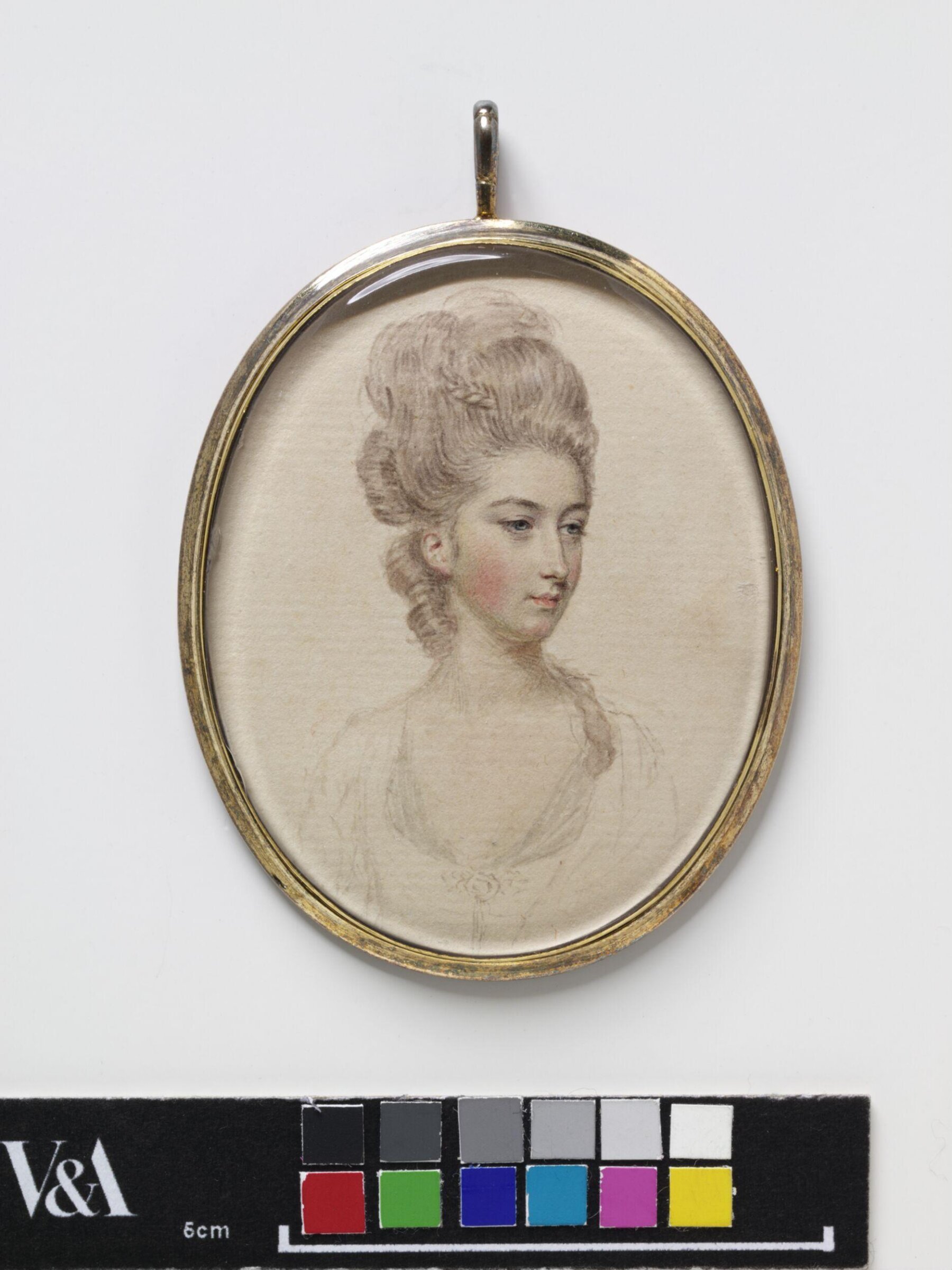
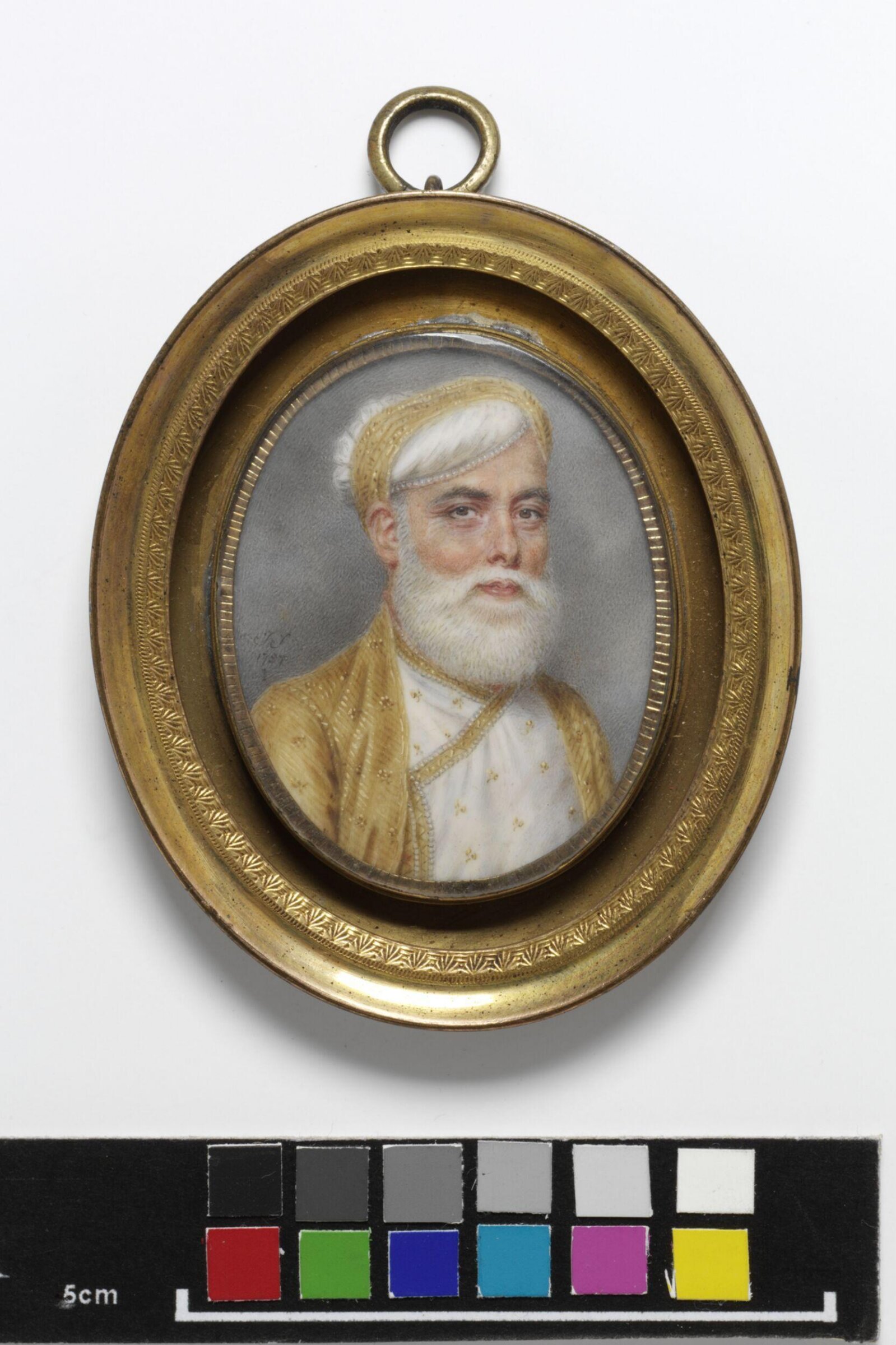
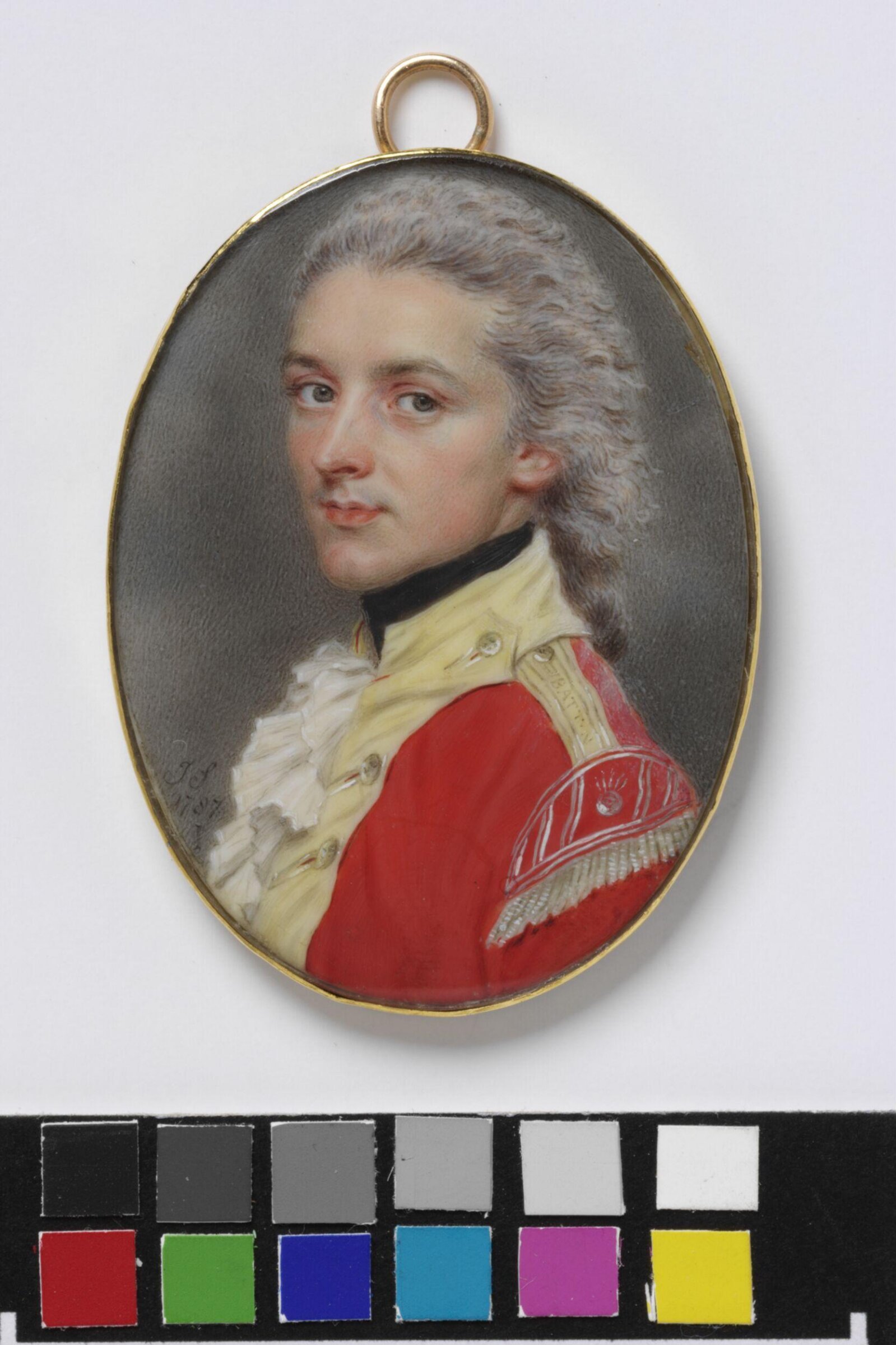
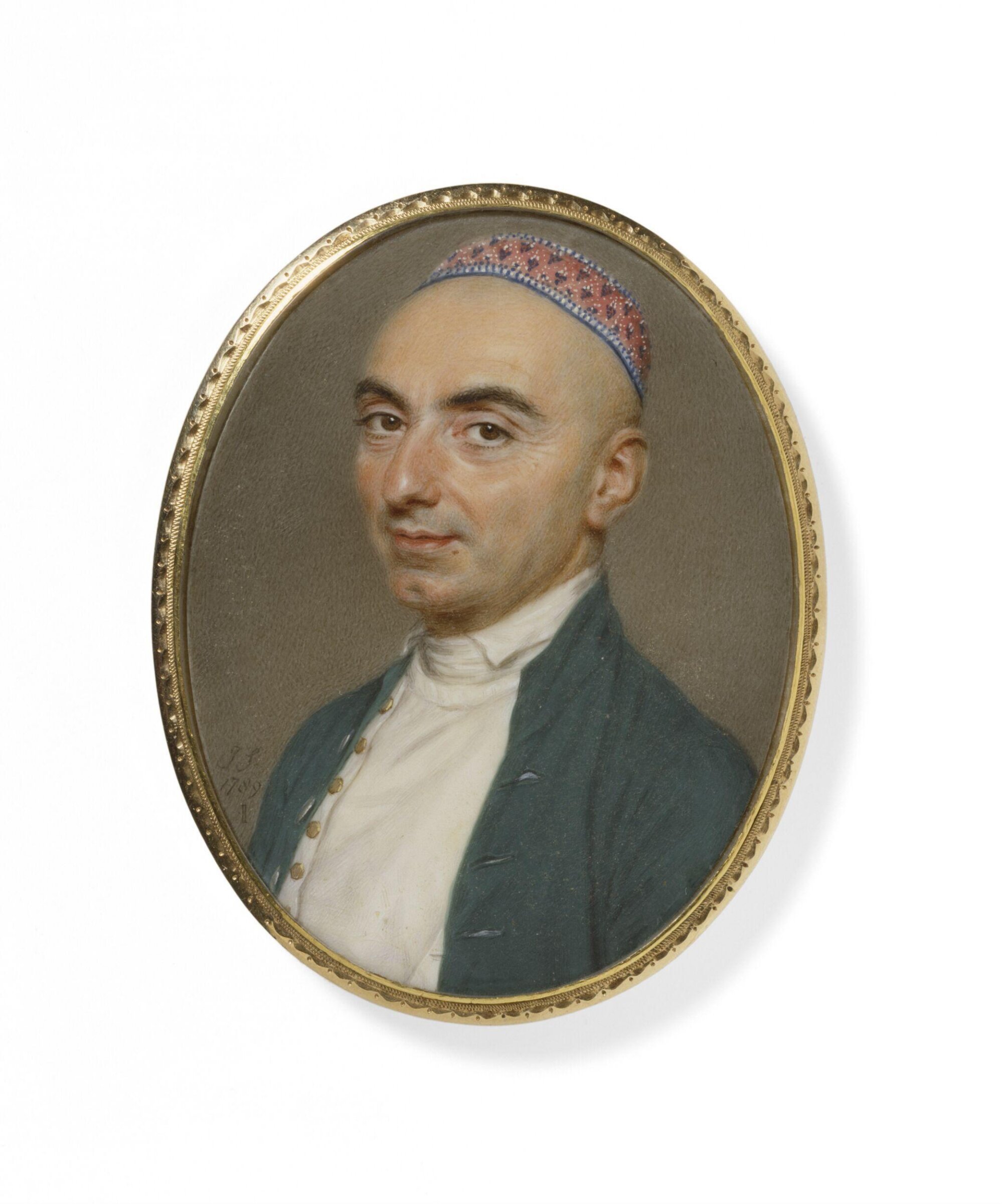
In the late 18th century a new sister art and rival to miniature portraits appeared. Since about 1700 miniaturists had worked on ivory, and before that on vellum (animal skin). Up to the late 18th century, watercolour was used mainly by topographic artists, who applied it on paper to tint their drawings. But as watercolour painting developed as an art in its own right, miniaturists saw that working on paper was easier, and so quicker and cheaper. They could thus attract new patrons. Some now widened their repertoire and developed types of watercolour portraits on paper or card. They produced elegant graphite drawings, either tinted lightly with a watercolour wash or with the sitter's head painted minutely in watercolour.
Read on
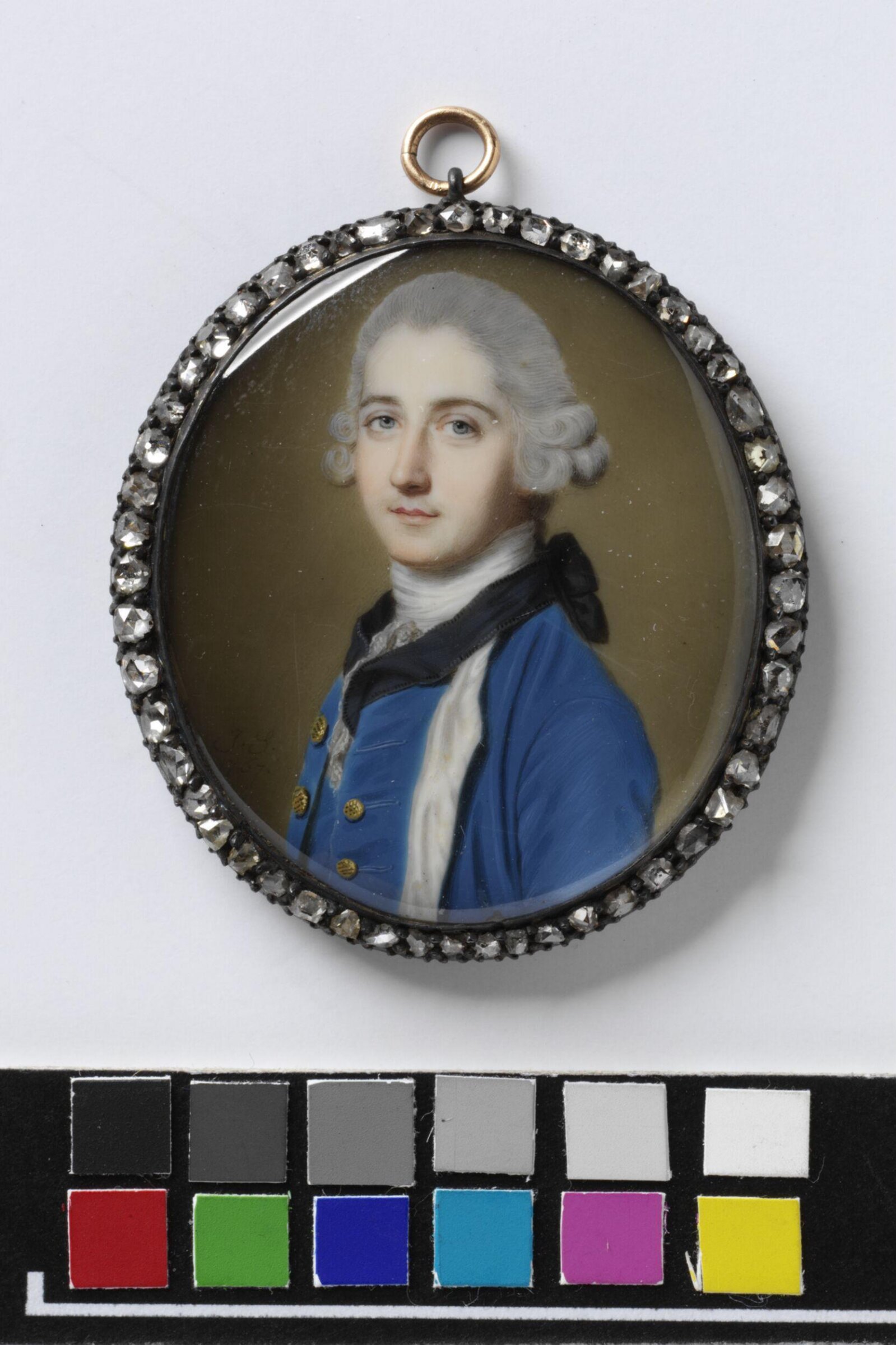
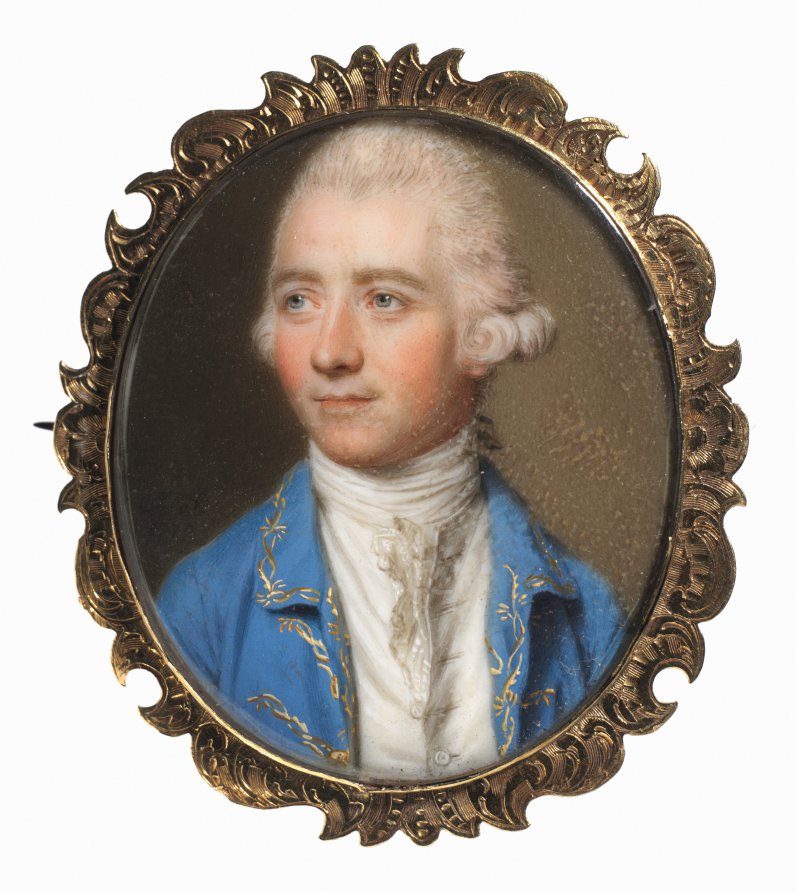
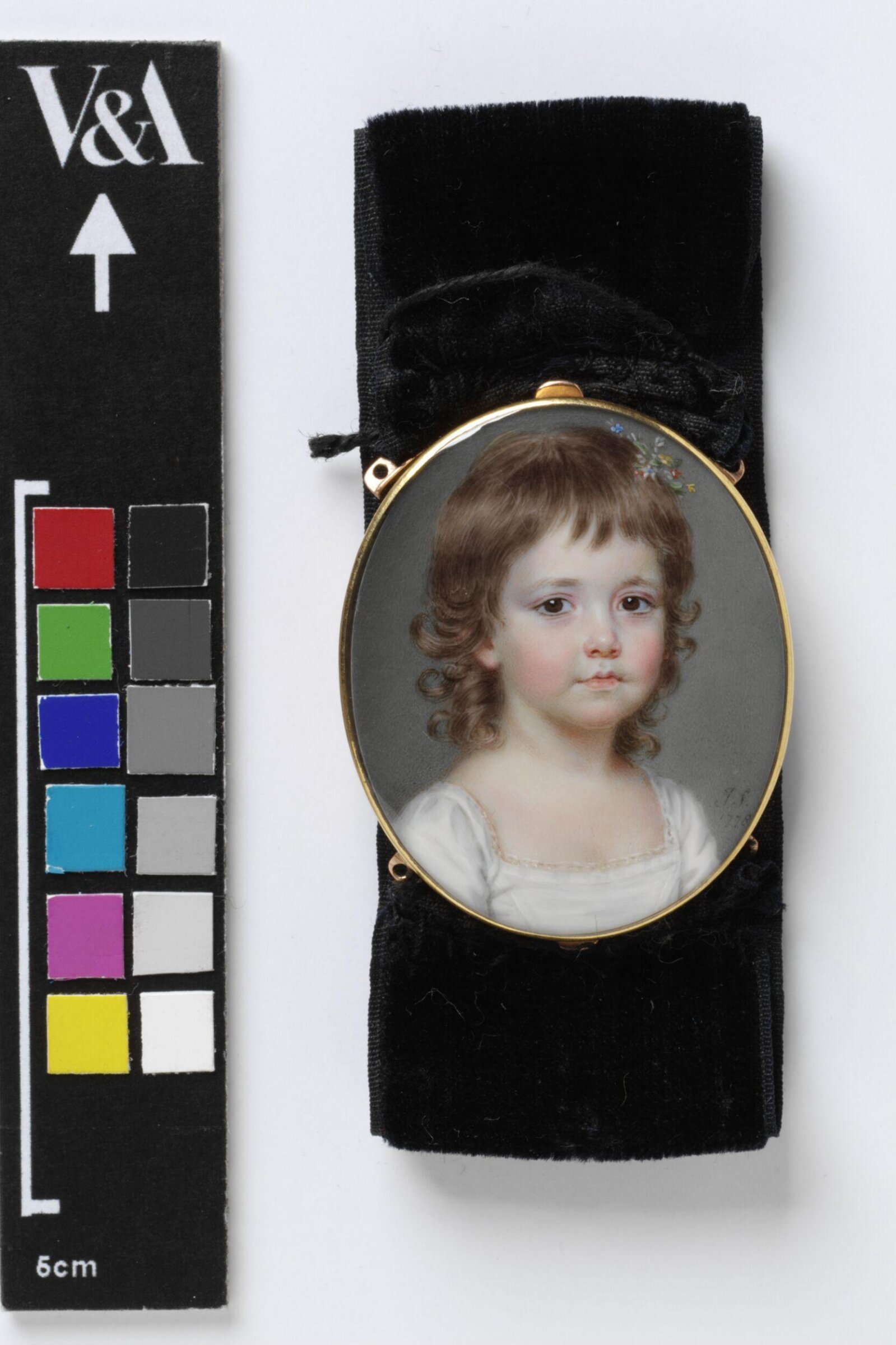
John Smart, also offered clients watercolour portraits on paper which were larger than his miniatures. Working on paper was less labour-intensive than painting on ivory, allowing Smart to produce larger ‘miniatures’ more cheaply – though unfortunately paper has the disadvantage that it discolours.
It has long been thought that Smart also painted small oval portraits on paper in which he lightly sketched the body leaving it ‘unfinished’, while the face was carefully delineated in colour - such as this portrait of Mr Tomkinson from around 1785. But recent research by V&A conservators suggests that many of these small ovals were preparatory studies for portraits on ivory and originally rectangular. These were probably left in Smart’s studio after his death and later sold, cut down and framed like oval miniatures.
Victoria and Albert Museum
Details
- Accession number
- P.40-1936
What it shows
In the catalog
Sources
- Victoria and Albert Museum
- Image: Victoria and Albert Museum — © Victoria and Albert Museum, London