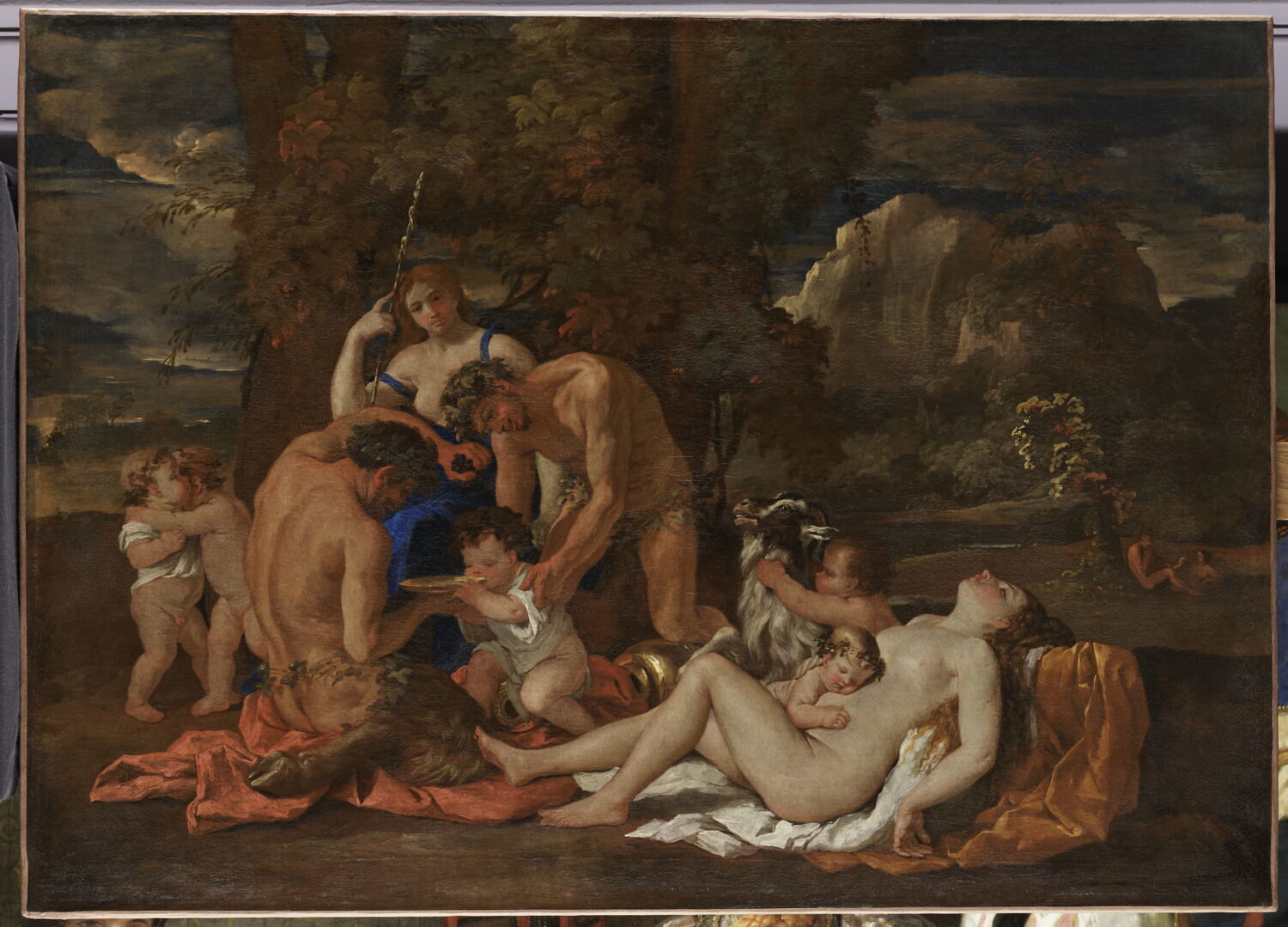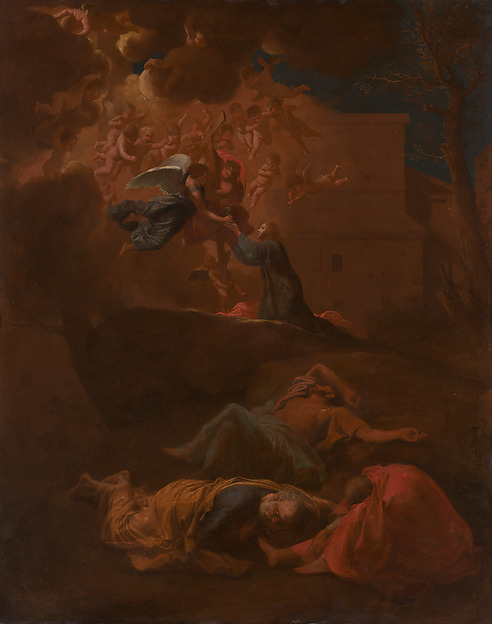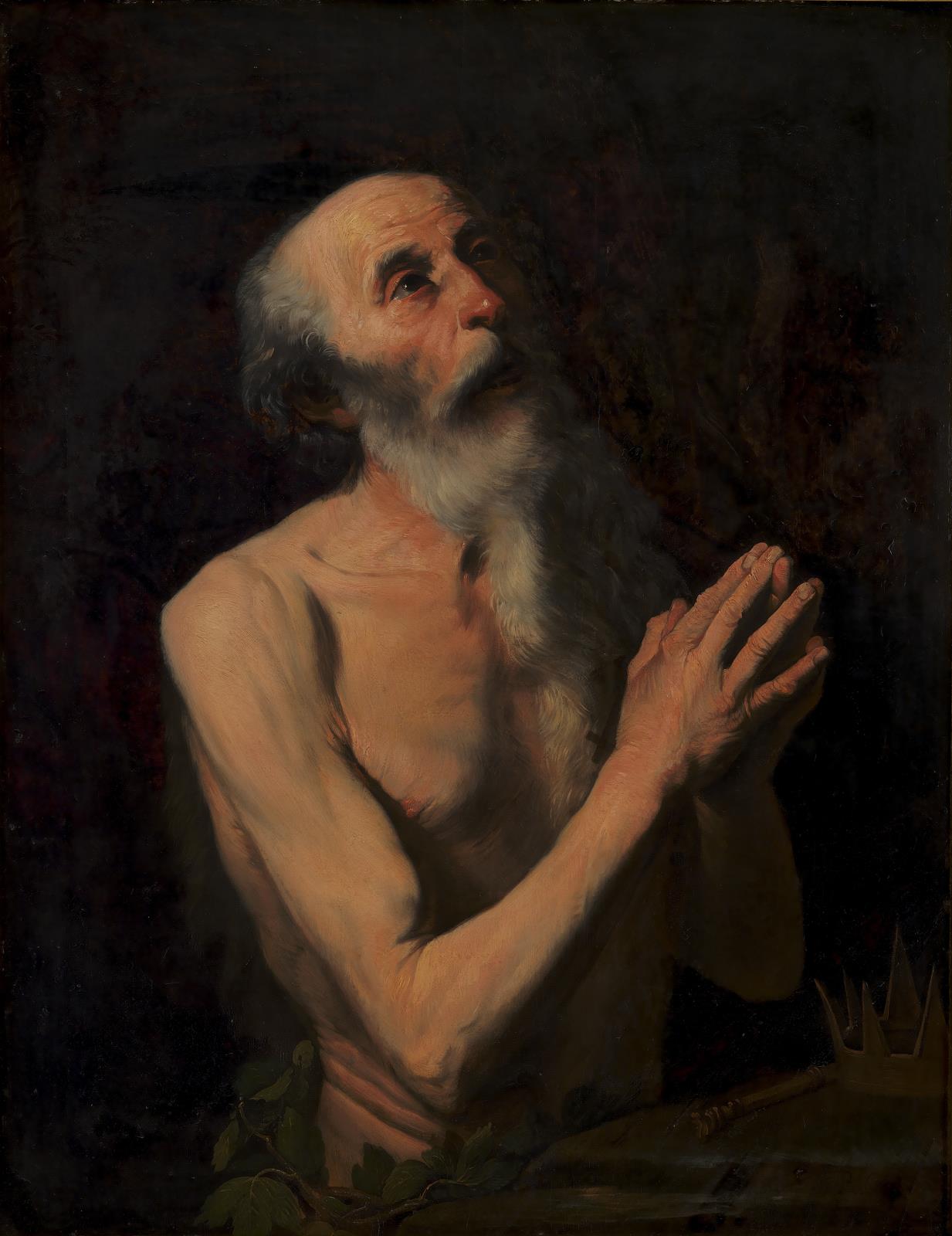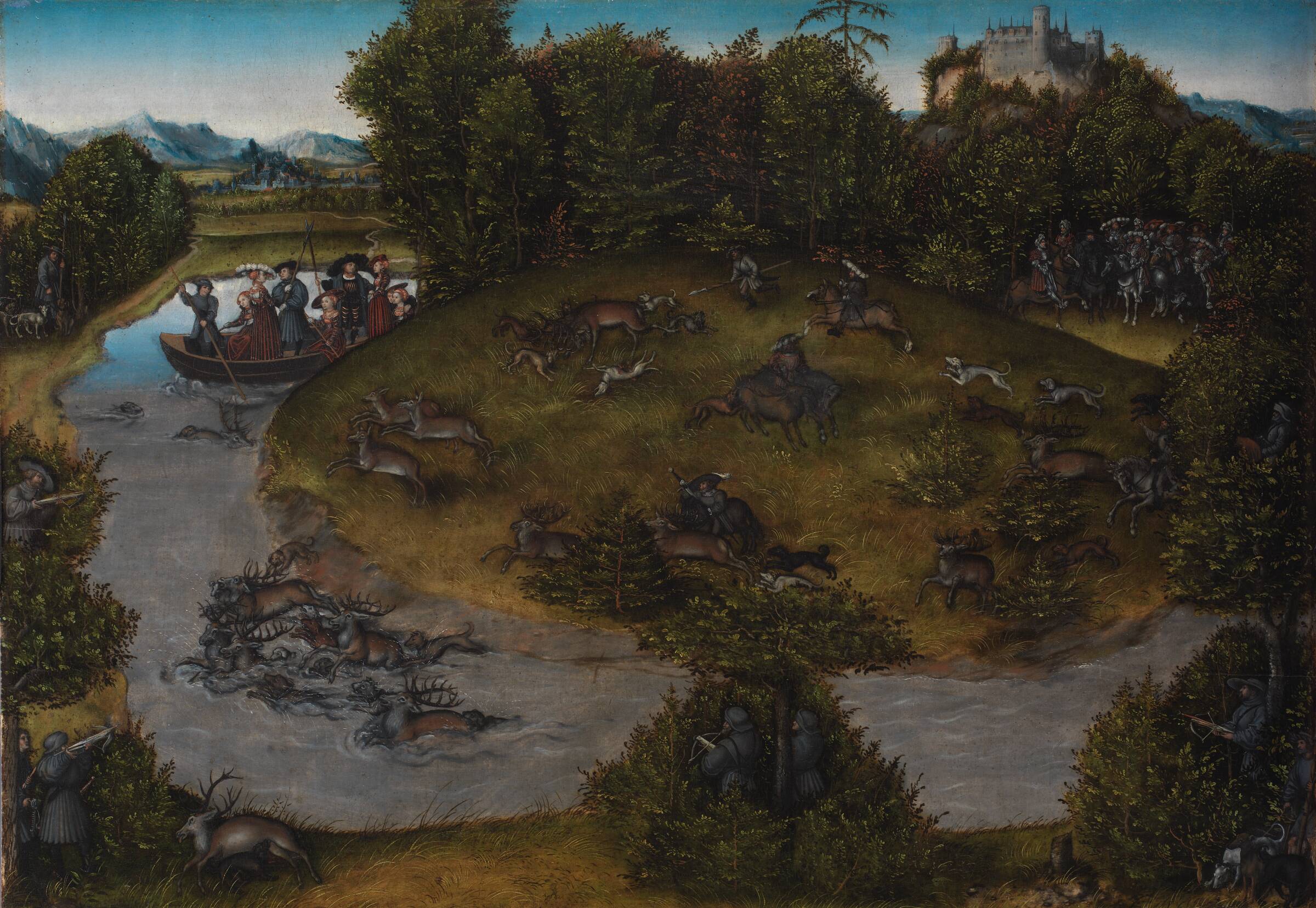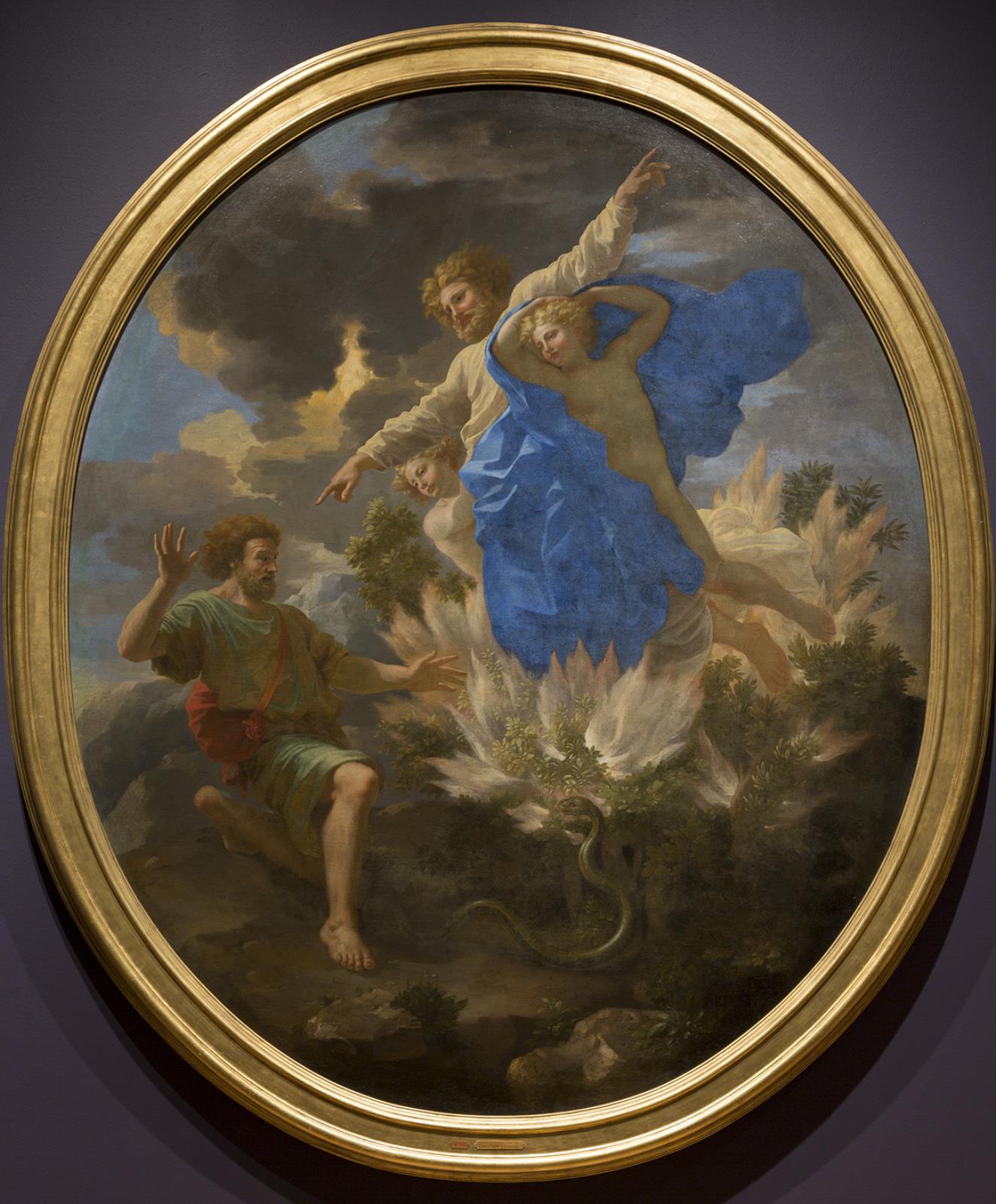
 Nicolas PoussinFrench, 1594–1665
Moses og den brændende tornebusk
May one see it?
Yes, receiving visitors

SMK — National Gallery of Denmark
Room208ACopenhagen, Denmark
On public display.
- Checked
- 5 hours ago
- In this state since
- Sep 28, 2026
- Source
- The museum's own collection data
Particulars
- Accession number
- KMSsp688
Comings and goings
On view · Sal 208A
SMK · Sep 28, 2026 — now · Verified
Was on view
SMK · Aug 19, 2026 — Sep 28, 2026 · Verified
Sources
- SMK: the museum's own open data · fetched 4 days ago
- Image: SMK — National Gallery of Denmark — public domain
Meanwhile, in the life of Nicolas Poussin
The whole life1630s
Cassiano dal Pozzo — his chief patron
Poussin’s flowering coincided with his complete abandonment of church commissions: he gathered a circle of patrons around him but strove for independence, accepting commissions from connoisseurs without binding himself to any of them permanently. The most important was Cassiano dal Pozzo; in the surviving correspondence the relationship comes close to servitude, although the painter did not live in his house.
December 1640
December 1640: Poussin returns to Paris
François Sublet de Noyers, Superintendent of the King’s Buildings, whose invitations Poussin had declined, sent his cousins Roland and Paul Fréart to Rome, offering the title of First Painter to the King and a substantial residence at the Tuileries. Poussin yielded, and in December 1640 he was back in Paris.
1641
An avalanche of royal commissions
In Paris he was swamped with commissions: “The Institution of the Eucharist” for the chapel of the château of Saint-Germain-en-Laye, “The Miracle of St Francis Xavier” for the Jesuit novitiate, ceilings and vaults for the Grande Galerie of the Louvre, an allegory for Richelieu’s study, designs for tapestries and title pages for the royal printing house. For a man accustomed to working slowly and carefully it was too much.
autumn 1642
Finds a pretext and leaves for Rome for good
Increasingly unhappy with court intrigue and the weight of commissions, in the autumn of 1642, while the king and court were in Languedoc, Poussin found a pretext to leave Paris and returned to Rome permanently.
1642–1644
Richelieu, Louis XIII and Urban VIII pass away
Richelieu died in 1642, Louis XIII in 1643 and Pope Urban VIII in 1644; his successor Innocent X was less interested in art patronage and preferred Spanish culture, and the Barberini left for France. But Richelieu’s successor, Cardinal Mazarin, began to collect Poussin’s works.
1643
Chantelou comes to Rome and commissions masterpieces
Paul Fréart de Chantelou came to Rome in 1643 and stayed several months; he commissioned from Poussin some of his most important works, including the second series of “The Seven Sacraments” and “Landscape with Diogenes”.