ART WIKI33,040 on view
MapCollectionArtistsMuseumsExhibitionsJournal
Sign in

ART WIKI

Where the masterpiece hangs, and when they let you in.

Collections: Art Institute of Chicago, Getty Villa, Harvard Art Museums, Hirshhorn Museum and Sculpture Garden, J. Paul Getty Museum, Minneapolis Institute of Art, Musée du Louvre, National Gallery of Art, National Museum of Asian Art, National Portrait Gallery (Smithsonian), Pushkin State Museum of Fine Arts, Rijksmuseum, Smithsonian American Art Museum, SMK — National Gallery of Denmark, State Hermitage Museum, State Russian Museum, The Cleveland Museum of Art, The Metropolitan Museum of Art, The Museum of Modern Art, Tretyakov Gallery, Victoria and Albert Museum, Whitney Museum of American Art, State Catalogue of the Museum Fund of Russia (274 museums), Europeana (19 museums), Wikidata (6 museums), Paris Musées (12 museums), and Joconde, the French Ministry of Culture's museum database (495 museums). Images belong to their rights holders.

Sections

  • Map
  • Search
  • Collection
  • Masterpieces
  • On view now
  • Artists

More

  • Museums & galleries
  • Exhibitions
  • Journal
  • Where the data comes from
  • Privacy & cookies
HomeMapBrowse
  1. Collection/
  2. Musée du Louvre/
  3. Death of Sardanapalus
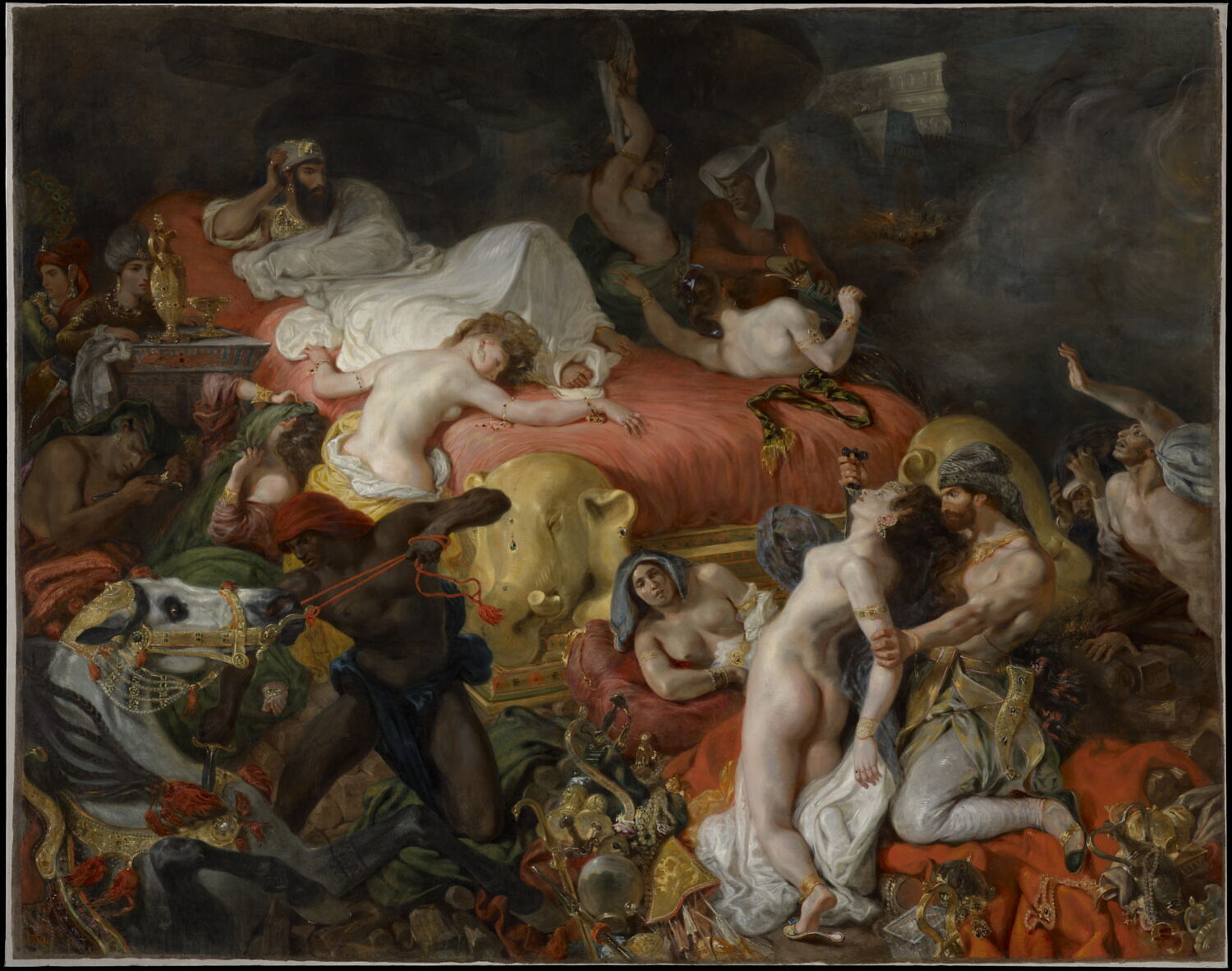
Death of Sardanapalus, Eugène Delacroix, second quarter of the 19th century (1827)
Eugène Delacroix, portraitEugène DelacroixFrench, 1798–1863

Death of Sardanapalus

Mort de Sardanapale

second quarter of the 19th century (1827) · Painting

MasterpieceNo. 50of the world's hundred most famous paintings

About the painting

The Death of Sardanapalus (La Mort de Sardanapale) is an 1827 oil painting on canvas by the French artist Eugène Delacroix, now in the Musée du Louvre, Paris. A smaller replica he made in 1844 is in the Philadelphia Museum of Art. It is a work of Romanticism based on the tale of Sardanapalus, a king of Assyria, from Greek historian Diodorus Siculus's library. It uses rich, vivid and warm colours and broad brushstrokes, was inspired by Lord Byron's play Sardanapalus (1821) and inspired a Hector Berlioz cantata, Sardanapale (1830), and an unfinished Franz Liszt opera, Sardanapalo (1845–1852).

Wikipedia · CC BY-SA

Particulars

second quarter of the 19th century (1827) · aged 29
17981863
Accession number
RF 2346

More by Eugène Delacroix

All works

In the same room · Salle 700, Aile Denon, Niveau 1, Musée du Louvre

Museum page

May one see it?

Yes, receiving visitors

Musée du Louvre

Paris, France

Room700, Aile Denon, Niveau 1

On public display.

Checked
13 days ago
In this state since
Sep 26, 2026
Source
The museum
On the mapMuseum page

In the catalog

PaintingsOilFrench paintingNeoclassicismRomanticism19th century

Sources

  • Musée du Louvre
  • Image: Musée du Louvre — © 2023 GrandPalaisRmn (musée du Louvre) / Michel Urtado
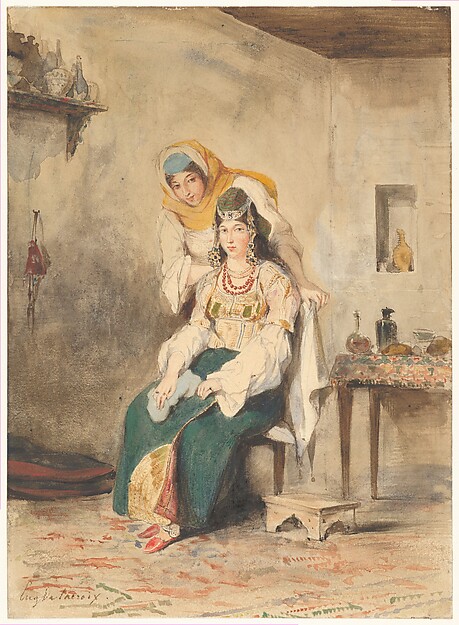
Saada, the Wife of Abraham Ben-Chimol, and Préciada, One of Their Daughters, Eugène Delacroix, 1832

Saada, the Wife of Abraham Ben-Chimol, and Préciada, One of Their Daughters

1832 · The Metropolitan Museum of Art

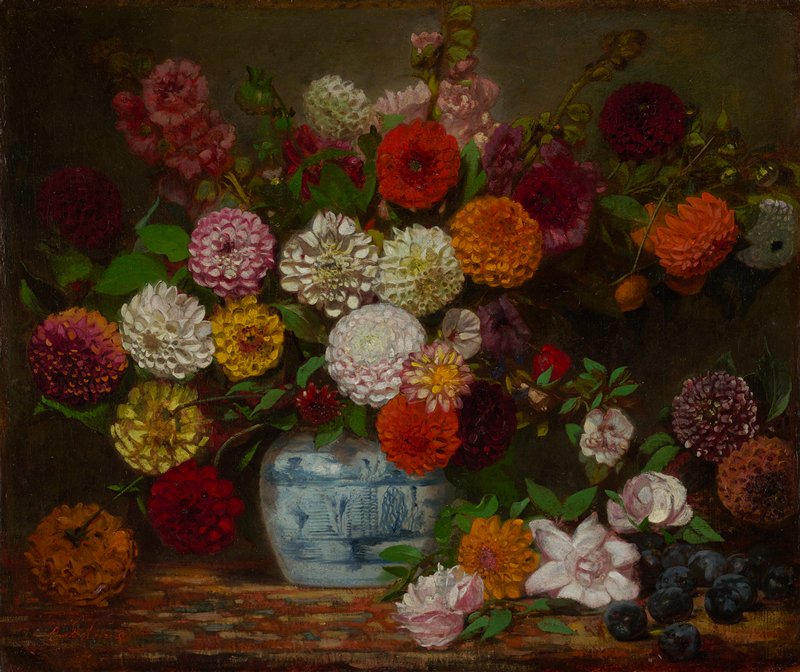
Still Life with Dahlias, Zinnias, Hollyhocks and Plums, Eugène Delacroix, c. 1835

Still Life with Dahlias, Zinnias, Hollyhocks and Plums

c. 1835 · Minneapolis Institute of Art

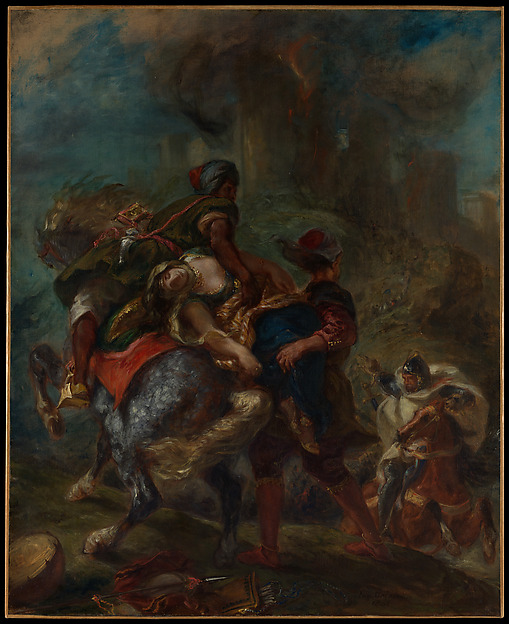
The Abduction of Rebecca, Eugène Delacroix, 1846

The Abduction of Rebecca

1846 · The Metropolitan Museum of Art

Sunset, Eugène Delacroix, ca. 1850

Sunset

ca. 1850 · The Metropolitan Museum of Art

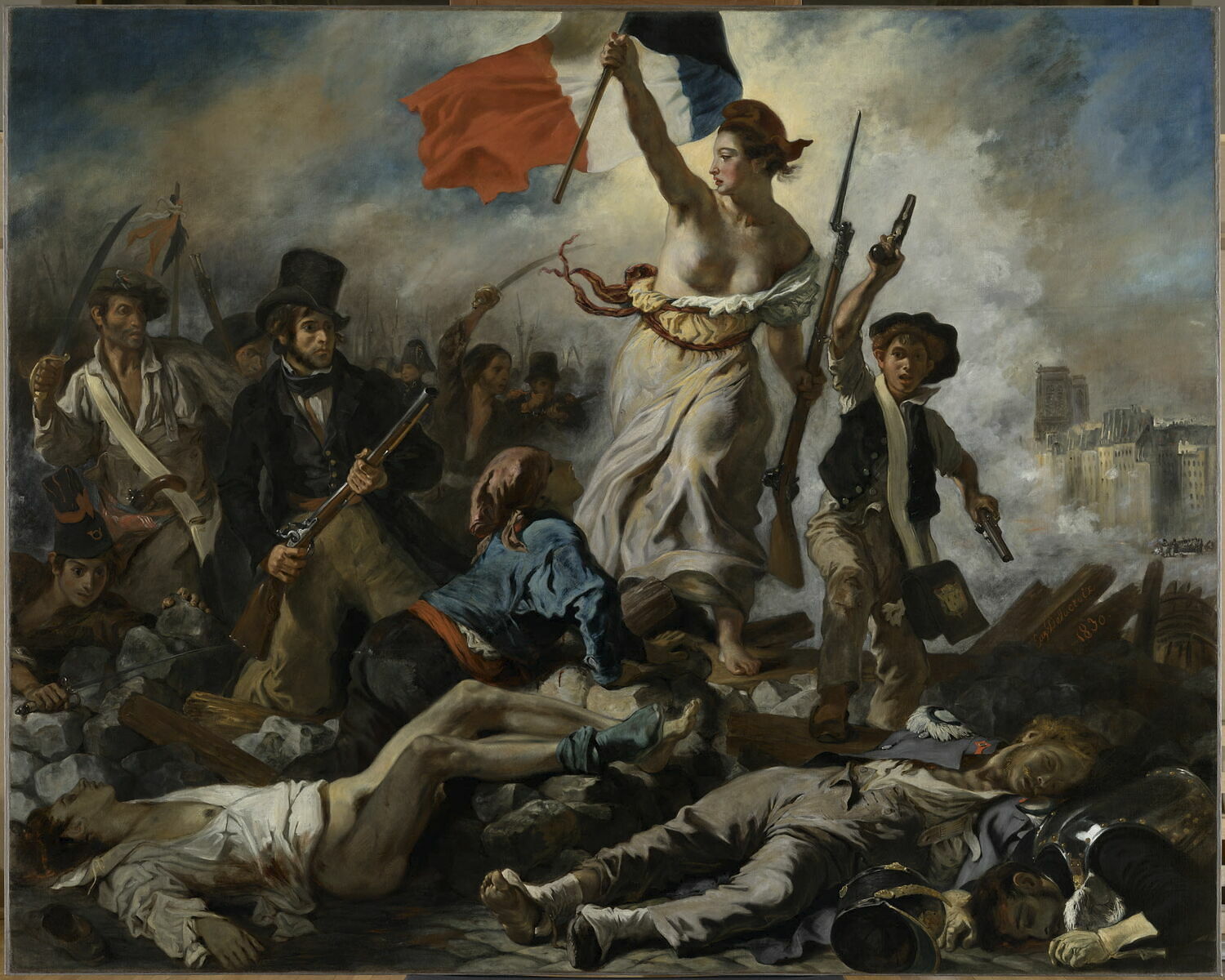
Le 28 juillet 1830. La Liberté guidant le peuple, Delacroix, Eugène, 2e quart du XIXe siècle (1830)

Liberty Leading the People

second quarter of the 19th century (1830) · Musée du Louvre

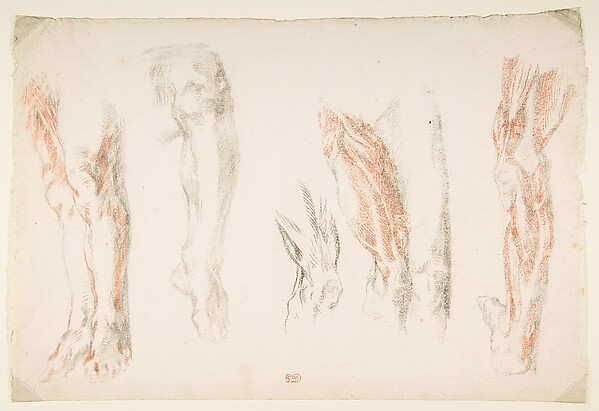
Anatomical Studies of Legs, Eugène Delacroix, 1820–1863

Anatomical Studies of Legs

1820–1863 · The Metropolitan Museum of Art

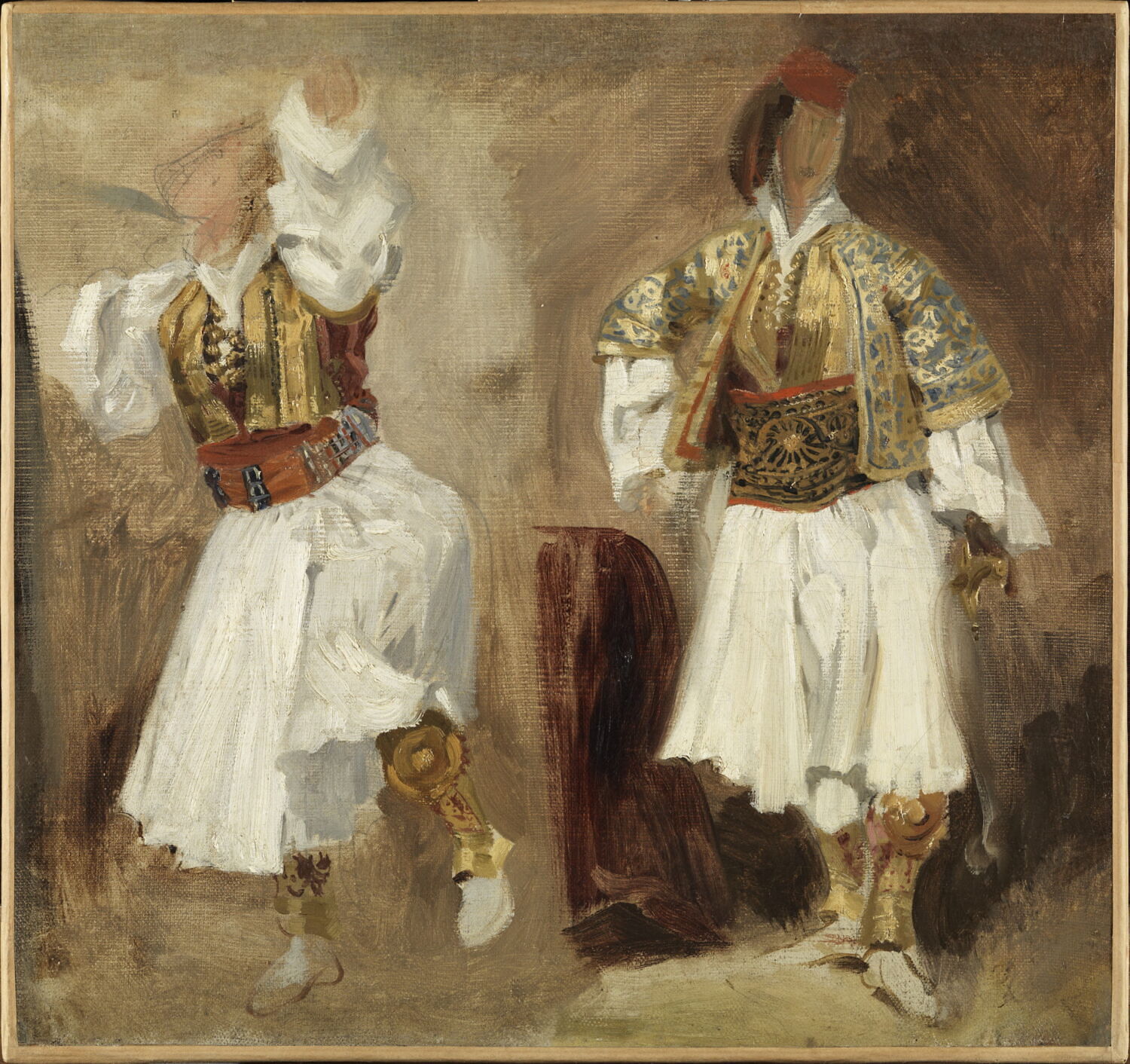
Deux études de costumes souliotes, Delacroix, Eugène, 1e quart du XIXe siècle (1822)

Deux études de costumes souliotes

first quarter of the 19th century (1822) · Musée du Louvre

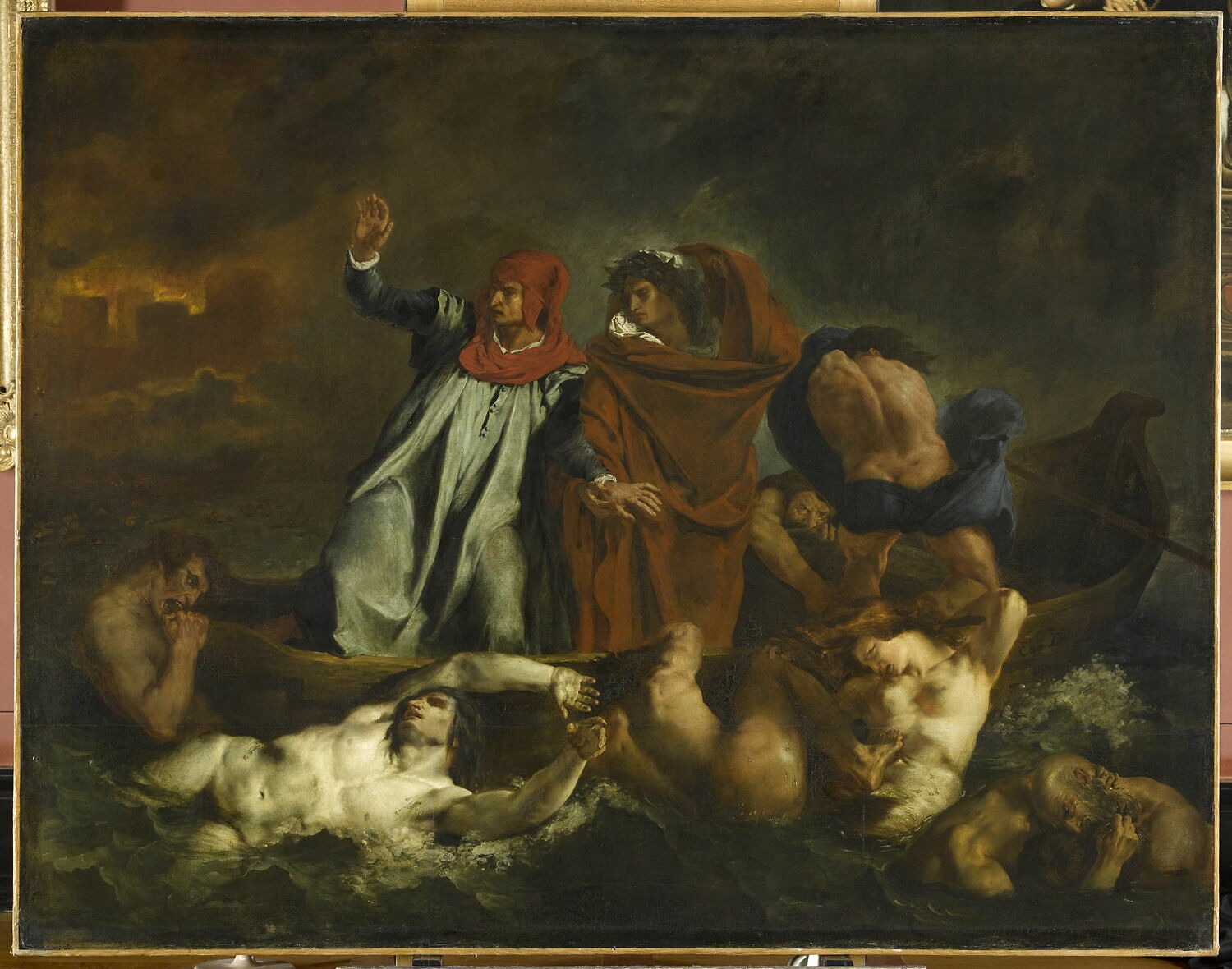
Dante et Virgile, dit aussi La barque de Dante, Delacroix, Eugène, 1e quart du XIXe siècle (1822)

The Barque of Dante

first quarter of the 19th century (1822) · Musée du Louvre

Le 28 juillet 1830. La Liberté guidant le peuple, Delacroix, Eugène, 2e quart du XIXe siècle (1830)

Eugène Delacroix

Liberty Leading the People, second quarter of the 19th century (1830)

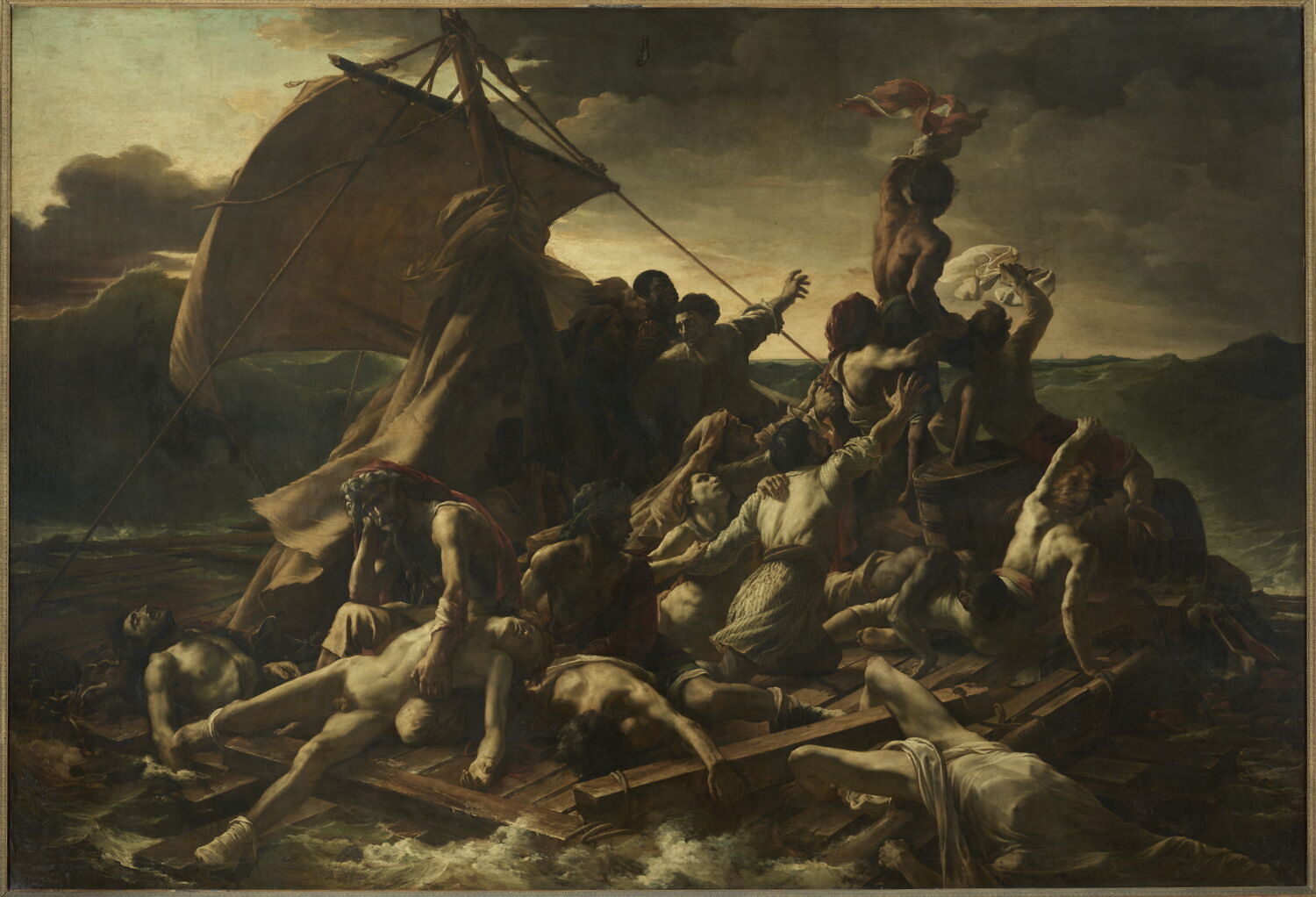
Le radeau de la Méduse, Géricault, Théodore, 1e quart du XIXe siècle (1818 - 1819)

Théodore Géricault

The Raft of the Medusa, first quarter of the 19th century (1818–1819)

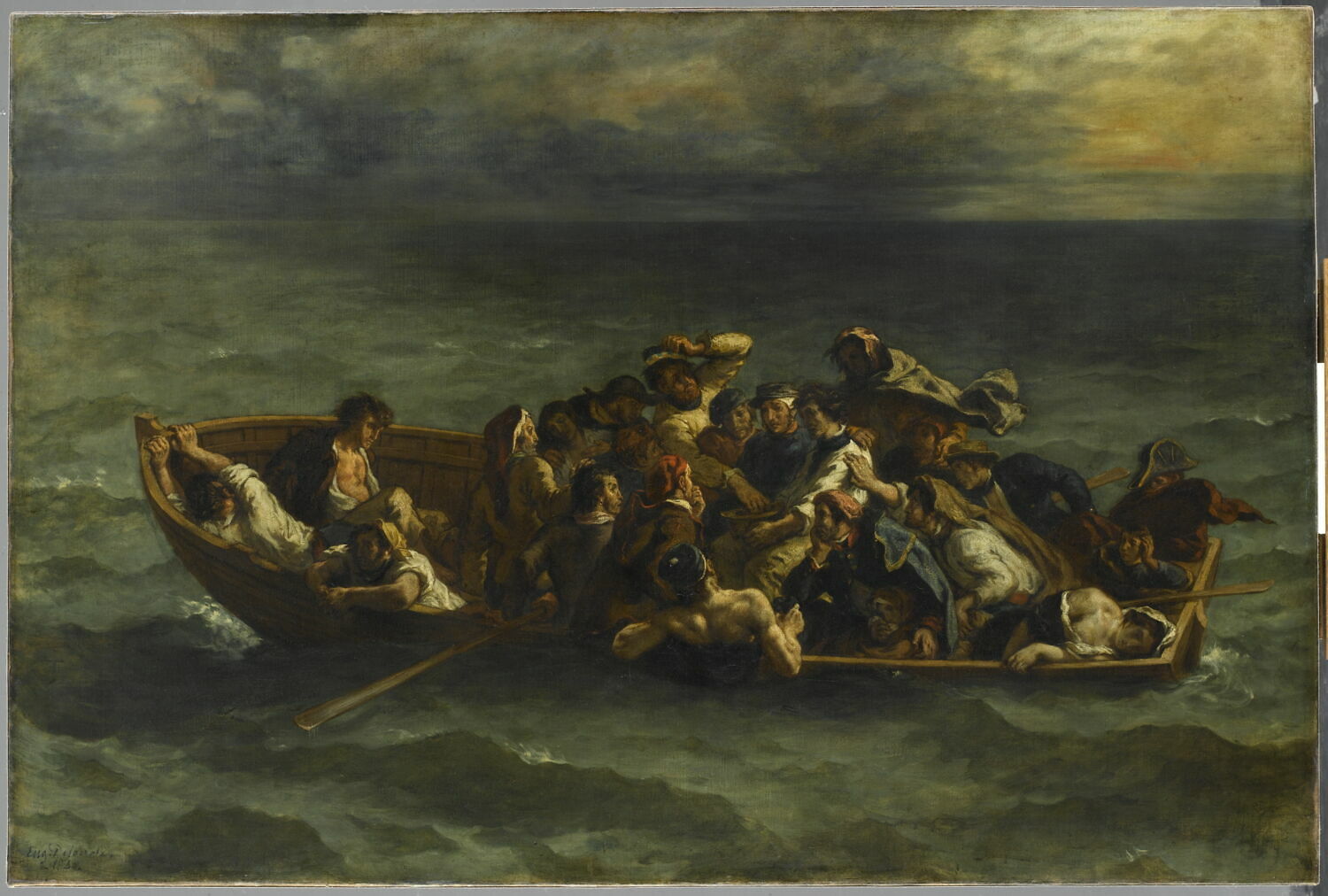
Le naufrage de Don Juan, Delacroix, Eugène, 2e quart du XIXe siècle (1840)

Eugène Delacroix

Le naufrage de Don Juan, second quarter of the 19th century (1840)

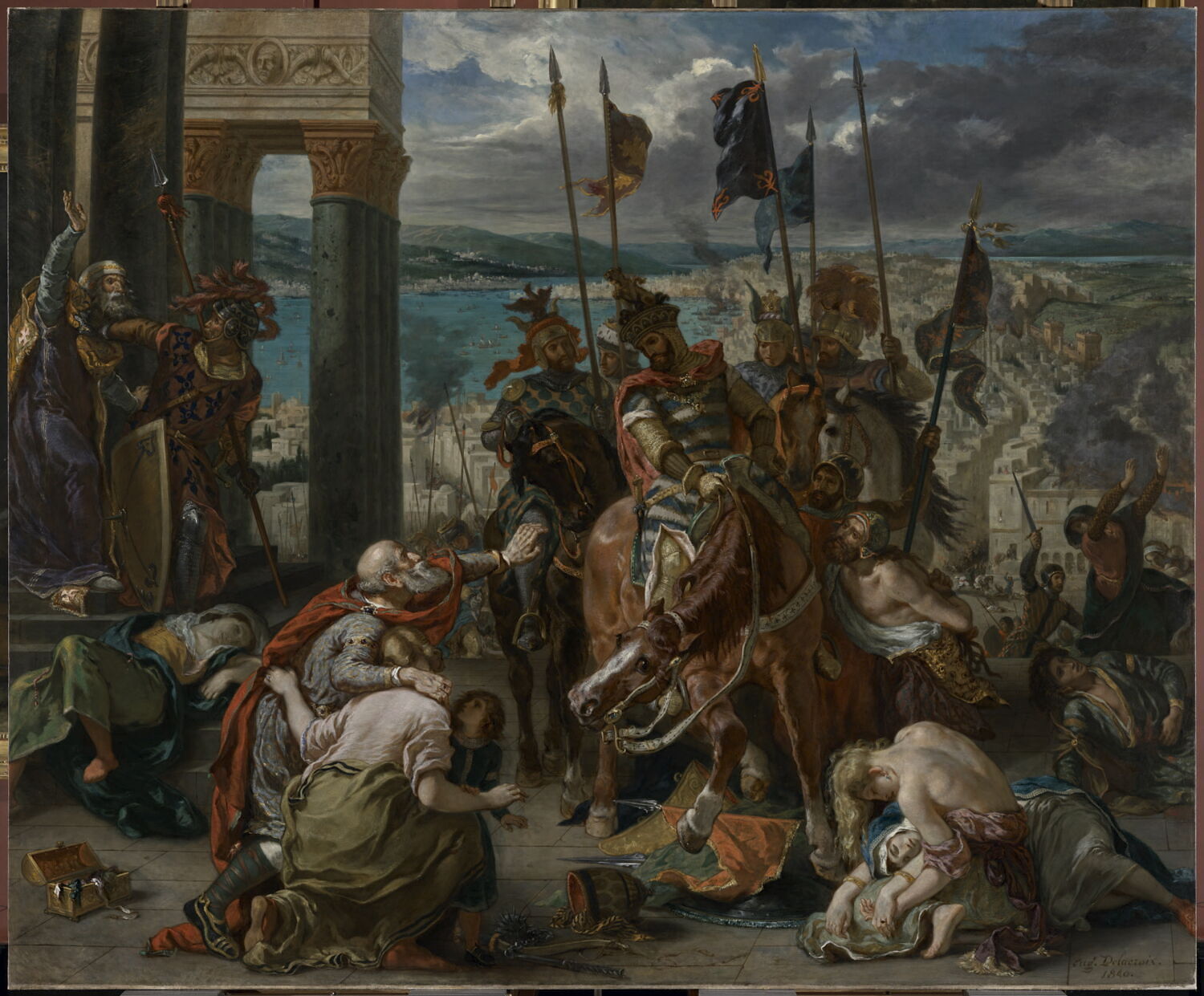
Prise de Constantinople par les croisés (12 avril 1204), dit aussi Entrée des croisés à Constantinople, Delacroix, Eugène, 2e quart du XIXe siècle (1840)

Eugène Delacroix

Entry of the Crusaders in Constantinople, second quarter of the 19th century (1840)

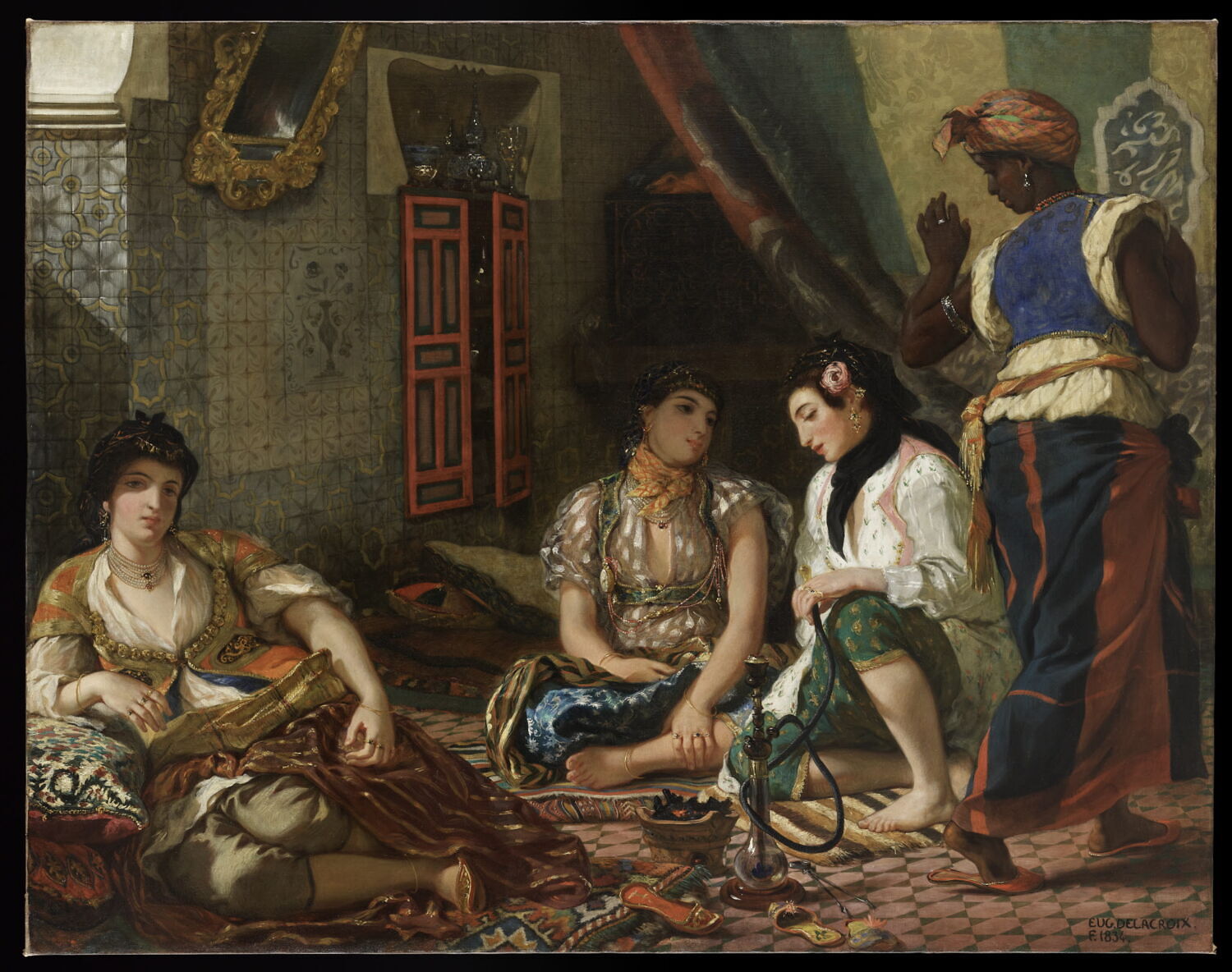
Femmes d'Alger dans leur appartement, Delacroix, Eugène, 2e quart du XIXe siècle (1834)

Eugène Delacroix

The Women of Algiers, second quarter of the 19th century (1834)

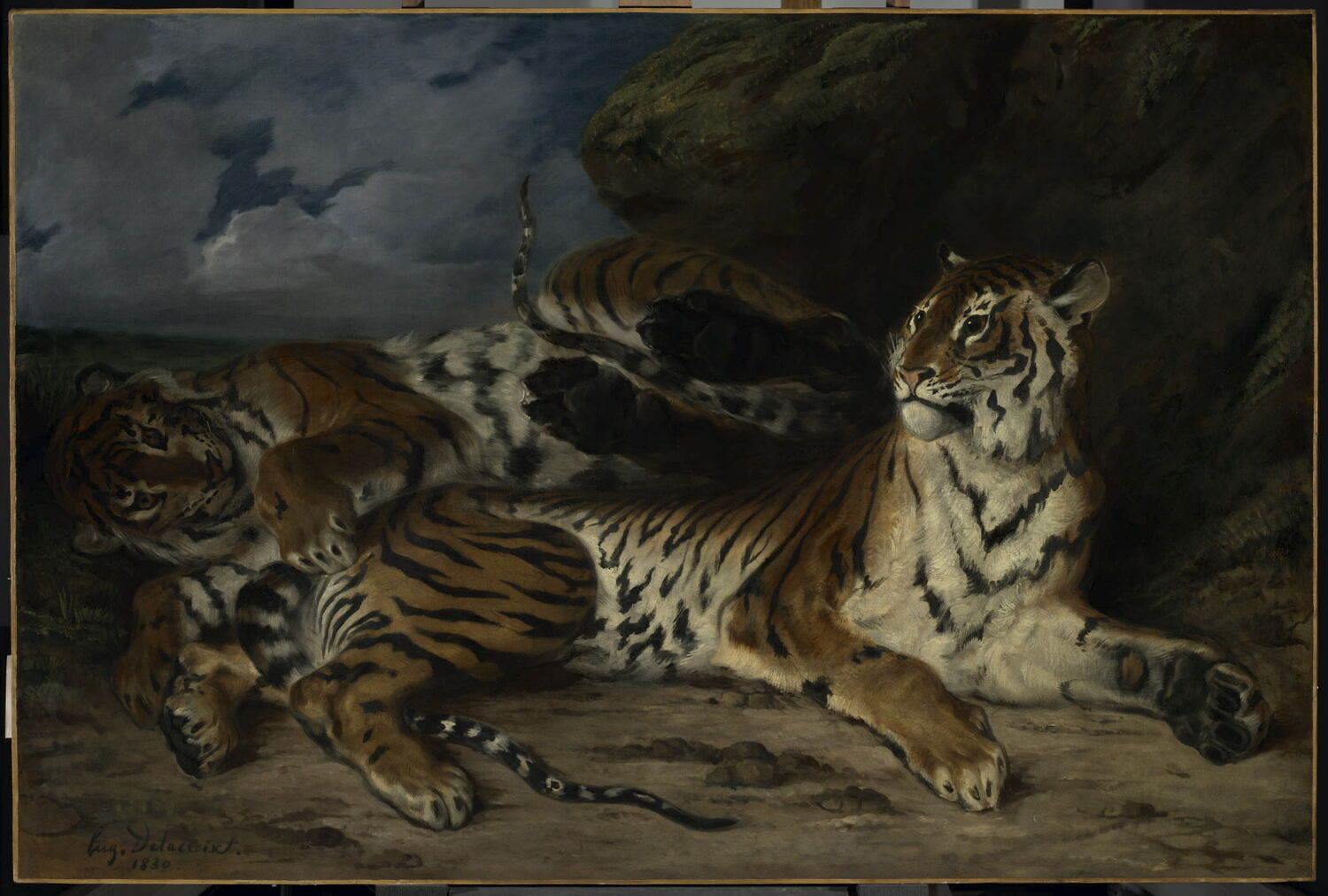
Jeune Tigre jouant avec sa mère, dit aussi Étude de deux tigres, Delacroix, Eugène, 2e quart du XIXe siècle (1830)

Eugène Delacroix

Jeune Tigre jouant avec sa mère, dit aussi Étude de deux tigres, second quarter of the 19th century (1830)

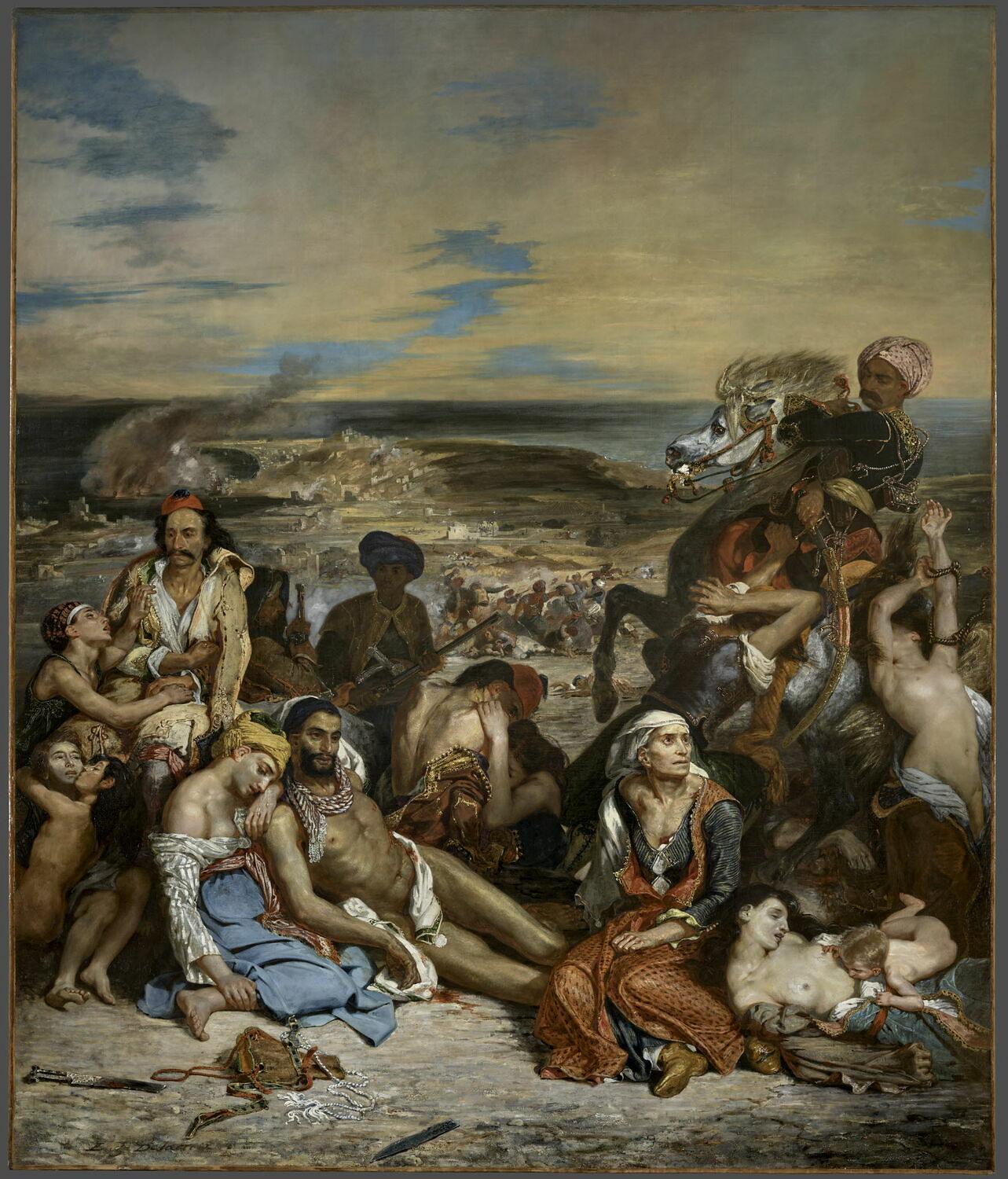
Scènes des massacres de Scio. Familles grecques attendant la mort ou l'esclavage, Delacroix, Eugène, 1e quart du XIXe siècle (1824)

Eugène Delacroix

The Massacre at Chios, first quarter of the 19th century (1824)

Dante et Virgile, dit aussi La barque de Dante, Delacroix, Eugène, 1e quart du XIXe siècle (1822)

Eugène Delacroix

The Barque of Dante, first quarter of the 19th century (1822)