
 Kurt SchwittersGerman, 1887–1948
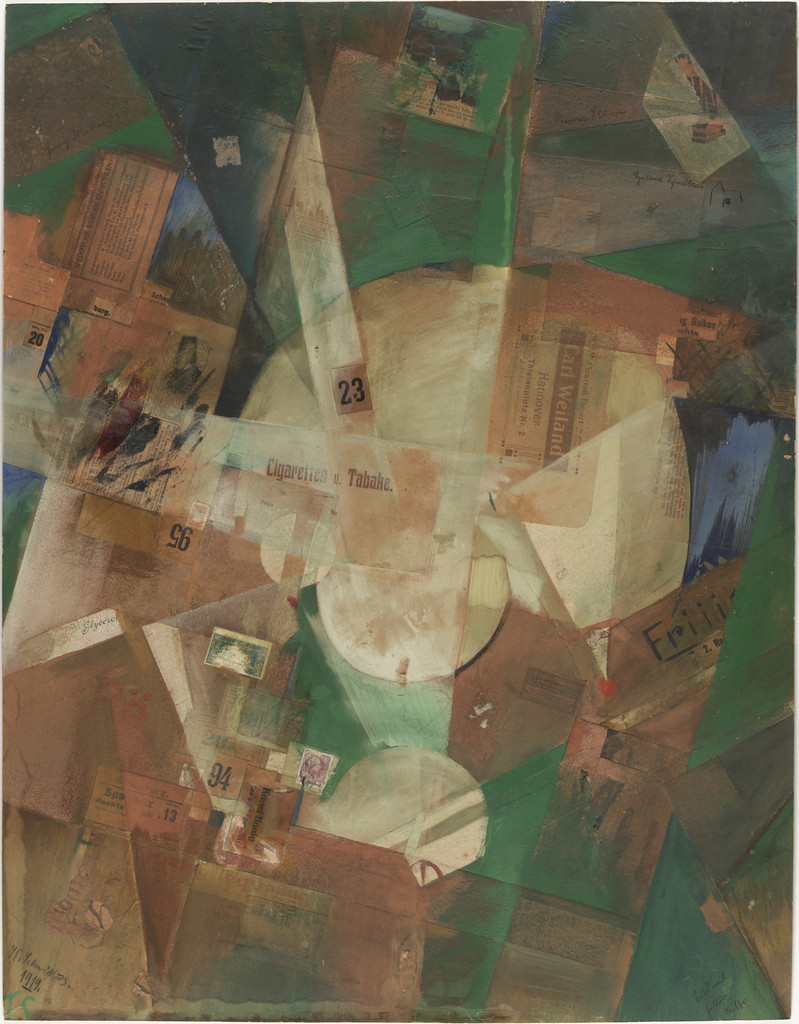
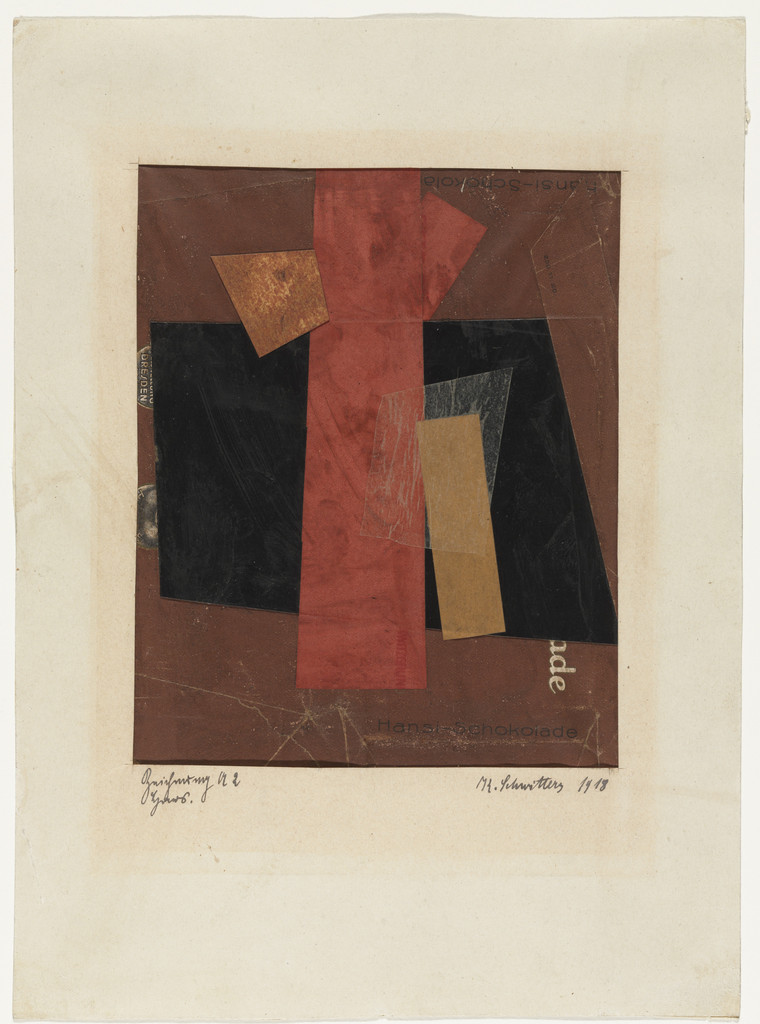
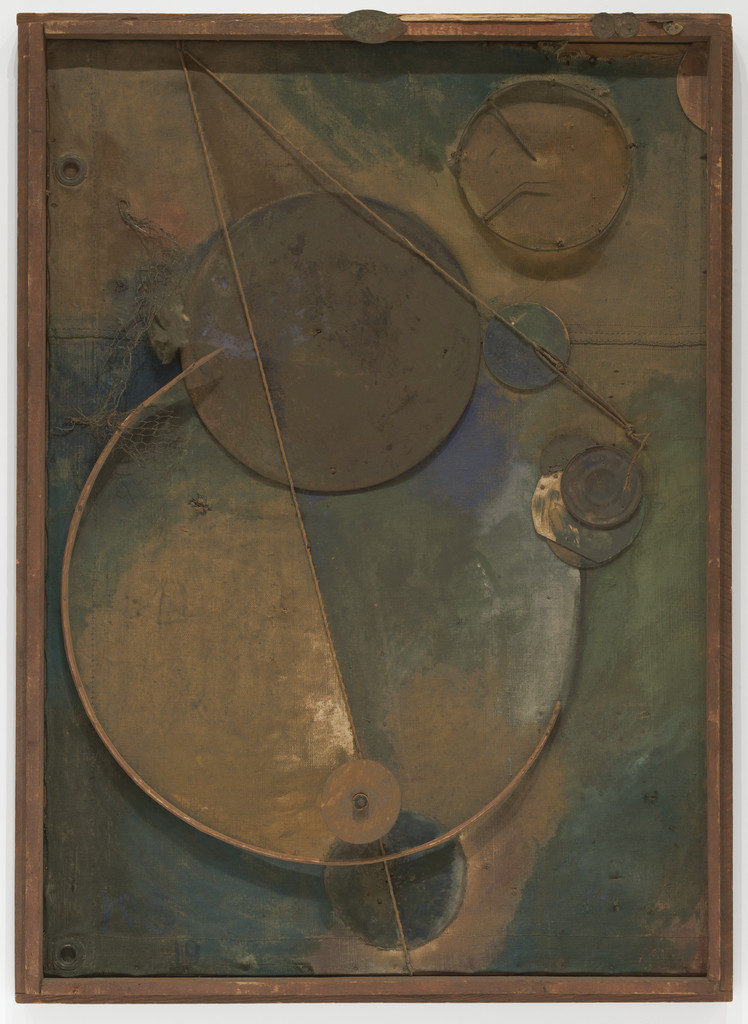
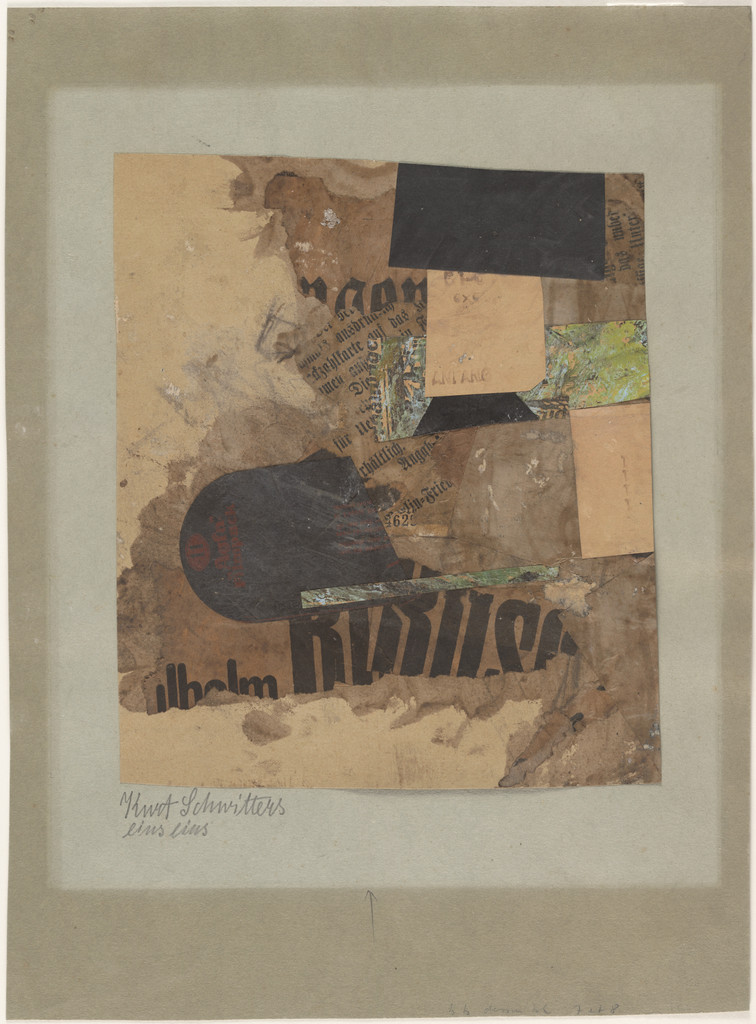
Merz 30, 7
Can I see it?
Not on view at present
Where is “Merz 30, 7” now? Collection: National Gallery of Art, Washington, D.C. Not on view at present. Checked September 29, 2026.

Washington, D.C., United States
It belongs to the collection, but is not on display at present.
- Checked
- In this state since
- Source
- The museum
Details
- Accession number
- 2021.83.1
In the catalog
Sources
- National Gallery of Art
- Image: National Gallery of Art — © the artist or rights holder
In the life of Kurt Schwitters
The whole life1920s
Lecture and recital tours across Europe
Together with other members of the international avant-garde — Jean Arp, Raoul Hausmann and Tristan Tzara — he organises and takes part in tours of provocative evening recitals and lectures in Czechoslovakia, the Netherlands and Germany.
1923–1932
Publishes the periodical ‘Merz’
The periodical appears from 1923 to 1932, each issue devoted to a central theme: no. 5 (1923) is a portfolio of prints by Jean Arp, and double issue 8/9 (1924) is edited and typeset by El Lissitzky, whose friendship proves particularly influential and brings Schwitters’s pictures closer to Constructivism. In all, 21 issues appeared; by numbering, the last is no. 24.
14 February 1925
First performance of the ‘Ursonate’
He performs the ‘Ursonate’ for the first time at the home of Irmgard Kiepenheuer in Potsdam, then performs it regularly, developing and extending it; in 1932 he publishes the notation in the last ‘Merz’ (no. 24, typography by Jan Tschichold) and continues to develop the piece for at least ten more years.
1927
Experiments with a phonetic alphabet
He works on a new, more phonetic alphabet, in the spirit of the typographic experiments of Herbert Bayer and Jan Tschichold; some of his types are cast and used in his work.
1929–1934
Official typographer to the city council
From 1929 to 1934 he is the official typographer to Hanover town council; by the late 1920s he is a well-known typographer (his best-known work is the catalogue for the Dammerstock estate in Karlsruhe) and a member of the Deutscher Werkbund. In 1934 he loses his contract with the council.



![Ginevra de' Benci [obverse], Leonardo da Vinci, c. 1474/1478](https://api.nga.gov/iiif/8f29e3c9-a289-4d53-abf0-31a66e9e98fa/full/!2400,2400/0/default.jpg)
![Wreath of Laurel, Palm, and Juniper with a Scroll inscribed Virtutem Forma Decorat [reverse], Leonardo da Vinci, c. 1474/1478](https://api.nga.gov/iiif/ff62e8d0-45c4-498f-ad36-6358de827e04/full/!2400,2400/0/default.jpg)


