Dorothea LangeAmerican, 1895–1965
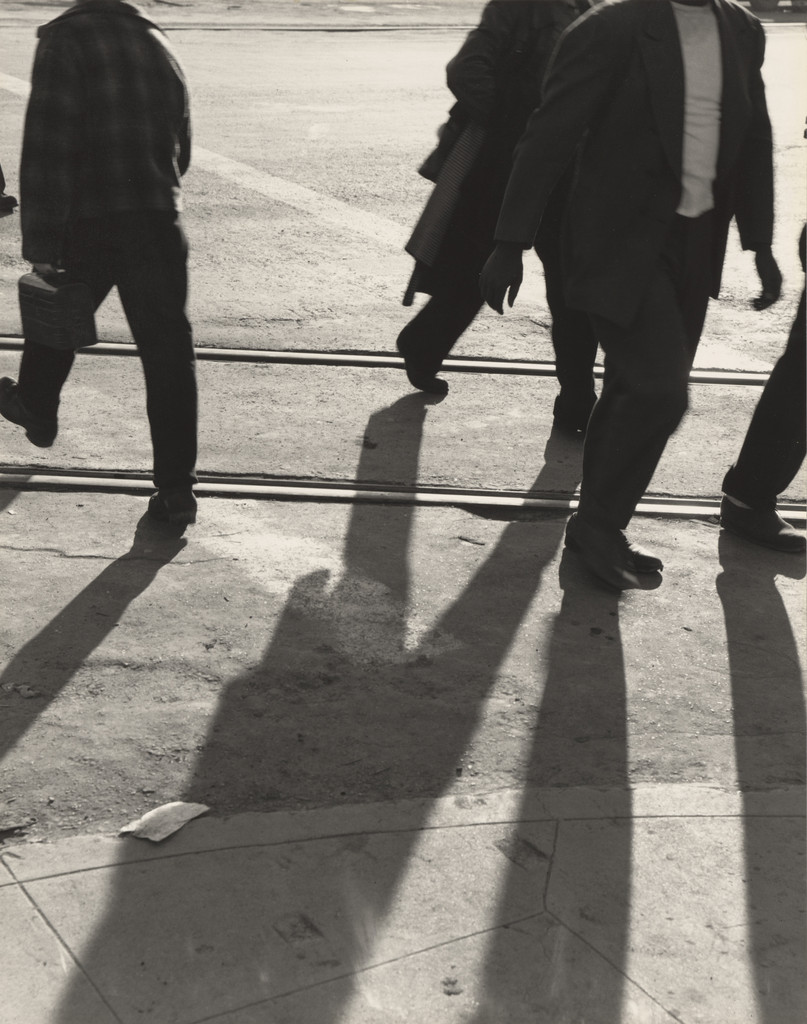
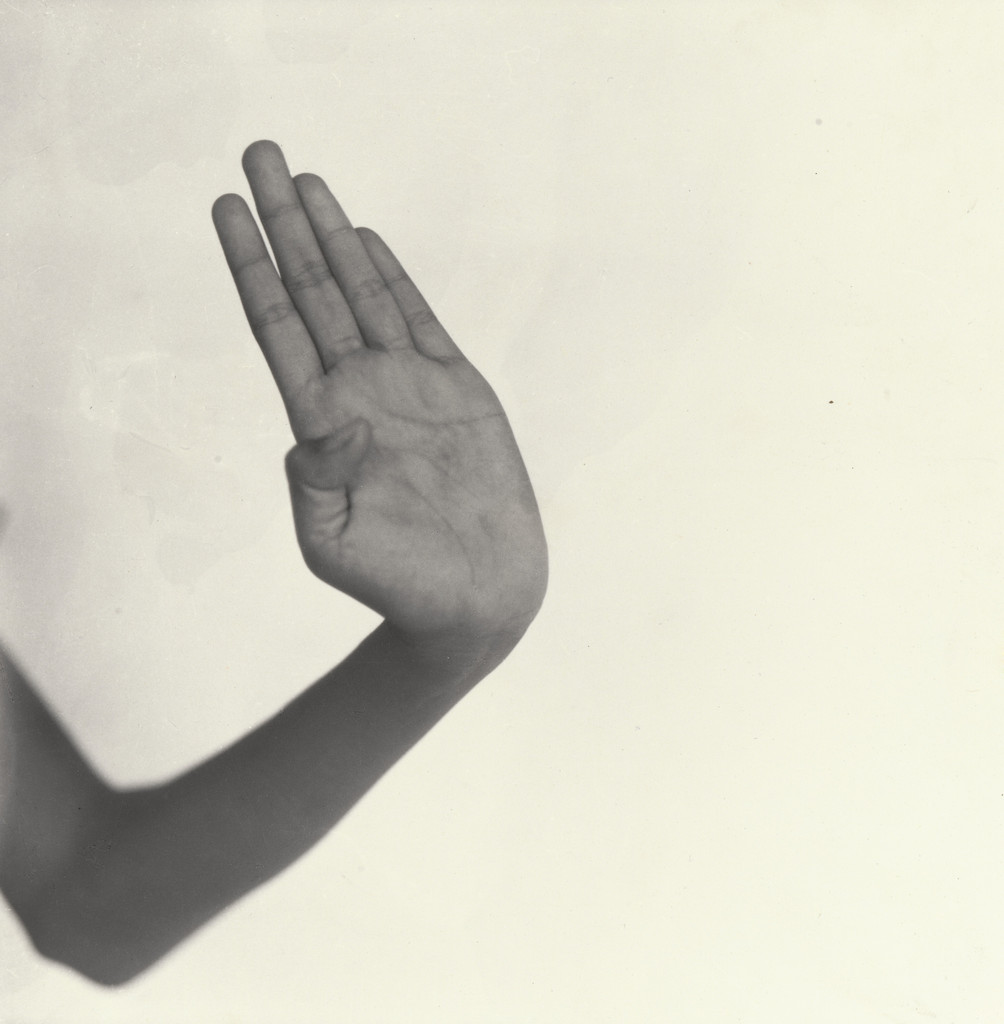
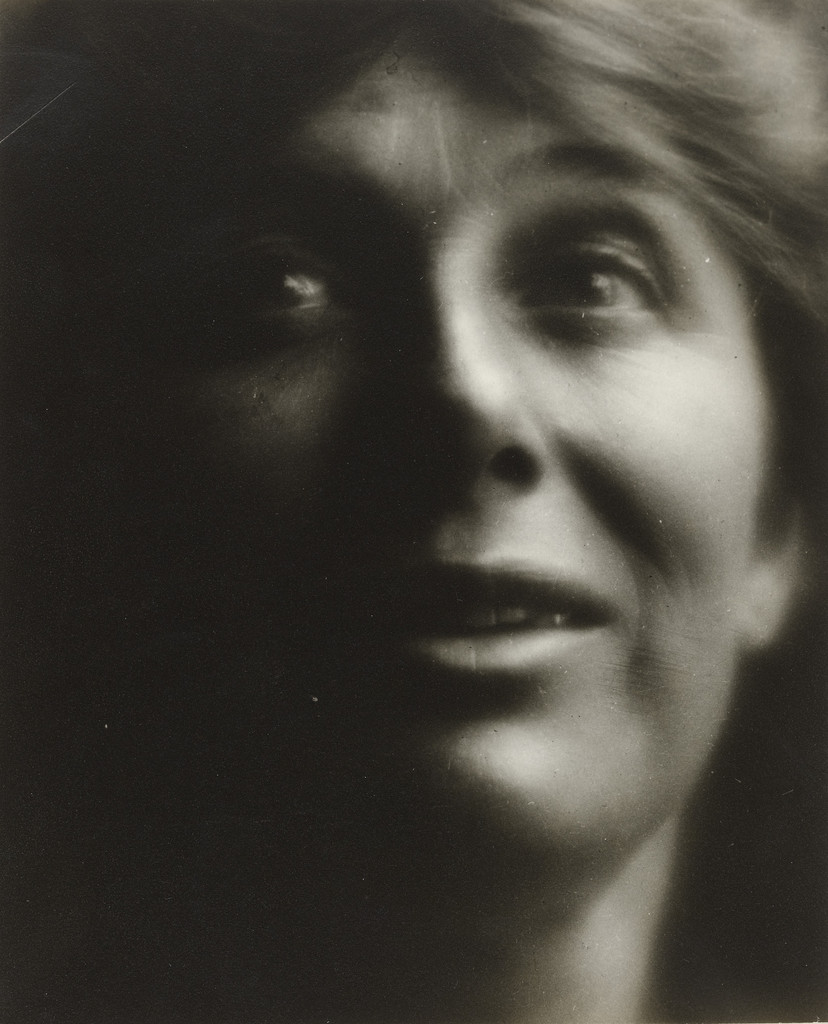
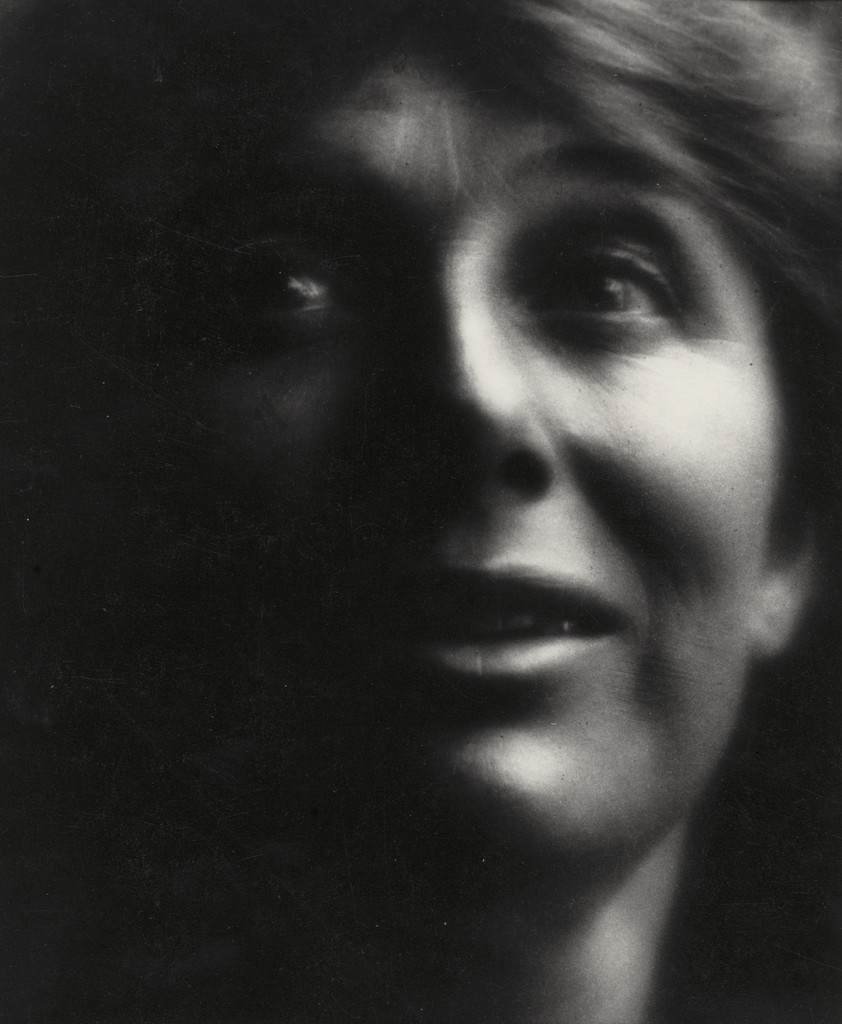
Maynard and Dan Dixon
Can I see it?
Not on view at present
Where is “Maynard and Dan Dixon” now? Collection: National Gallery of Art, Washington, D.C. Not on view at present. Checked September 29, 2026.

Washington, D.C., United States
It belongs to the collection, but is not on display at present.
- Checked
- In this state since
- Source
- The museum
Details
- Accession number
- 2016.191.60
What it shows
In the catalog
Sources
- National Gallery of Art
- Image: National Gallery of Art — © the artist or rights holder
In the life of Dorothea Lange
The whole life1933
Leaves the studio for the streets
For fifteen years her portrait studio supported her family, with San Francisco’s social elite as her sitters; but during the Great Depression Lange left the studio for the streets and roads of California to document the lives of the unemployed and the homeless, and found her calling as a documentary photographer.
28 October 1935
Divorce from Maynard Dixon
Lange and Dixon divorced on 28 October 1935, and on 6 December she married Paul Schuster Taylor, a professor of economics at the University of California, Berkeley.
1936
Nipomo: aid is sent to the camp after her photographs
On her way home from weeks of shooting, Lange drove past a camp of pea-pickers at Nipomo, turned back and made five exposures of a woman with her children, Florence Owens Thompson. She showed the pictures to a San Francisco newspaper editor, who informed the federal authorities and published an article, and the government rushed aid to the camp to prevent starvation.
1941–1942
Gives up her Guggenheim Fellowship for the WRA
In 1941 Lange became the first woman to win a Guggenheim Fellowship for photography, but after the attack on Pearl Harbor she gave it up to work for the War Relocation Authority (WRA), documenting the forced evacuation of Japanese Americans from the US West Coast.
c. 1942
Photographing the removal of Japanese Americans: Manzanar
Lange travelled through the towns and countryside of California photographing families that the government ordered out of their homes; she visited several temporary assembly centres as they opened and settled on Manzanar, the first of the permanent camps, in eastern California about 300 miles from the coast. The authorities impounded most of these photographs, and they were not seen publicly during the war.
11 October 1965
Died



![Ginevra de' Benci [obverse], Leonardo da Vinci, c. 1474/1478](https://api.nga.gov/iiif/8f29e3c9-a289-4d53-abf0-31a66e9e98fa/full/!2400,2400/0/default.jpg)
![Wreath of Laurel, Palm, and Juniper with a Scroll inscribed Virtutem Forma Decorat [reverse], Leonardo da Vinci, c. 1474/1478](https://api.nga.gov/iiif/ff62e8d0-45c4-498f-ad36-6358de827e04/full/!2400,2400/0/default.jpg)