ART WIKI32,963 on view
MapCollectionArtistsMuseumsExhibitionsJournal
Sign in

ART WIKI

Where the masterpiece hangs, and when they let you in.

Collections: Art Institute of Chicago, Getty Villa, Harvard Art Museums, Hirshhorn Museum and Sculpture Garden, J. Paul Getty Museum, Minneapolis Institute of Art, Musée du Louvre, National Gallery of Art, National Museum of Asian Art, National Portrait Gallery (Smithsonian), Pushkin State Museum of Fine Arts, Rijksmuseum, Smithsonian American Art Museum, SMK — National Gallery of Denmark, State Hermitage Museum, State Russian Museum, The Cleveland Museum of Art, The Metropolitan Museum of Art, The Museum of Modern Art, Tretyakov Gallery, Victoria and Albert Museum, Whitney Museum of American Art, State Catalogue of the Museum Fund of Russia (274 museums), Europeana (19 museums), Wikidata (6 museums), Paris Musées (12 museums), and Joconde, the French Ministry of Culture's museum database (495 museums). Images belong to their rights holders.

Sections

  • Map
  • Search
  • Collection
  • Masterpieces
  • On view now
  • Artists

More

  • Museums & galleries
  • Exhibitions
  • Journal
  • Where the data comes from
  • Privacy & cookies
HomeMapBrowse
  1. Collection/
  2. Minneapolis Institute of Art/
  3. Marcus Curtius
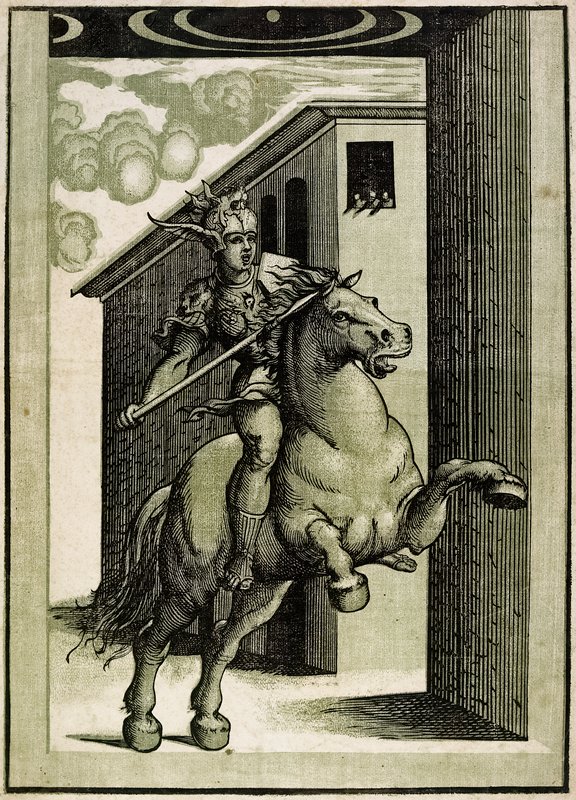
Marcus Curtius, Attributed to Nicolò Boldrini, c. 1540
AAttributed to Nicolò BoldriniItalian

Marcus Curtius

c. 1540 · Print · 40.96 × 29.21 cm

May one see it?

Not receiving at present

Minneapolis Institute of Art

Minneapolis, United States

It belongs to the collection, but is not on display at present.

Checked
3 days ago
In this state since
Sep 25, 2026
Source
The museum
On the mapMuseum page

About the work

According to legend, an oracle predicted that ancient Rome would fall unless the city sacrificed its dearest possession to the gods. Suddenly a gaping hole opened in the ground of the Forum, threatening to swallow up even the greatest of its monuments. Frightened, the city’s leaders could not think of what to offer. Finally, Marcus Curtius, a young soldier, cried out that nothing was more valuable to Rome than its brave warriors. With that he spurred his horse, which leapt into the chasm. The earth closed over the courageous young rider, and the city was saved.

This is a chiaroscuro (light and dark) woodcut, an early form of color printing meant to re-create the effect of drawings made with washes of diluted ink.

Minneapolis Institute of Art

Particulars

Accession number
P.68.104

In the catalog

PrintsWoodcutRenaissance16th centuryItaly

Sources

  • Minneapolis Institute of Art
  • Image: Minneapolis Institute of Art — public domain
Neighbors at Minneapolis Institute of Art

Museum page
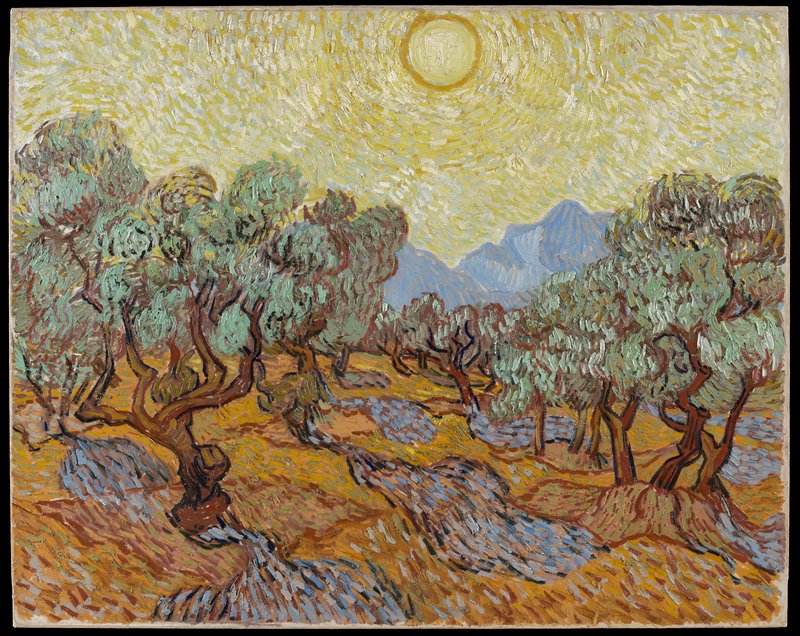
Olive Trees, Vincent van Gogh, 1889

Vincent van Gogh

Olive Trees, 1889

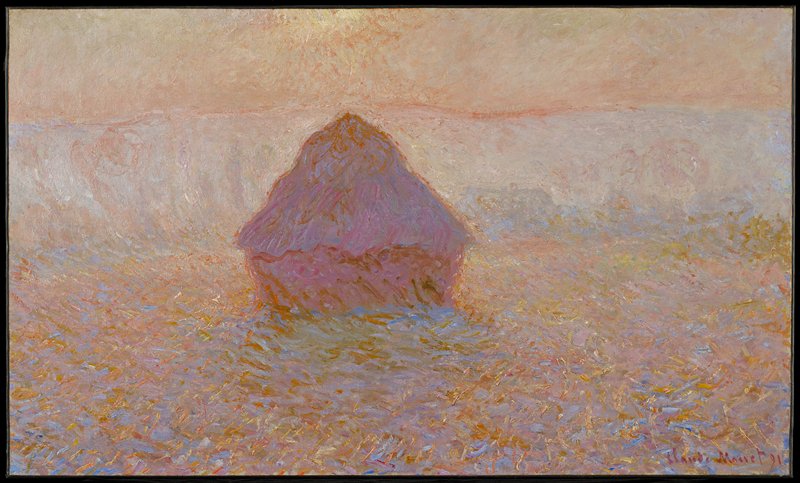
Grainstack, Sun in the Mist, Claude Monet, 1891

Claude Monet

Grainstack, Sun in the Mist, 1891

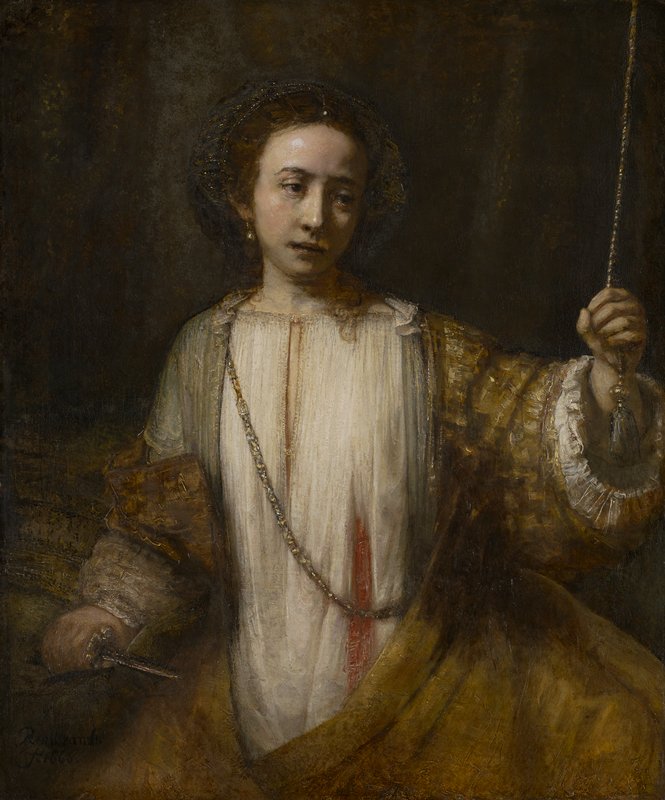
Lucretia, Rembrandt van Rijn, 1666

Rembrandt van Rijn

Lucretia, 1666

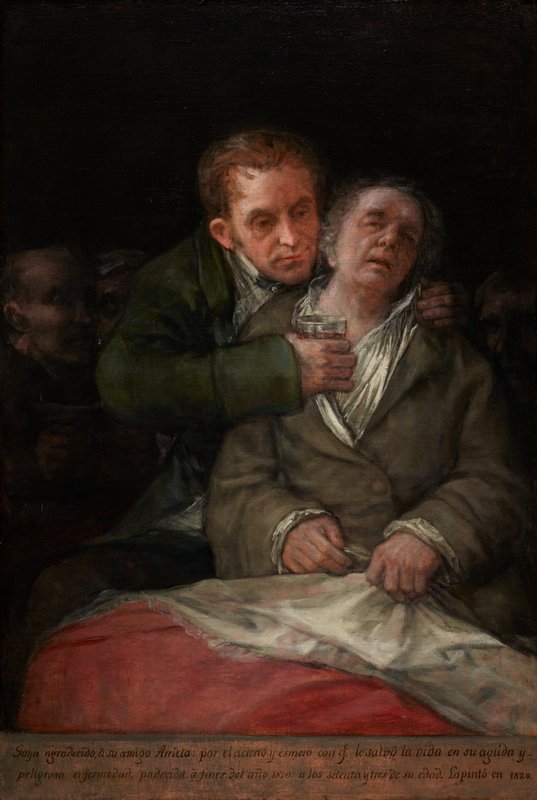
Self-Portrait with Dr. Arrieta, Francisco José de Goya y Lucientes, 1820

Francisco de Goya

Self-Portrait with Dr. Arrieta, 1820

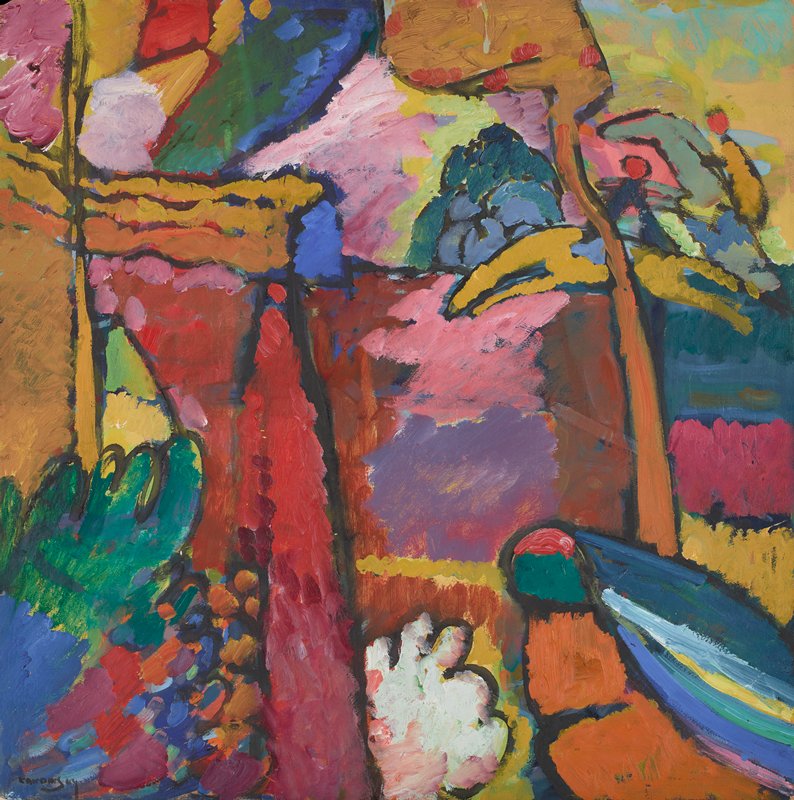
Study for Improvisation V, Vassily Kandinsky, 1910

Vasily Kandinsky

Study for Improvisation V, 1910

Tahitian Landscape, Paul Gauguin, 1891

Paul Gauguin

Tahitian Landscape, 1891

Chestnut Trees at Jas de Bouffan, Paul Cézanne, c. 1885–86

Paul Cézanne

Chestnut Trees at Jas de Bouffan, c. 1885–86

The Union of England and Scotland (Charles I as the Prince of Wales), Peter Paul Rubens, 1633–34

Peter Paul Rubens

The Union of England and Scotland (Charles I as the Prince of Wales), 1633–34