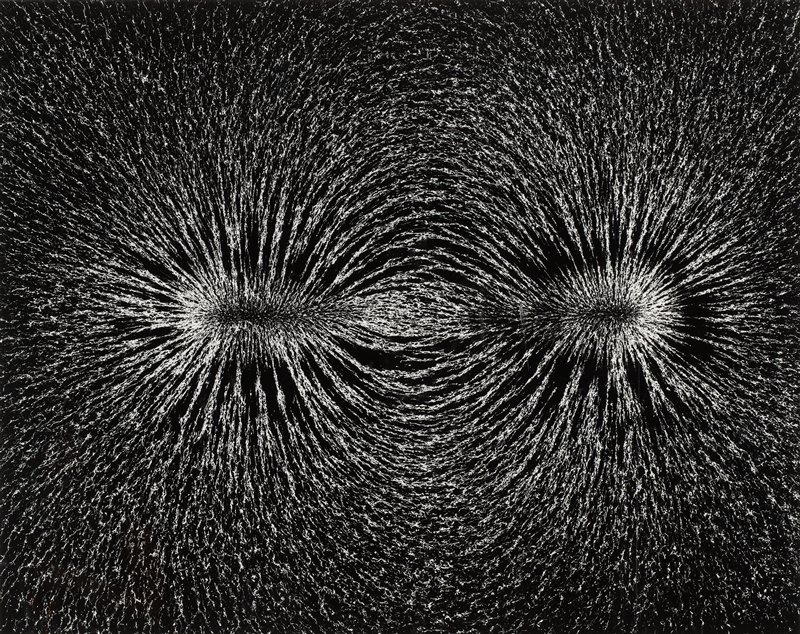
 Berenice AbbottAmerican, 1898–1991
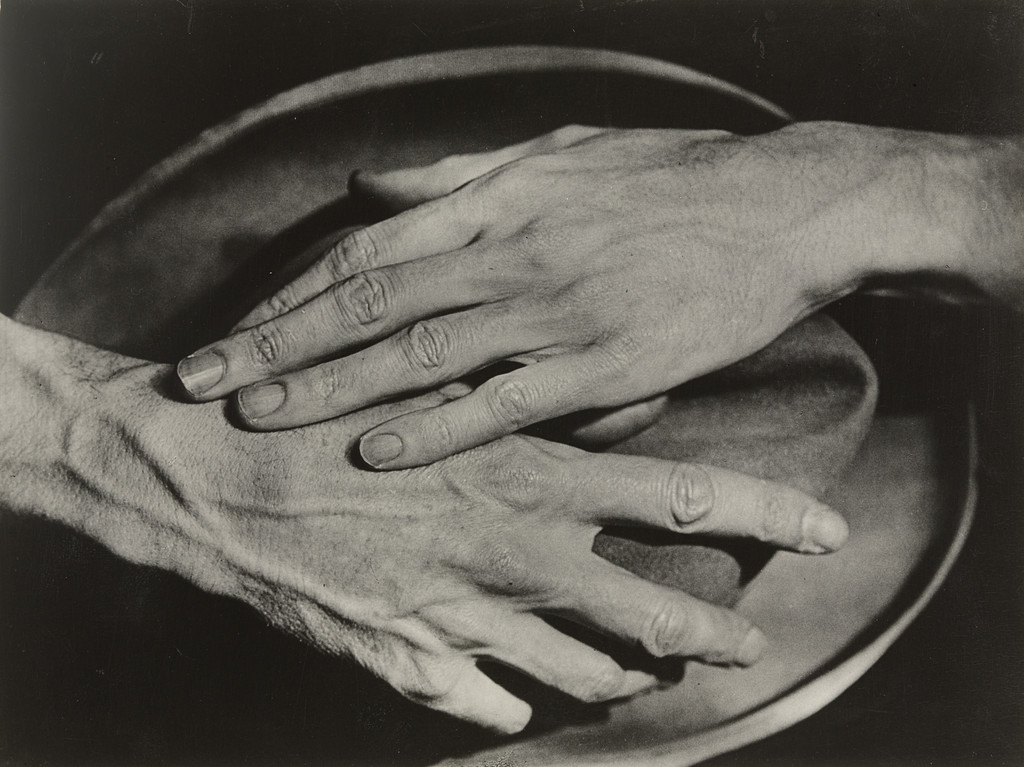
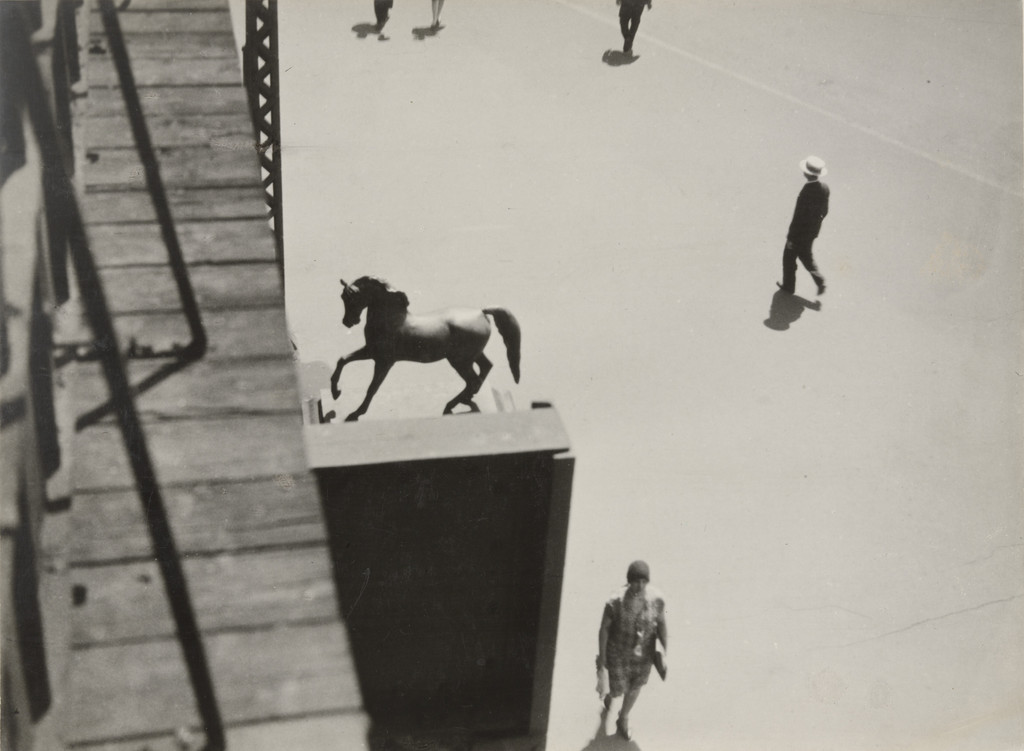
Magnetic Field
May one see it?
Not receiving at present

Minneapolis, United States
It belongs to the collection, but is not on display at present.
- Checked
- In this state since
- Source
- The museum
Particulars
- Accession number
- 86.108.12
In the catalog
Sources
- Minneapolis Institute of Art
- Image: Minneapolis Institute of Art — © Berenice Abbott
Meanwhile, in the life of Berenice Abbott
The whole life1917–1918 · Education
Ohio State University
1921 · Education
Académie de la Grande Chaumière
1923
Becomes Man Ray’s assistant
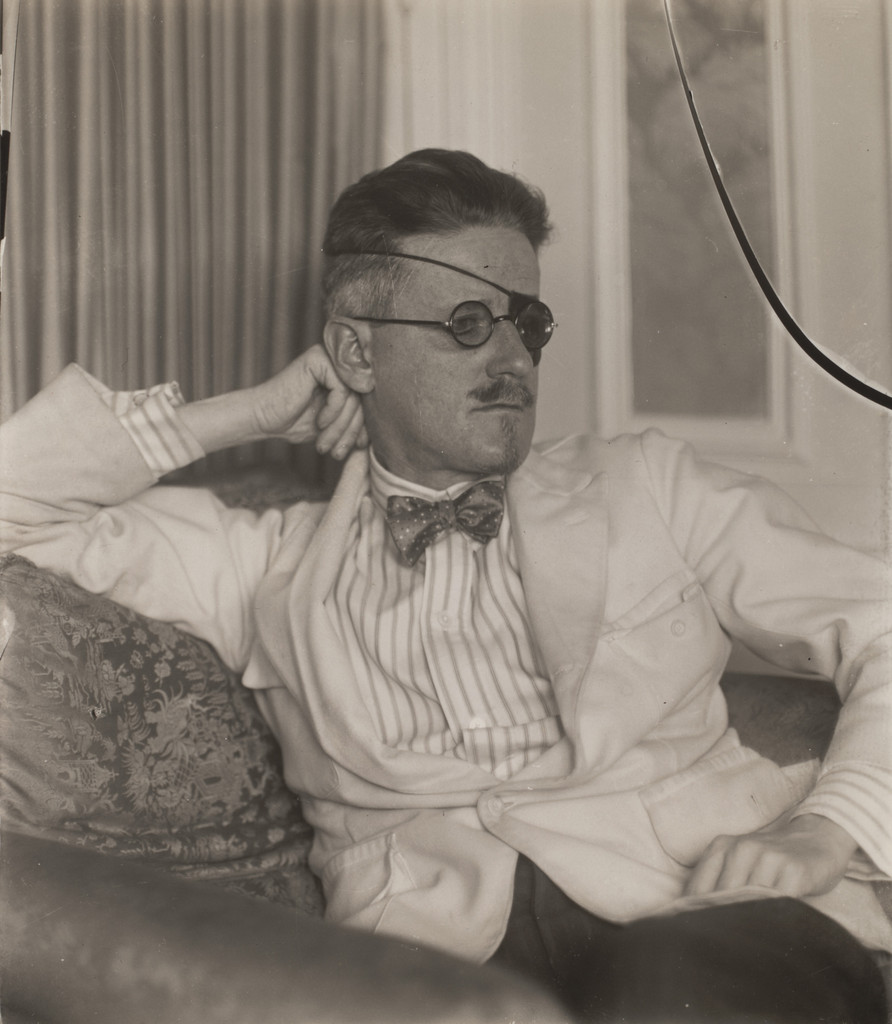
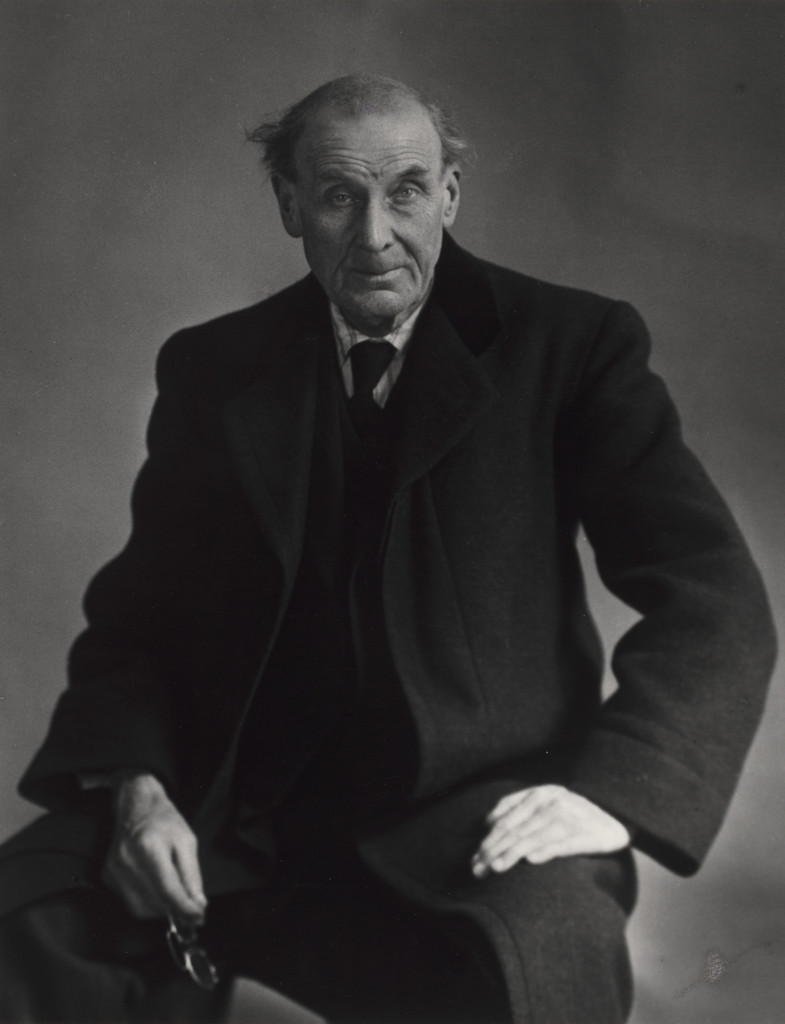
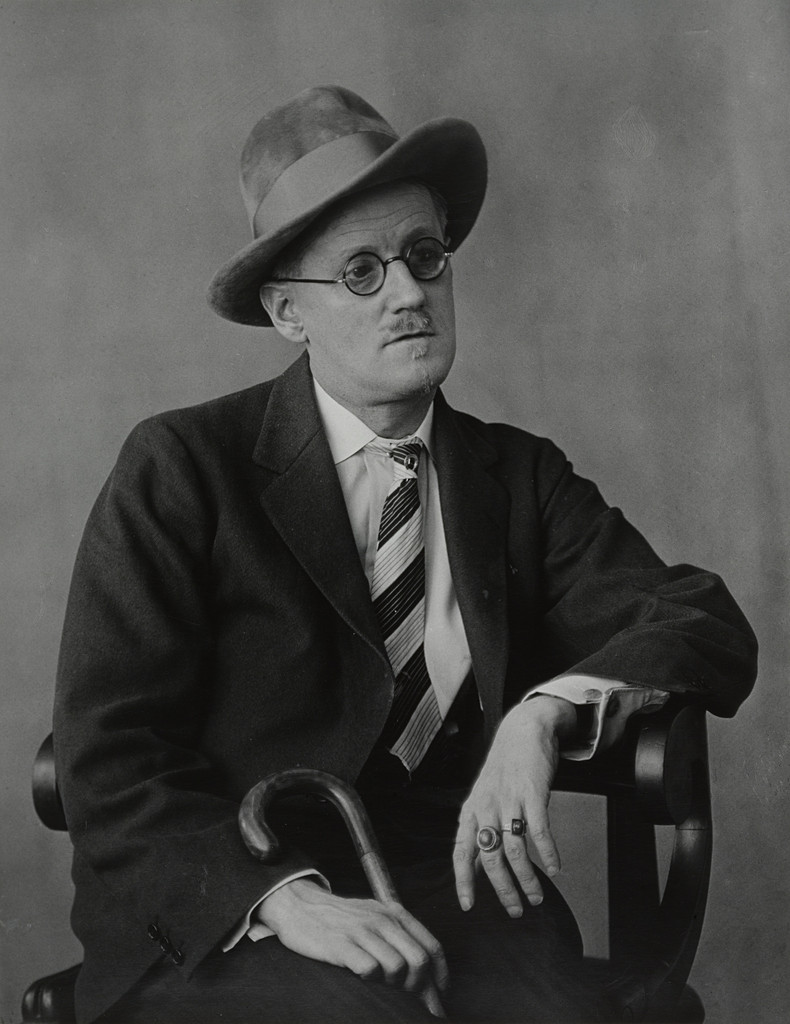
Man Ray hires her as a darkroom assistant at his portrait studio in Montparnasse, wanting someone with no previous knowledge of photography. Impressed by her darkroom work, he lets her use his studio to take her own photographs, including revealing portraits of his fellow artists; she later says she took to photography like a duck to water and never wanted to do anything else.
June 1928
Buys the remainder of Atget’s archive
The government has already acquired much of Atget’s archive — he had sold 2,621 negatives in 1920, and his friend and executor André Calmettes sold 2,000 more immediately after his death; in June 1928 Abbott buys the remainder and quickly starts work on its promotion. Because of a lack of funding she has to sell a one-half interest in the collection to Julien Levy for $1,000.
September 1929
Closes her Paris studio and returns to New York
Back in Paris she closes up her studio and in September 1929 returns to New York, where over the next decade she focuses on documentary photography and on portraying the city as it transforms into a modern metropolis. She brings over a large part of Atget’s archive; her first photographs are taken with a hand-held Kurt-Bentzin camera, soon replaced by a Century Universal producing 8 × 10-inch negatives.
1937
“Changing New York” exhibition at the Museum of the City of New York
Her first exhibition in New York (other accounts place an exhibition at this museum as early as 1934) becomes her best-known project. The photographs depict the city’s physical transformation, including changes to its neighbourhoods and the replacement of low-rise buildings with skyscrapers.