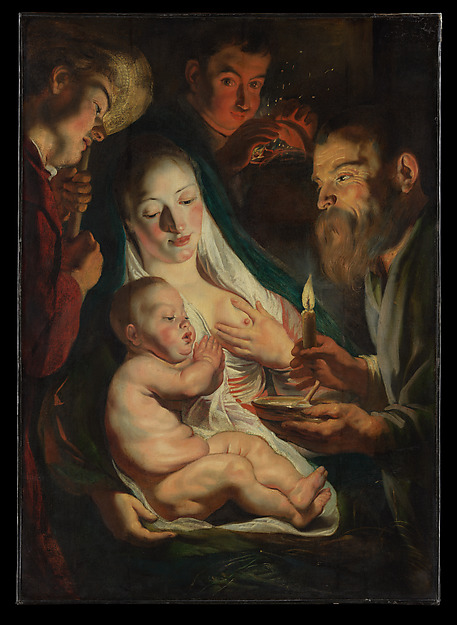
 Jacques JordaensFlemish, 1593–1678
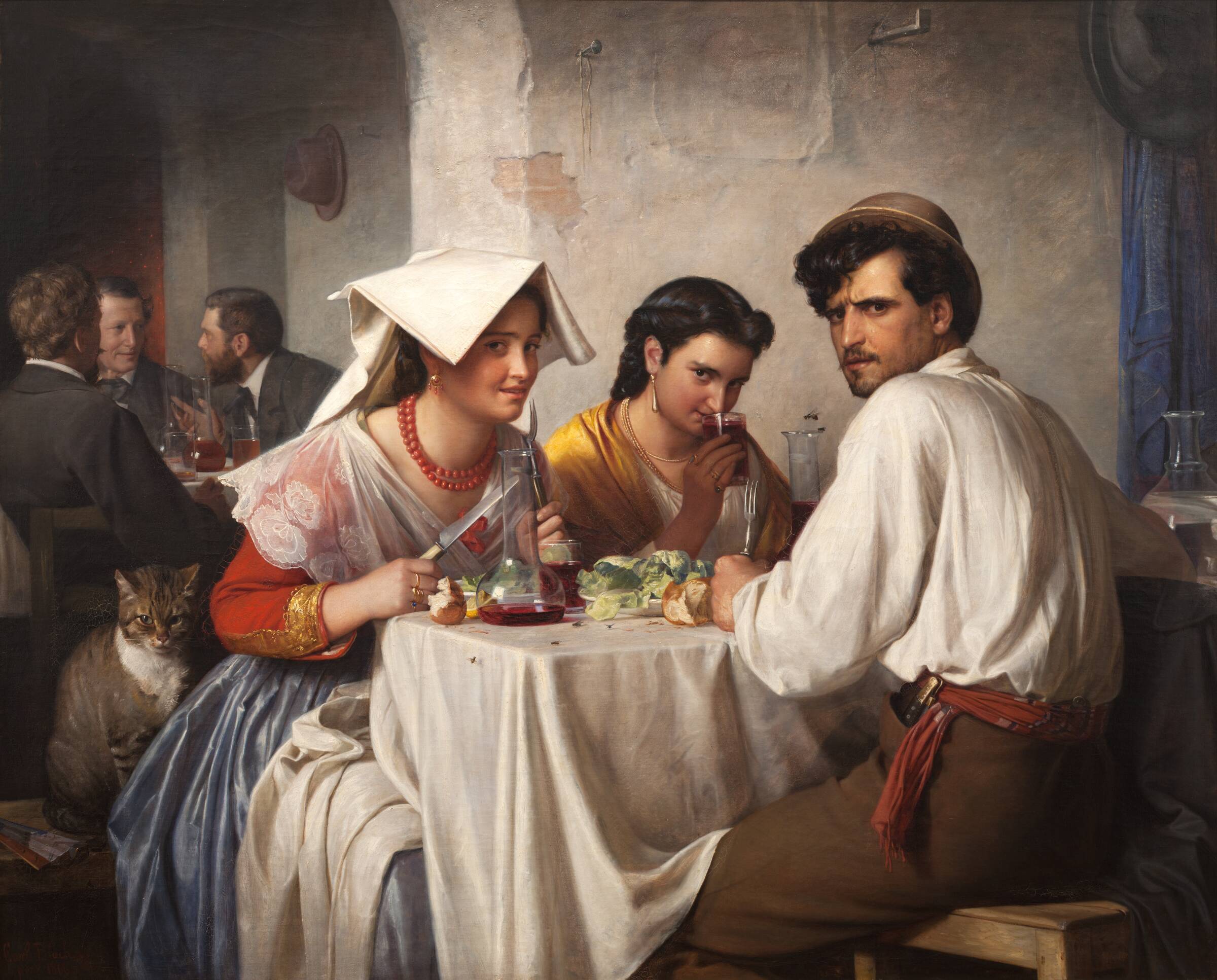
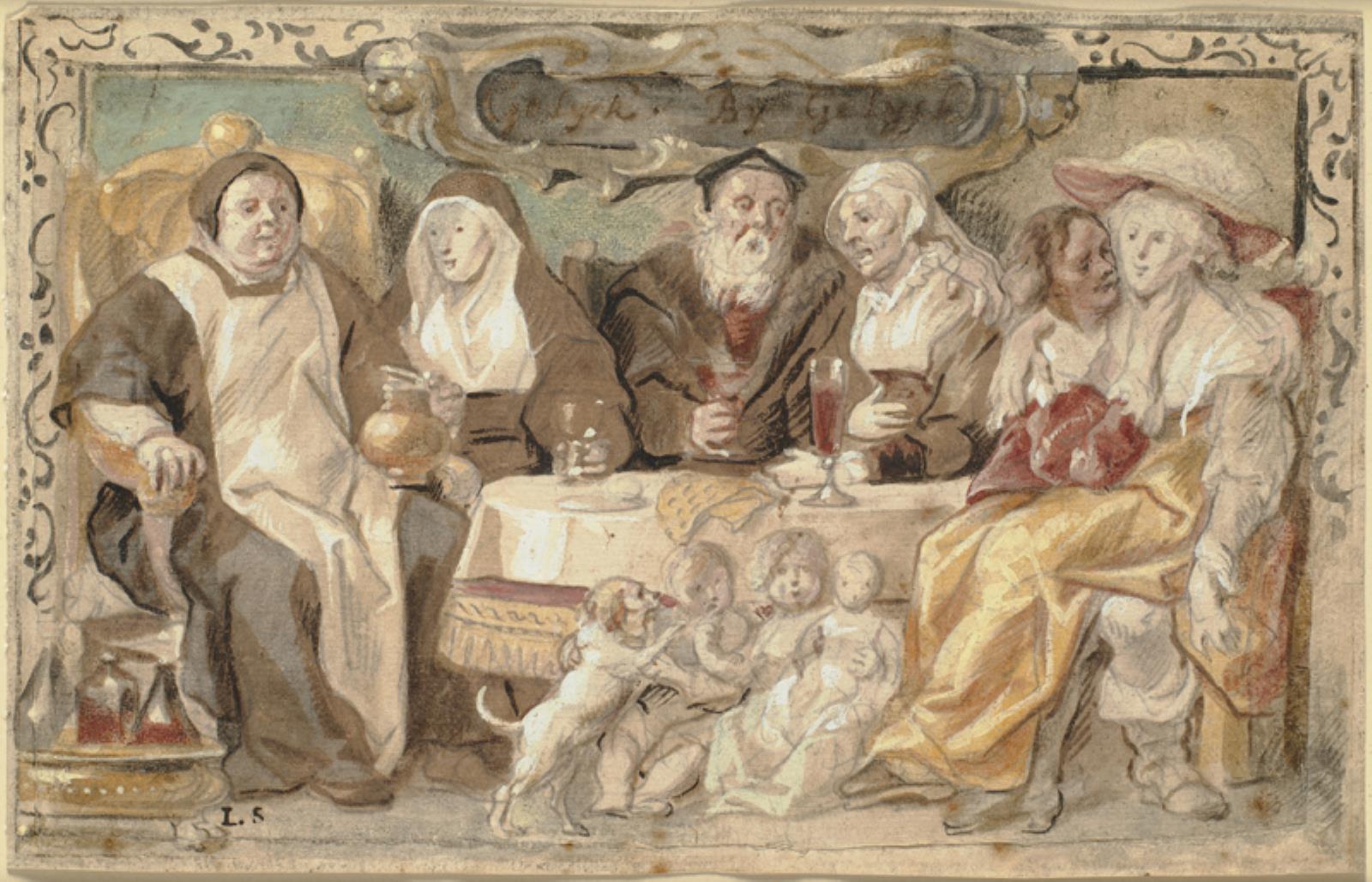
Lige børn leger bedst
Can I see it?
Not on view at present
Where is “Lige børn leger bedst” now? Collection: SMK — National Gallery of Denmark, Copenhagen. Not on view at present. Checked September 29, 2026.

Copenhagen, Denmark
It belongs to the collection, but is not on display at present.
- Checked
- In this state since
- Source
- The museum
Details
- Accession number
- KKSgb7077
In the catalog
Sources
- SMK
- Image: SMK — National Gallery of Denmark — public domain
In the life of Jacques Jordaens
The whole life1621–1667
His workshop: fifteen pupils in the guild records
Between 1621 and 1667 the guild registered fifteen pupils with Jordaens (the best known being Jan Boeckhorst), and six more are named in court documents; his son Jacob and his cousin Arnoldus also trained with him. His fame drew foreigners: after 1642 the Polish painter Aleksander Jan Tricius became his pupil, and in 1645 Queen Christina of Sweden meant to send her protégé Georg Waldau, but the threat of war in Flanders prevented it.
1637–1638
Paintings for Philip IV's hunting lodge
In 1636 Rubens received a commission for a mythological series after Ovid's Metamorphoses for the Torre de la Parada near Madrid and enlisted Antwerp painters. Jordaens painted “Apollo and Pan” (1637, after a sketch by Rubens) and “Vertumnus and Pomona” (1638).
1639
Buys “De Halle van Lier” and rebuilds his home
Jordaens bought the large house “De Halle van Lier” (“Turnhoutsche Halle”) at Hoogstraat 43, opposite his home, and turned the three houses into one large complex: he designed the façades of the inner courtyard in the manner of Rubens's house and decorated the rooms with sculpture, carpets and fine furniture. He lived and worked there until his death.
1639–1640
Charles I's commission: “The Story of Cupid and Psyche”
Through the English king's agent in Brussels, Balthazar Gerbier, and the diplomat Cesare Alessandro Scaglia, Jordaens received a commission for 22 paintings for the Queen's House at Greenwich without knowing the patron or the destination; when Rubens, Gerbier's preferred choice, died on 30 May 1640, the whole commission passed to Jordaens. But Scaglia died in May 1641, only eight paintings reached the English court, and a dispute with his heirs over payment for seven of them dragged on into the next generation.
1640–1641
After Rubens's death, Antwerp's leading painter
With the deaths of Rubens in 1640 and van Dyck in 1641, Jordaens became the leading painter of Antwerp, and commissions came increasingly from abroad; Rubens's heirs asked him to finish “Perseus and Andromeda” for Philip IV. He never became a court painter: he worked mainly for wealthy townspeople and the clergy.
1645
Converts to Calvinism
Raised a Catholic, Jordaens converted to Calvinism (other accounts say only that this was towards the end of his life), yet the Catholic Church went on commissioning altarpieces from him. He belonged to the Protestant community De Brabantse Olijfberg and towards the end of his life opened his house for private services.