ART WIKI33,040 on view
MapCollectionArtistsMuseumsExhibitionsJournal
Sign in

ART WIKI

Where the masterpiece hangs, and when they let you in.

Collections: Art Institute of Chicago, Getty Villa, Harvard Art Museums, Hirshhorn Museum and Sculpture Garden, J. Paul Getty Museum, Minneapolis Institute of Art, Musée du Louvre, National Gallery of Art, National Museum of Asian Art, National Portrait Gallery (Smithsonian), Pushkin State Museum of Fine Arts, Rijksmuseum, Smithsonian American Art Museum, SMK — National Gallery of Denmark, State Hermitage Museum, State Russian Museum, The Cleveland Museum of Art, The Metropolitan Museum of Art, The Museum of Modern Art, Tretyakov Gallery, Victoria and Albert Museum, Whitney Museum of American Art, State Catalogue of the Museum Fund of Russia (274 museums), Europeana (19 museums), Wikidata (6 museums), Paris Musées (12 museums), and Joconde, the French Ministry of Culture's museum database (495 museums). Images belong to their rights holders.

Sections

  • Map
  • Search
  • Collection
  • Masterpieces
  • On view now
  • Artists

More

  • Museums & galleries
  • Exhibitions
  • Journal
  • Where the data comes from
  • Privacy & cookies
HomeMapBrowse
  1. Collection/
  2. Musée du Louvre/
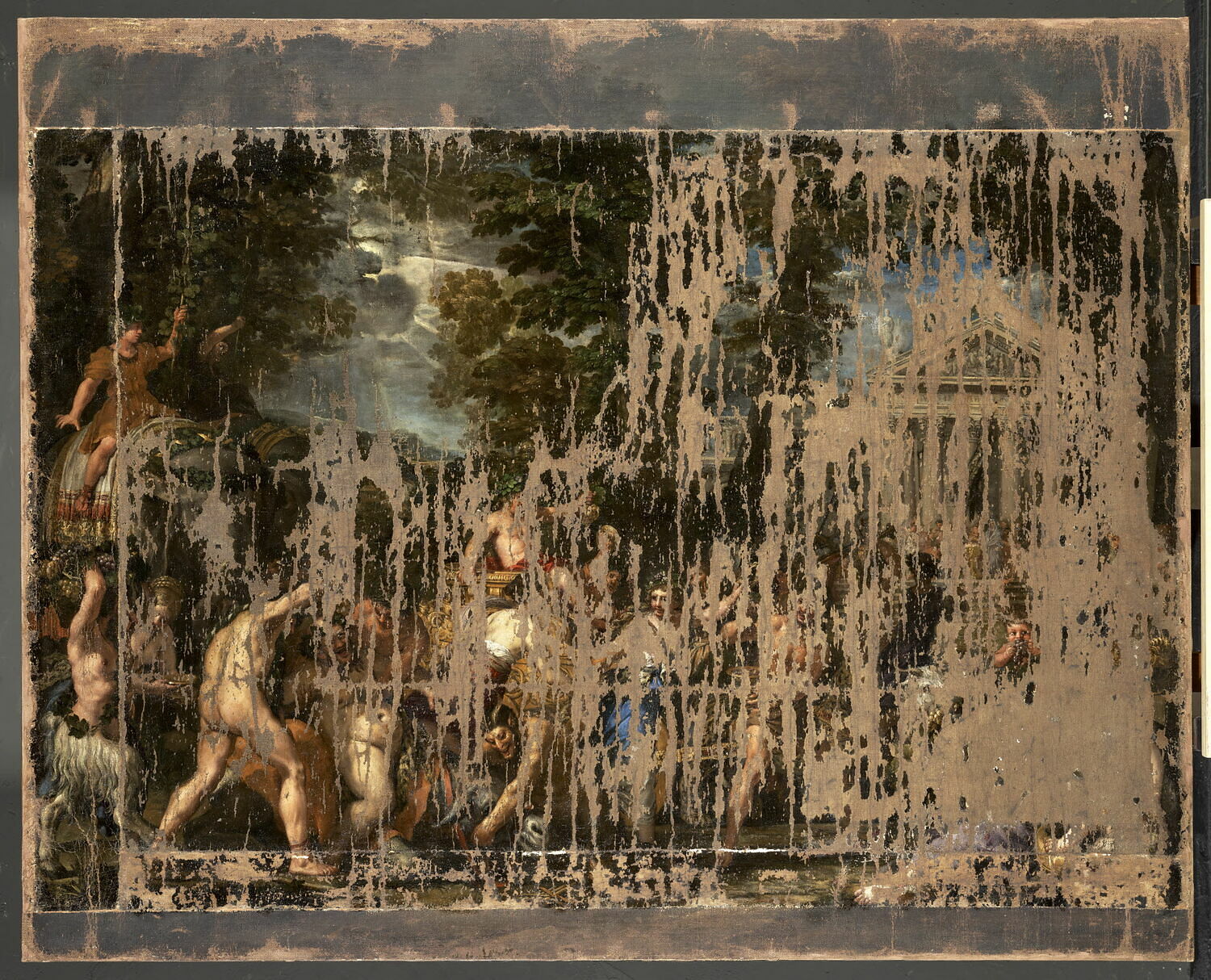
  3. Le Triomphe de Bacchus
Le Triomphe de Bacchus, Cortone, Pierre de, XVIIe siècle (1600 - 1700)
Pietro da Cortona, portraitPietro da CortonaItalian, 1596–1669

Le Triomphe de Bacchus

17th century (1600–1700) · Painting

May one see it?

Not receiving at present

Musée du Louvre

Paris, France

It belongs to the collection, but is not on display at present.

Checked
13 days ago
In this state since
Sep 26, 2026
Source
The museum
On the mapMuseum page

Particulars

Accession number
INV 7320

In the catalog

PaintingsOilItalian paintingBaroque17th century

Sources

  • Musée du Louvre
  • Image: Musée du Louvre — © 2020 GrandPalaisRmn (musée du Louvre) / Adrien Didierjean

Meanwhile, in the life of Pietro da Cortona

The whole life
  1. c. 1612

    A mason's son goes to Rome with his teacher

    In the Berrettini family the mason's trade passed from generation to generation, but Pietro began to study painting with the Florentine Andrea Commodi (in Florence, by some accounts) and at about fourteen went with him to Rome, in the years of Paul V, when the Curia was especially favourable to Tuscan artists. Some accounts give 1611–1612, others around 1612–1613.

  2. early 1620s

    Meets Marcello Sacchetti

    His acquaintance with the Marchese Marcello Sacchetti, later papal treasurer, proved decisive for his early career: it was his copy of Raphael's “Galatea” that caught Sacchetti's eye. For Sacchetti Pietro painted “The Sacrifice of Polyxena” and “The Triumph of Bacchus” (now in the Capitoline Museums), and through him he met the poet Giambattista Marino.

  3. c. 1626

    Meets Pope Urban VIII

    In the Sacchetti circle Pietro met Pope Urban VIII Barberini and his nephew Cardinal Francesco Barberini. The pope recognised his talent before others and became his chief patron; the Barberini tapestry works wove the series “The History of Alexander the Great” and “From the Life of Pope Urban VIII” after Cortona's designs.

  4. 8 January 1634

    Elected head of the Academy of Saint Luke

    Cortona was elected president of the Roman Academy of Saint Luke (he led it until 1638). By then he had a large workshop where pupils finished the details of big canvases; among them were Francesco Romanelli, Giovanni Maria Bottalla, Ciro Ferri and Guglielmo Cortese, known as il Borgognone.

  5. 1652

    A “Treatise on Painting and Sculpture” in code

    In Florence appeared the treatise “On Painting and Sculpture: Their Use and Abuse”, written with the Jesuit Giovanni Domenico Ottonelli; the authors' names were hidden in the anagram “Britio Prenetteri”. Cortona set out his ideas on the artist's method and the role of preparatory drawings, and the book was soon called “the Manifesto of the Baroque”.

  6. 16 May 1669

    Died

More by Pietro da Cortona

All works
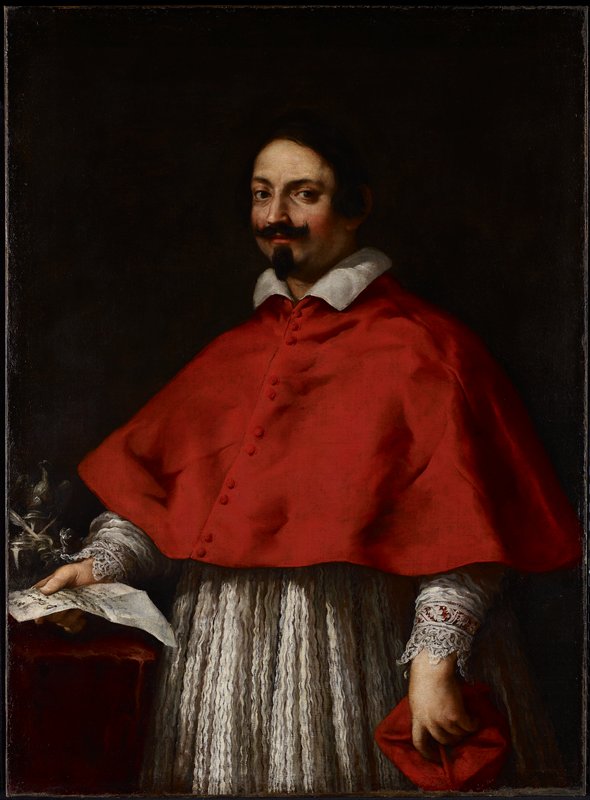
Portrait of Cardinal Pietro Maria Borghese, Pietro da Cortona, late 1620s–early 1630s

Portrait of Cardinal Pietro Maria Borghese

late 1620s–early 1630s · Minneapolis Institute of Art

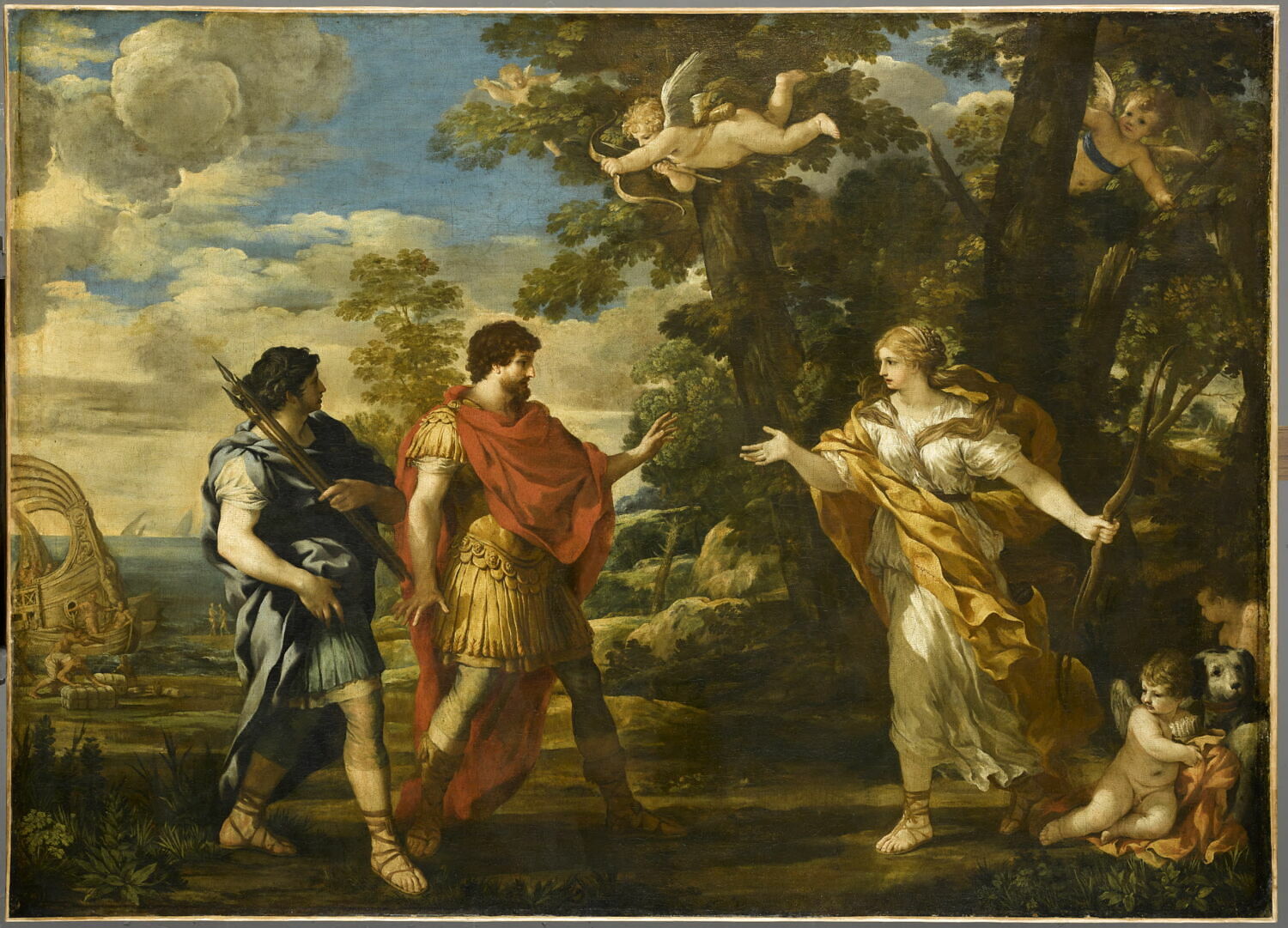
Vénus apparaissant à Énée, Cortone, Pierre de, 2e quart du XVIIe siècle (1625 - 1650)

Vénus apparaissant à Énée

second quarter of the 17th century (1625–1650) · Musée du Louvre

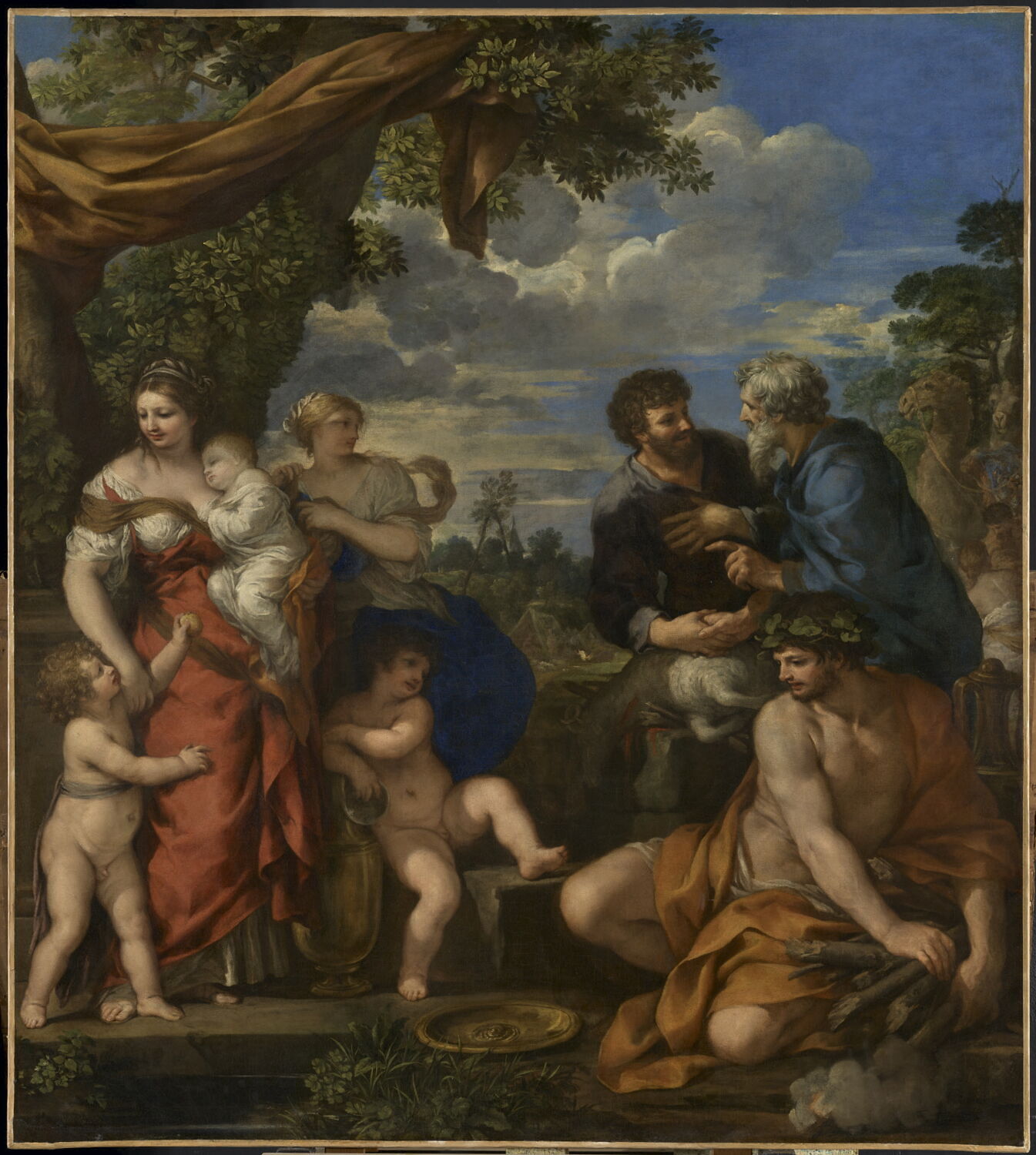
L'Alliance de Jacob et de Laban, Cortone, Pierre de, 2e quart du XVIIe siècle (1625 - 1650)

L'Alliance de Jacob et de Laban

second quarter of the 17th century (1625–1650) · Musée du Louvre

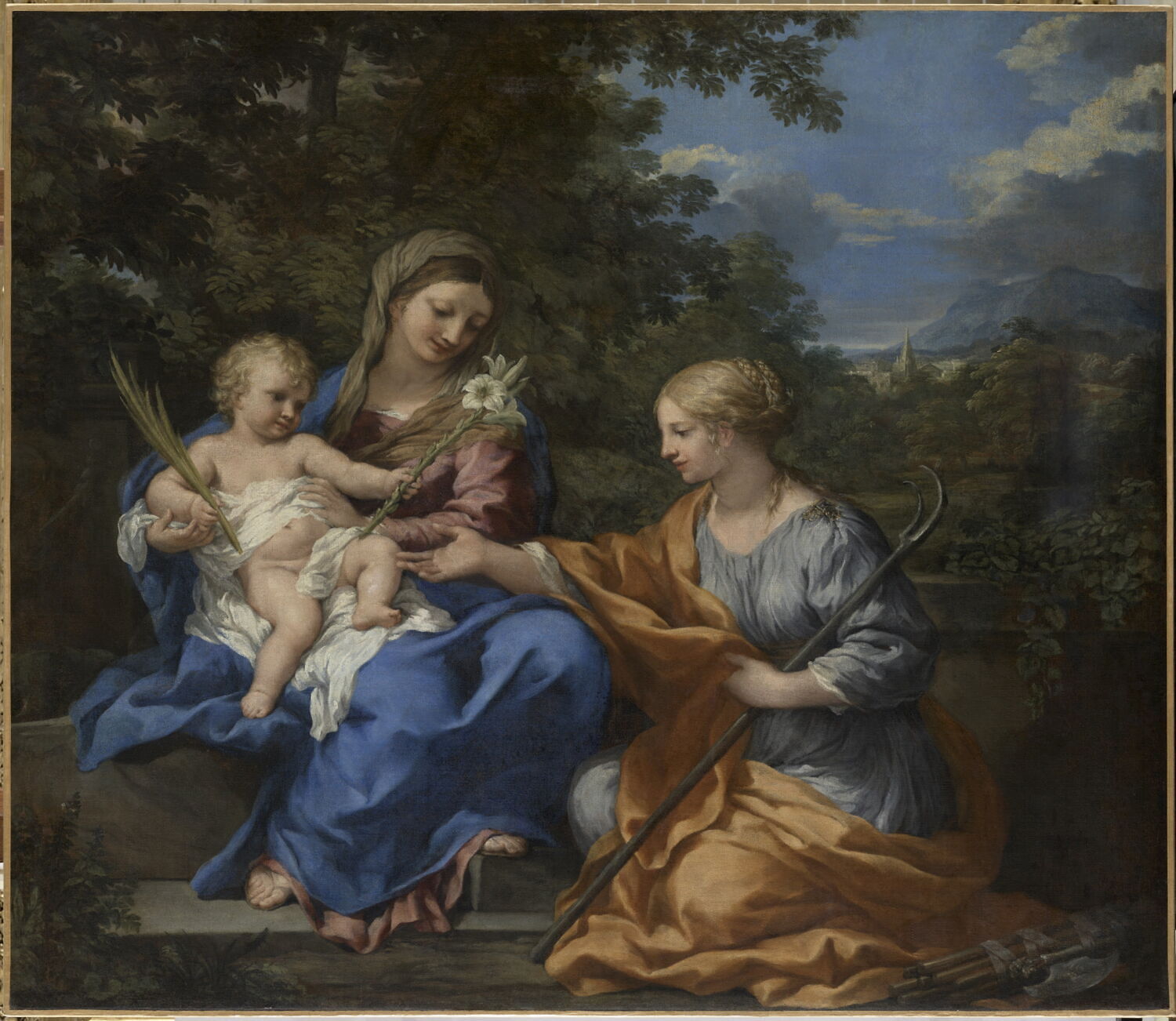
La Vierge à l'Enfant avec sainte Martine, Cortone, Pierre de, 2e quart du XVIIe siècle (1625 - 1650)

La Vierge à l'Enfant avec sainte Martine

second quarter of the 17th century (1625–1650) · Musée du Louvre

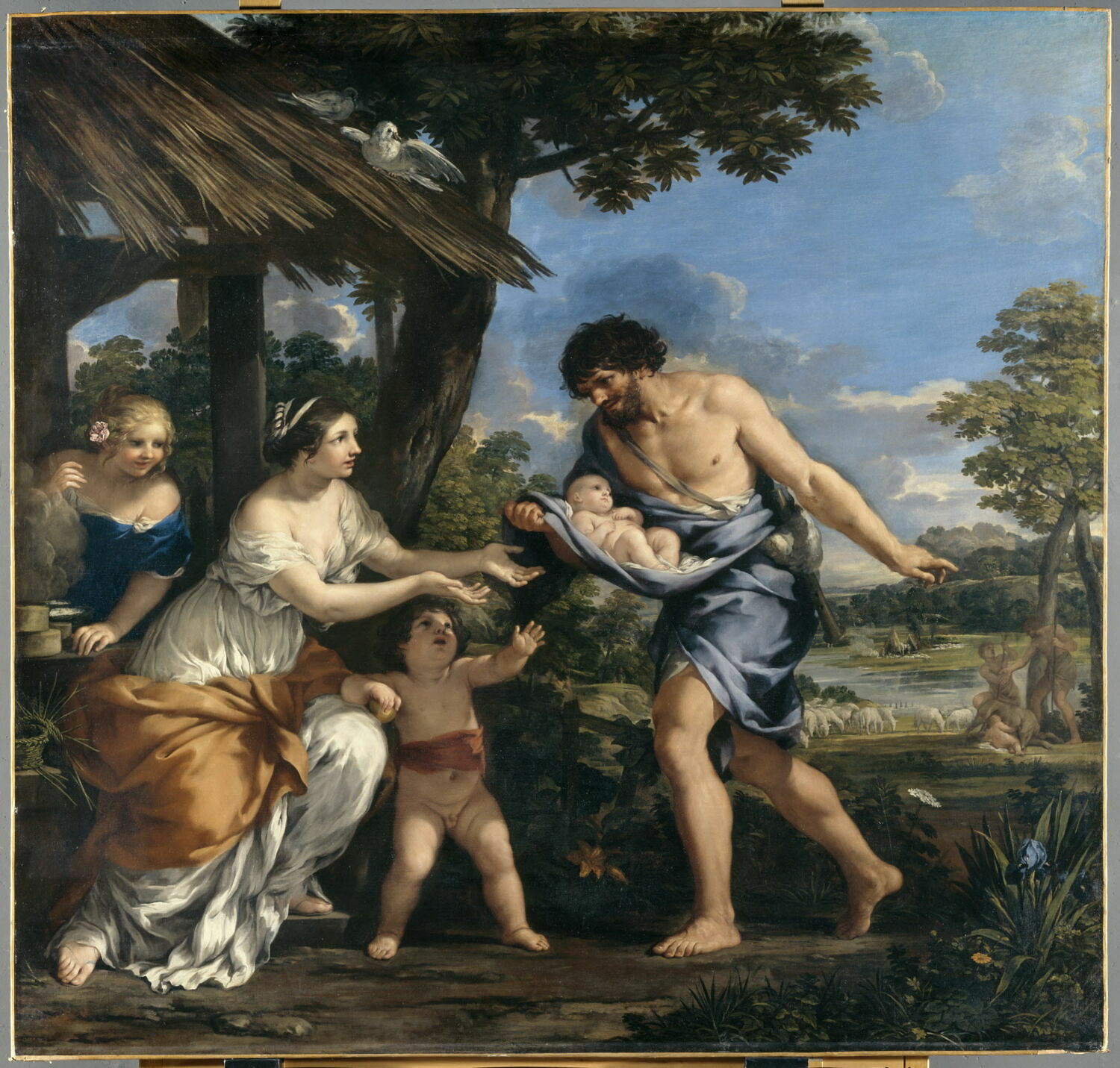
Romulus et Rémus recueillis par Faustulus, Cortone, Pierre de, 2e quart du XVIIe siècle (1625 - 1650)

Romulus et Rémus recueillis par Faustulus

second quarter of the 17th century (1625–1650) · Musée du Louvre

Martyrdom of St Stephen, Pietro da Cortona, c. 1660

Martyrdom of St Stephen

c. 1660 · State Hermitage Museum

Allegorie der Navigation mit dem Emblem und der Devise der Accademia Partentia. (Über der Landkarte fünf allegorische Figuren; links empfängt Zeus den Kardinalshut; ein Adler trägt einen Stein; rechts Prachtschiff und das Meer mit Segelschiffen), Pietro da Cortona

Allegorie der Navigation mit dem Emblem und der Devise der Accademia Partentia. (Über der Landkarte fünf allegorische Figuren; links empfängt Zeus den Kardinalshut; ein Adler trägt einen Stein; rechts Prachtschiff und das Meer mit Segelschiffen)

Albertina

Berufung des Andreas. (Links Christus mit erhobener Rechten zu Andreas gewendet, der von rechts auf ihn zukommt und sich verneigt; hinten steigt Petrus aus der Barke, in der noch andere Fischer sichtbar sind), Pietro da Cortona

Berufung des Andreas. (Links Christus mit erhobener Rechten zu Andreas gewendet, der von rechts auf ihn zukommt und sich verneigt; hinten steigt Petrus aus der Barke, in der noch andere Fischer sichtbar sind)

Albertina

Neighbors at Musée du Louvre

Museum page
Portrait of Marten Soolmans, Rembrandt van Rijn, 1634

Rembrandt van Rijn

Portrait of Marten Soolmans, 1634

Portrait of Oopjen Coppit, Rembrandt van Rijn, 1634

Rembrandt van Rijn

Portrait of Oopjen Coppit, 1634

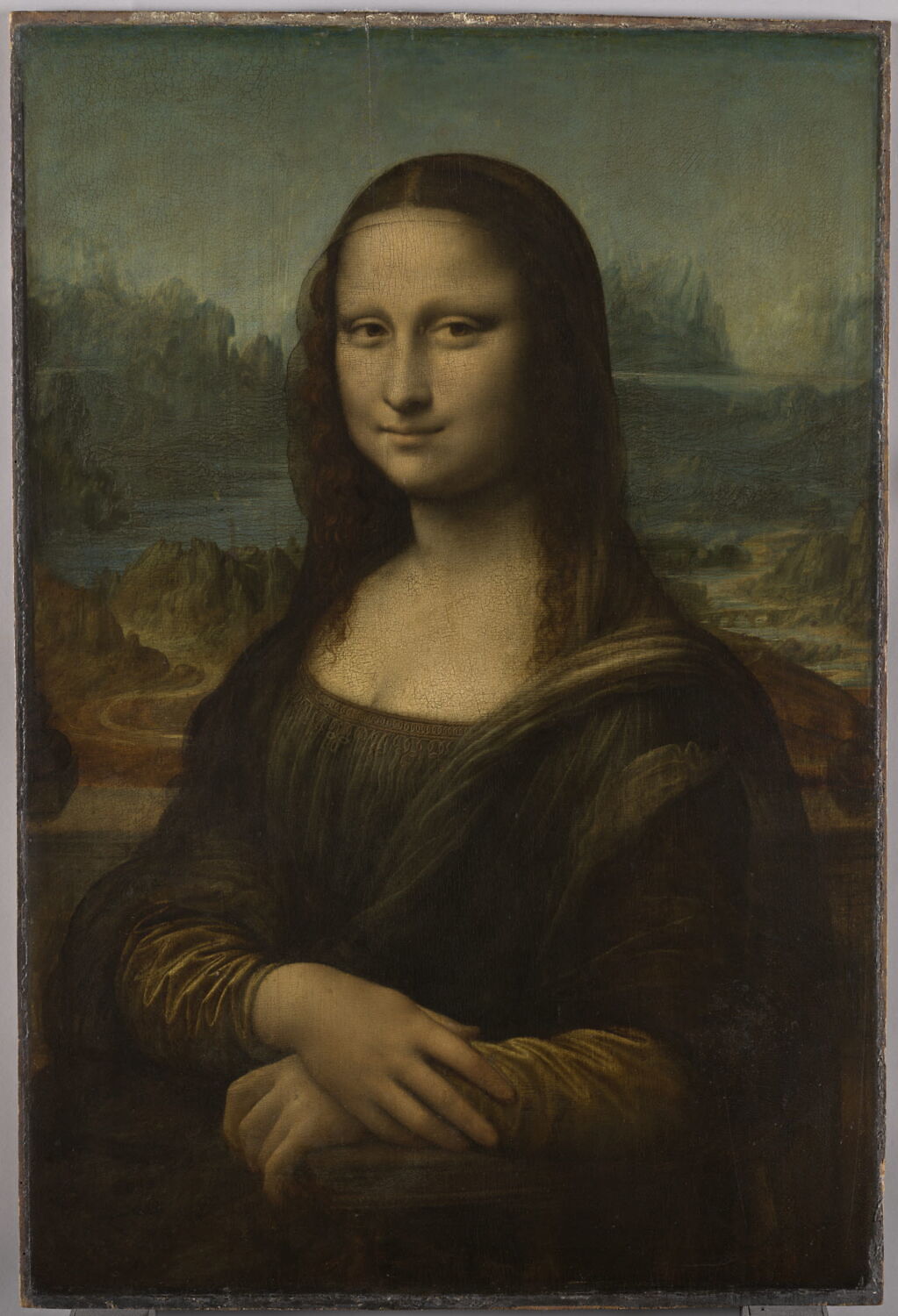
Portrait de Lisa Gherardini, épouse de Francesco del Giocondo, dit La Joconde ou Monna Lisa, Léonard de Vinci, 1e quart du XVIe siècle (1503 - 1519)

Leonardo da Vinci

Mona Lisa, first quarter of the 16th century (1503–1519)

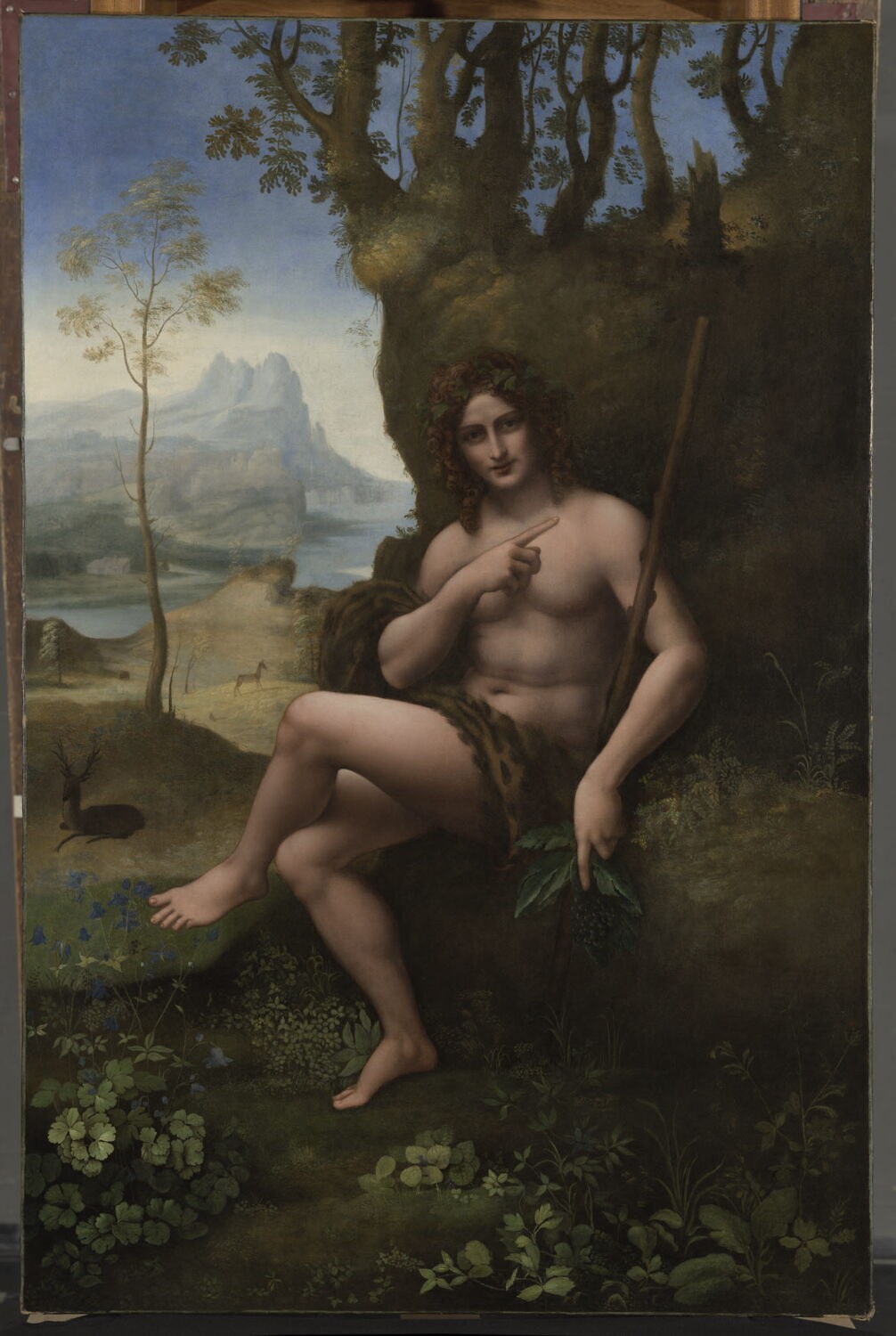
Saint Jean Baptiste, Léonard de Vinci, 1e quart du XVIe siècle (vers 1517 - 1520)

Leonardo da Vinci

Bacchus, first quarter of the 16th century (c. 1517–1520)

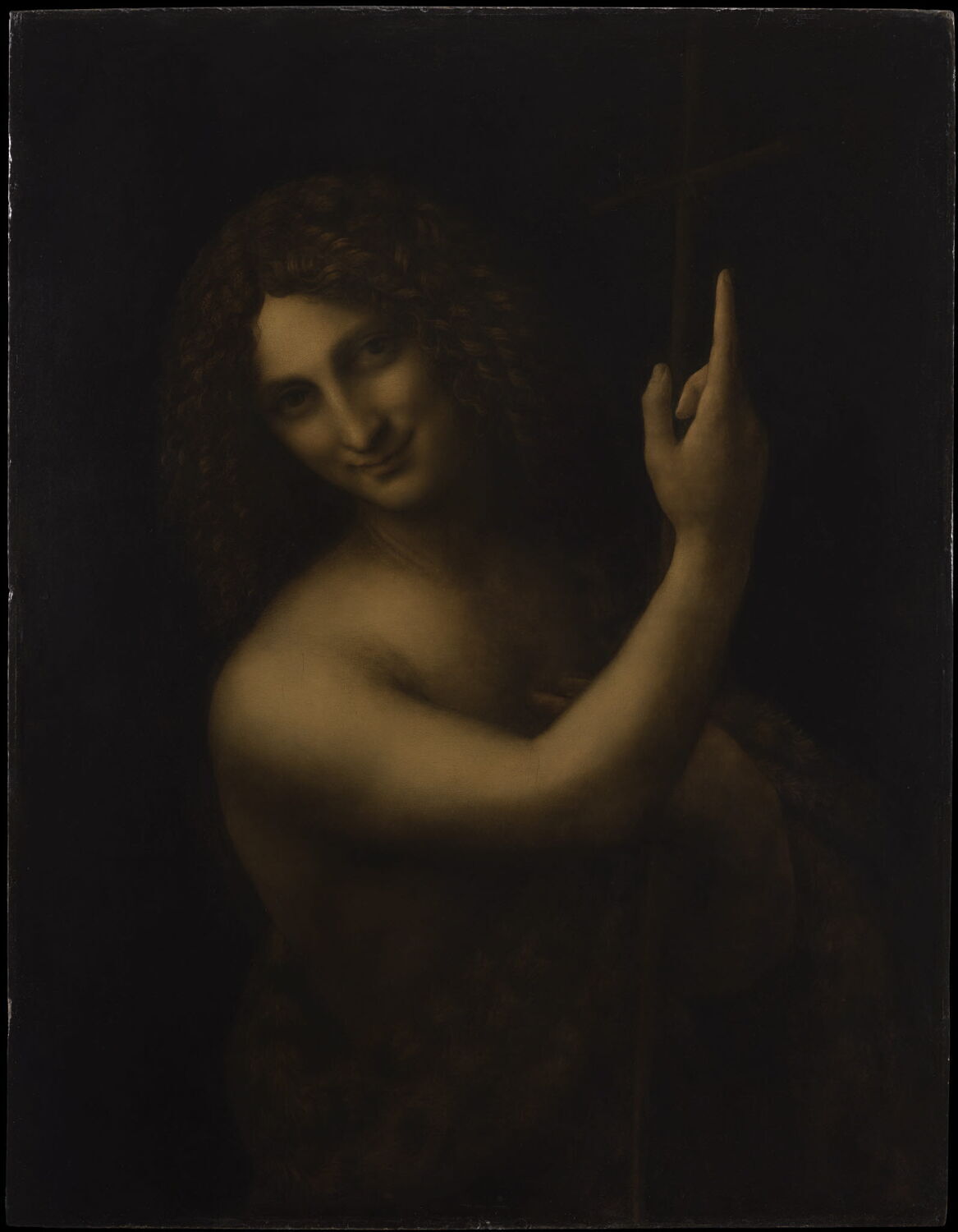
Saint Jean Baptiste, Léonard de Vinci, 1e quart du XVIe siècle (vers 1508 - 1519)

Leonardo da Vinci

Saint John the Baptist, first quarter of the 16th century (c. 1508–1519)

La Vierge et l'Enfant Jésus, dite Vierge au dévidoir ou Vierge aux fuseaux, Léonard de Vinci, XVIe siècle (vers 1505 - 1520)

Leonardo da Vinci

La Vierge et l'Enfant Jésus, dite Vierge au dévidoir ou Vierge aux fuseaux, 16th century (c. 1505–1520)

La Vierge, l'Enfant Jésus et sainte Anne, dit La Sainte Anne, Léonard de Vinci, 1e quart du XVIe siècle (vers 1503 - 1519)

Leonardo da Vinci

The Virgin and Child with Saint Anne, first quarter of the 16th century (c. 1503–1519)

La Vierge, l'Enfant Jésus, saint Jean Baptiste et un ange, dit La Vierge aux rochers, Léonard de Vinci, 4e quart du XVe siècle (vers 1483 - 1494)

Leonardo da Vinci

La Vierge, l'Enfant Jésus, saint Jean Baptiste et un ange, dit La Vierge aux rochers, last quarter of the 15th century (c. 1483–1494)