ART WIKI32,963 on view
MapCollectionArtistsMuseumsExhibitionsJournal
Sign in

ART WIKI

Where the masterpiece hangs, and when they let you in.

Collections: Art Institute of Chicago, Getty Villa, Harvard Art Museums, Hirshhorn Museum and Sculpture Garden, J. Paul Getty Museum, Minneapolis Institute of Art, Musée du Louvre, National Gallery of Art, National Museum of Asian Art, National Portrait Gallery (Smithsonian), Pushkin State Museum of Fine Arts, Rijksmuseum, Smithsonian American Art Museum, SMK — National Gallery of Denmark, State Hermitage Museum, State Russian Museum, The Cleveland Museum of Art, The Metropolitan Museum of Art, The Museum of Modern Art, Tretyakov Gallery, Victoria and Albert Museum, Whitney Museum of American Art, State Catalogue of the Museum Fund of Russia (274 museums), Europeana (19 museums), Wikidata (6 museums), Paris Musées (12 museums), and Joconde, the French Ministry of Culture's museum database (495 museums). Images belong to their rights holders.

Sections

  • Map
  • Search
  • Collection
  • Masterpieces
  • On view now
  • Artists

More

  • Museums & galleries
  • Exhibitions
  • Journal
  • Where the data comes from
  • Privacy & cookies
HomeMapBrowse
  1. Collection/
  2. Minneapolis Institute of Art/
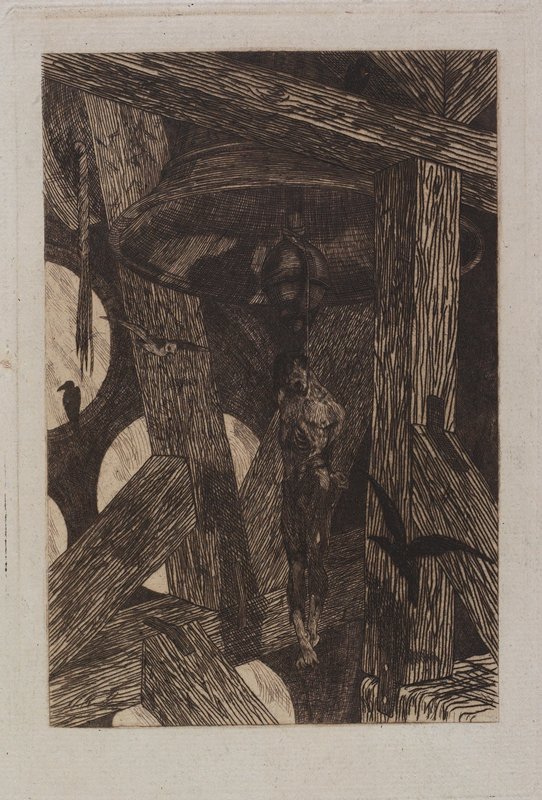
  3. Le pendu
Le pendu, Félicien Rops, 1869
Félicien Rops, portraitFélicien RopsFrench, 1833–1898

Le pendu

1869 · Print · 23.5 × 15.88 cm

May one see it?

Not receiving at present

Minneapolis Institute of Art

Minneapolis, United States

It belongs to the collection, but is not on display at present.

Checked
3 days ago
In this state since
Sep 25, 2026
Source
The museum
On the mapMuseum page

Particulars

1869 · aged 36
18331898
Accession number
P.91.24.2

In the catalog

PrintsEtchingRealismImpressionism19th centuryBelgium

Sources

  • Minneapolis Institute of Art
  • Image: Minneapolis Institute of Art — public domain

Meanwhile, in the life of Félicien Rops

The whole life
  1. 1858–1867

    Illustrates books by Charles De Coster

    Rops illustrates several books by Charles De Coster, his co-founder of “Uylenspiegel”: “Flemish Legends” (1858), “Brabant Tales” (1861) and “The Legend of Uylenspiegel” (1867).

  2. 1860s

    Divides the year between Thozée, Namur, Brussels and Paris

    In the 1860s Rops travels extensively and divides each year between Thozée Castle, Namur, Brussels and Paris; his home becomes a gathering place for artists, writers and publishers, and with each year he spends more time in Paris, at the centre of the art and literary world, and less with his wife and family.

  3. 1864–1870

    Creates 34 book frontispieces

    Between 1864 and 1870 Rops produces 34 frontispieces for books; his association with Baudelaire and his illustrations of the poet’s verse raise the visibility of his work and win the admiration of Théophile Gautier, Stéphane Mallarmé, Jules Barbey d’Aurevilly, Joséphin Péladan, Puvis de Chavannes, Gustave Moreau and Edmond and Jules de Goncourt.

  4. by 1870

    Lives in Paris for most of the year

    By 1870 Rops has many friends and lives in Paris for most of the year, immersed in literary Paris and the Symbolist and Decadent movements; taking his cue from Baudelaire’s “The Painter of Modern Life”, he cultivates the airs of a dandy — in Félix Fénéon’s words, he anoints himself with rouge, dyes his hair and wears a blood-red shirt, looking, or so he hopes, like a sarcastic Satan.

  5. early 1870s

    A marriage in crisis

    Long months in Paris away from his wife and his poorly concealed affairs take their toll on the marriage: Charlotte writes that his latest affair is the eighth since they met and married, and ends her letter with a word of pardon. The mistress in question, Alice Renaud, will be murdered a few years later by her jealous husband, and Rops is drawn into the scandal when his intimate love letters to her are read out at the trial.

  6. 1870s

    Life as a trio with the Duluc sisters

    Having known Madame Duluc and her young daughters since the 1860s, Rops begins, not long before the break with his wife, to live as a trio with the sisters Aurélie and Léontine, apparently with their mother’s endorsement. They will live together for more than 25 years, until his death: the sisters run the Paris fashion house Maison Duluc, for which he designs logos and advertisements, and the three twice travel to the United States and Canada to present their fashions.

More by Félicien Rops

All works
Oude-Kate, Félicien Rops

Oude-Kate

Not on view · National Gallery of Art

Satan Sowing Tare (Satan semant l'ivraie), Félicien Rops

Satan Sowing Tare (Satan semant l'ivraie)

Not on view · National Gallery of Art

The Train of Maris (Le train de Maris), Félicien Rops

The Train of Maris (Le train de Maris)

Not on view · National Gallery of Art

Le Rydeack, Félicien Rops

Le Rydeack

Not on view · National Gallery of Art

The Little Potato Peeler (La petite peleuse de pommes de terre), Félicien Rops

The Little Potato Peeler (La petite peleuse de pommes de terre)

Not on view · National Gallery of Art

The Sparrow of Lesbie (Le moineau de Lesbie), Félicien Rops

The Sparrow of Lesbie (Le moineau de Lesbie)

Not on view · National Gallery of Art

The Falconer (La fauconniere), Félicien Rops

The Falconer (La fauconniere)

Not on view · National Gallery of Art

Die Absinthtrinkerin, Félicien Rops

Die Absinthtrinkerin

Albertina

Neighbors at Minneapolis Institute of Art

Museum page
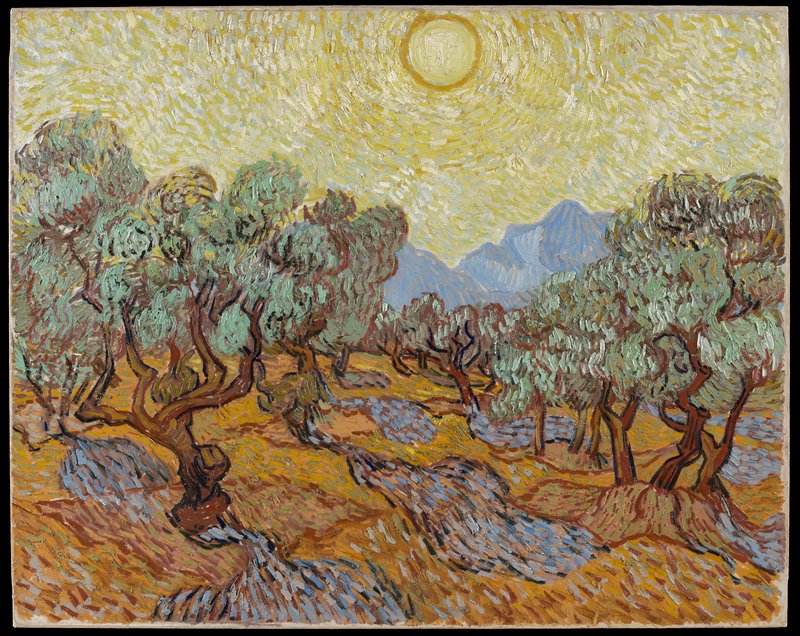
Olive Trees, Vincent van Gogh, 1889

Vincent van Gogh

Olive Trees, 1889

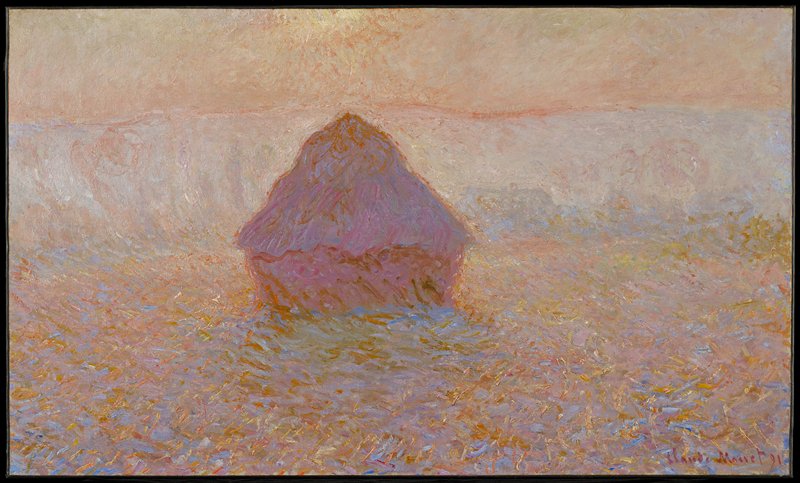
Grainstack, Sun in the Mist, Claude Monet, 1891

Claude Monet

Grainstack, Sun in the Mist, 1891

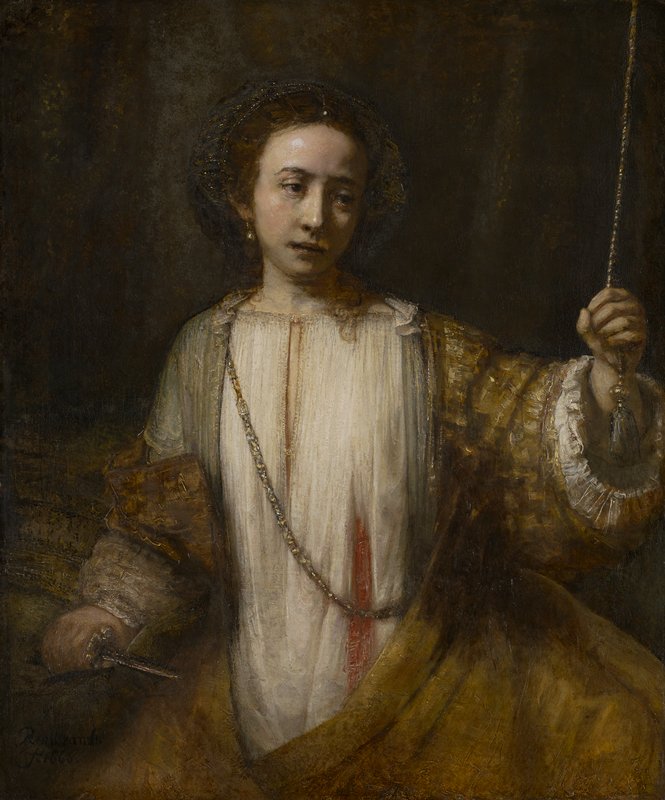
Lucretia, Rembrandt van Rijn, 1666

Rembrandt van Rijn

Lucretia, 1666

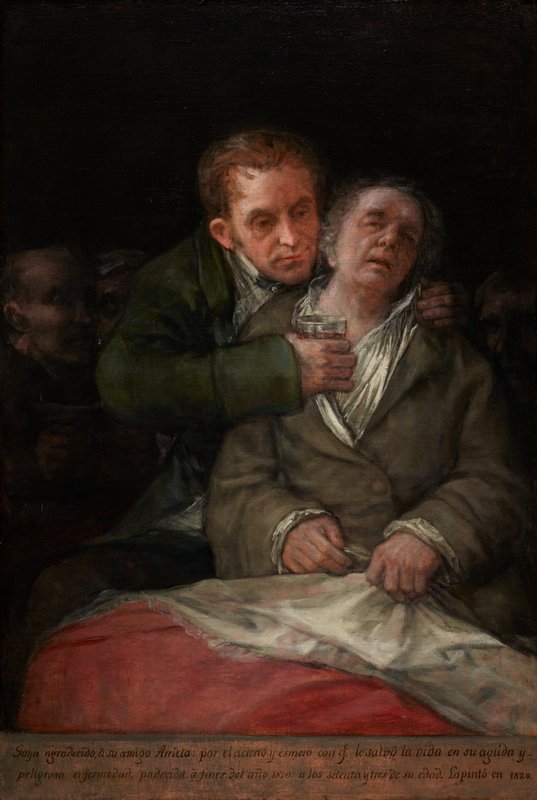
Self-Portrait with Dr. Arrieta, Francisco José de Goya y Lucientes, 1820

Francisco de Goya

Self-Portrait with Dr. Arrieta, 1820

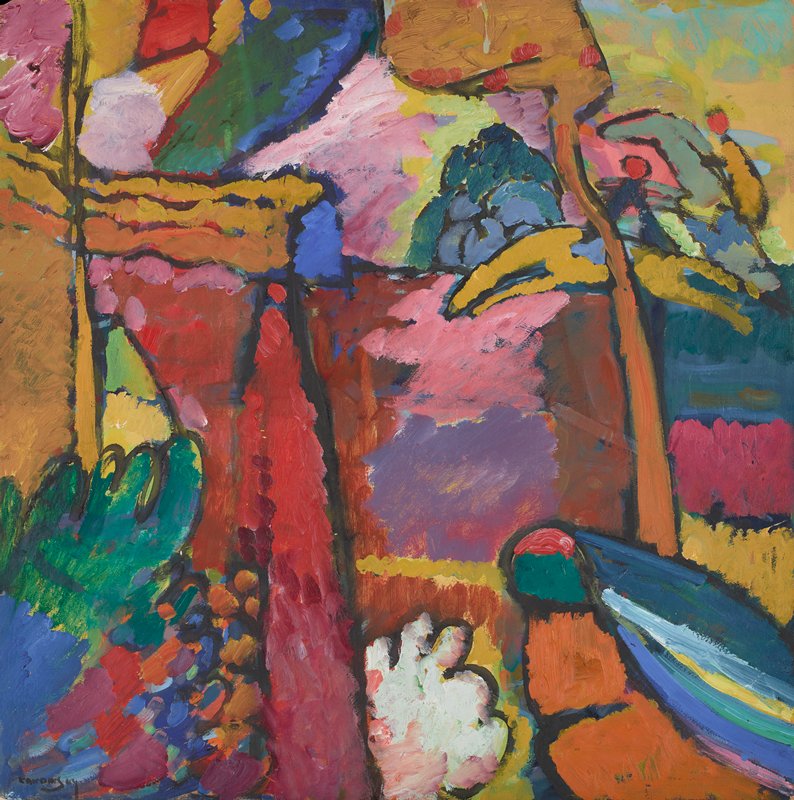
Study for Improvisation V, Vassily Kandinsky, 1910

Vasily Kandinsky

Study for Improvisation V, 1910

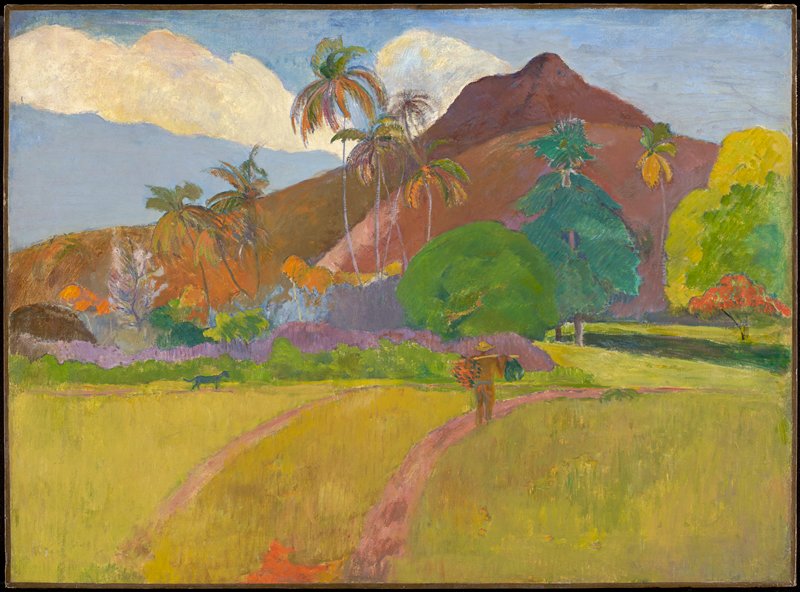
Tahitian Landscape, Paul Gauguin, 1891

Paul Gauguin

Tahitian Landscape, 1891

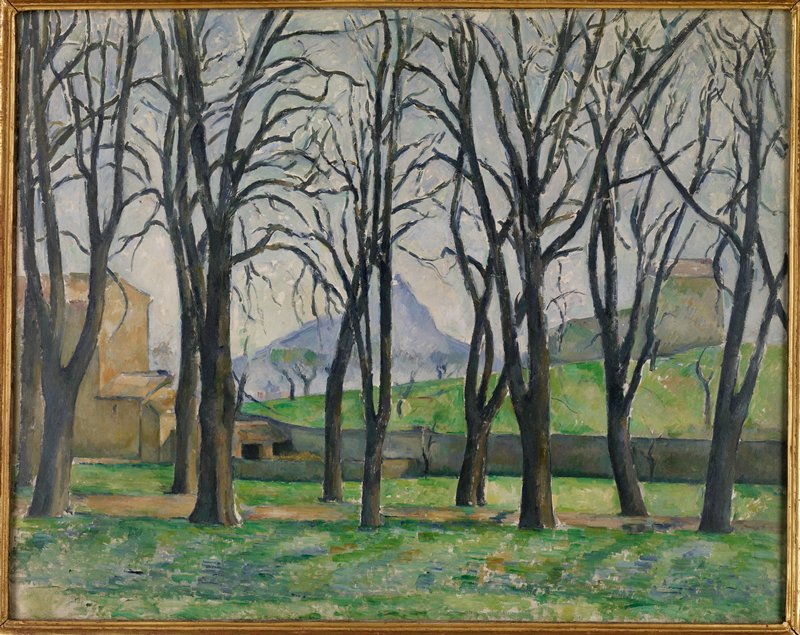
Chestnut Trees at Jas de Bouffan, Paul Cézanne, c. 1885–86

Paul Cézanne

Chestnut Trees at Jas de Bouffan, c. 1885–86

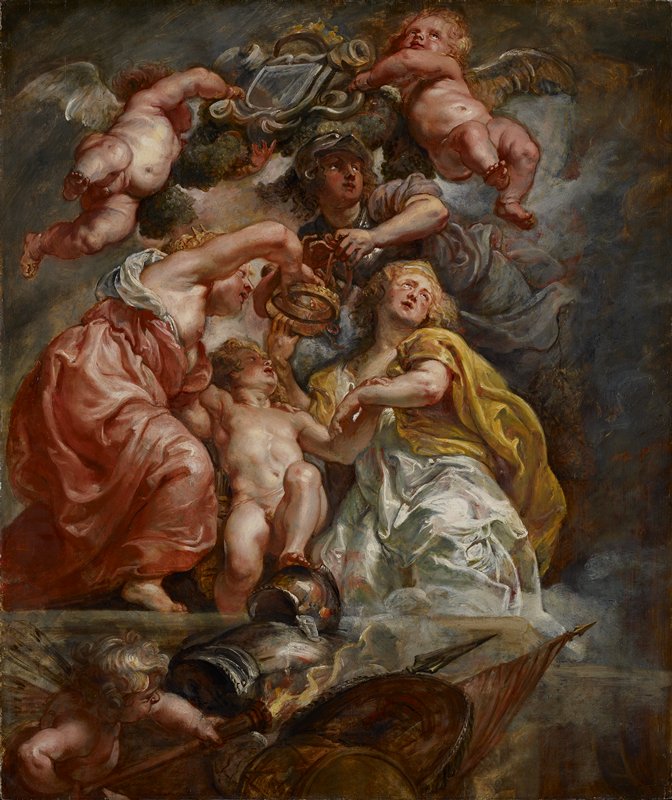
The Union of England and Scotland (Charles I as the Prince of Wales), Peter Paul Rubens, 1633–34

Peter Paul Rubens

The Union of England and Scotland (Charles I as the Prince of Wales), 1633–34