ART WIKI32,963 on view
MapCollectionArtistsMuseumsExhibitionsJournal
Sign in

ART WIKI

Where the masterpiece hangs, and when they let you in.

Collections: Art Institute of Chicago, Getty Villa, Harvard Art Museums, Hirshhorn Museum and Sculpture Garden, J. Paul Getty Museum, Minneapolis Institute of Art, Musée du Louvre, National Gallery of Art, National Museum of Asian Art, National Portrait Gallery (Smithsonian), Pushkin State Museum of Fine Arts, Rijksmuseum, Smithsonian American Art Museum, SMK — National Gallery of Denmark, State Hermitage Museum, State Russian Museum, The Cleveland Museum of Art, The Metropolitan Museum of Art, The Museum of Modern Art, Tretyakov Gallery, Victoria and Albert Museum, Whitney Museum of American Art, State Catalogue of the Museum Fund of Russia (274 museums), Europeana (19 museums), Wikidata (6 museums), Paris Musées (12 museums), and Joconde, the French Ministry of Culture's museum database (495 museums). Images belong to their rights holders.

Sections

  • Map
  • Search
  • Collection
  • Masterpieces
  • On view now
  • Artists

More

  • Museums & galleries
  • Exhibitions
  • Journal
  • Where the data comes from
  • Privacy & cookies
HomeMapBrowse
  1. Collection/
  2. Art Institute of Chicago/
  3. Lara Wounded
Lara Wounded, Jean Louis André Théodore Géricault, c. 1820
Théodore Géricault, portraitThéodore GéricaultFrench, 1791–1824

Lara Wounded

c. 1820 · Print

May one see it?

Not receiving at present

Art Institute of Chicago

Chicago, United States

It belongs to the collection, but is not on display at present.

Checked
3 days ago
In this state since
Aug 19, 2026
Source
The museum
On the mapMuseum page

Particulars

c. 1820
17911824
Accession number
1950.1449.1

In the catalog

PrintsLithographNeoclassicismRomanticism19th centuryFrance

Sources

  • Art Institute of Chicago
  • Image: Art Institute of Chicago — CC0

Meanwhile, in the life of Théodore Géricault

The whole life
  1. 1817–1818

    Investigating the disaster: survivors, a model raft, morgues

    Géricault re-created the event by studying the available materials and meeting witnesses: he got to know Corréard and Savigny, a carpenter from the Méduse made a scale model of the raft for him, and the artist modelled wax figures himself. He visited hospital morgues, drawing dead heads, emaciated bodies and severed limbs, and the preparation ended with a trip to Le Havre, where he painted studies of sea and sky.

  2. c. 1818 – 1819

    Delacroix poses for a dying figure

    The painter Eugène Delacroix posed for one of the dying figures in “The Raft of the Medusa”.

  3. 1819

    “The Raft of the Medusa” sparks a political controversy at the Salon

    When first exhibited at the Paris Salon of 1819, “The Raft of the Medusa” ignited political controversy: it indicted a corrupt establishment, in which the captain had left the crew and passengers to die, but also dramatized the eternal struggle of man against nature.

  4. 12 June – 30 December 1820

    London: 50,000 visitors and 20,000 francs

    The entrepreneur Bullock exhibited “The Raft of the Medusa” in London from 12 June to 30 December 1820; about 50,000 people saw it, critics called it a masterpiece, and its author was compared to Michelangelo and Caravaggio. Géricault was entitled to a third of the ticket receipts and received 20,000 francs.

  5. 1820–1821

    London: urban poverty and friendship with Charlet

    In London Géricault witnessed urban poverty, made drawings of his impressions and published lithographs based on these observations, free of sentimentality. He associated much there with Charlet, the lithographer and caricaturist.

  6. 1821–1824

    Illness and falls from horses after his return from England

    After returning to Paris from England Géricault was often ill, and his condition was made worse by several falls during horseback rides.
More by Théodore Géricault

All works
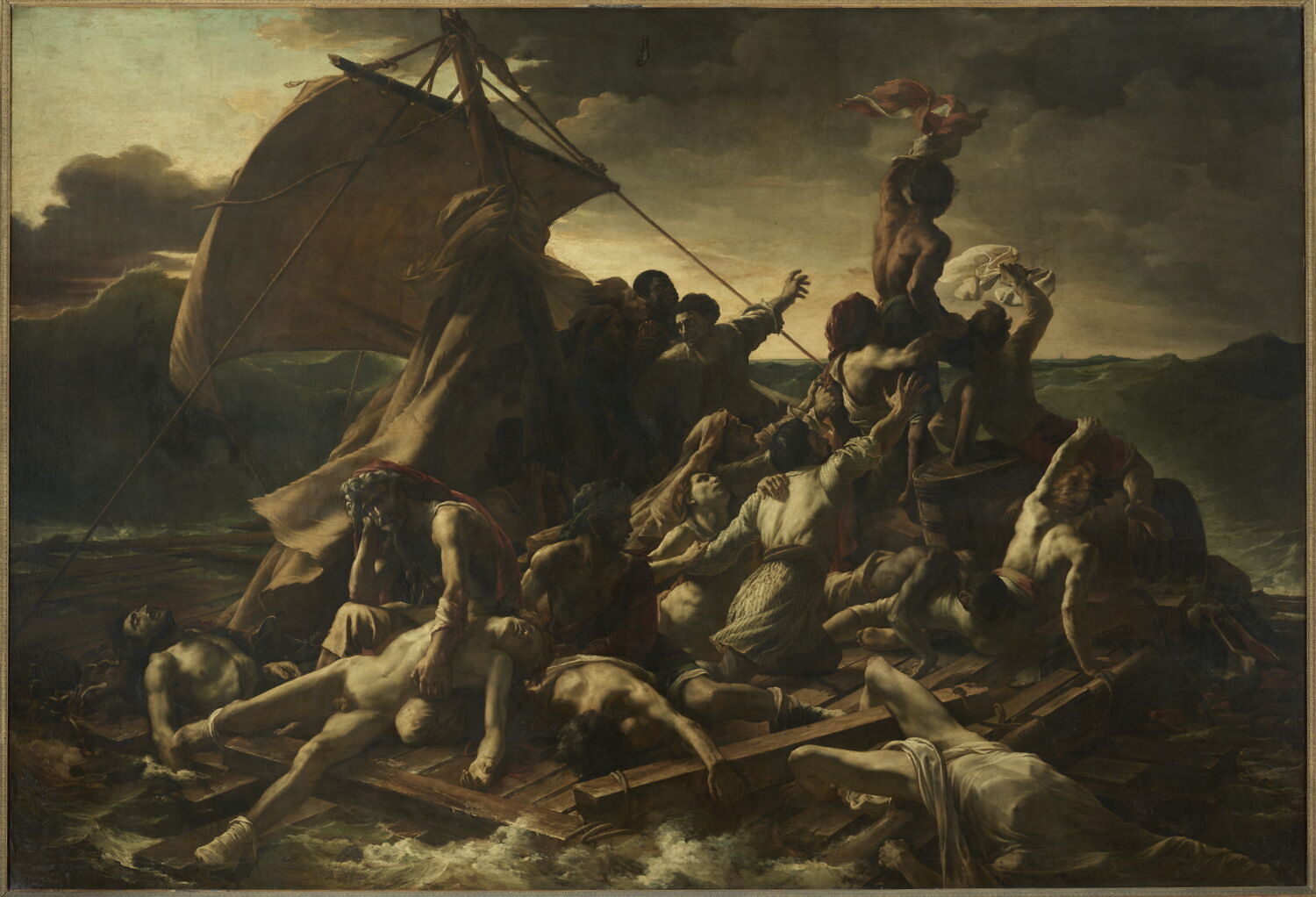
Le radeau de la Méduse, Géricault, Théodore, 1e quart du XIXe siècle (1818 - 1819)

The Raft of the Medusa

first quarter of the 19th century (1818–1819) · Musée du Louvre

Flayed Horse III, Théodore Gericault, model c. 1820/1824, cast 1959-1960

Flayed Horse III

model c. 1820/1824, cast 1959-1960 · National Gallery of Art

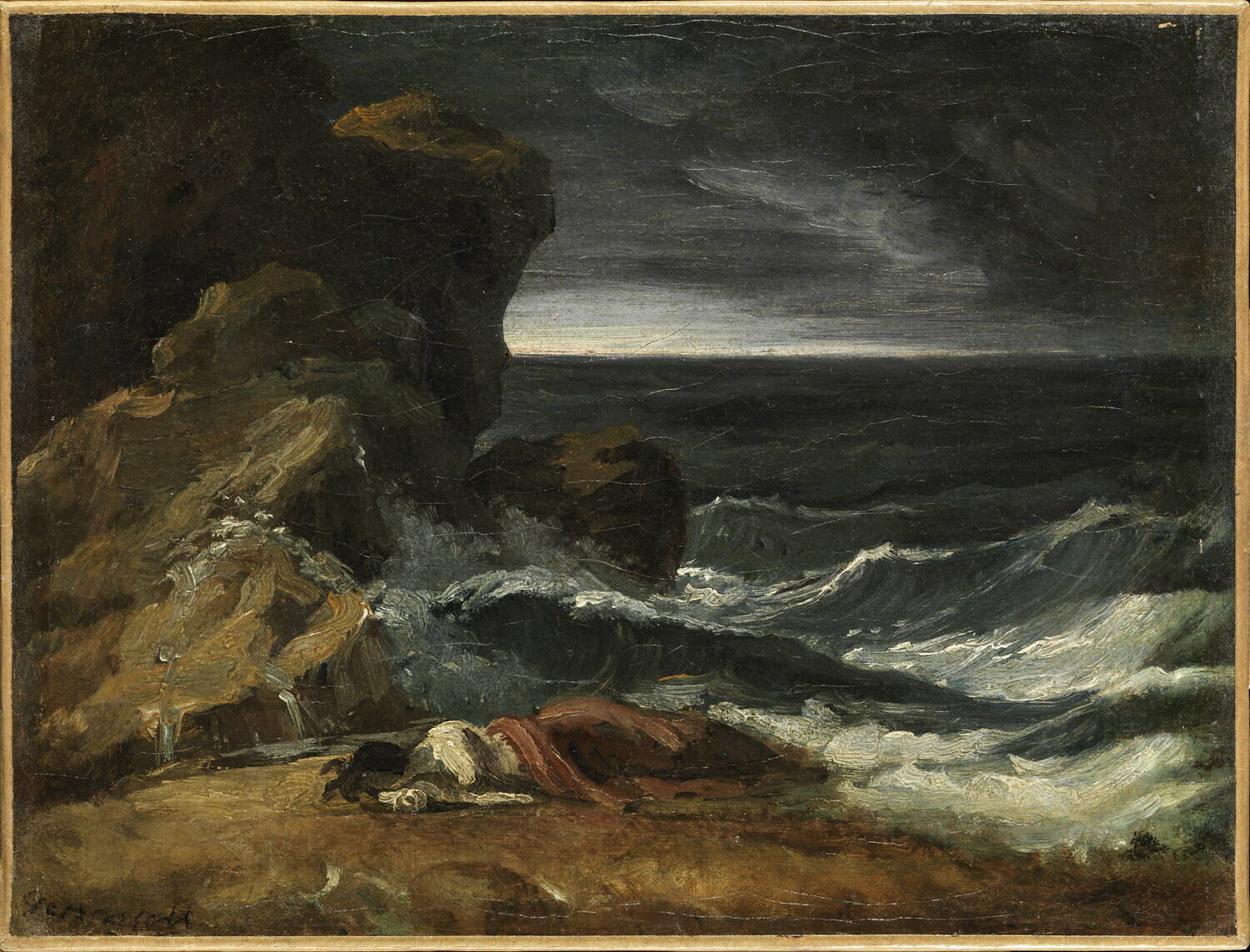
La tempête ou L'épave, Géricault, Théodore, 1e quart du XIXe siècle (1800 - 1825)

La tempête ou L'épave

first quarter of the 19th century (1800–1825) · Musée du Louvre

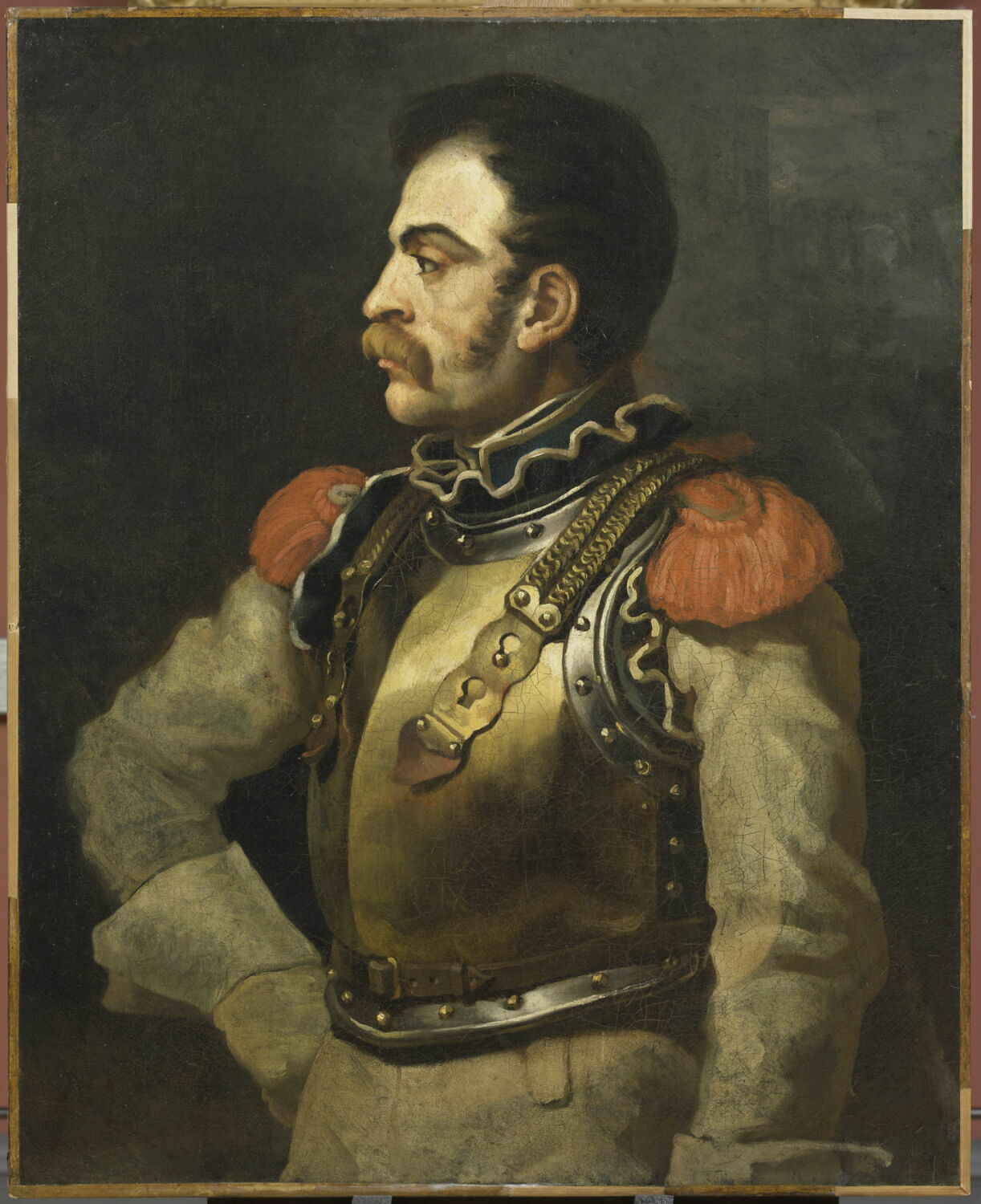
Un carabinier, vu à mi-corps., Géricault, Théodore, 1e quart du XIXe siècle (1800 - 1825)

Un carabinier, vu à mi-corps.

first quarter of the 19th century (1800–1825) · Musée du Louvre

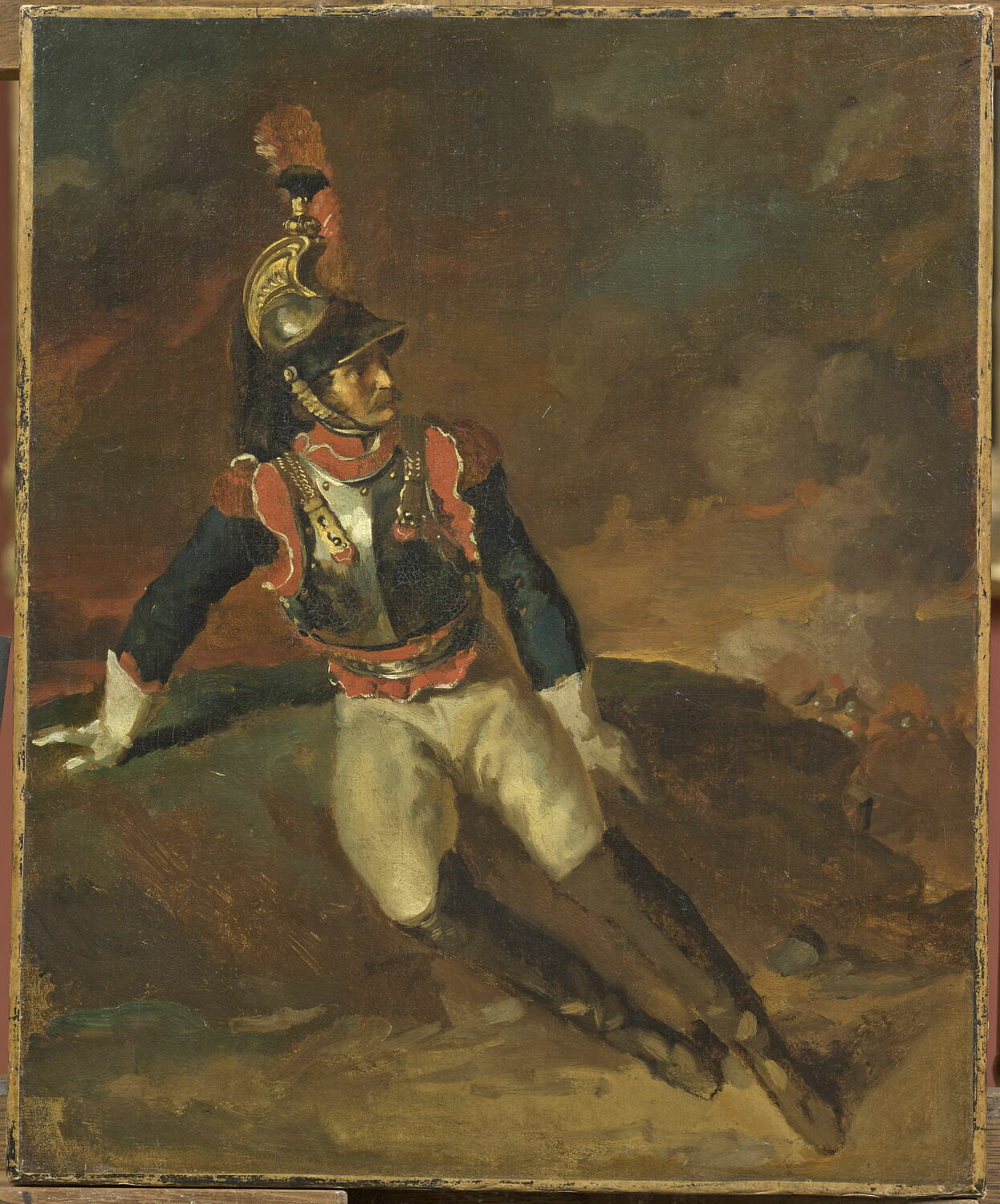
Cuirassier blessé, Géricault, Théodore, 1e quart du XIXe siècle (1800 - 1825)

Cuirassier blessé

first quarter of the 19th century (1800–1825) · Musée du Louvre

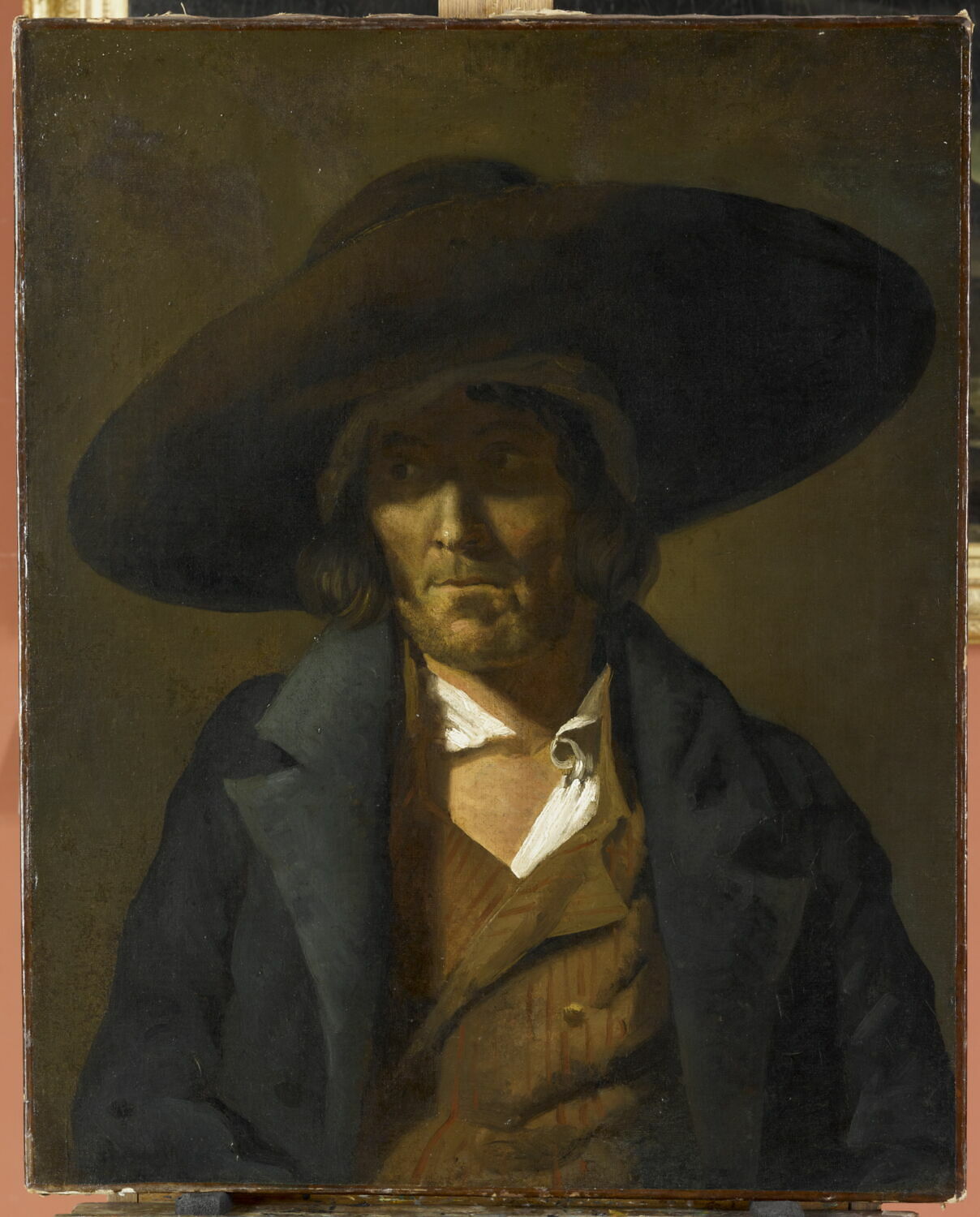
Portrait d'homme, dit le Vendéen, Géricault, Théodore, 1e quart du XIXe siècle (1800 - 1825)

Portrait d'homme, dit le Vendéen

first quarter of the 19th century (1800–1825) · Musée du Louvre

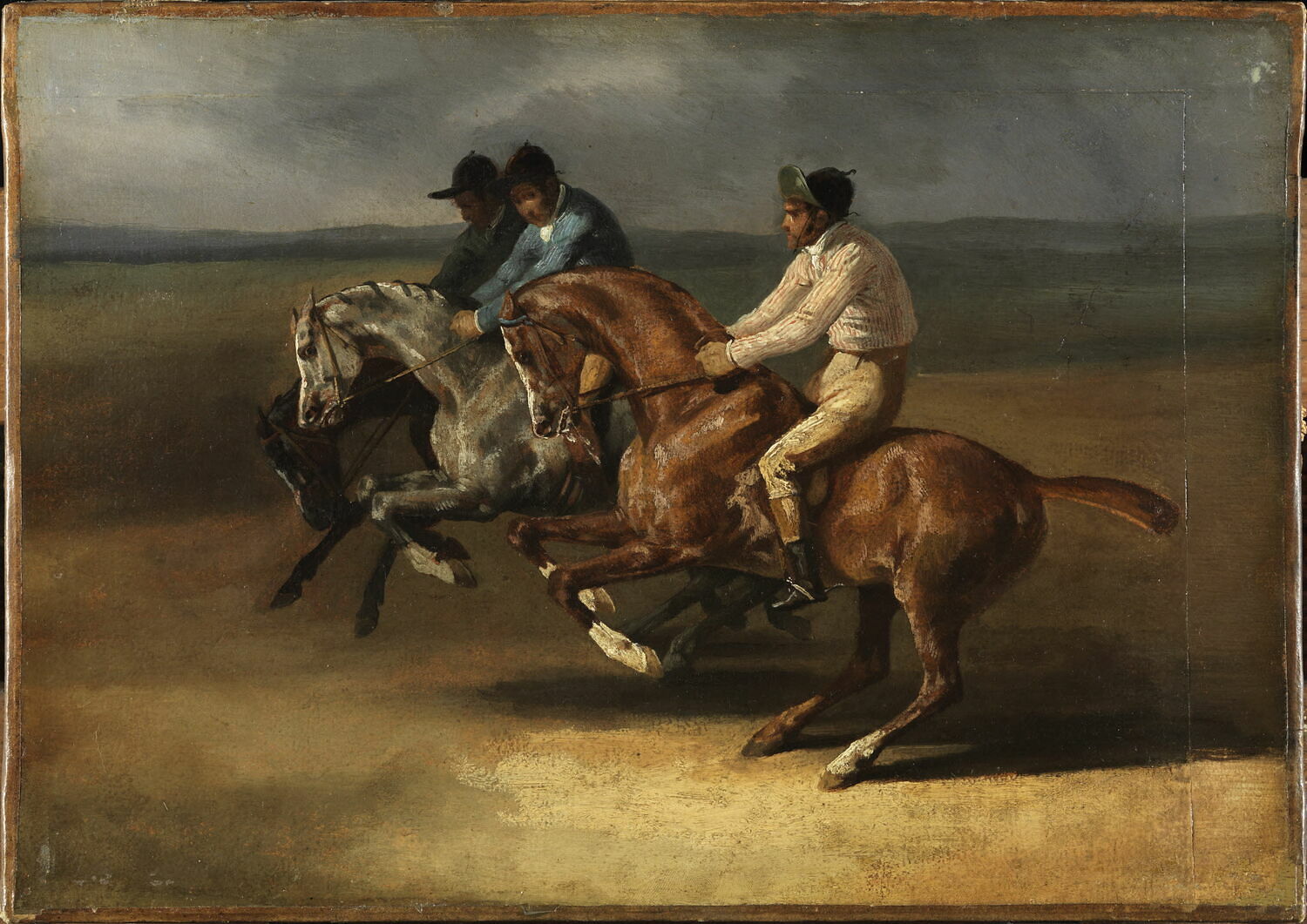
Course de Chevaux montés allant à gauche, au moment du départ., Géricault, Théodore, 1e quart du XIXe siècle (1800 - 1825)

Course de Chevaux montés allant à gauche, au moment du départ.

first quarter of the 19th century (1800–1825) · Musée du Louvre

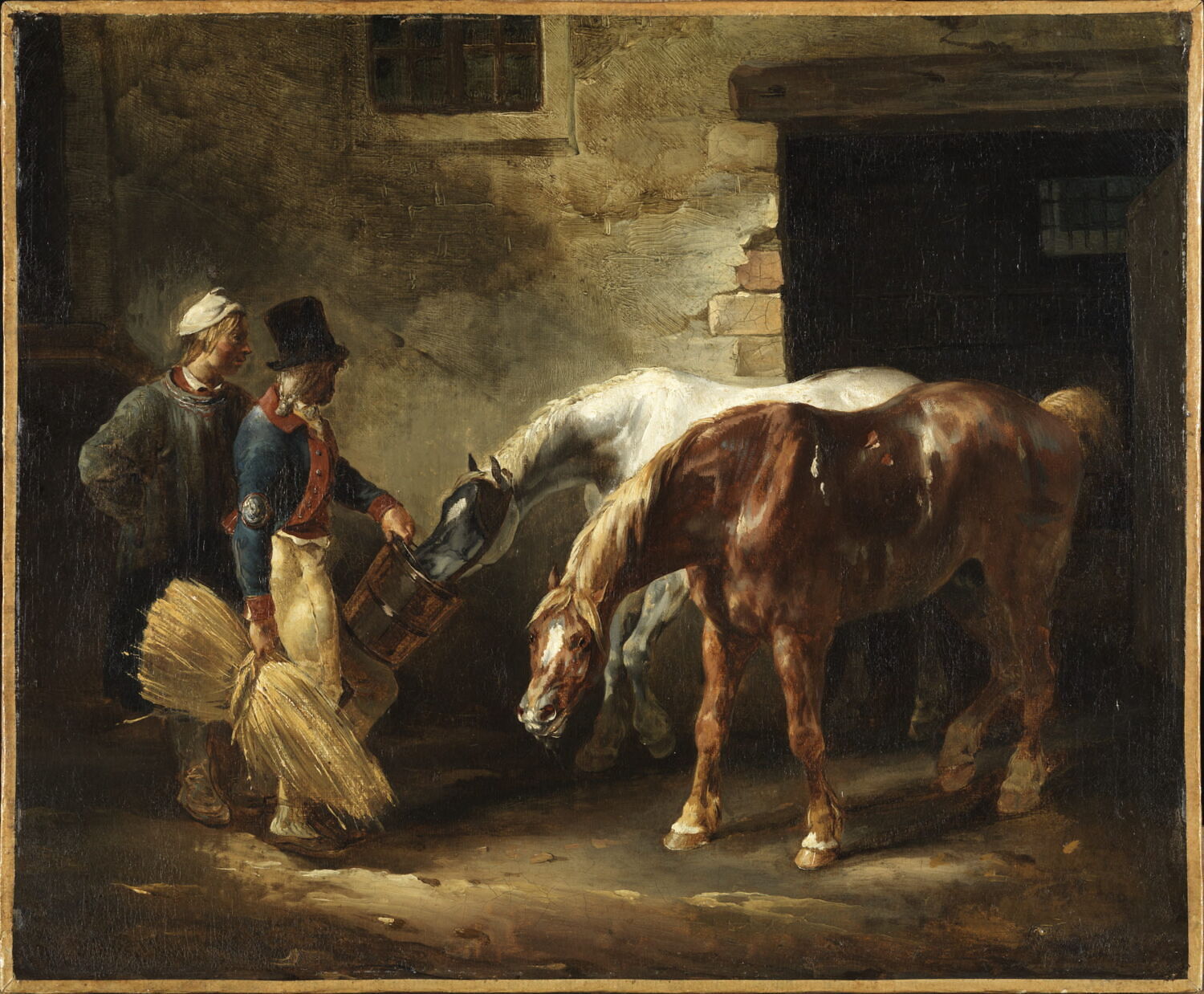
Deux chevaux de poste à la porte d'une écurie, Géricault, Théodore, 1e quart du XIXe siècle (1800 - 1825)

Deux chevaux de poste à la porte d'une écurie

first quarter of the 19th century (1800–1825) · Musée du Louvre

Neighbors at Art Institute of Chicago

Museum page
The Bedroom, Vincent van Gogh, 1889

Vincent van Gogh

The Bedroom, 1889

A Sunday on La Grande Jatte — 1884, Georges Seurat, 1884–86, border added 1888–89

Georges Seurat

A Sunday Afternoon on the Island of La Grande Jatte, 1884–86, border added 1888–89

Paris Street; Rainy Day, Gustave Caillebotte, 1877

Gustave Caillebotte

Paris Street; Rainy Day, 1877

Two Sisters (On the Terrace), Pierre-Auguste Renoir, 1881

Pierre-Auguste Renoir

Two Sisters (On the Terrace), 1881

The Basket of Apples, Paul Cézanne, c. 1893

Paul Cézanne

The Basket of Apples, c. 1893

Stacks of Wheat (End of Summer), Claude Monet, 1890–91

Claude Monet

Stacks of Wheat (End of Summer), 1890–91

American Gothic, Grant Wood, 1930

Grant Wood

American Gothic, 1930

Nighthawks, Edward Hopper, 1942

Edward Hopper

Nighthawks, 1942