ART WIKI32,963 on view
MapCollectionArtistsMuseumsExhibitionsJournal
Sign in

ART WIKI

Where the masterpiece hangs, and when they let you in.

Collections: Art Institute of Chicago, Getty Villa, Harvard Art Museums, Hirshhorn Museum and Sculpture Garden, J. Paul Getty Museum, Minneapolis Institute of Art, Musée du Louvre, National Gallery of Art, National Museum of Asian Art, National Portrait Gallery (Smithsonian), Pushkin State Museum of Fine Arts, Rijksmuseum, Smithsonian American Art Museum, SMK — National Gallery of Denmark, State Hermitage Museum, State Russian Museum, The Cleveland Museum of Art, The Metropolitan Museum of Art, The Museum of Modern Art, Tretyakov Gallery, Victoria and Albert Museum, Whitney Museum of American Art, State Catalogue of the Museum Fund of Russia (274 museums), Europeana (19 museums), Wikidata (6 museums), Paris Musées (12 museums), and Joconde, the French Ministry of Culture's museum database (495 museums). Images belong to their rights holders.

Sections

  • Map
  • Search
  • Collection
  • Masterpieces
  • On view now
  • Artists

More

  • Museums & galleries
  • Exhibitions
  • Journal
  • Where the data comes from
  • Privacy & cookies
HomeMapBrowse
  1. Collection/
  2. Musée du Louvre/
  3. La folle monomane du jeu
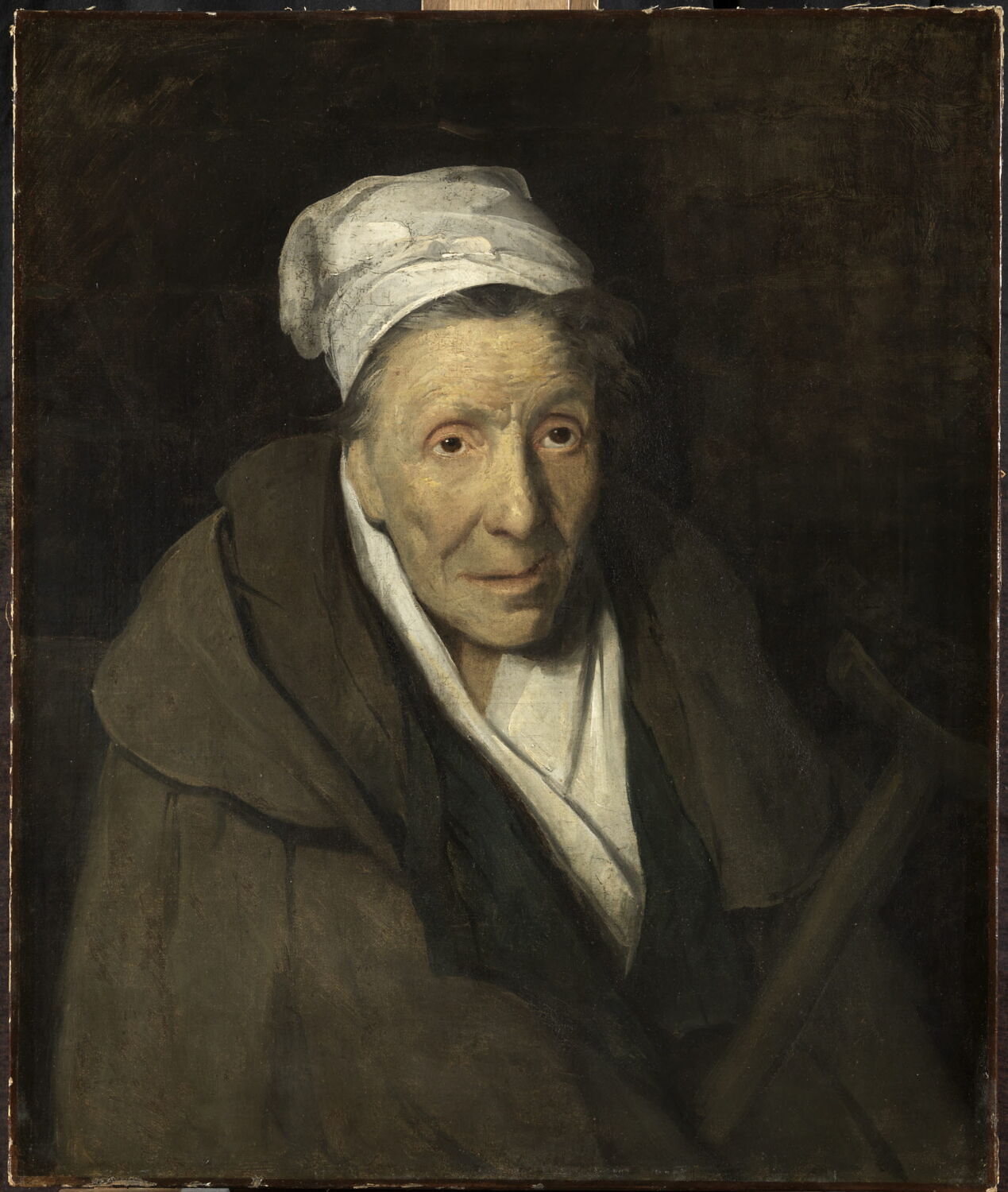
La folle monomane du jeu, Géricault, Théodore, 1e quart du XIXe siècle (1819 - 1822)
Théodore Géricault, portraitThéodore GéricaultFrench, 1791–1824

La folle monomane du jeu

first quarter of the 19th century (1819–1822) · Painting

About the painting

The Woman with Gambling Mania (French: La Folle Monomane du jeu) is an 1822 painting by Théodore Géricault. It is a member of a series of ten portraits of people with specific manias done by Géricault between 1820 and 1824, including Portrait of a Kleptomaniac and Insane Woman. Following the controversy surrounding his The Raft of the Medusa, Géricault fell into a depression. In return for help by psychiatrist Étienne-Jean Georget, Géricault offered him a series of paintings of mental patients, including this one, in a time when the scientific world was curious about the minds of the mentally insane. A solid example of romanticism, Géricault's portrait of a mental asylum patient attempts to show a specific form of insanity through facial expression.

This painting was acquired by the Louvre in 1938.

Wikipedia · CC BY-SA

Particulars

first quarter of the 19th century (1819–1822)
17911824
Accession number
RF 1938 51

Meanwhile, in the life of Théodore Géricault

The whole life
  1. autumn 1817

    The book on the wreck of the Méduse reaches Géricault

    In the autumn of 1817 the book “The Wreck of the Frigate Medusa” appeared, in which the eyewitnesses, the geographer-engineer Alexandre Corréard and the physician Henri Savigny, described the thirteen-day drift of the raft after the ship ran aground off the coast of Mauritania. The book reached Géricault, who saw in it the subject for the large painting he had long dreamed of.

  2. 1817–1818

    Investigating the disaster: survivors, a model raft, morgues

    Géricault re-created the event by studying the available materials and meeting witnesses: he got to know Corréard and Savigny, a carpenter from the Méduse made a scale model of the raft for him, and the artist modelled wax figures himself. He visited hospital morgues, drawing dead heads, emaciated bodies and severed limbs, and the preparation ended with a trip to Le Havre, where he painted studies of sea and sky.

  3. 1819

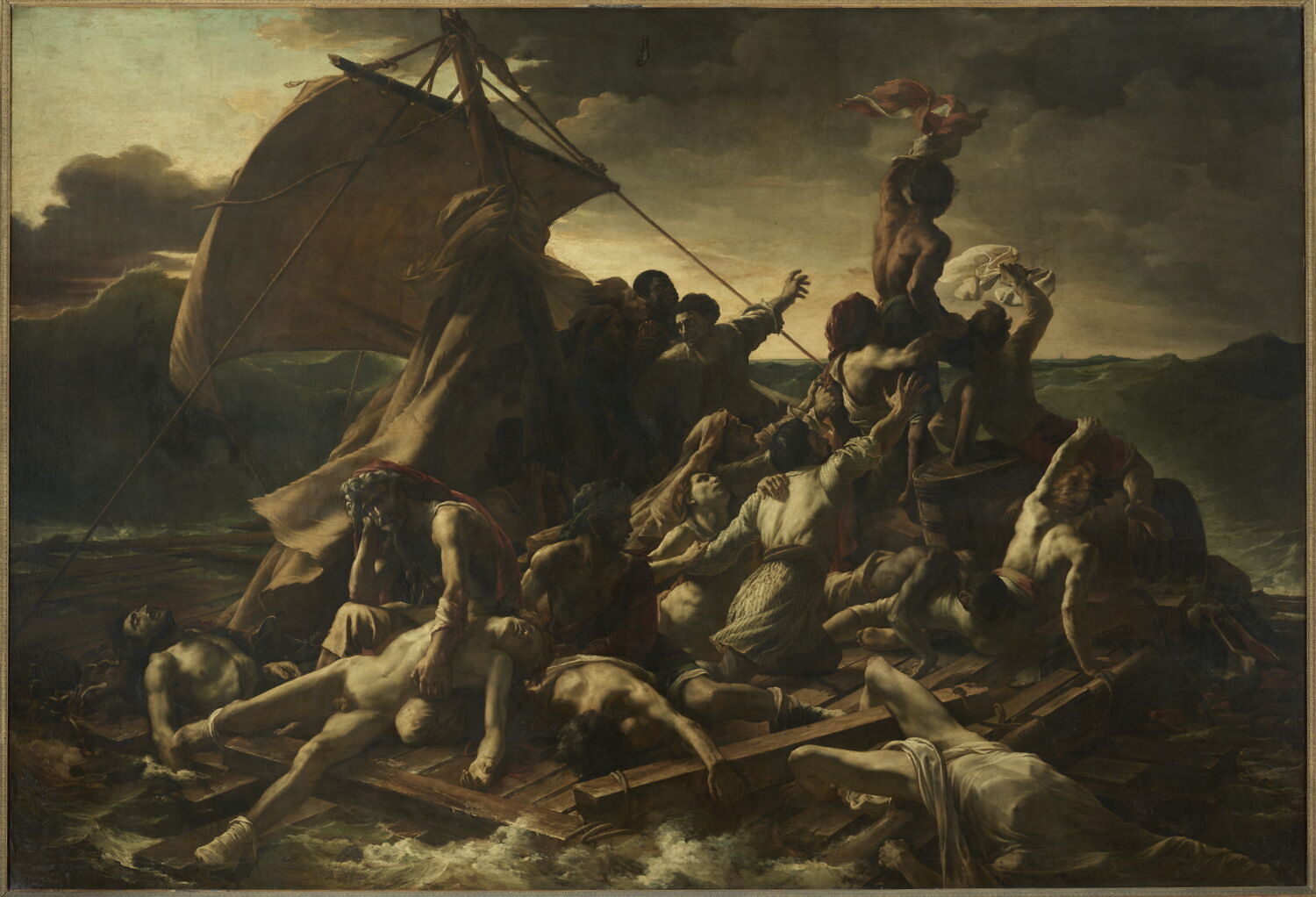
    “The Raft of the Medusa” sparks a political controversy at the Salon

    When first exhibited at the Paris Salon of 1819, “The Raft of the Medusa” ignited political controversy: it indicted a corrupt establishment, in which the captain had left the crew and passengers to die, but also dramatized the eternal struggle of man against nature.

  4. 12 June – 30 December 1820

    London: 50,000 visitors and 20,000 francs

    The entrepreneur Bullock exhibited “The Raft of the Medusa” in London from 12 June to 30 December 1820; about 50,000 people saw it, critics called it a masterpiece, and its author was compared to Michelangelo and Caravaggio. Géricault was entitled to a third of the ticket receipts and received 20,000 francs.

More by Théodore Géricault

All works

In the same room · Salle 941, Aile Sully, Niveau 2, Musée du Louvre

Museum page
  • 1821–1824

    Illness and falls from horses after his return from England

    After returning to Paris from England Géricault was often ill, and his condition was made worse by several falls during horseback rides.

  • 26 January 1824

    Died

  • May one see it?

    Yes, receiving visitors

    Musée du Louvre

    Paris, France

    Room941, Aile Sully, Niveau 2

    On public display.

    Checked
    12 days ago
    In this state since
    Sep 26, 2026
    Source
    The museum
    On the mapMuseum page

    In the catalog

    PaintingsOilFrench paintingNeoclassicismRomanticism19th century

    Sources

    • Musée du Louvre
    • Image: Musée du Louvre — © 2015 GrandPalaisRmn (musée du Louvre) / Philippe Fuzeau
    Le radeau de la Méduse, Géricault, Théodore, 1e quart du XIXe siècle (1818 - 1819)

    The Raft of the Medusa

    first quarter of the 19th century (1818–1819) · Musée du Louvre

    Flayed Horse III, Théodore Gericault, model c. 1820/1824, cast 1959-1960

    Flayed Horse III

    model c. 1820/1824, cast 1959-1960 · National Gallery of Art

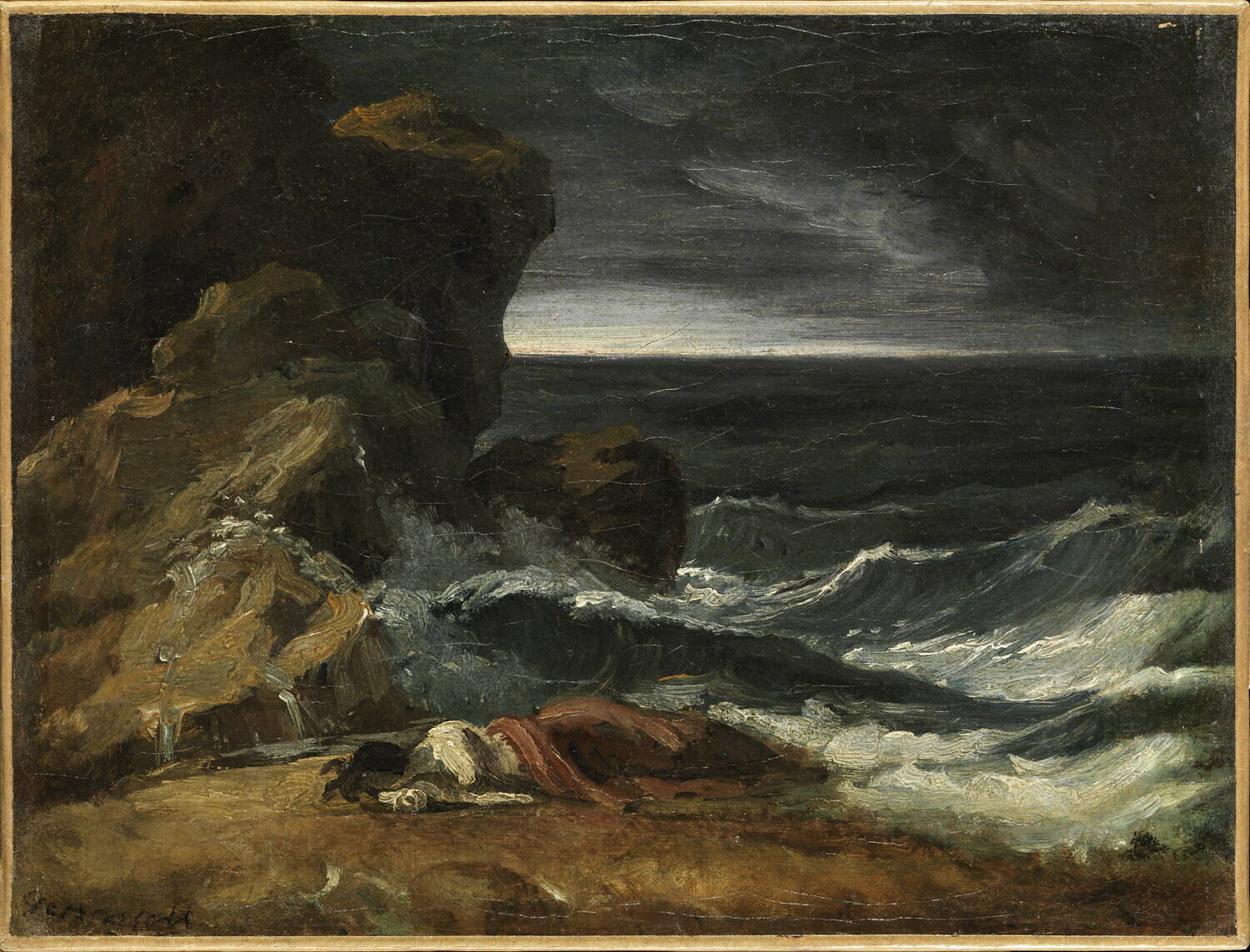
    La tempête ou L'épave, Géricault, Théodore, 1e quart du XIXe siècle (1800 - 1825)

    La tempête ou L'épave

    first quarter of the 19th century (1800–1825) · Musée du Louvre

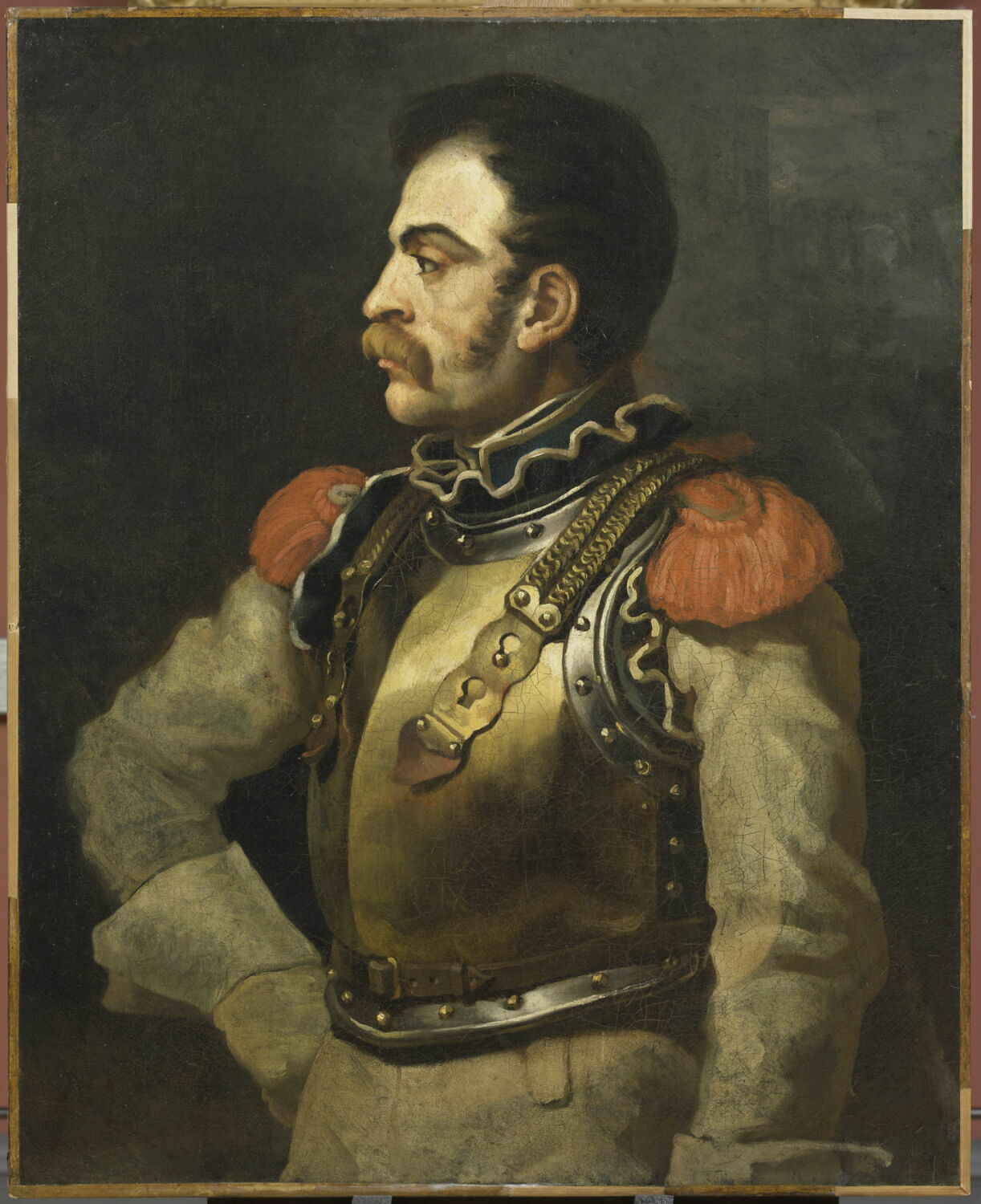
    Un carabinier, vu à mi-corps., Géricault, Théodore, 1e quart du XIXe siècle (1800 - 1825)

    Un carabinier, vu à mi-corps.

    first quarter of the 19th century (1800–1825) · Musée du Louvre

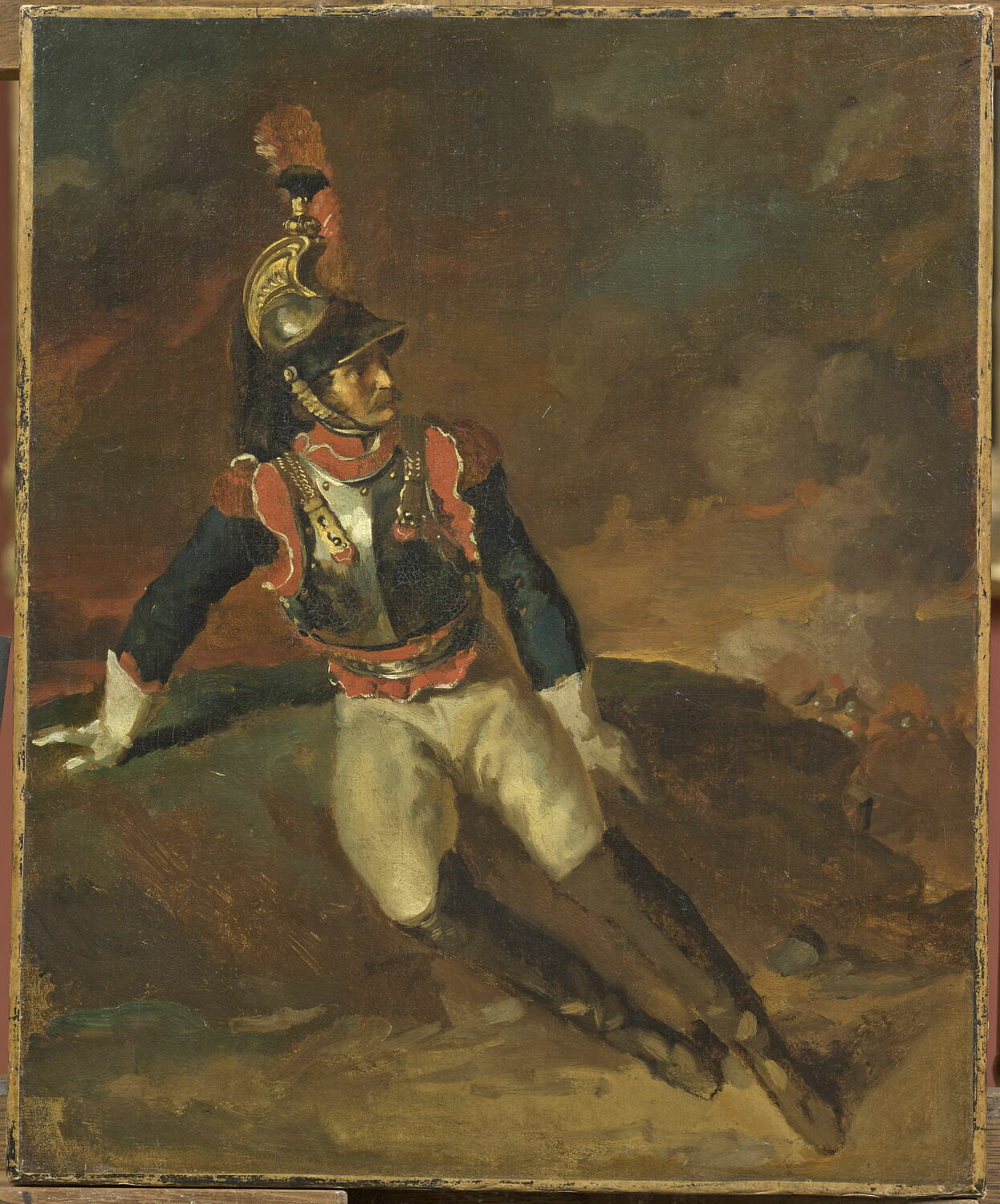
    Cuirassier blessé, Géricault, Théodore, 1e quart du XIXe siècle (1800 - 1825)

    Cuirassier blessé

    first quarter of the 19th century (1800–1825) · Musée du Louvre

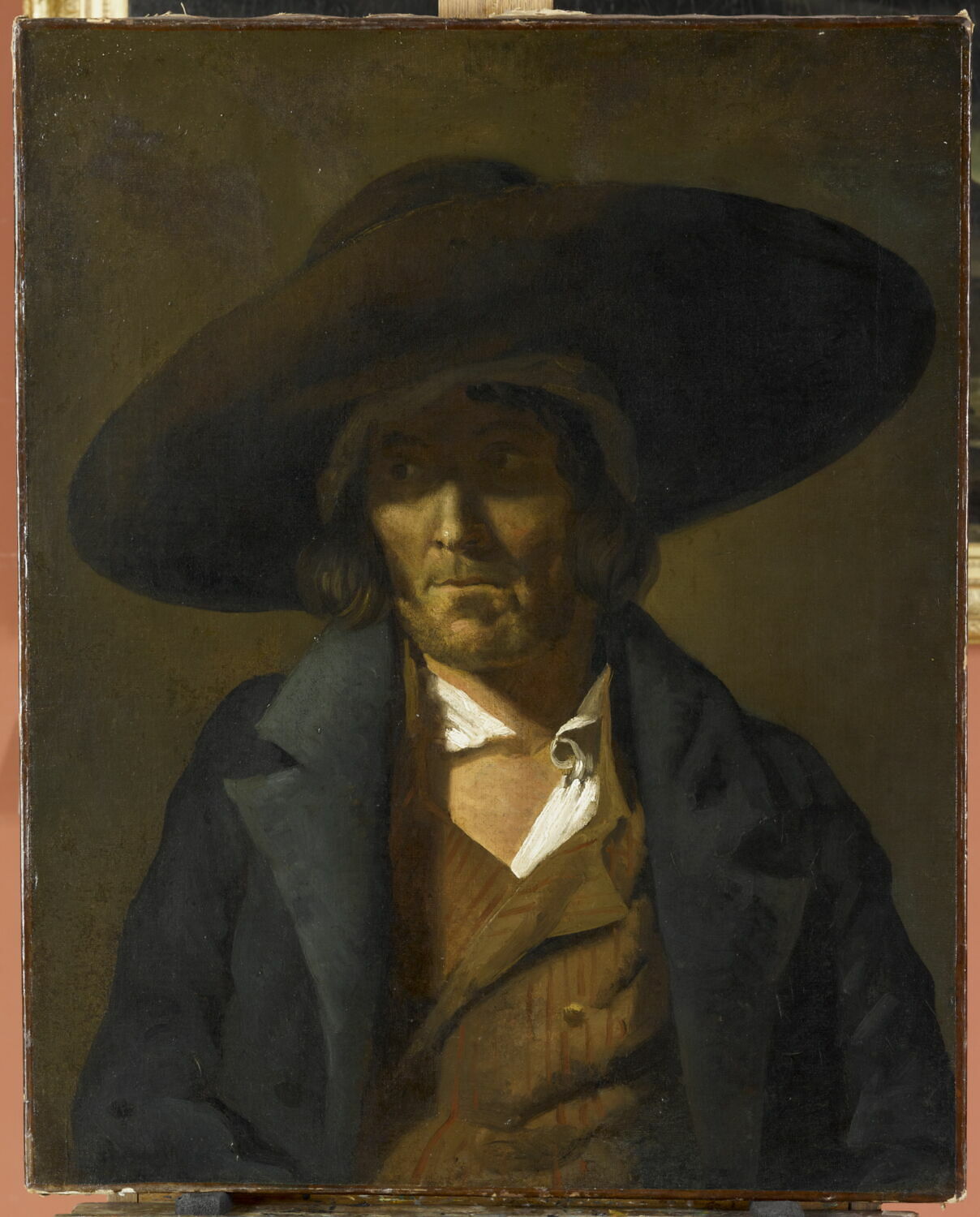
    Portrait d'homme, dit le Vendéen, Géricault, Théodore, 1e quart du XIXe siècle (1800 - 1825)

    Portrait d'homme, dit le Vendéen

    first quarter of the 19th century (1800–1825) · Musée du Louvre

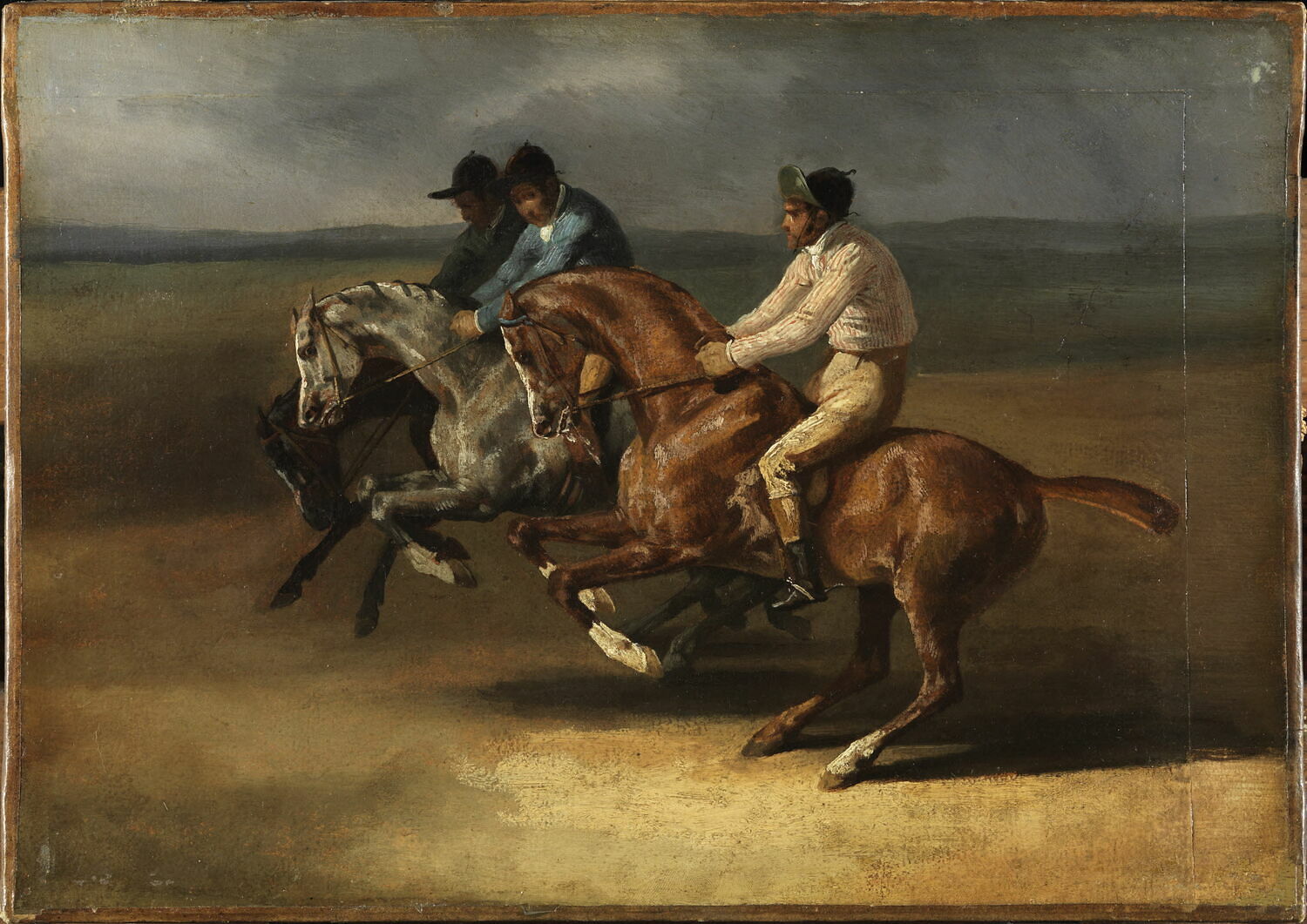
    Course de Chevaux montés allant à gauche, au moment du départ., Géricault, Théodore, 1e quart du XIXe siècle (1800 - 1825)

    Course de Chevaux montés allant à gauche, au moment du départ.

    first quarter of the 19th century (1800–1825) · Musée du Louvre

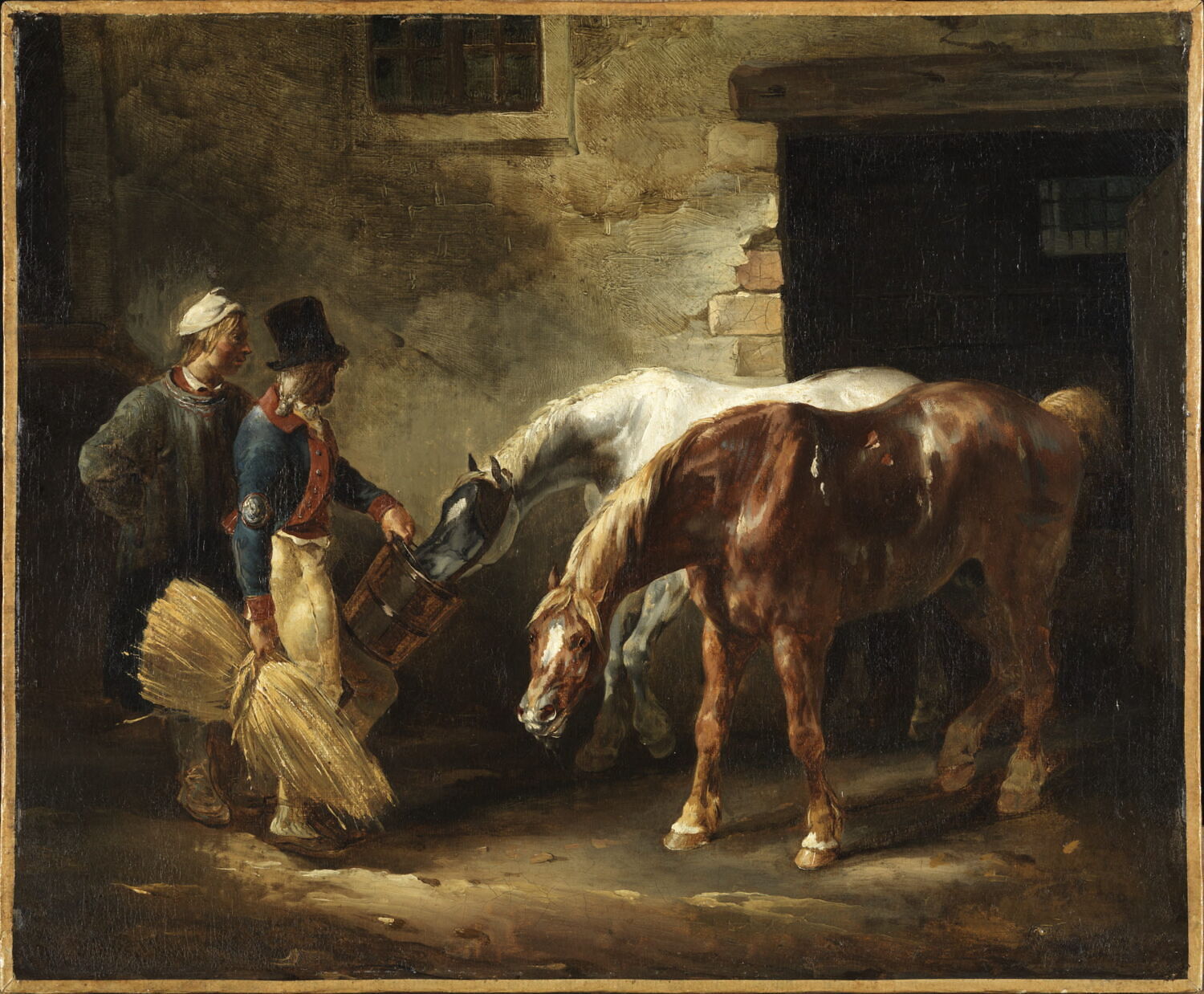
    Deux chevaux de poste à la porte d'une écurie, Géricault, Théodore, 1e quart du XIXe siècle (1800 - 1825)

    Deux chevaux de poste à la porte d'une écurie

    first quarter of the 19th century (1800–1825) · Musée du Louvre

    Le four à plâtre, Géricault, Théodore,  (1822 - 1823)

    Théodore Géricault

    Le four à plâtre, (1822 - 1823)

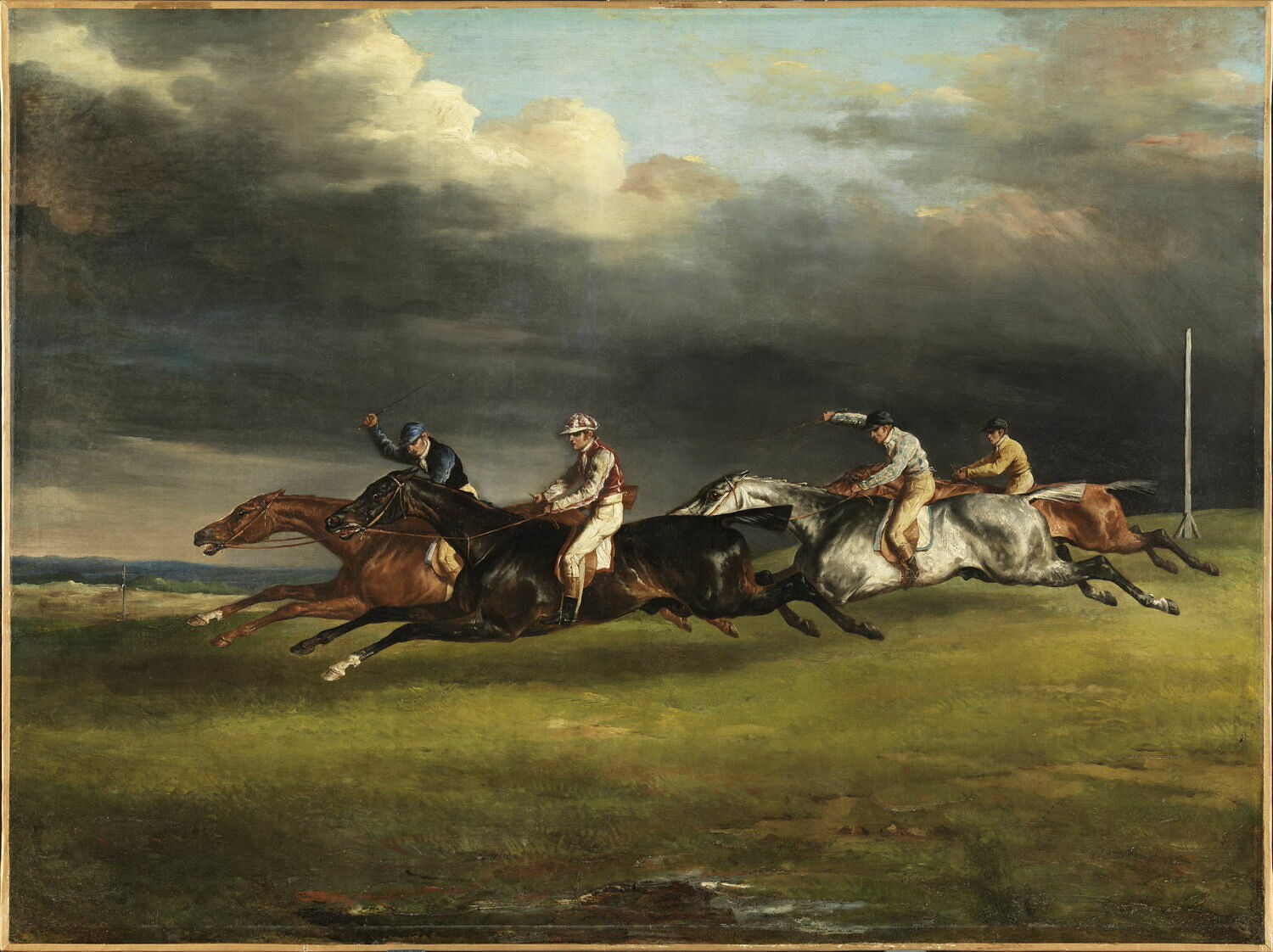
    Course de Chevaux, dit traditionnellement Le derby de 1821 à Epsom, Géricault, Théodore, 1e quart du XIXe siècle (1821)

    Théodore Géricault

    The 1821 Derby at Epsom, first quarter of the 19th century (1821)

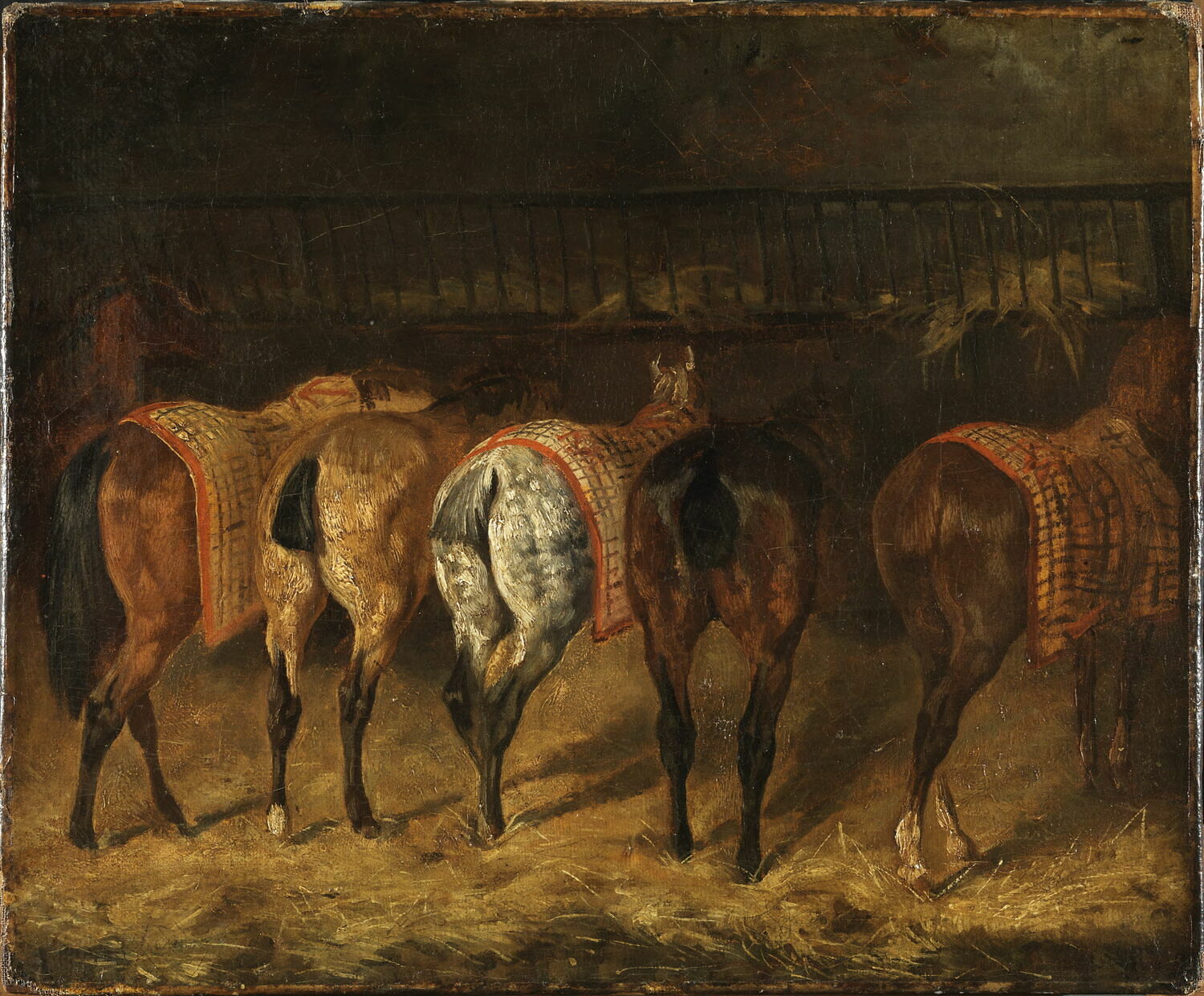
    Cinq chevaux vus par la croupe, dans une écurie, Géricault, Théodore,  (1820 - 1824)

    Théodore Géricault

    Cinq chevaux vus par la croupe, dans une écurie, (1820 - 1824)

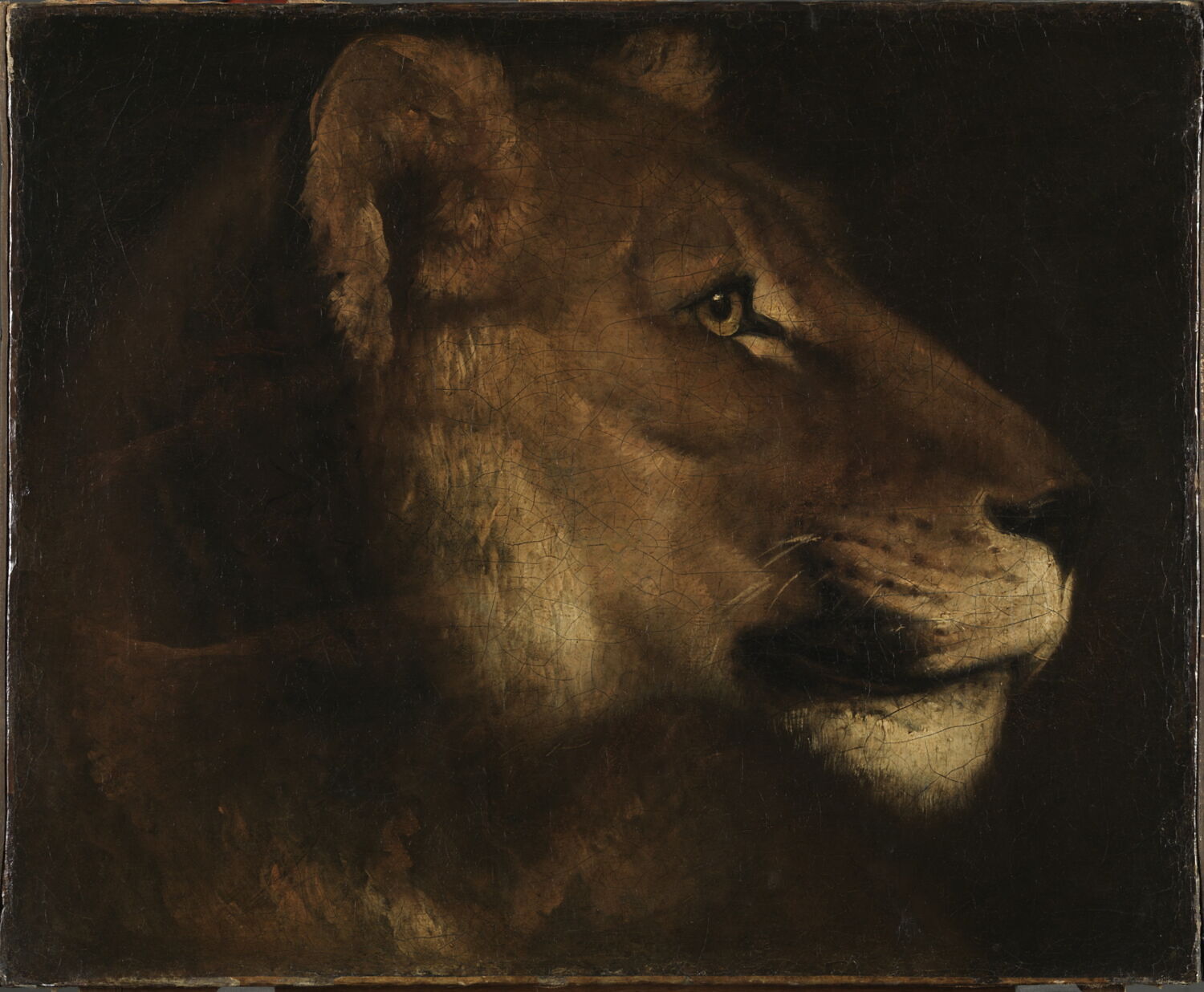
    Tête de lionne, Géricault, Théodore, 1e quart du XIXe siècle (vers 1819)

    Théodore Géricault

    Tête de lionne, first quarter of the 19th century (c. 1819)

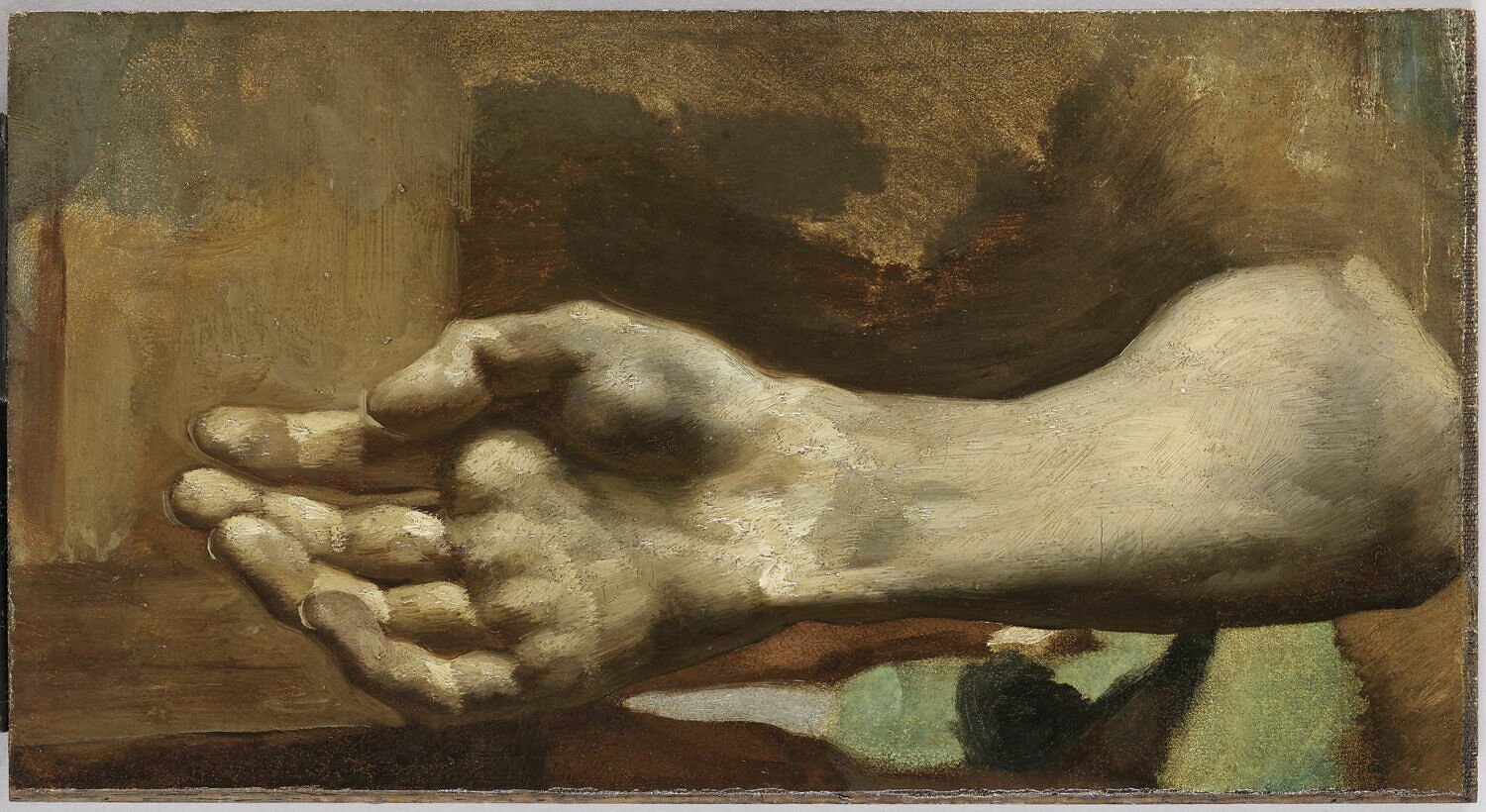
    Étude de main et d'avant-bras, Géricault, Théodore, 1e quart du XIXe siècle (vers 1818 - 1819)

    Théodore Géricault

    Étude de main et d'avant-bras, first quarter of the 19th century (c. 1818–1819)

    Le radeau de la Méduse, Géricault, Théodore, 1e quart du XIXe siècle (1818)

    Théodore Géricault

    Le radeau de la Méduse, first quarter of the 19th century (1818)

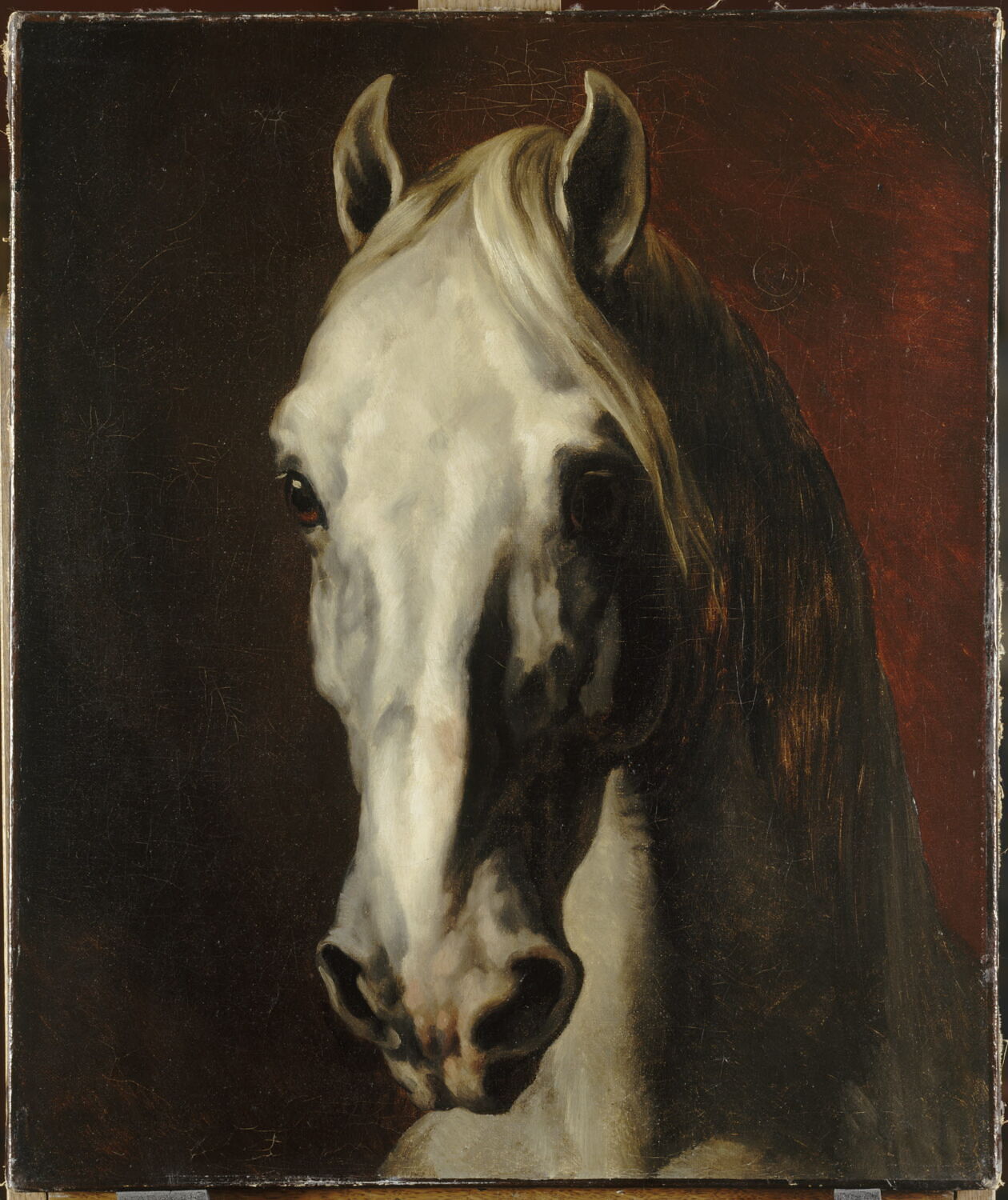
    Tête de cheval blanc, Géricault, Théodore, 1e quart du XIXe siècle (vers 1814 - 1815)

    Théodore Géricault

    Tête de cheval blanc, first quarter of the 19th century (c. 1814–1815)

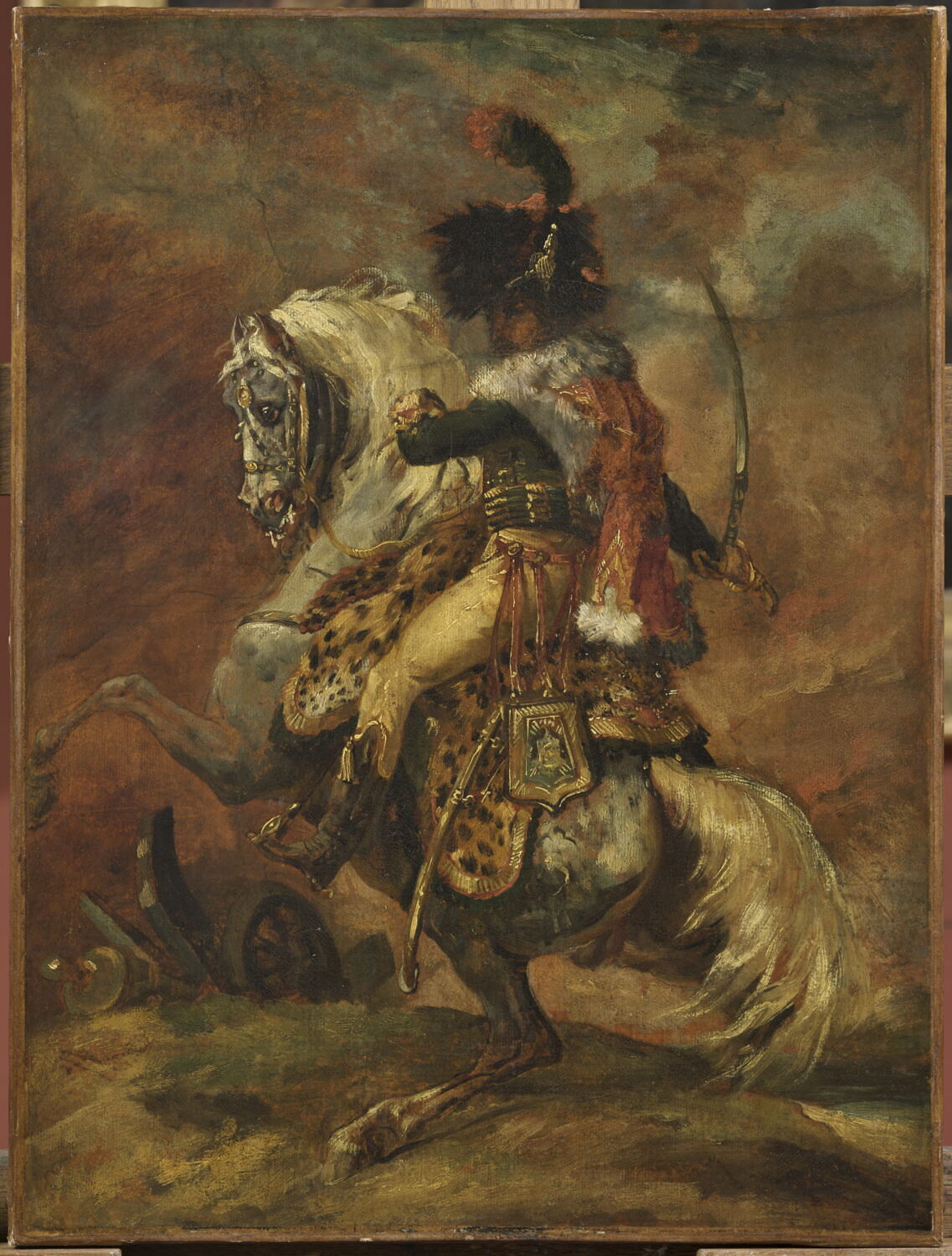
    Officier de chasseurs à cheval de la garde impériale chargeant, Géricault, Théodore, 1e quart du XIXe siècle (1812)

    Théodore Géricault

    Officier de chasseurs à cheval de la garde impériale chargeant, first quarter of the 19th century (1812)