ART WIKI33,040 on view
MapCollectionArtistsMuseumsExhibitionsJournal
Sign in

ART WIKI

Where the masterpiece hangs, and when they let you in.

Collections: Art Institute of Chicago, Getty Villa, Harvard Art Museums, Hirshhorn Museum and Sculpture Garden, J. Paul Getty Museum, Minneapolis Institute of Art, Musée du Louvre, National Gallery of Art, National Museum of Asian Art, National Portrait Gallery (Smithsonian), Pushkin State Museum of Fine Arts, Rijksmuseum, Smithsonian American Art Museum, SMK — National Gallery of Denmark, State Hermitage Museum, State Russian Museum, The Cleveland Museum of Art, The Metropolitan Museum of Art, The Museum of Modern Art, Tretyakov Gallery, Victoria and Albert Museum, Whitney Museum of American Art, State Catalogue of the Museum Fund of Russia (274 museums), Europeana (19 museums), Wikidata (6 museums), Paris Musées (12 museums), and Joconde, the French Ministry of Culture's museum database (495 museums). Images belong to their rights holders.

Sections

  • Map
  • Search
  • Collection
  • Masterpieces
  • On view now
  • Artists

More

  • Museums & galleries
  • Exhibitions
  • Journal
  • Where the data comes from
  • Privacy & cookies
HomeMapBrowse
  1. Collection/
  2. Musée du Louvre/
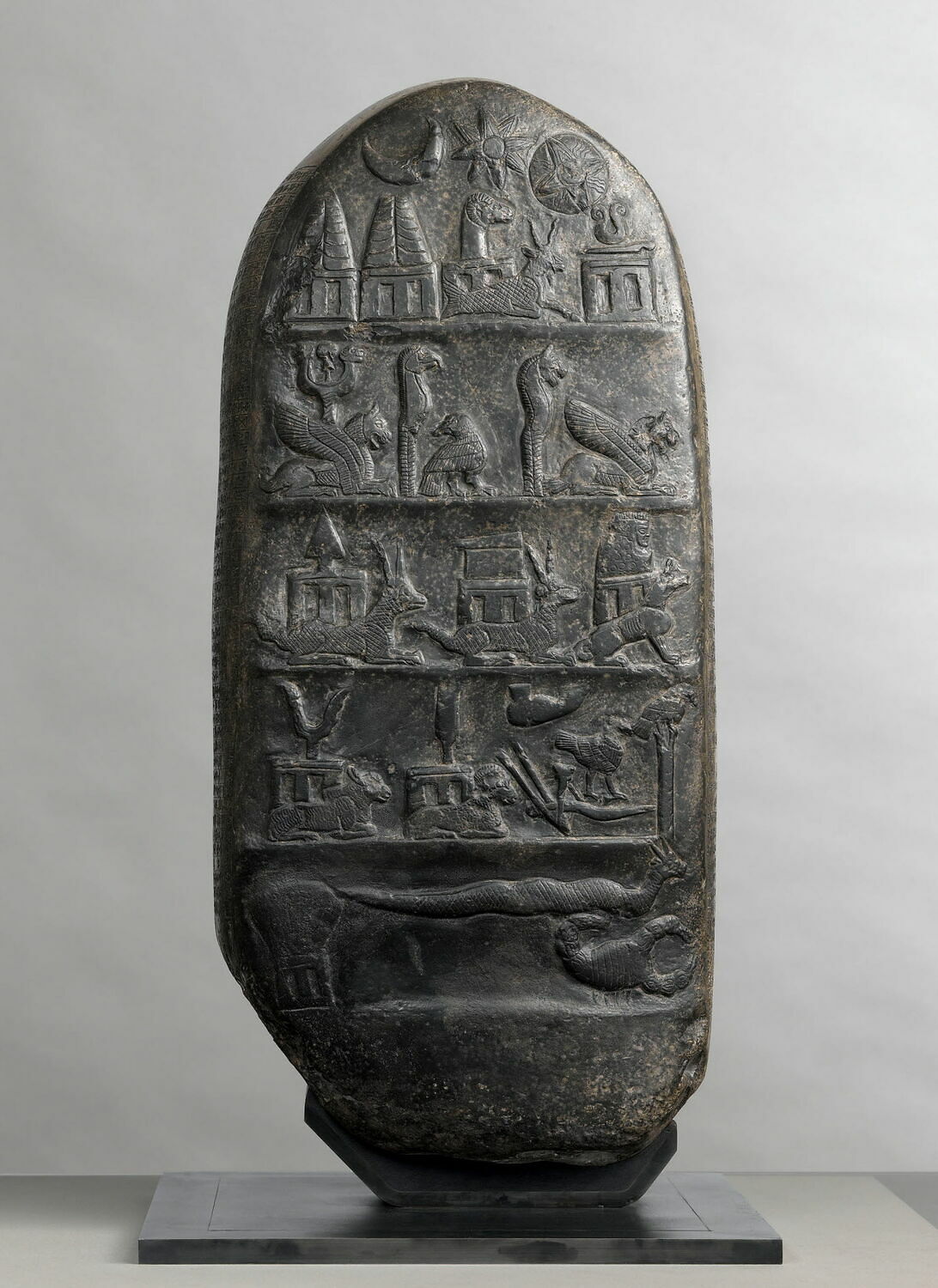
  3. Kudurru de Meli-Shipak
Kudurru de Meli-Shipak, Kassite : Melishipak = Kassite : Melishihu (-1186 - -1172)
Date de réutilisation : Médio-élamite (-1500 - -1100)

Kudurru de Meli-Shipak

Kassite : Melishipak = Kassite : Melishihu (-1186 - -1172) Date de réutilisation : Médio-élamite (-1500 - -1100) · Near Eastern antiquities

May one see it?

Unknown

Musée du Louvre

Paris, France

The owner is known; whether it is on view today is not.

In this state since
Sep 26, 2026
Source
The museum
On the mapMuseum page

About the sculpture

The Land grant to Marduk-apla-iddina kudurru is a grey limestone 0.7-meter tall ancient Mesopotamian narû or entitlement stele recording the gift of four tracts of cultivated land with settlements totaling 84 GUR 160 qa by Kassite king of Babylon, Meli-Šipak (c. 1186–1172 BC), to a person described as his servant (arassu irīm: "he granted his servant") named Marduk-apla-iddina, who may be his son and/or successor or alternatively another homonymous individual. The large size of the grant together with the generous freedom from all territorial obligations (taxation, corvée, draft, foraging) has led historians to assume he was the prince. There are thirty six kudurrus which are placed on the basis of art-history to Meli-Šipak's reign, of which eight are specifically identified by his name. This is the best preserved of all of them.

Wikipedia · CC BY-SA

Particulars

Accession number
SB 22

In the catalog

SculptureBabylonie = Sumer

Sources

  • Musée du Louvre
  • Image: Musée du Louvre — © 2007 GrandPalaisRmn (musée du Louvre) / René-Gabriel Ojéda

Neighbors at Musée du Louvre

Museum page
Portrait of Marten Soolmans, Rembrandt van Rijn, 1634

Rembrandt van Rijn

Portrait of Marten Soolmans, 1634

Portrait of Oopjen Coppit, Rembrandt van Rijn, 1634

Rembrandt van Rijn

Portrait of Oopjen Coppit, 1634

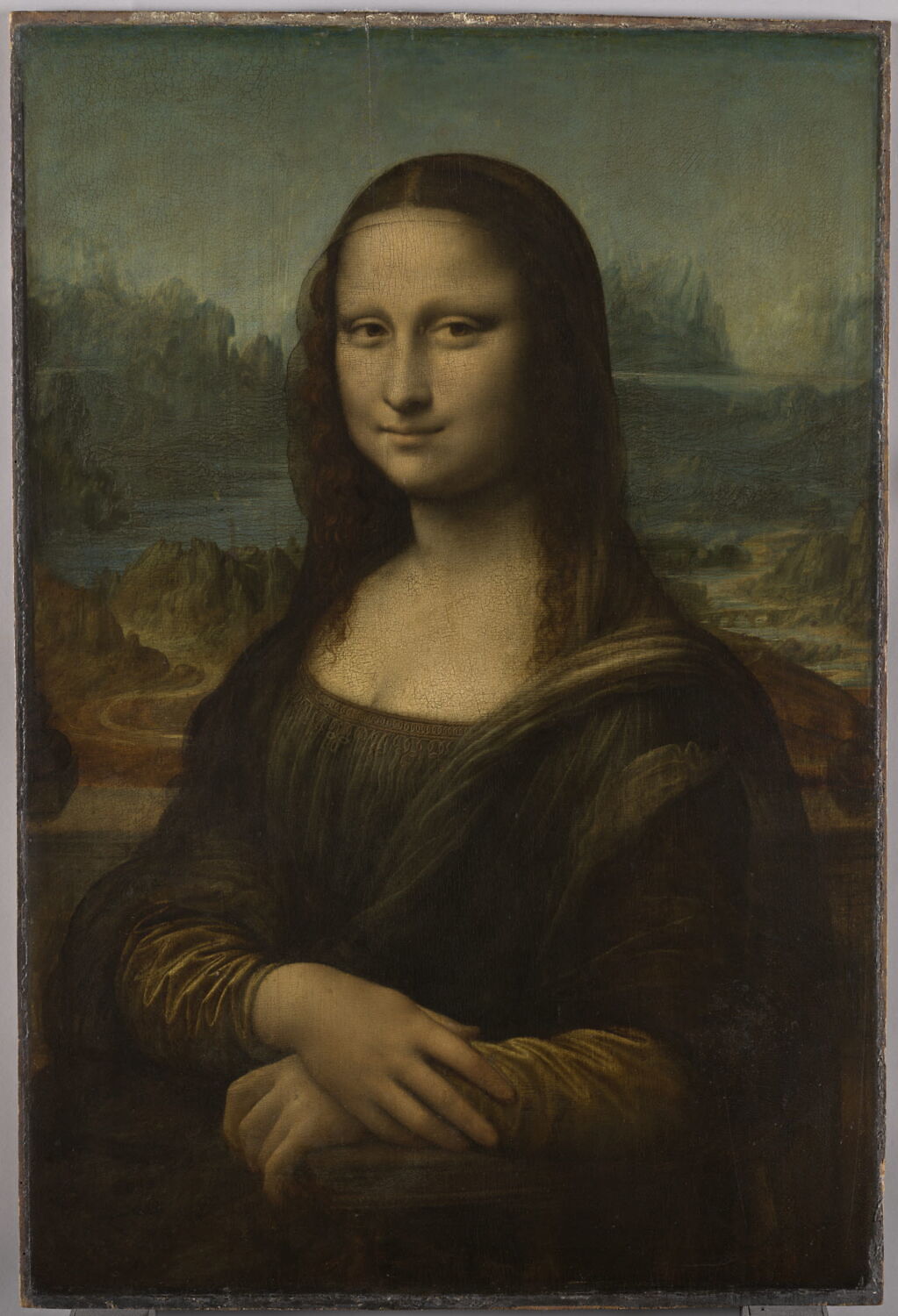
Portrait de Lisa Gherardini, épouse de Francesco del Giocondo, dit La Joconde ou Monna Lisa, Léonard de Vinci, 1e quart du XVIe siècle (1503 - 1519)

Leonardo da Vinci

Mona Lisa, first quarter of the 16th century (1503–1519)

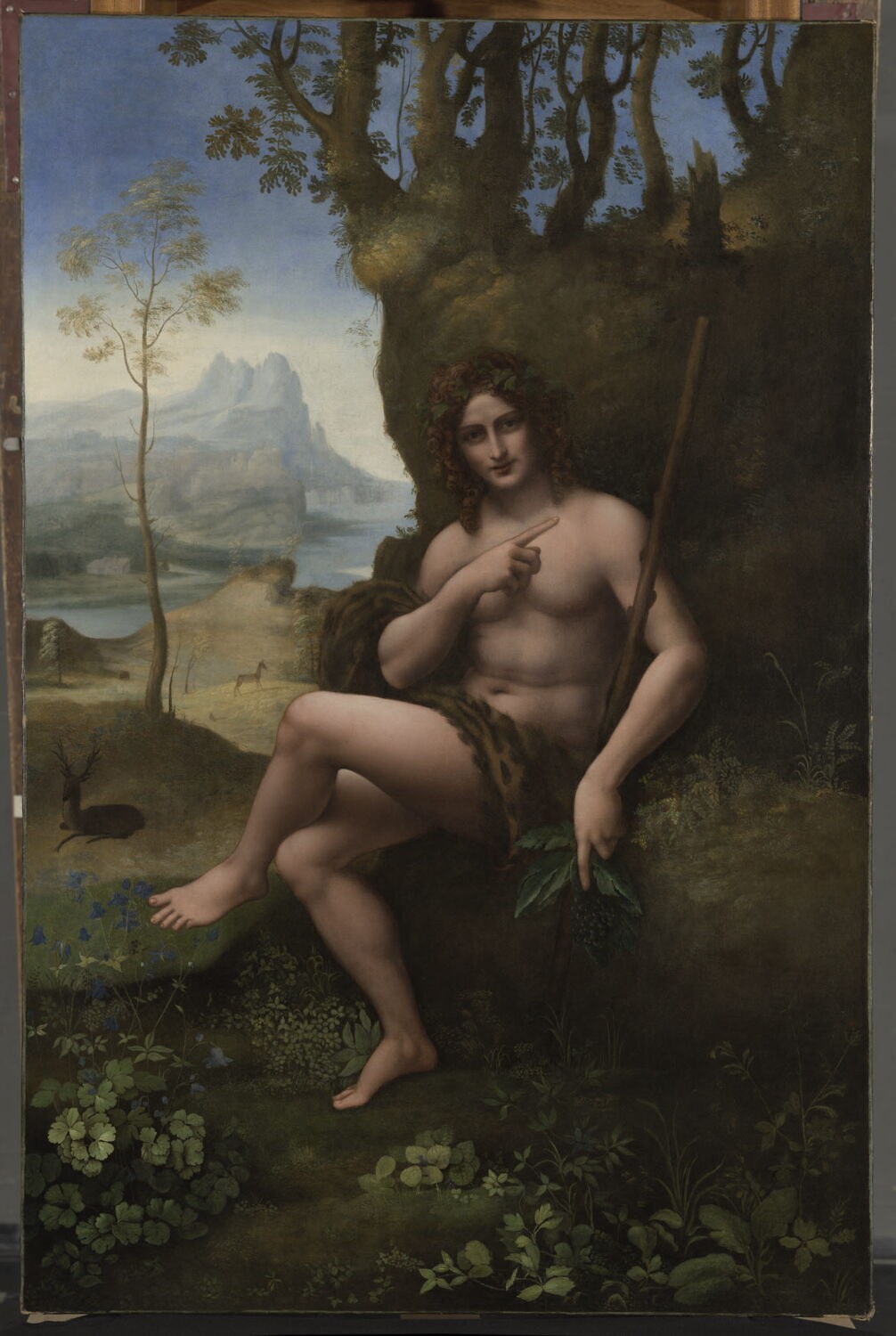
Saint Jean Baptiste, Léonard de Vinci, 1e quart du XVIe siècle (vers 1517 - 1520)

Leonardo da Vinci

Bacchus, first quarter of the 16th century (c. 1517–1520)

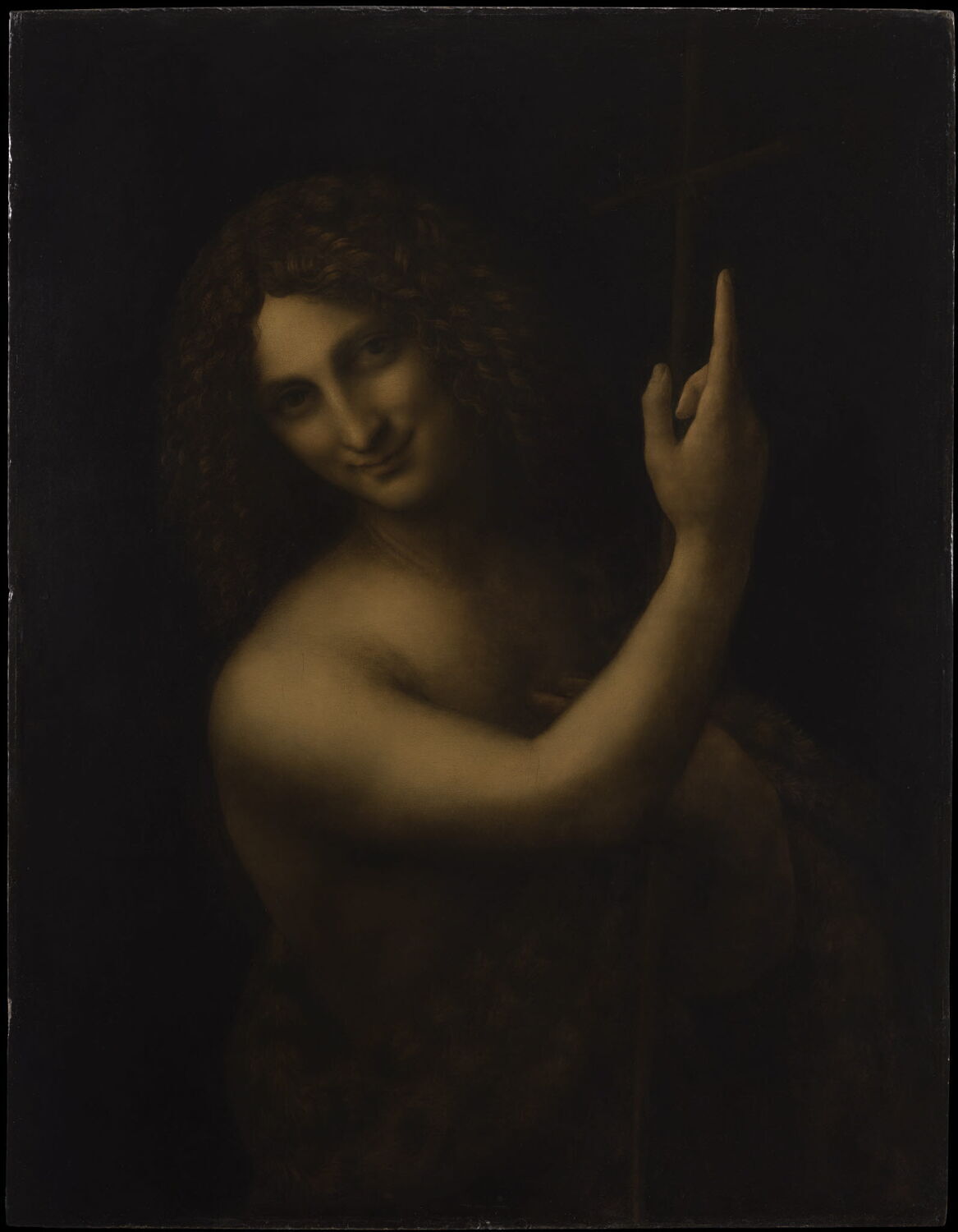
Saint Jean Baptiste, Léonard de Vinci, 1e quart du XVIe siècle (vers 1508 - 1519)

Leonardo da Vinci

Saint John the Baptist, first quarter of the 16th century (c. 1508–1519)

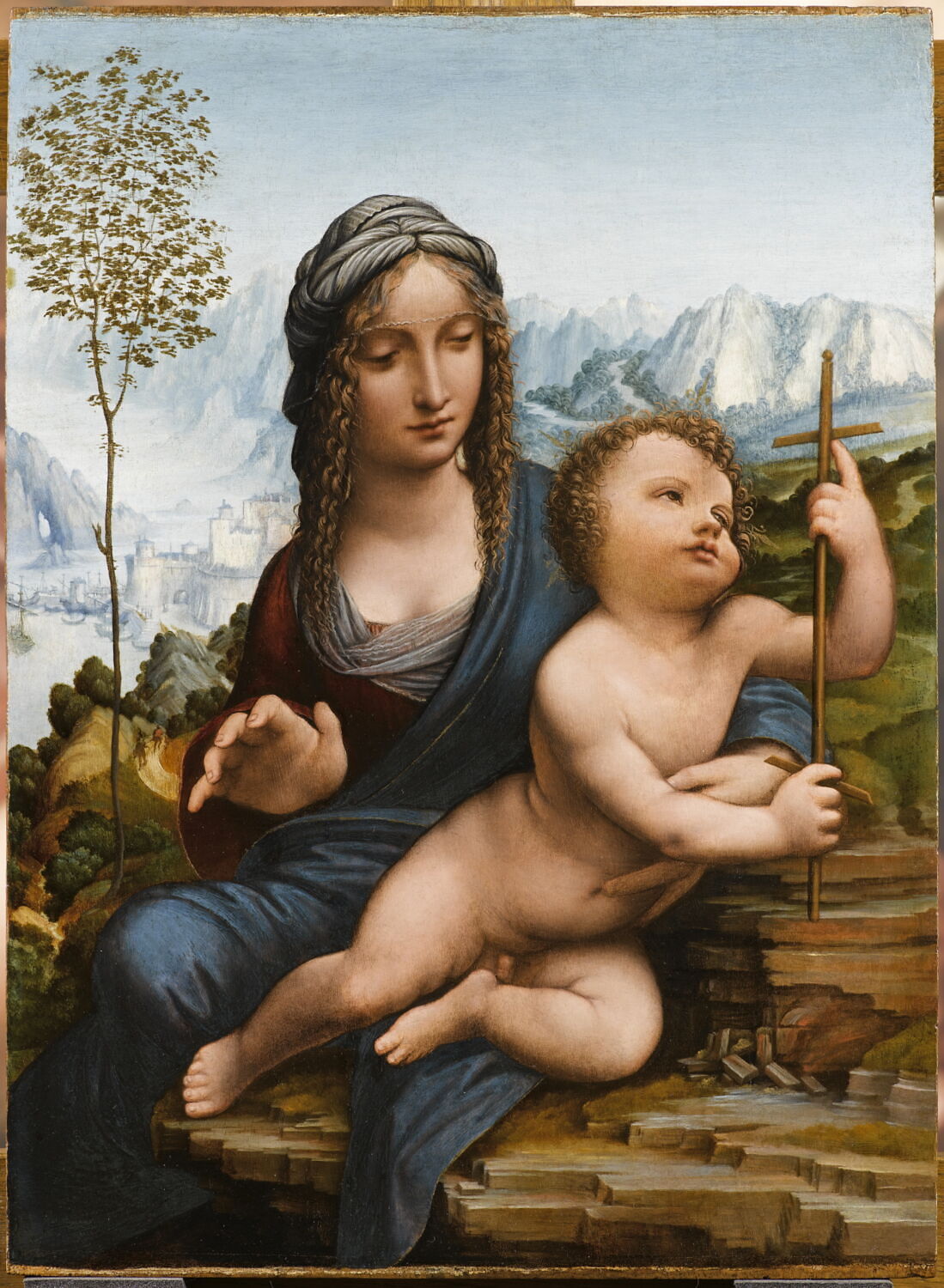
La Vierge et l'Enfant Jésus, dite Vierge au dévidoir ou Vierge aux fuseaux, Léonard de Vinci, XVIe siècle (vers 1505 - 1520)

Leonardo da Vinci

La Vierge et l'Enfant Jésus, dite Vierge au dévidoir ou Vierge aux fuseaux, 16th century (c. 1505–1520)

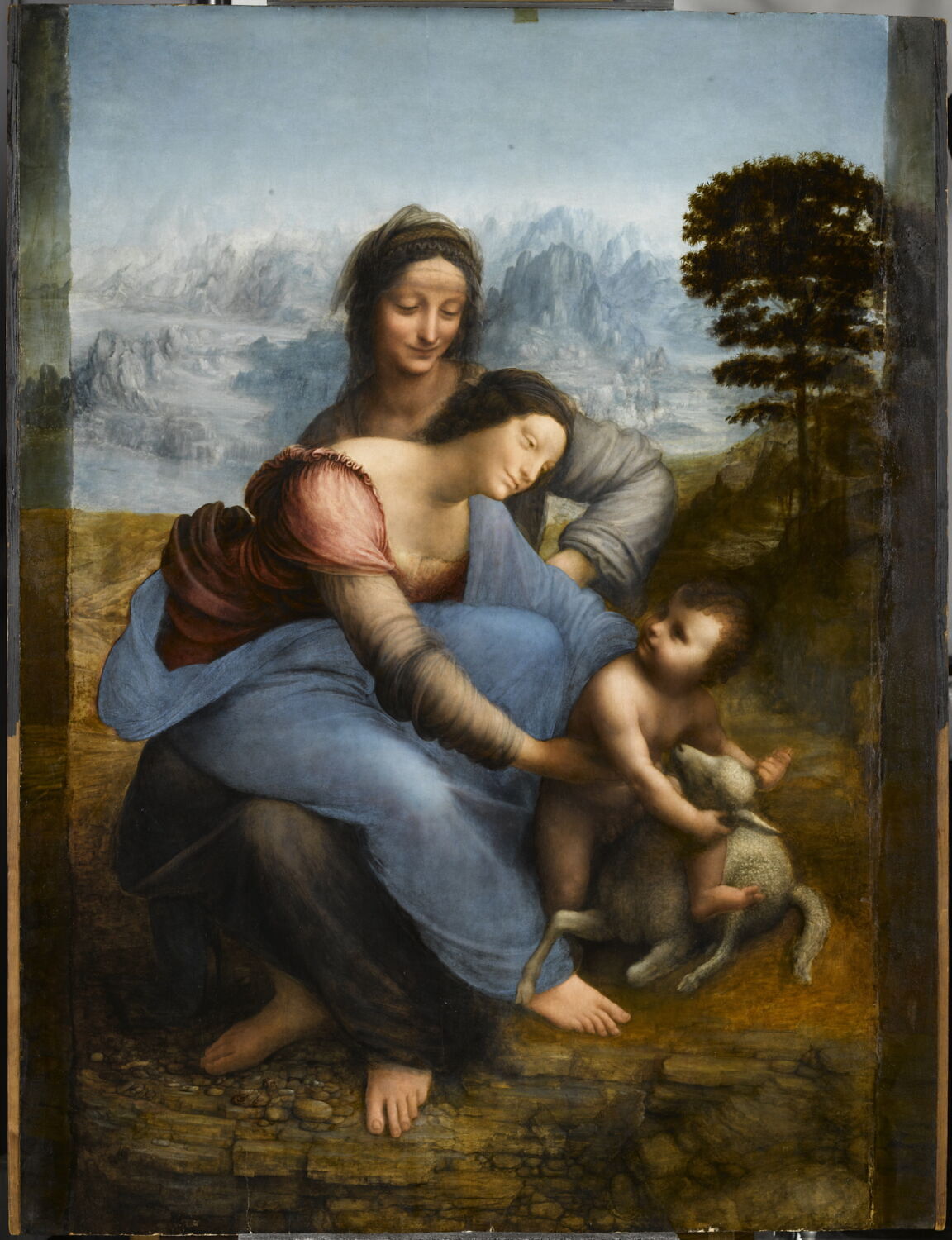
La Vierge, l'Enfant Jésus et sainte Anne, dit La Sainte Anne, Léonard de Vinci, 1e quart du XVIe siècle (vers 1503 - 1519)

Leonardo da Vinci

The Virgin and Child with Saint Anne, first quarter of the 16th century (c. 1503–1519)

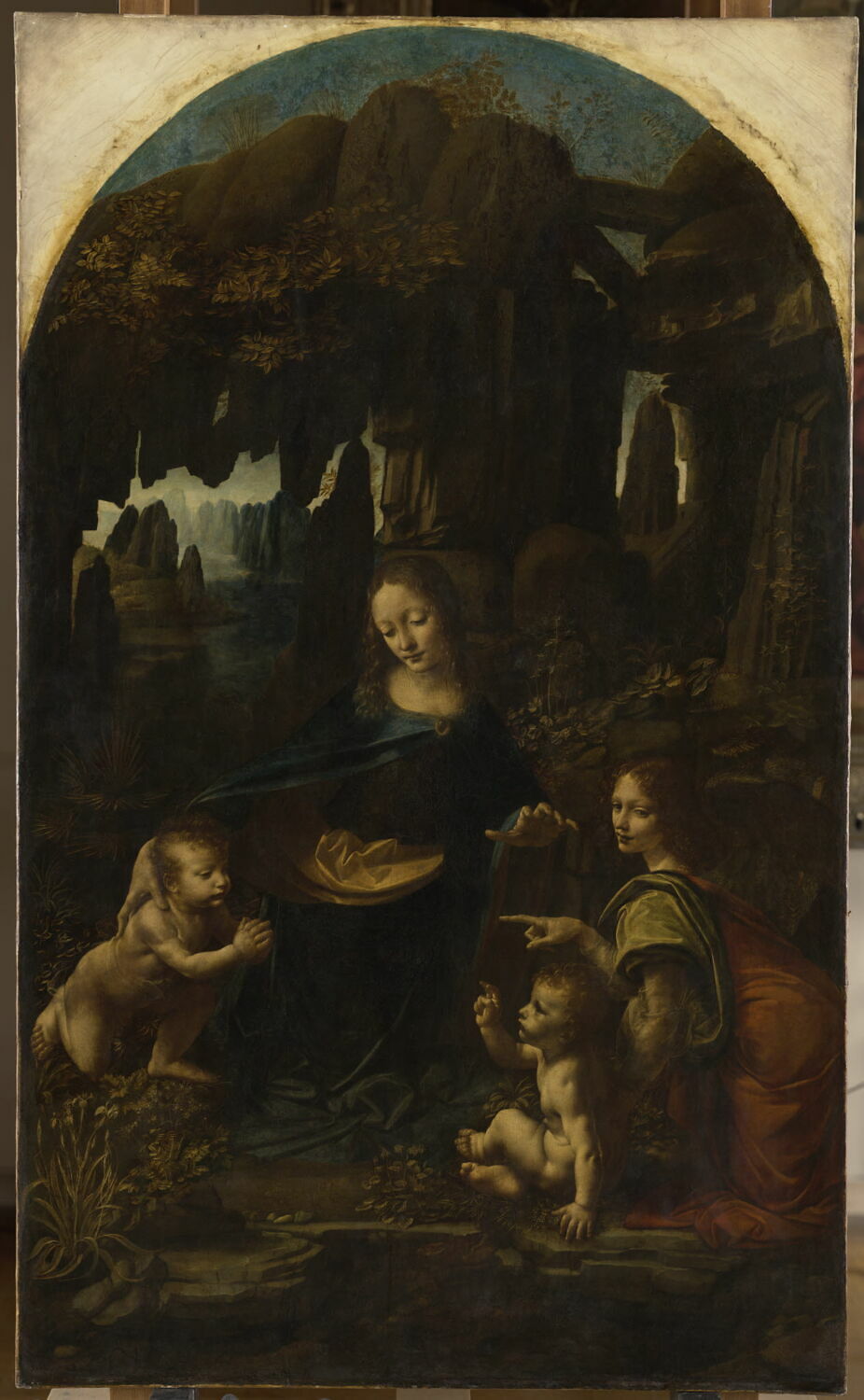
La Vierge, l'Enfant Jésus, saint Jean Baptiste et un ange, dit La Vierge aux rochers, Léonard de Vinci, 4e quart du XVe siècle (vers 1483 - 1494)

Leonardo da Vinci

La Vierge, l'Enfant Jésus, saint Jean Baptiste et un ange, dit La Vierge aux rochers, last quarter of the 15th century (c. 1483–1494)