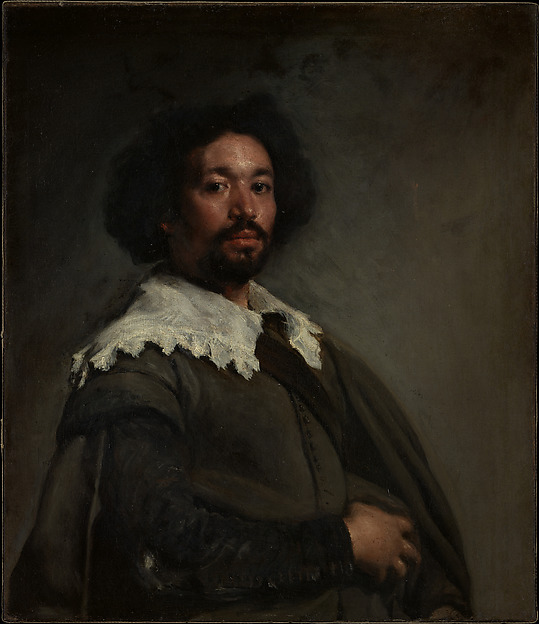
 Diego VelázquezSpanish, 1599–1660
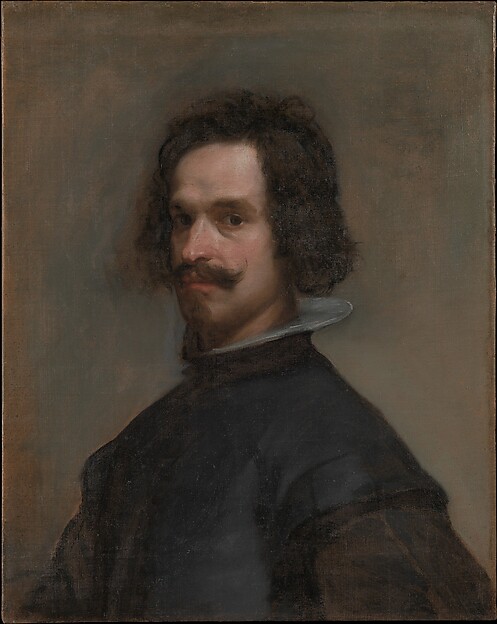
Portrait of Juan de Pareja
Juan de Pareja (ca. 1608–1670)
May one see it?
Yes, receiving visitors

The Metropolitan Museum of Art
Room625New York, United States
On public display.
- Checked
- 4 hours ago
- In this state since
- Sep 26, 2026
- Source
- The museum's own collection data
About the painting
The Portrait of Juan de Pareja is a painting by Spanish artist Diego Velázquez of the enslaved Juan de Pareja, a notable painter in his own right, who was owned by Velázquez at the time the painting was completed. Velázquez painted the portrait in Rome, while traveling in Italy, in 1650. It is the earliest known portrait of a Spanish man of moorish descent.
It was the first painting to sell for more than £1,000,000. At the time of the painting's purchase by the Metropolitan Museum of Art in 1970 they considered it "among the most important acquisitions in the Museum's history". The painting is on display in the museum’s main building on Fifth Avenue in New York City.
Particulars
- Accession number
- 1971.86
What it shows
Sources
- The Metropolitan Museum of Art: the museum's own open data · fetched 4 days ago
- Image: The Metropolitan Museum of Art — Open Access (CC0)
Meanwhile, in the life of Diego Velázquez
The whole life1622–1660 · Workplace
Madrid
1649
Second journey to Italy, buying art for the king
The king charged Velázquez with buying paintings and sculpture in Italy for the royal collection. With his assistant Juan de Pareja, at that time still a slave, he sailed from Málaga to Genoa and, travelling via Milan to Venice, bought works by Titian, Tintoretto and Veronese; in Modena the duke received him with much favour.
1649–1651
Travel: Italy
November 1650
Frees Juan de Pareja
Velázquez freed from slavery his assistant Juan de Pareja, whom he had himself trained in painting.
25 May 1651
Return to Madrid: the late period begins
Hurried home by the king, Velázquez left Italy; art historians date the start of his late period to his return to Madrid that June.
1652
Appointed aposentador mayor of the palace
The king chose Velázquez for the high office of aposentador mayor, responsible for the quarters occupied by the court. The demanding post took time from his art, yet his works of these years are among the summits of his style.