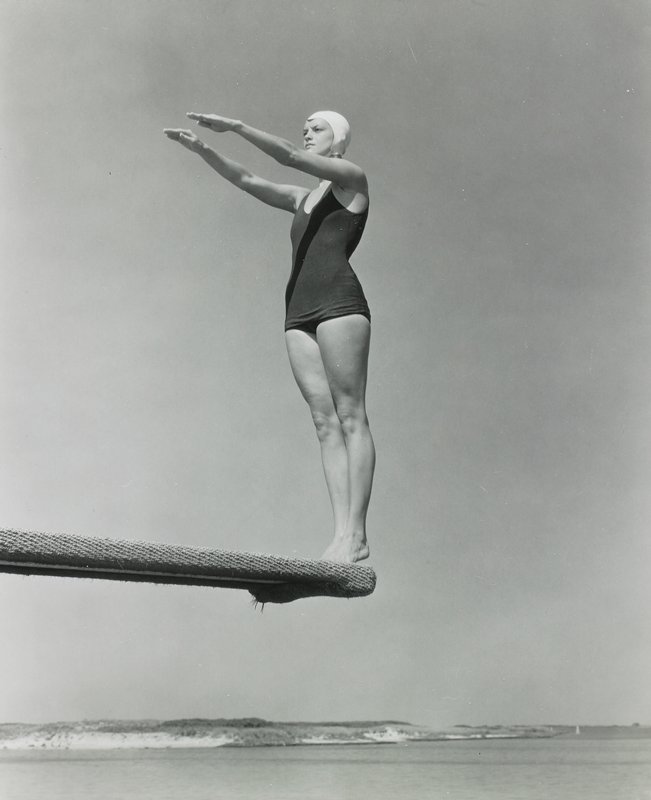
 Edward SteichenAmerican, 1879–1973
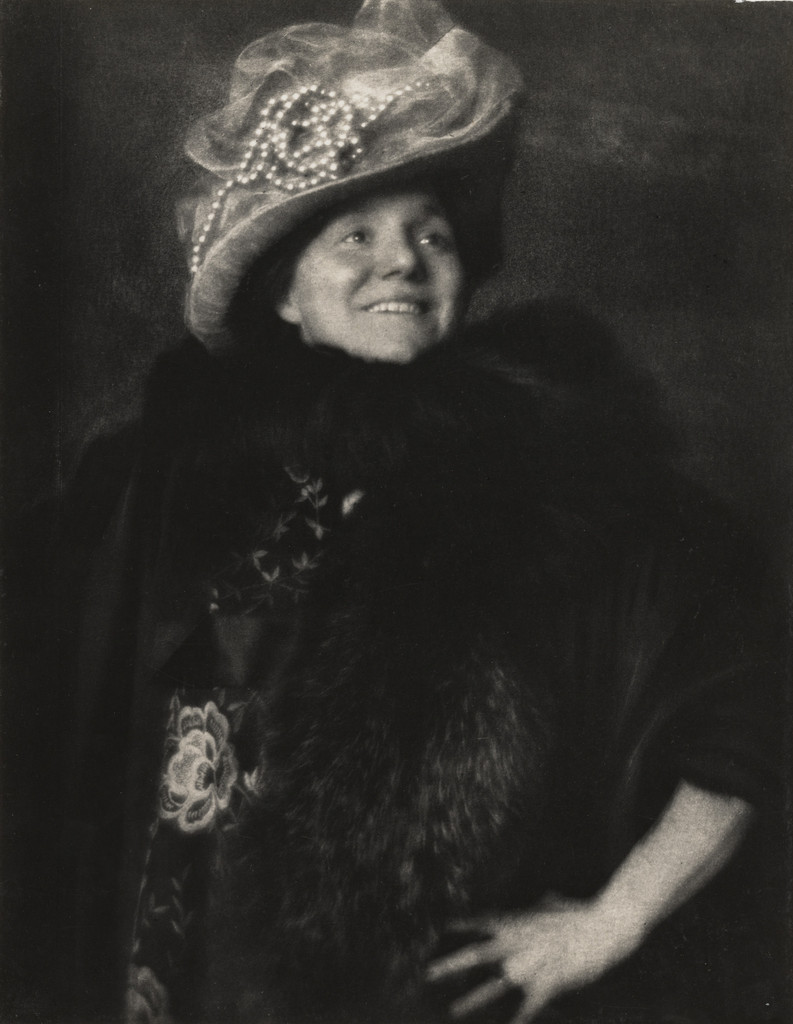
Jane Fauntz (Olympic Team)
May one see it?
Not receiving at present

Minneapolis, United States
It belongs to the collection, but is not on display at present.
- Checked
- In this state since
- Source
- The museum
Particulars
- Accession number
- 82.28.50
In the catalog
Sources
- Minneapolis Institute of Art
- Image: Minneapolis Institute of Art — © The Estate of Edward Steichen / Artists Rights Society (ARS), New York
Meanwhile, in the life of Edward Steichen
The whole life1900
Meets Stieglitz on the way to Paris
He leaves Milwaukee for Paris to study art; on a letter of introduction from Clarence H. White he meets Alfred Stieglitz in New York, who praises his background in painting and buys three of his photographic prints. He will spend several years in Paris and discover avant-garde art there.
1902
The Camera Work logo and the Photo-Secession
When Stieglitz is planning the magazine that becomes Camera Work, he asks Steichen to design its logo with a custom typeface; Steichen becomes the most frequently shown photographer in the journal. In the same year he is one of the founders of the Photo-Secession in New York.
1905
The Little Galleries of the Photo-Secession
With Stieglitz he creates the Little Galleries of the Photo-Secession in what had been Steichen’s portrait studio; the gallery later becomes known as 291 after its address and presents some of the first American exhibitions of Rodin, Matisse, Cézanne, Picasso and Brâncuși. Constantly crossing between Europe and the US by steamship, he becomes, in the art historian William A. Ewing’s words, one of the earliest “jet setters,” bringing European art to America.
1923
Chief photographer of Condé Nast
Condé Nast hires him at an extraordinary salary of $35,000; until 1938 he is chief photographer of Vogue and Vanity Fair, and is called the “greatest living portrait photographer.” He also works for advertising agencies, including J. Walter Thompson, and in these years is regarded as the most popular and highest-paid photographer in the world.
1947
Director of Photography at MoMA
On the strength of the attendance at his propaganda exhibitions Road to Victory and Power in the Pacific, he is appointed Director of Photography at the Museum of Modern Art, a post he holds until 1962; Beaumont Newhall resigns along with most of his staff. The appointment is protested by those who see him as anti-art photography: his own style seemed too commercial and popular.
25 March 1973
Died