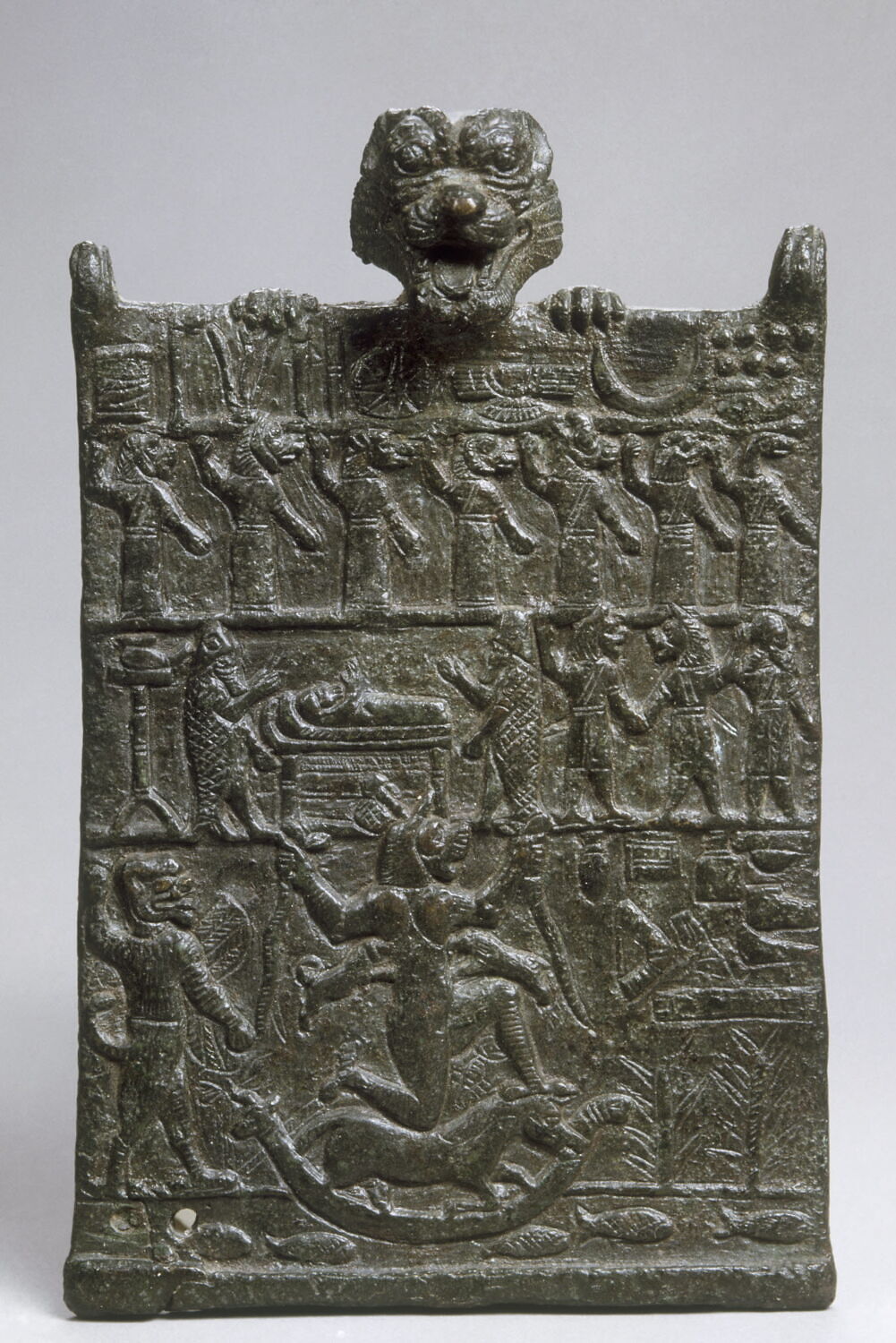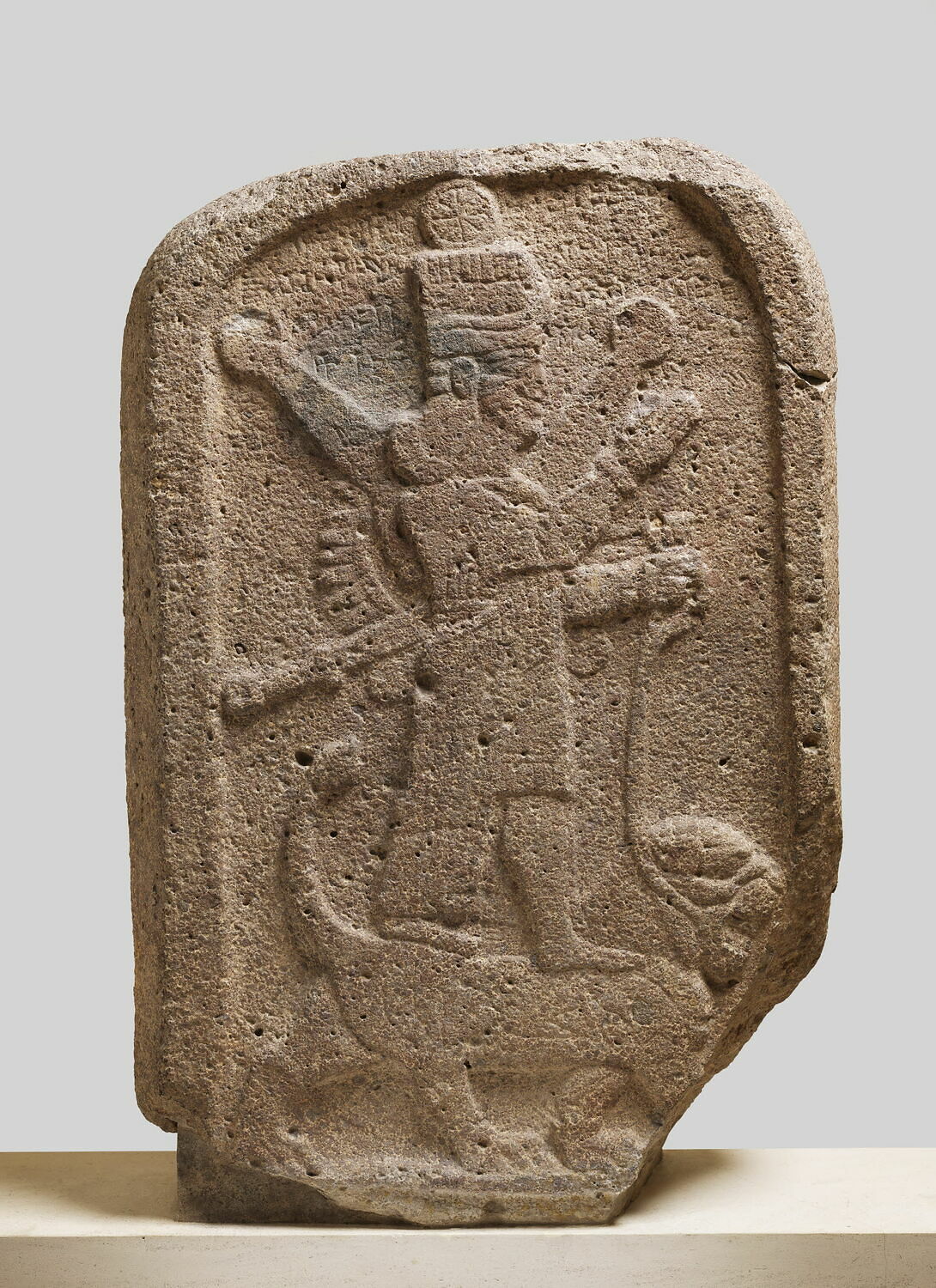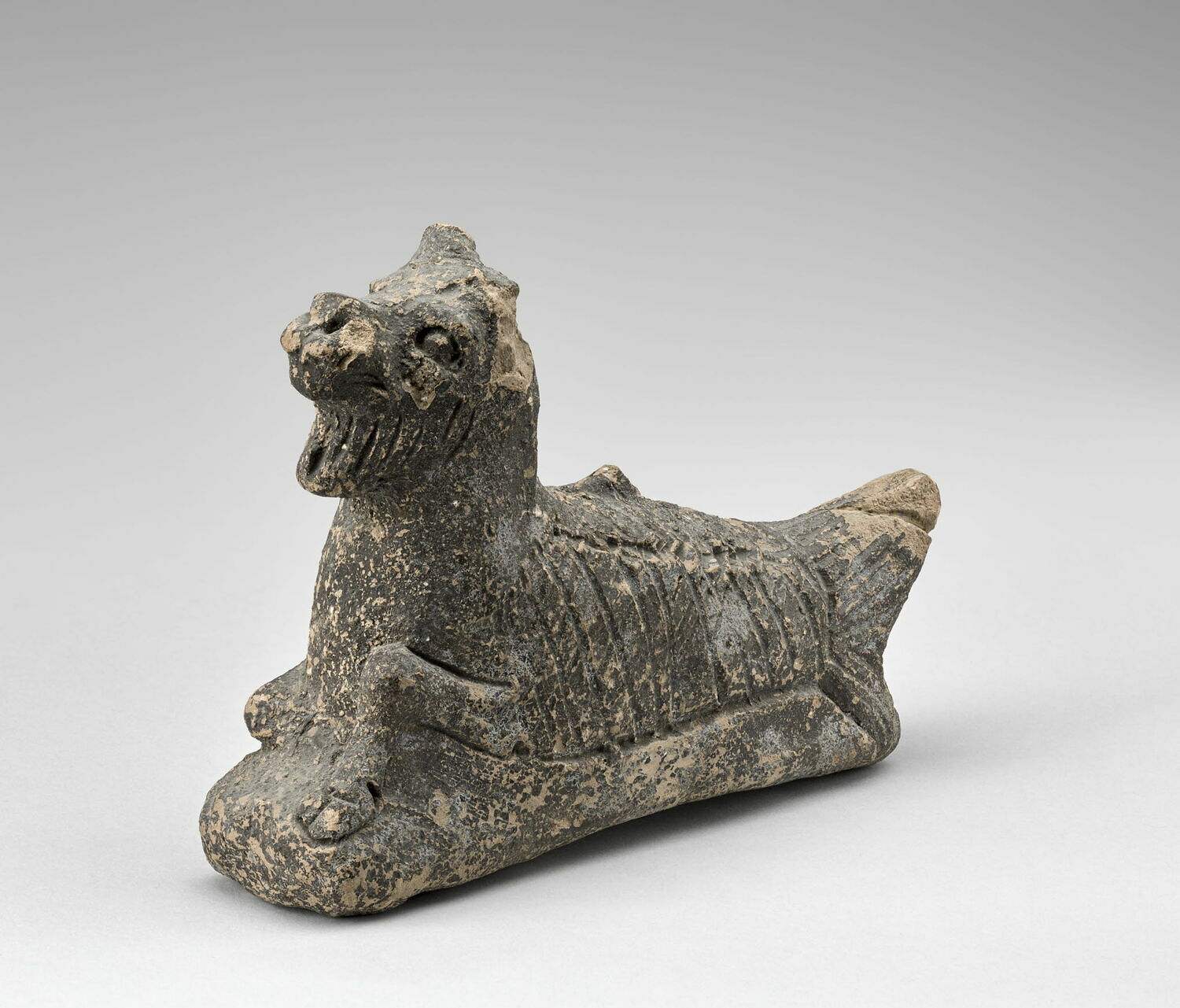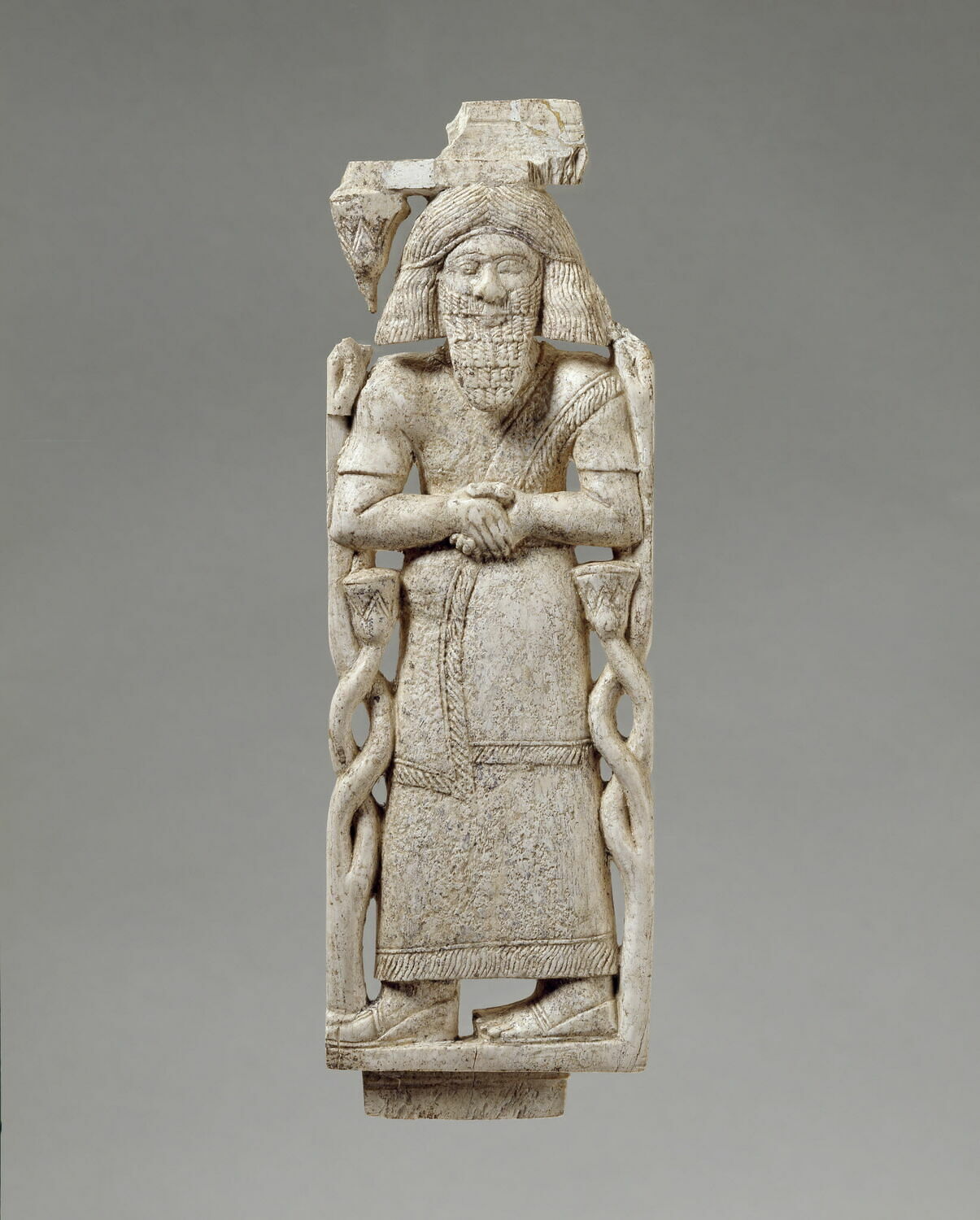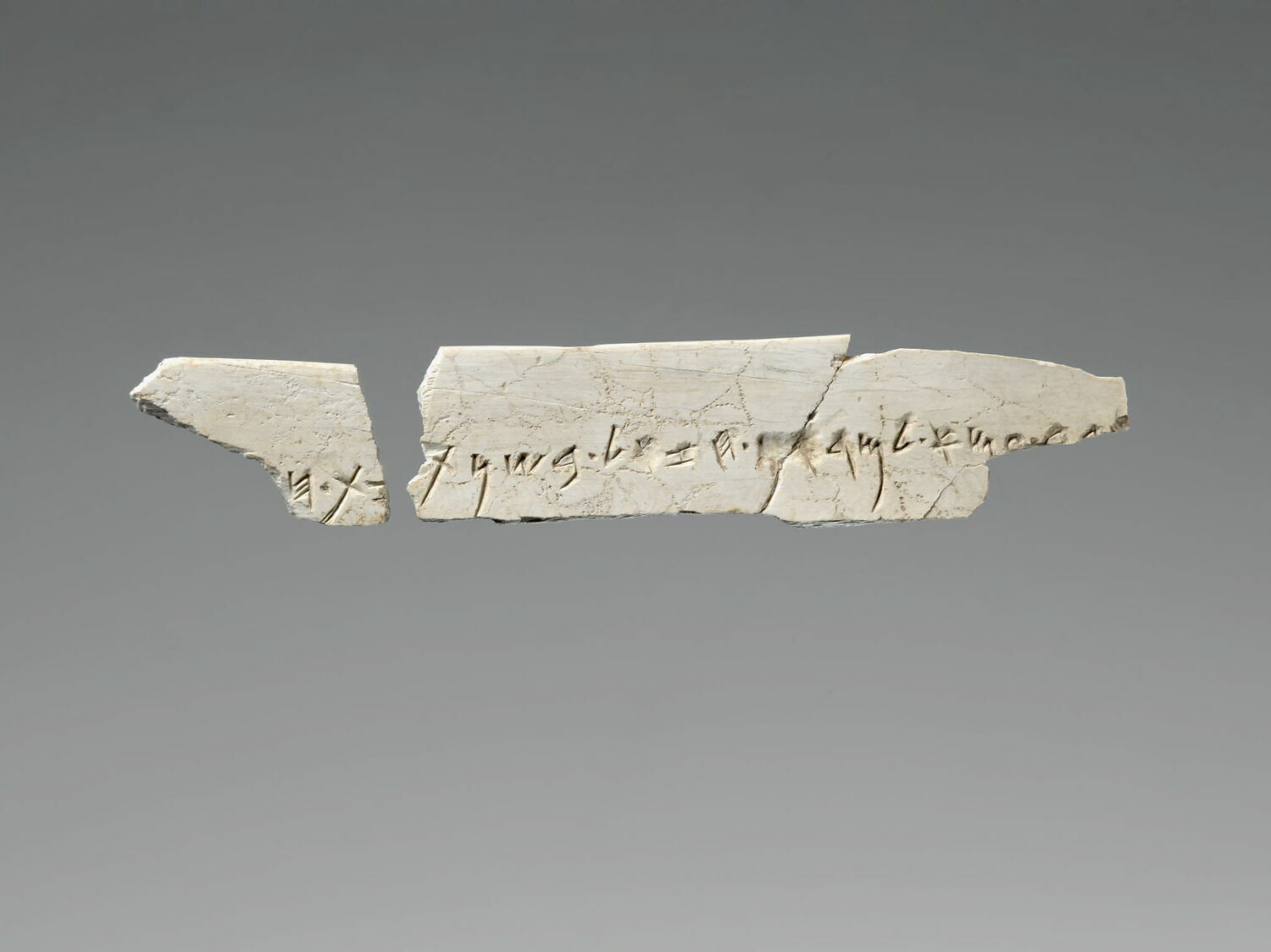
Ivoire d’Arslan Tash inscrit
Can I see it?
Yes, on view now
Where is “Ivoire d’Arslan Tash inscrit” now? Musée du Louvre, Salle 230, Aile Richelieu, Niveau 0, Paris. Yes, on view now. Checked September 26, 2026.

Open now· until 6:00 PM
On public display.
- Checked
- In this state since
- Source
- The museum
About the sculpture
Arslan Tash ivory inscription is a small ivory plaque with an Aramaic language inscription found in 1928 in Arslan Tash in northern Syria (ancient Hadātu) by a team of French archaeologists led by François Thureau-Dangin.
It has been dated to the late 9th century BCE, on the basis of the name "Hazael" in the inscription, who has been speculated to be the Biblical Hazael of Aram-Damascus. The inscription is known as KAI 232.
The plaque, along with many other ivory items, was found on the site of a palace from the 8th century BC belonging to the city's Neo-Assyrian governor.
Three parts of the plaque have been found; two parts fit together, the third one does not. The two joined parts together are 2 cm high and 7.9 cm long, while the third part is 1.9 cm high and 3.2 cm long. The entire inscription on the plate is usually reconstructed as follows:
Read on
This... son of Amma, engraved for our lord Hazael in the year...
Currently, the plaque is in the Louvre collection under the inventory number AO 11489.
Details
- Accession number
- AO 11489
In the catalog
Sources
- Musée du Louvre
- Image: Musée du Louvre — © 2011 Musée du Louvre, Dist. GrandPalaisRmn / Raphaël Chipault