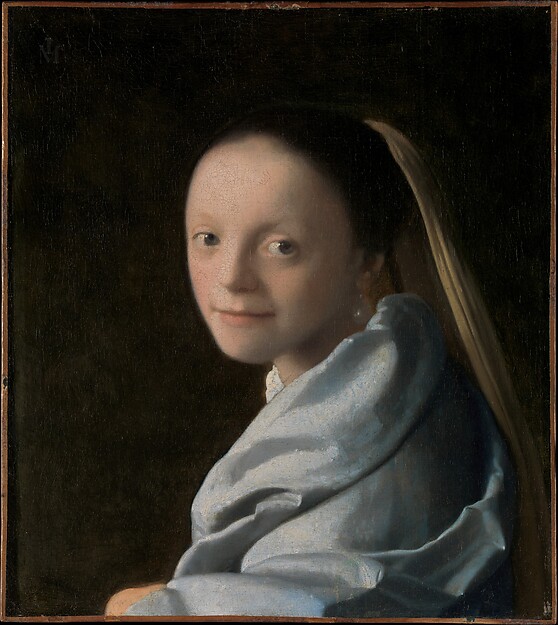
Anthony van DyckFlemish, 1599–1641
Isabella Brant
Can I see it?
Yes, on view now
Where is “Isabella Brant” now? National Gallery of Art, Gallery 42 · West Building, Main Floor, Washington, D.C. Yes, on view now. Checked September 29, 2026.

Open now· until 5:00 PM
On public display.
- Checked
- In this state since
- Source
- The museum
Details
- Accession number
- 1937.1.47
What it shows
In the catalog
Display history
On view · Gallery 42 · West Building, Main Floor
National Gallery of Art · Sep 29, 2026 — now · Verified
Was on view · Gallery 42 · West Building, Main Floor
National Gallery of Art · Sep 29, 2026 — Sep 29, 2026 · Verified
Was on view · Gallery 42 · West Building, Main Floor
State Hermitage Museum · Sep 28, 2026 — Sep 29, 2026 · Verified
Was on view · Gallery 42 · West Building, Main Floor
National Gallery of Art · Aug 30, 2026 — Sep 28, 2026 · Verified
Sources
- State Hermitage Museum
- Image: National Gallery of Art — Museum open access
In the life of Anthony van Dyck
The whole lifeOctober 1620
First Trip to London to the Court of James I
In October 1620, at the age of twenty-one, Van Dyck moved to London to the court of King James I at the urging of the Duke of Buckingham and the Earl of Arundel; he received an annual pension of one hundred pounds sterling from the king.
20 November 1621
Departure for Italy, Arrival in Genoa
In 1621 Van Dyck decided to go to Italy; Rubens supplied him with funds and letters of introduction. On 20 November 1621 he arrived in Genoa and remained in Italy for six years, where his fame as a portraitist was consolidated.
winter 1622
Winter in Venice, Studying Titian
Van Dyck spent the winter of 1622 in Venice, where, accompanied by Titian's nephew Cesare Vecellio, he fulfilled a long-held dream of seeing the works of Titian and Paolo Veronese; on the way he stopped in Bologna and Parma, where he admired Correggio's frescoes.
February 1622
Journey to Rome
In February 1622 Van Dyck left for Rome, where he stayed until August of that year and for most of 1623; he was introduced into the best circles of society and copied Renaissance masterpieces at the Palazzo Ludovisi and the Villa Borghese.