 Nicholas RoerichRussian, 1874–1947
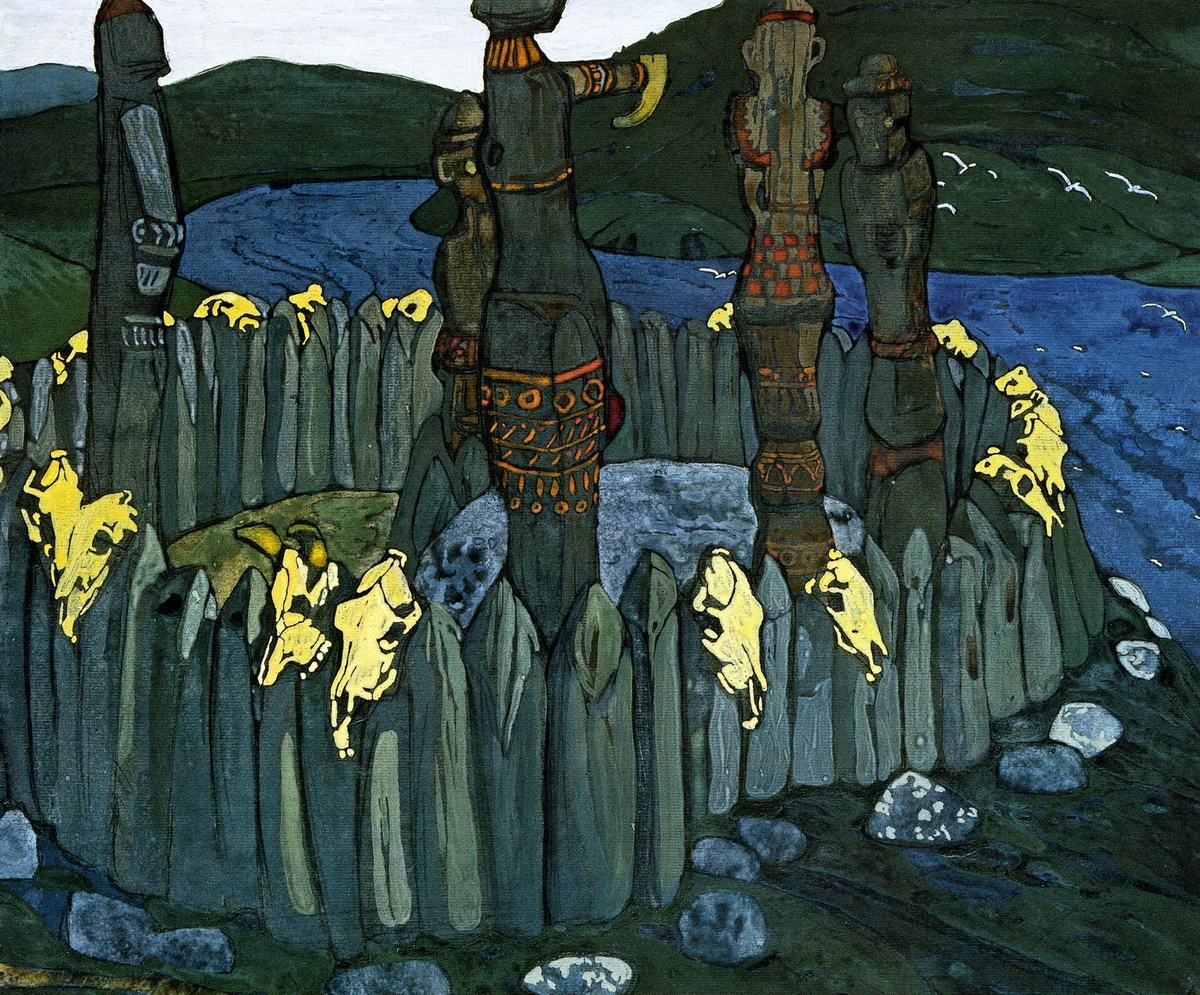
Идолы
Can I see it?
Unknown
Where is “Идолы” now? Collection: State Russian Museum, Saint Petersburg. Unknown.

Saint Petersburg, Russia
The owner is known; whether it is on view today is not.
- In this state since
- Source
- The museum
About the painting
Museum text in Russian
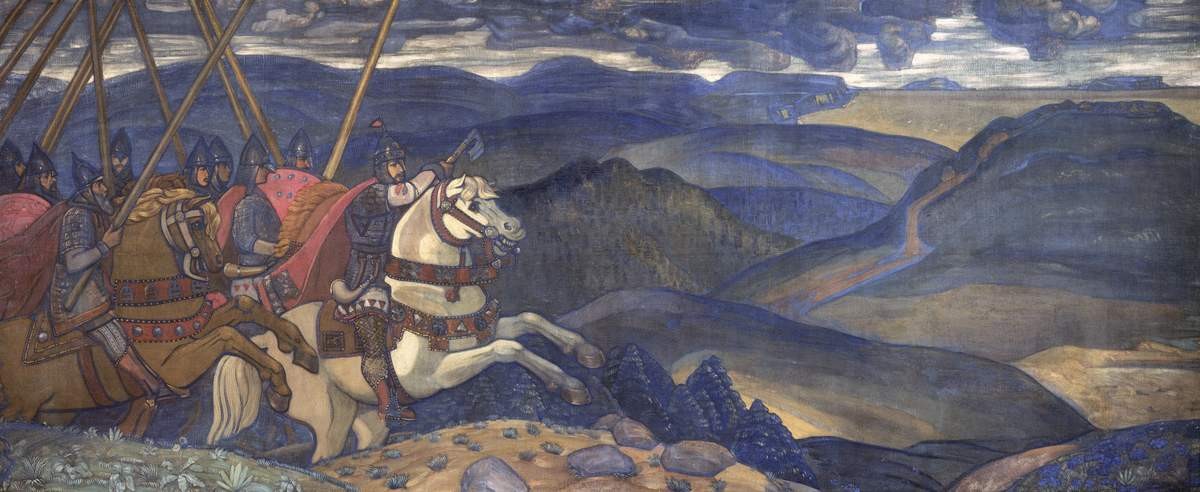
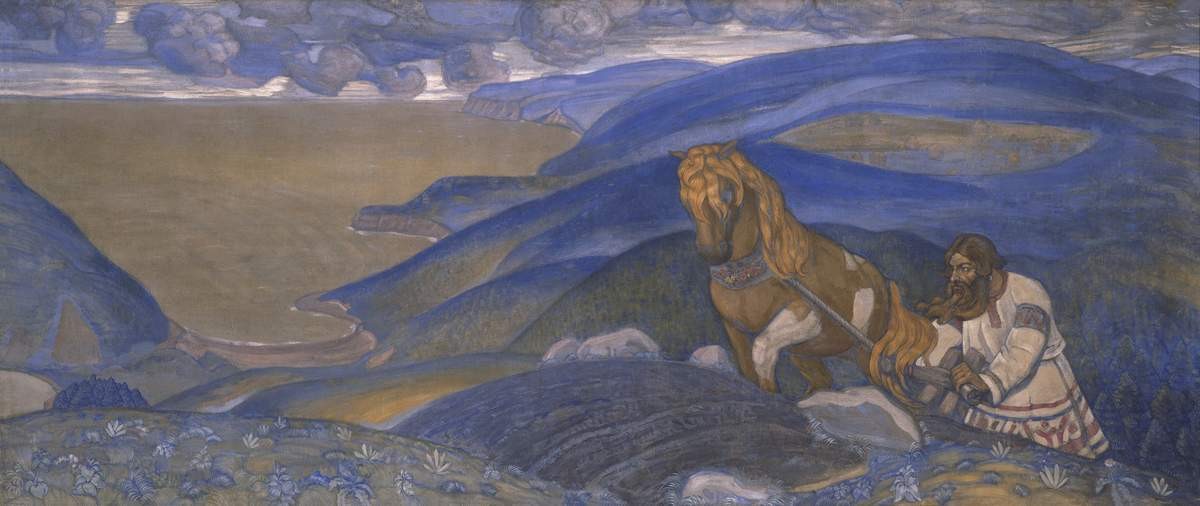
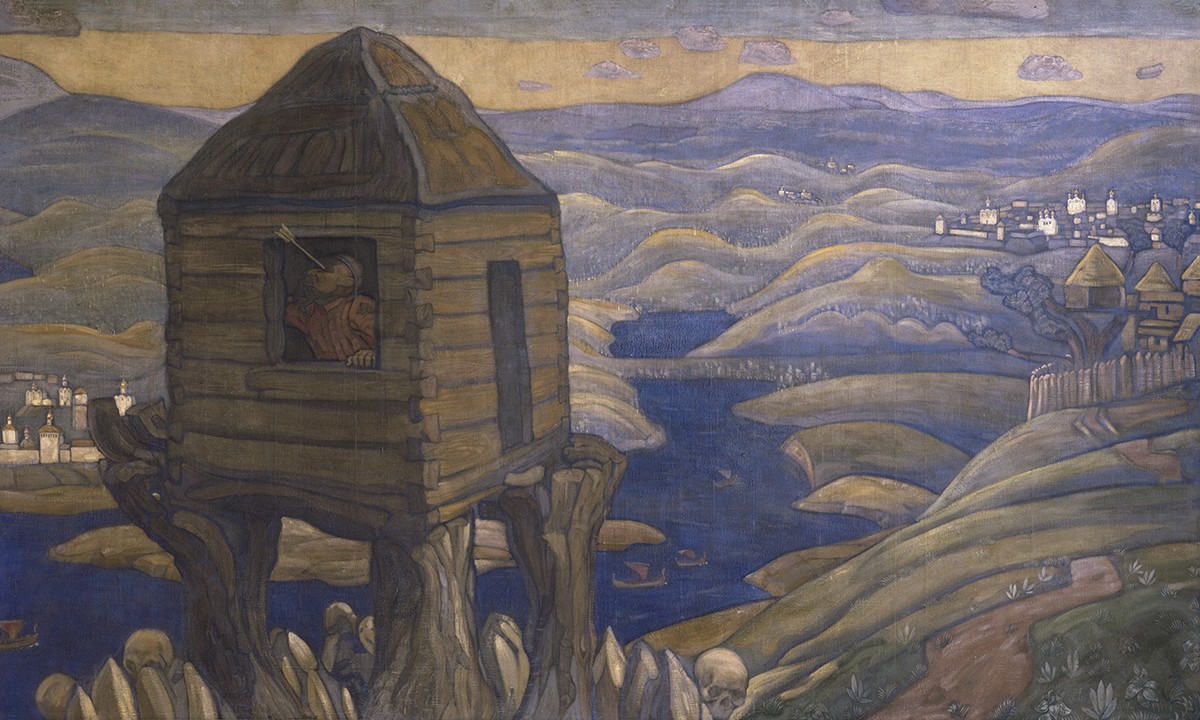
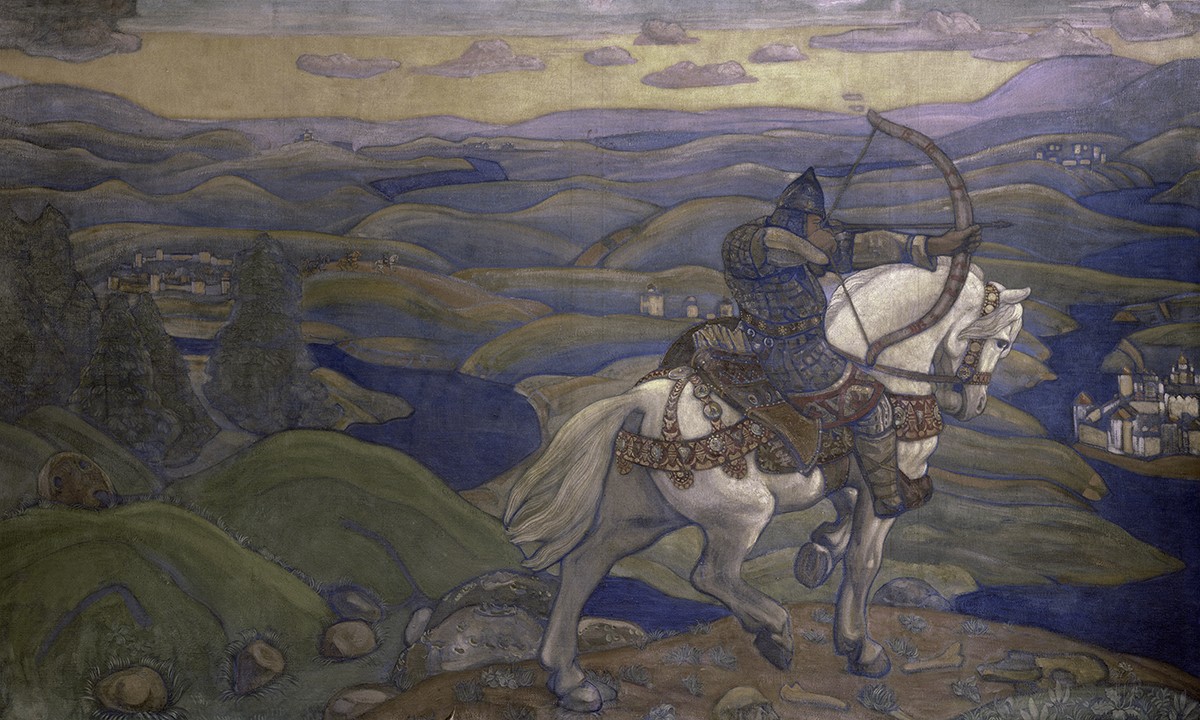
Еще в ранние годы воображение Рериха волновали деревянные изображения древних языческих богов. Идолы невольно связывались в представлении Рериха с лесными курганами в окрестностях Петербурга. Про эти места он слышал смутные предания о том, что сюда в далекие времена приходили молиться. Эти предания и археологические находки, какие он видел своими глазами, навели на мысль о создании картины «Идолы». « Эскиз к идолам меня радует — он сильный, яркий, в нем ни драмы, ни сентиментальности, а есть здоровое языческое настрое ние», — писал художник о своем детище в процессе работы. Галина Кречина // Николай Рерих. В поисках Шамбалы. СПб, 2020. С. 19.
Read on
Николай Рерих внес новую тему в ретроспективизм «Мира искусства» — интерес к «архаике», к ранней языческой цивилизации европейского Севера. Его творчество питали серьезное, с юношеских лет, увлечение археологией и изучение древних религиозных верований. Принадлежащая серии «Русь» картина «Идолы» изображает капище — место, где молились и приносили жертву своим богам первые жители этого края. Низко нависшие тучи, густые, фосфоресцирующие краски, магические орнаменты усиливают мрачную таинственность изображенного места.
State Russian Museum
Details
- Accession number
- Ж-1961
In the catalog
Sources
- State Russian Museum
- Image: State Russian Museum — © State Russian Museum
In the life of Nicholas Roerich
The whole lifec. 1898 – 1901
Working for the Society for the Encouragement of the Arts
At 24 Roerich becomes assistant director of the museum of the Imperial Society for the Encouragement of the Arts and at the same time assistant editor of the magazine “Art and Art Industry”; three years later he becomes the Society's secretary.
1898–1903
Lecturer at the Archaeological Institute
From 1898 Roerich works with the St Petersburg Archaeological Institute: he teaches a course titled “Artistic Technique as Applied to Archaeology”, directs training excavations and compiles the “Archaeological Map of St Petersburg Province”. He digs in the provinces of St Petersburg, Pskov, Novgorod, Tver, Yaroslavl and Smolensk.
1899
Meets Elena Shaposhnikova
At Prince Putyatin's estate Roerich meets Elena Ivanovna Shaposhnikova, his future wife, a faithful companion and source of inspiration.
28 October 1901
Marries Elena Shaposhnikova
Roerich and Elena Ivanovna are married in the church of the Imperial Academy of Arts; they will go through life hand in hand, complementing each other creatively and spiritually.
3 August 1902
Son born: George de Roerich
1903–1904
A “journey through antiquity”: over forty towns
With his wife Roerich visits more than forty towns with ancient monuments to study the roots of Russian culture. The result is about 90 architectural studies, a collection of photographs of old Russia and articles in which he is among the first to raise the question of the great artistic value of early Russian icon painting and architecture.