 Aleksandr RodchenkoRussian, 1891–1956
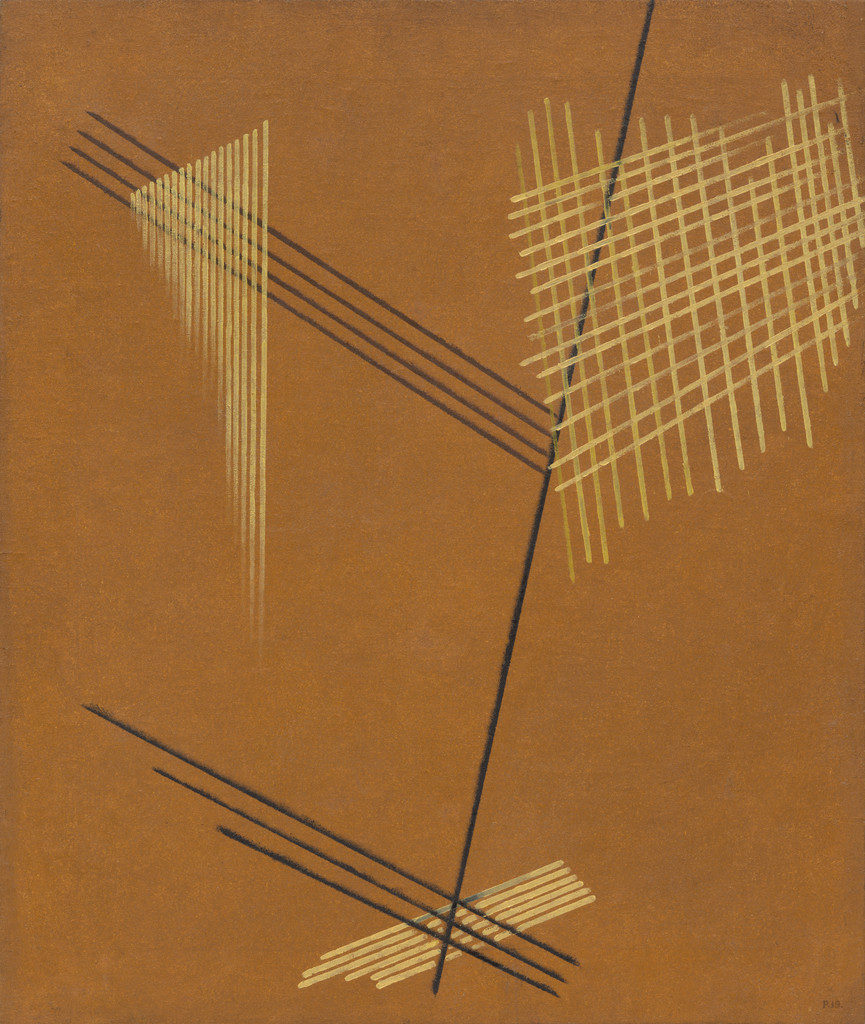
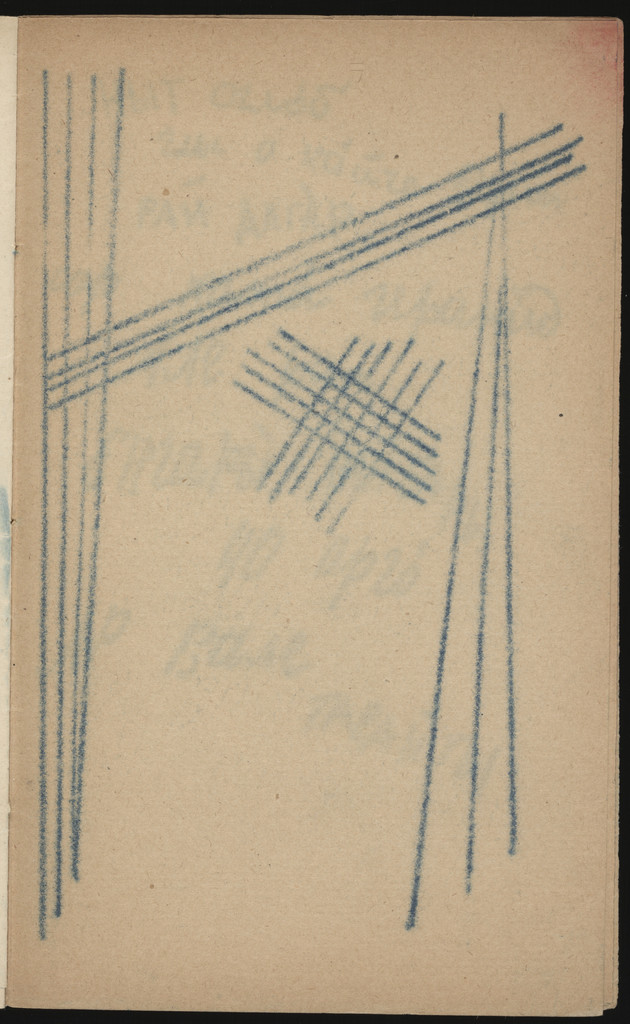
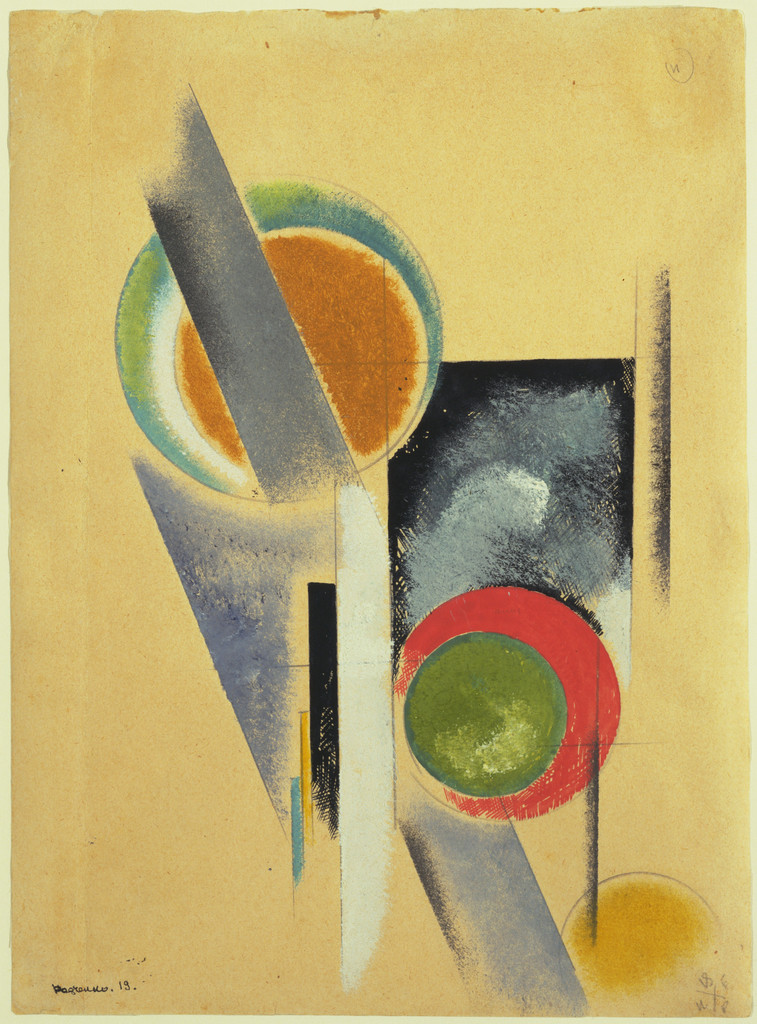
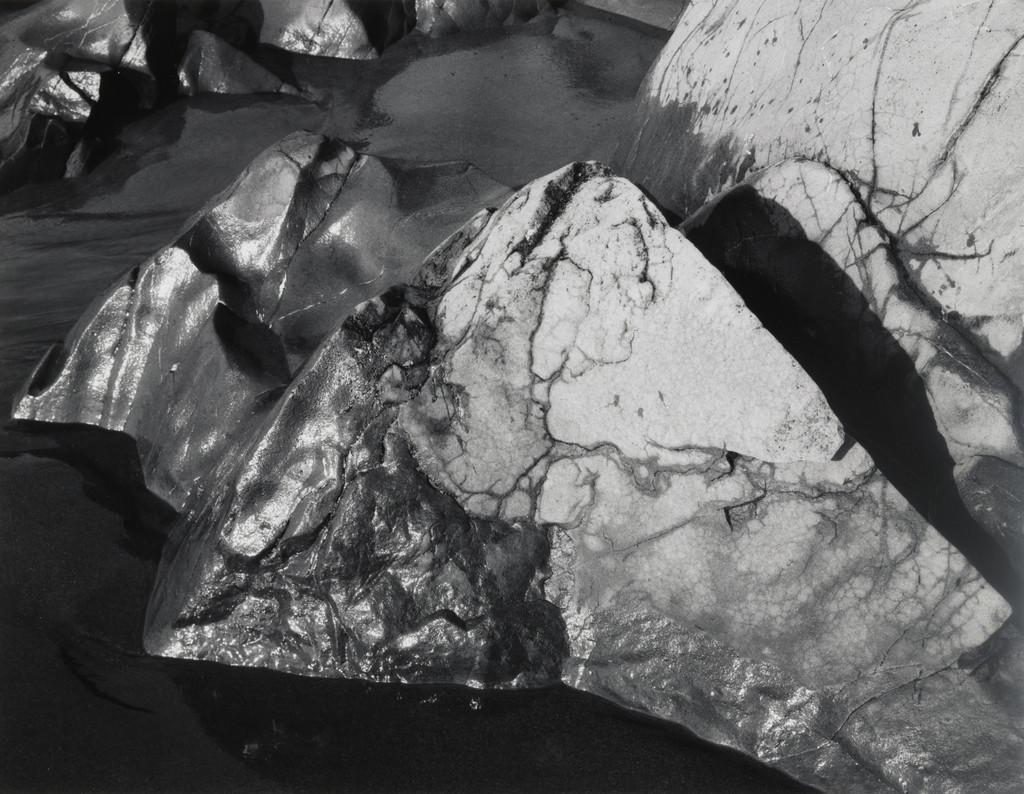
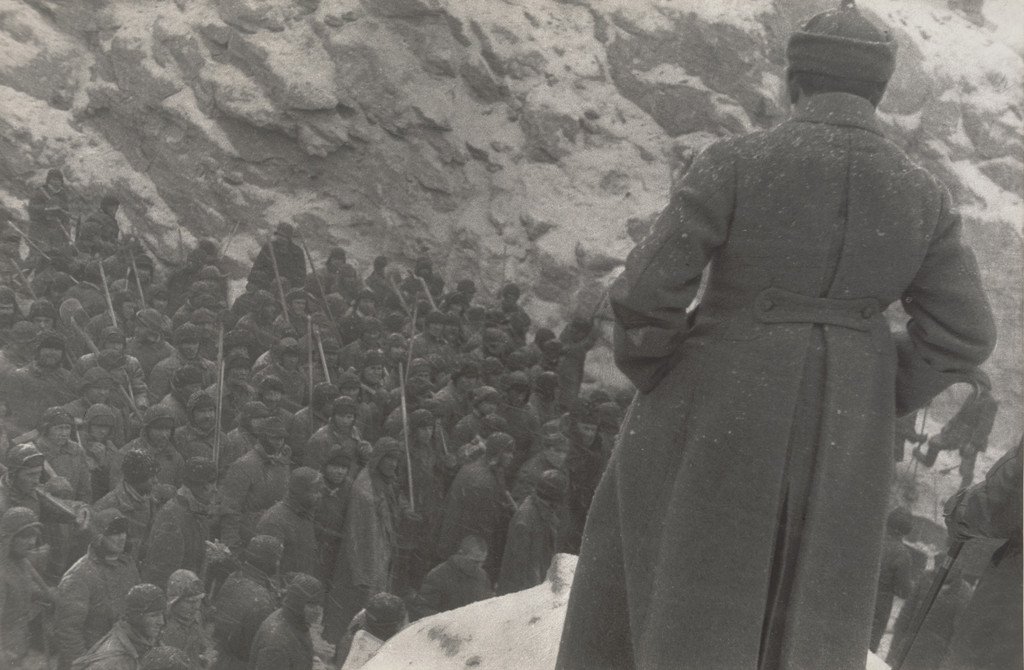
Guard and Prisoners
May one see it?
Not receiving at present

New York, United States
It belongs to the collection, but is not on display at present.
- Checked
- Source
- The museum
Particulars
- Accession number
- 47.1970
In the catalog
Sources
- The Museum of Modern Art
- Image: The Museum of Modern Art — © the artist or rights holder
Meanwhile, in the life of Aleksandr Rodchenko
The whole life1931
October group show at the House of the Press, and a backlash
At the October group's exhibition at the House of the Press in Moscow, Rodchenko shows “Pioneer Girl”, “Pioneer with a Trumpet” and the series “Vakhtan Sawmill”; the pictures draw devastating criticism and charges of formalism and of refusing to adapt to the tasks of “proletarian photography”. By some accounts, he is expelled from the group in 1931.
1932
Leaves October, becomes an Izogiz photo-correspondent
Rodchenko leaves the October group, becomes Izogiz's Moscow photo-correspondent and joins MOSKh, the Moscow artists' union. Under pressure he had to give up photography, returning two years later once all groups were dissolved and Socialist Realism was declared the single method.
early 1933
Secret assignment to the White Sea Canal
On OGPU orders Rodchenko is to photograph the completion and opening of the canal for propaganda and to set up photo laboratories in the Gulag; with the canal's management he greets the steamer “Karl Marx” carrying writers led by Maxim Gorky. By his own account he took over two thousand photographs there — no more than thirty are known today.
1933
Death of his mother
The artist's mother, the laundress Olga Yevdokimovna Rodchenko (1865–1933), the sitter of his 1924 “Portrait of Mother”, dies.
December 1933
Designs an issue of “USSR in Construction” with his photos
Rodchenko designs issue 12 of the magazine USSR in Construction, illustrated entirely with his own photographs. He was also the designer and photographer of the writers' monograph “The White Sea–Baltic Canal Named after Stalin”, and with Stepanova designed photo albums such as “15 Years of Kazakhstan”, “The First Cavalry”, “The Red Army” and “Soviet Aviation”.
1935
Masters of Soviet Art exhibition and a public recantation
Rodchenko is allowed to take part in the Masters of Soviet Art exhibition only on condition that he publicly denounce his earlier formalist work; the self-denunciation is printed in Sovetskoe Foto. Other accounts date his participation in the “Exhibition of Masters of Soviet Photographic Art” to 1936.