 Aleksandr RodchenkoRussian, 1891–1956
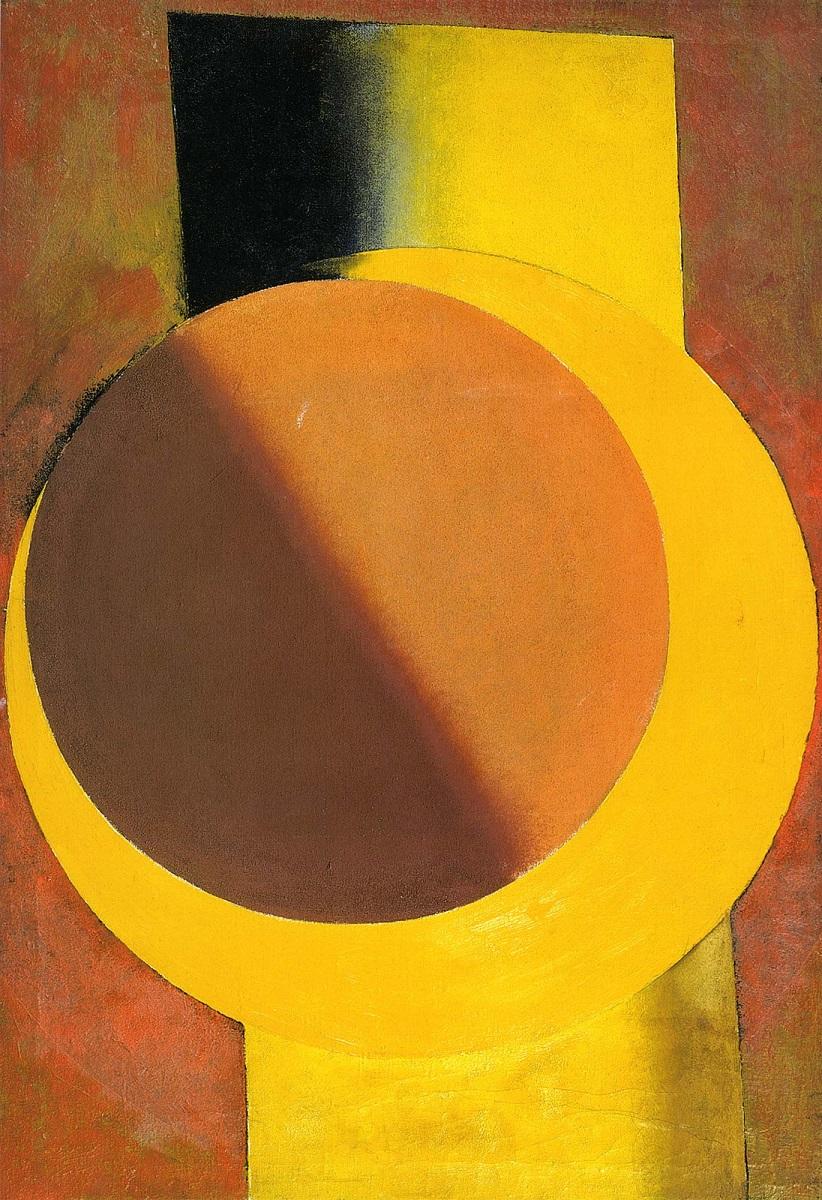
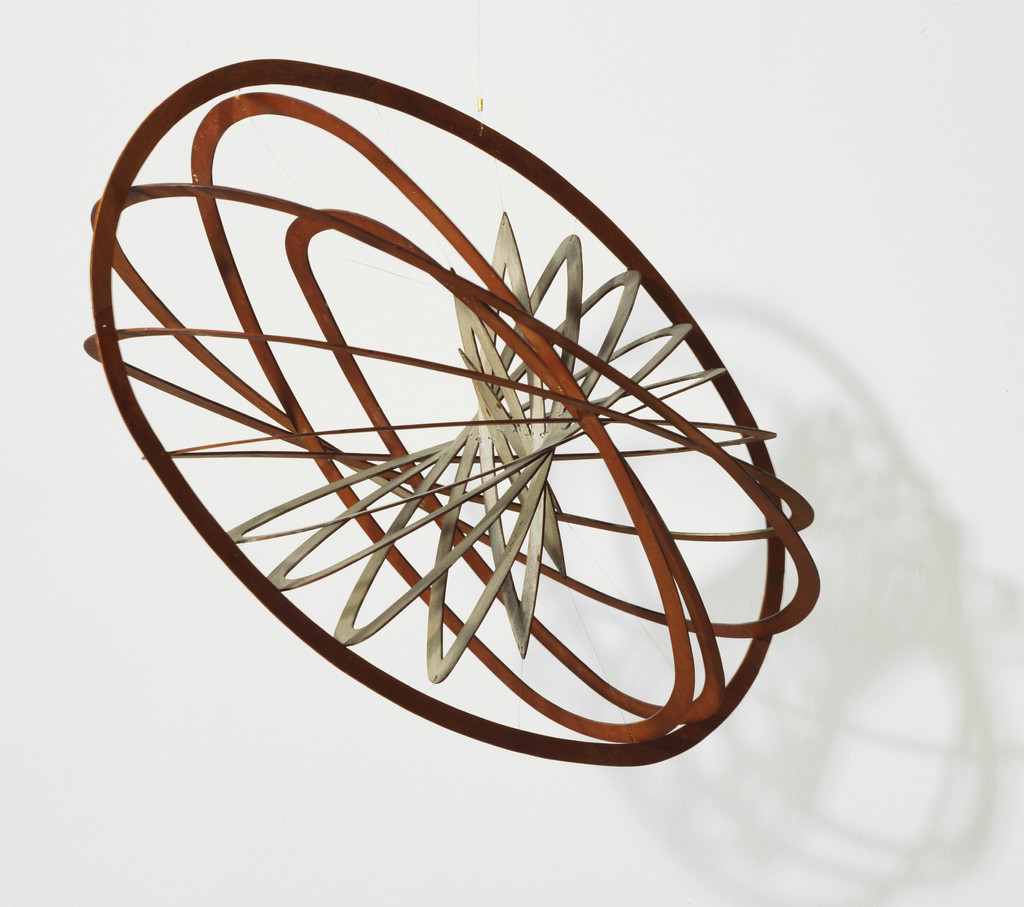
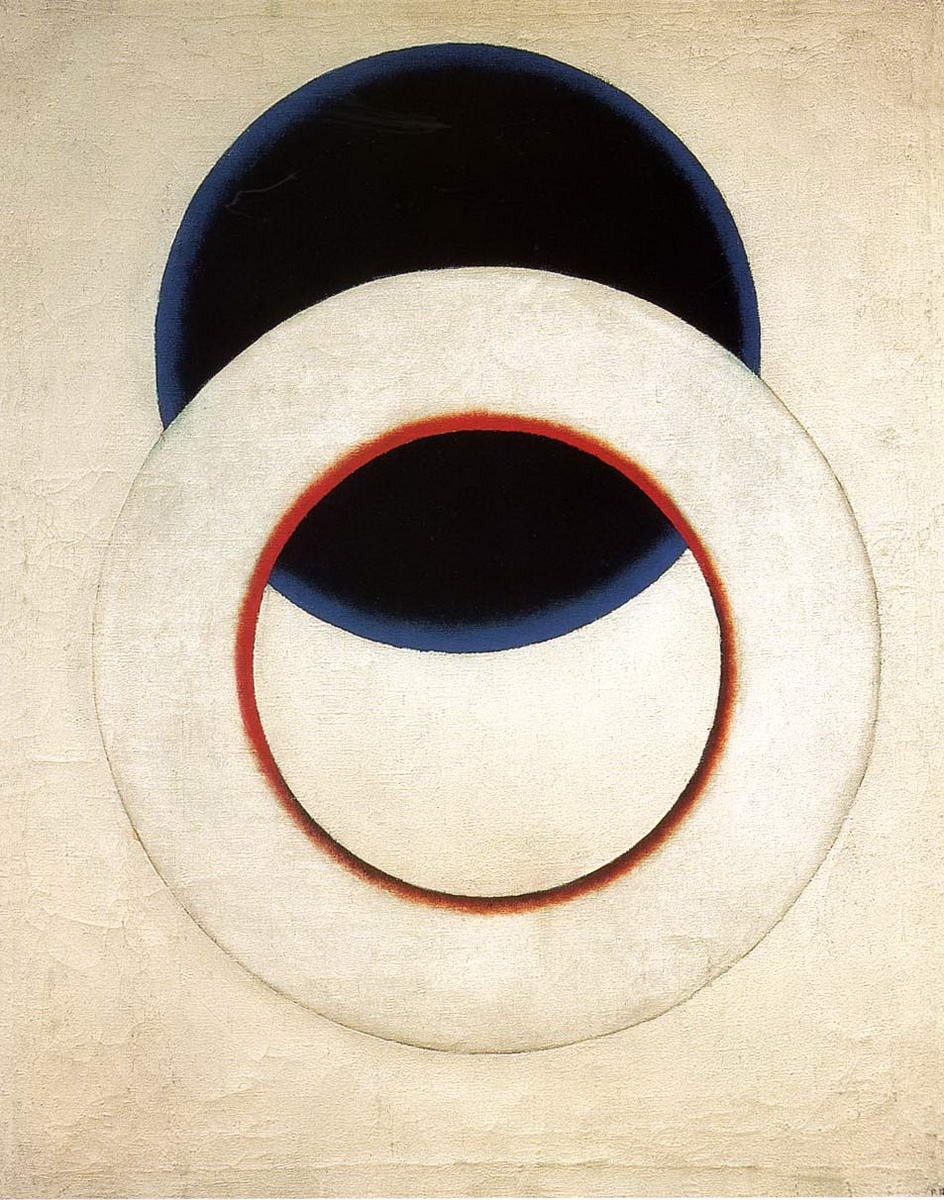
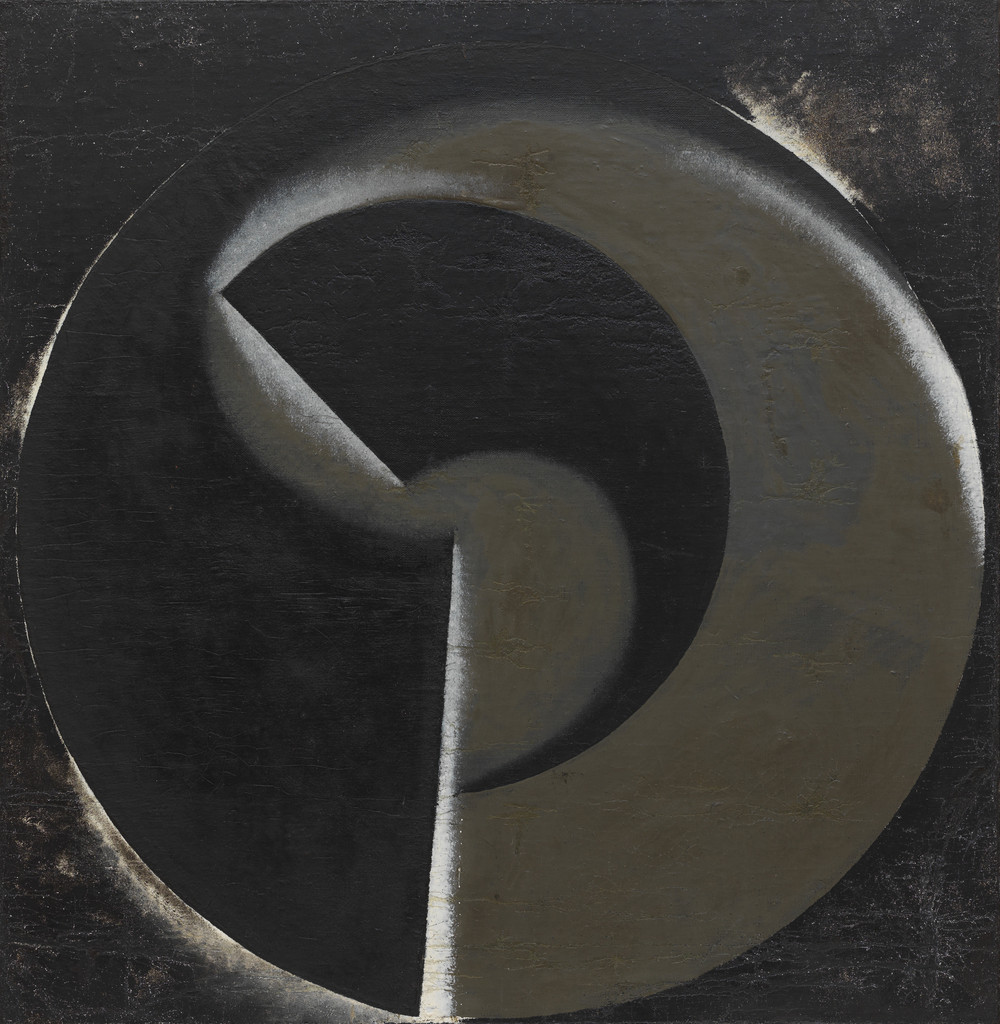
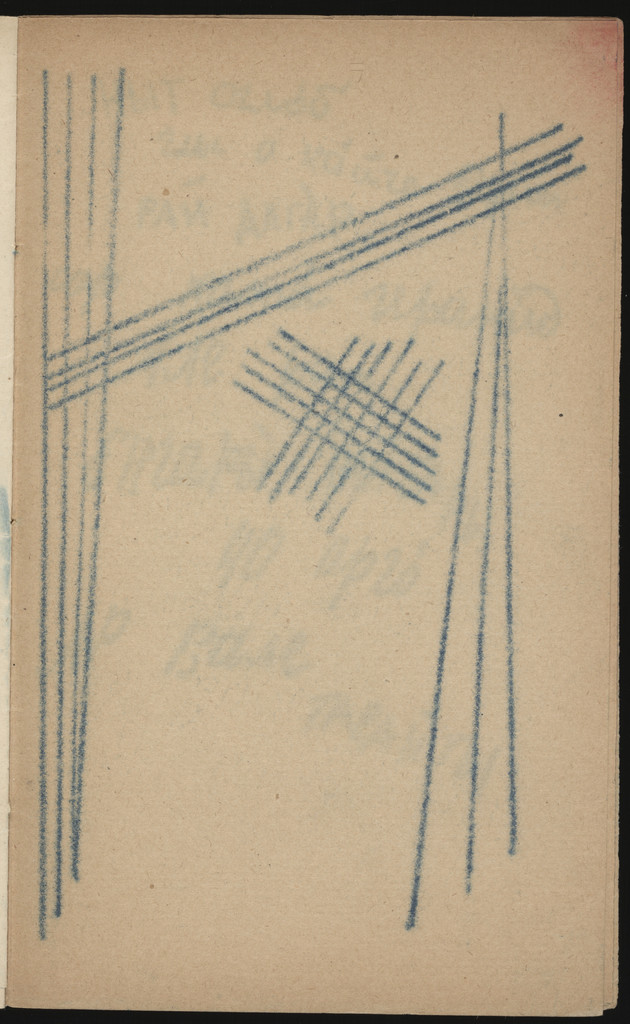
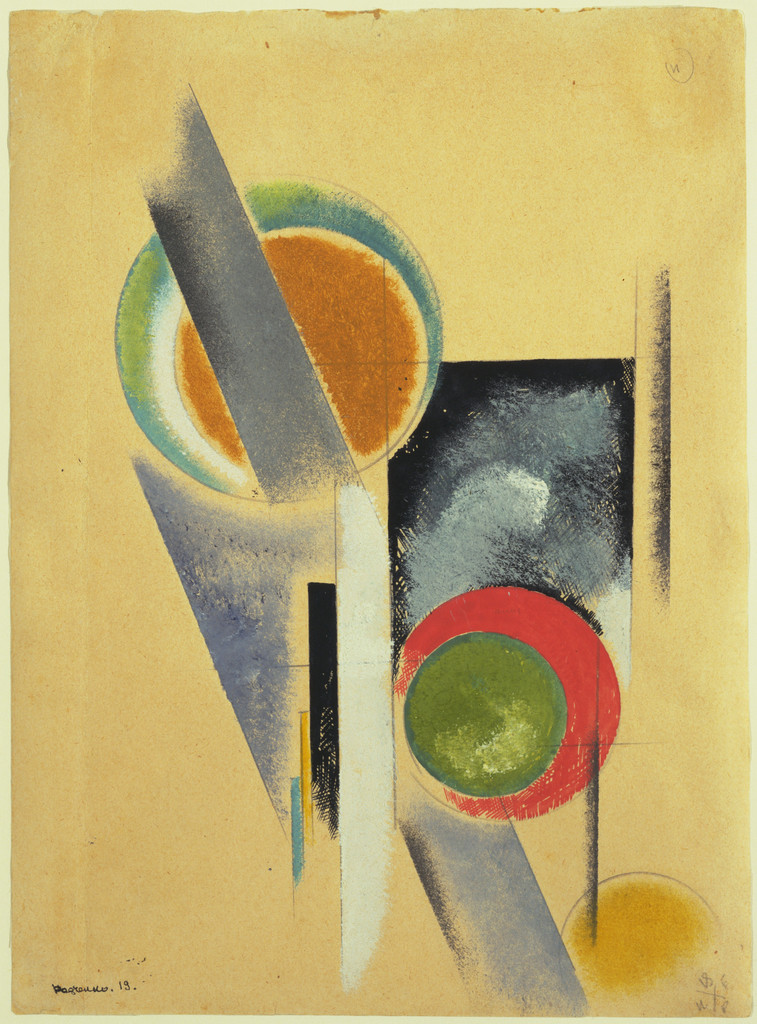
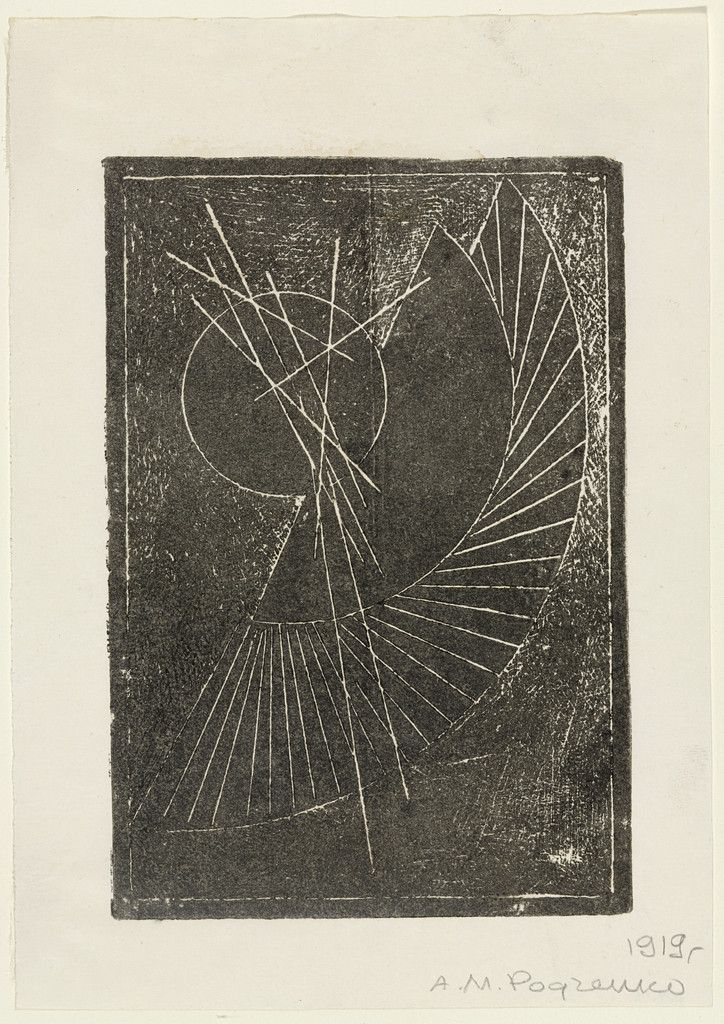
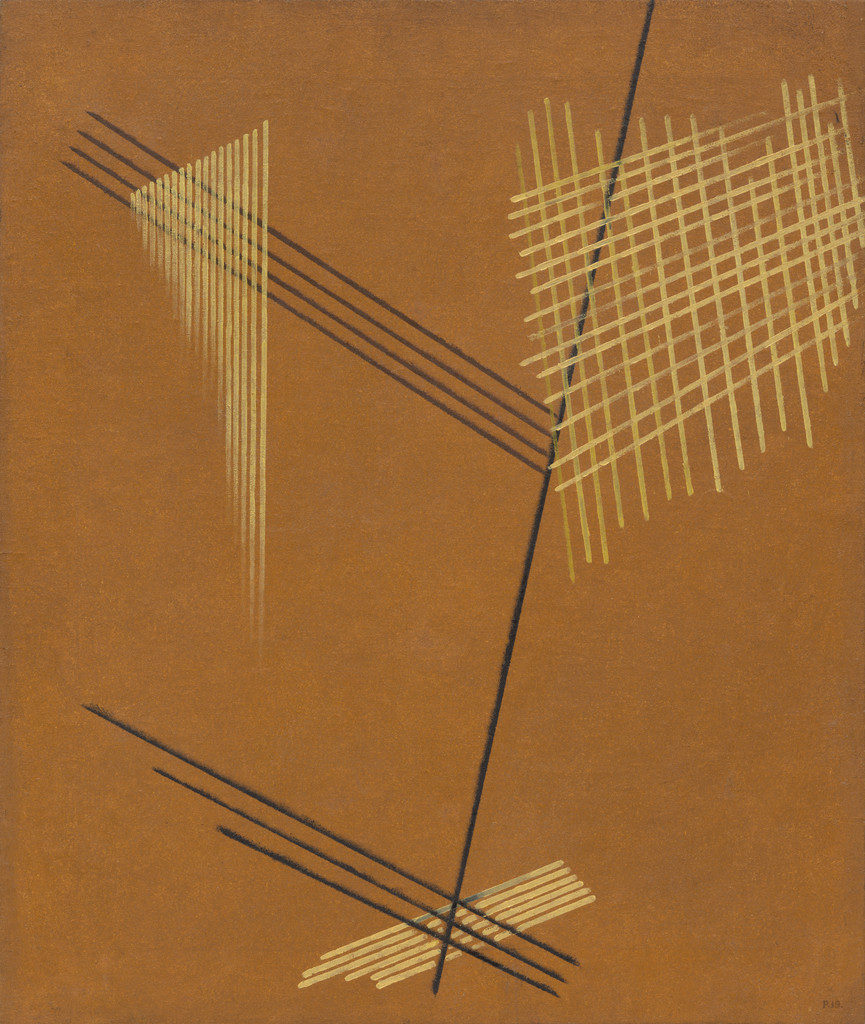
Non-Objective Painting
May one see it?
Not receiving at present

New York, United States
It belongs to the collection, but is not on display at present.
- Checked
- Source
- The museum
Particulars
- Accession number
- 113.1936
In the catalog
Sources
- The Museum of Modern Art
- Image: The Museum of Modern Art — © the artist or rights holder
Meanwhile, in the life of Aleksandr Rodchenko
The whole life1916 – early 1917
Called up: a hospital train
That same year Rodchenko is called up; until early 1917 he serves as quartermaster of a Moscow Zemstvo hospital train.
1917
Secretary of the artists' union Young Federation
Right after the February Revolution a painters' union is founded in Moscow; Rodchenko becomes secretary of its Young Federation, working mainly to secure decent living and working conditions for young artists.
1920–1930
Professor at VKhUTEMAS/VKhUTEIN
For ten years Rodchenko teaches in the woodworking and metalworking faculties (merged into the Dermetfak in 1928), training students to design multifunctional objects for everyday life and public buildings, expressive through construction rather than ornament.
1921
Turns to Productivism
With Stepanova and Aleksei Gan, Rodchenko joins the Productivist group, which advocated bringing art into everyday life, and gives up painting for graphic design — posters, books and films. He also created the early corporate identity of the airline Dobrolyot (later Aeroflot), with its “Winged Hammer and Sickle” logo.
1921
“5×5=25”: three monochrome canvases
At the “5×5=25” exhibition in Moscow Rodchenko shows the first true monochrome paintings — red, blue and yellow. He later proclaimed that he had reduced painting to its logical conclusion: “I affirmed: it's all over.”
1921
Succeeds Kandinsky as head of Inkhuk
In 1921 Rodchenko succeeds Wassily Kandinsky as chairman of the Institute of Artistic Culture (Inkhuk), where he works until 1924.