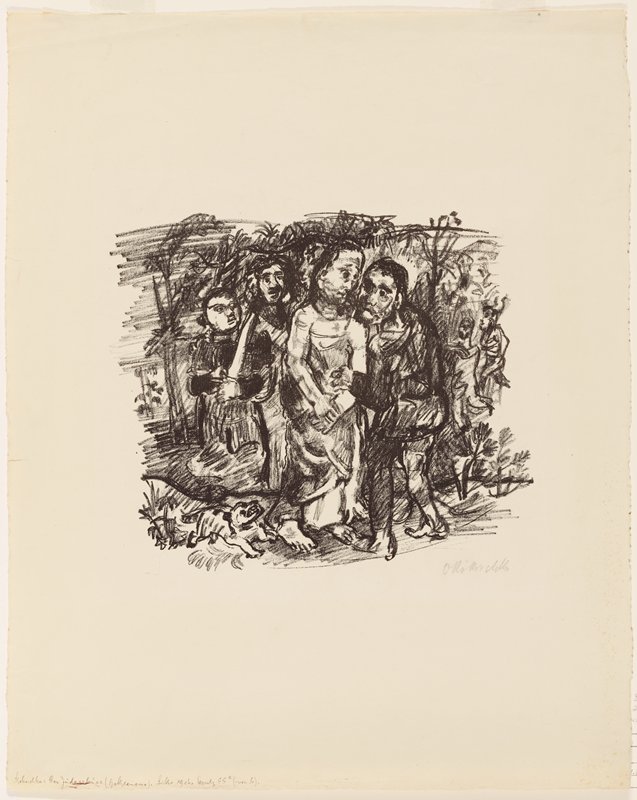
 Oskar KokoschkaAustrian, 1886–1980
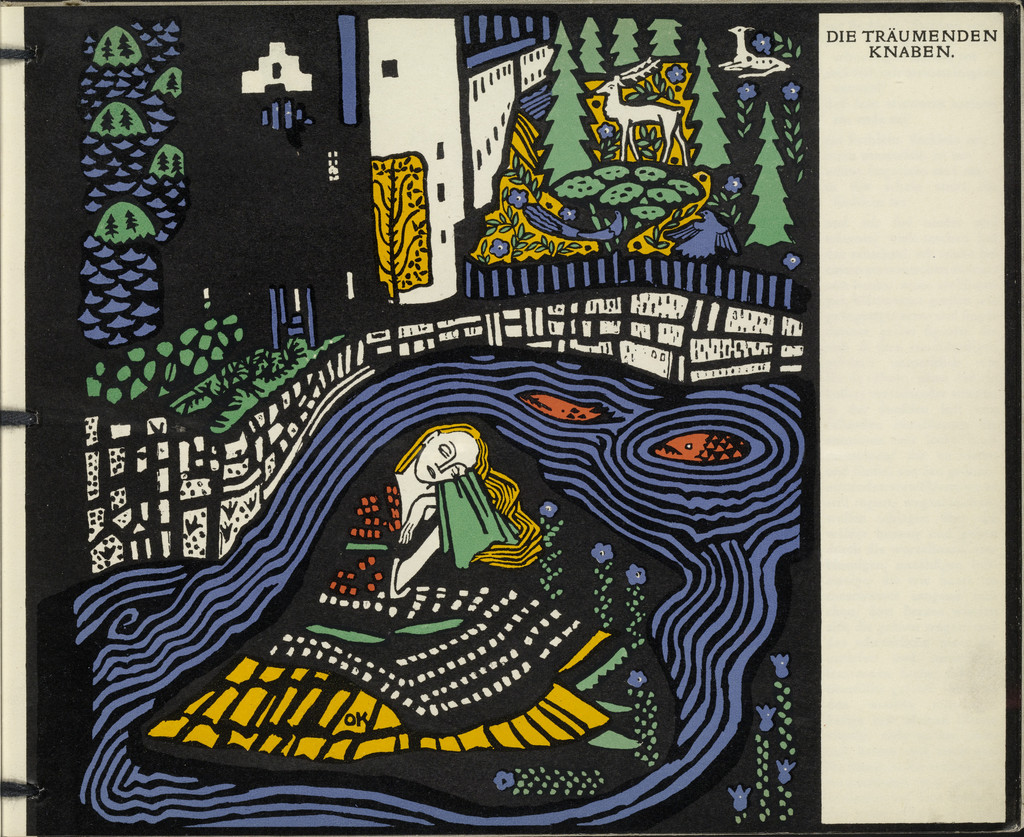
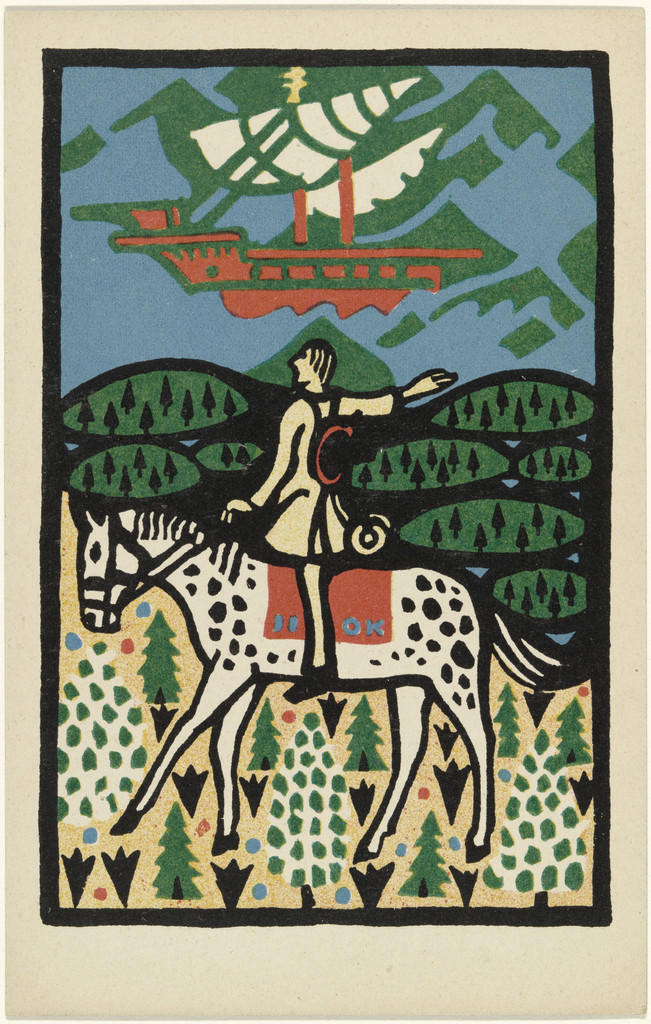
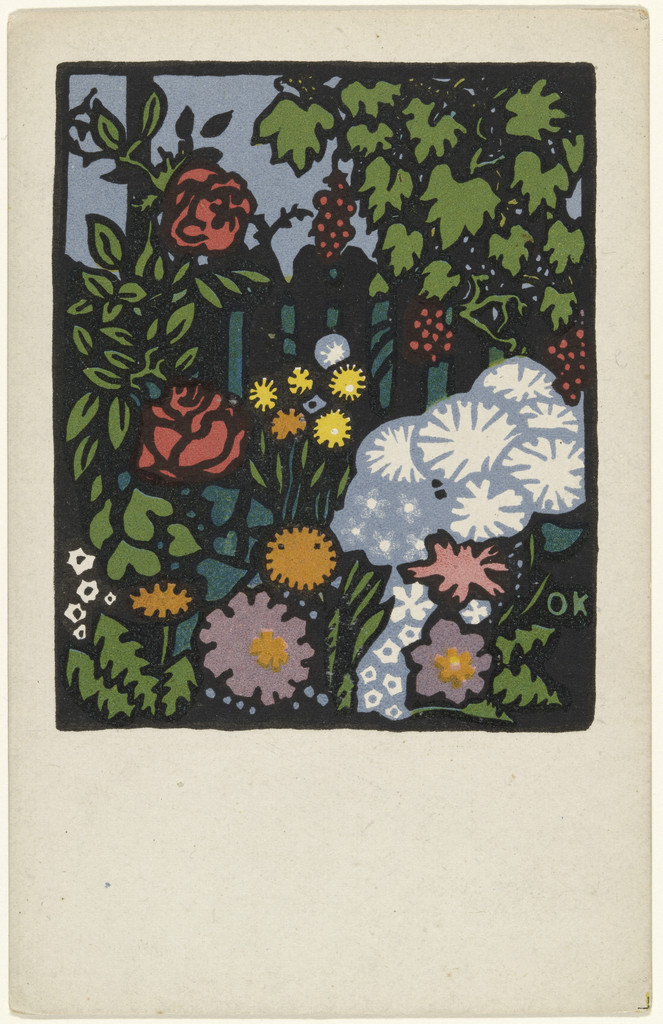
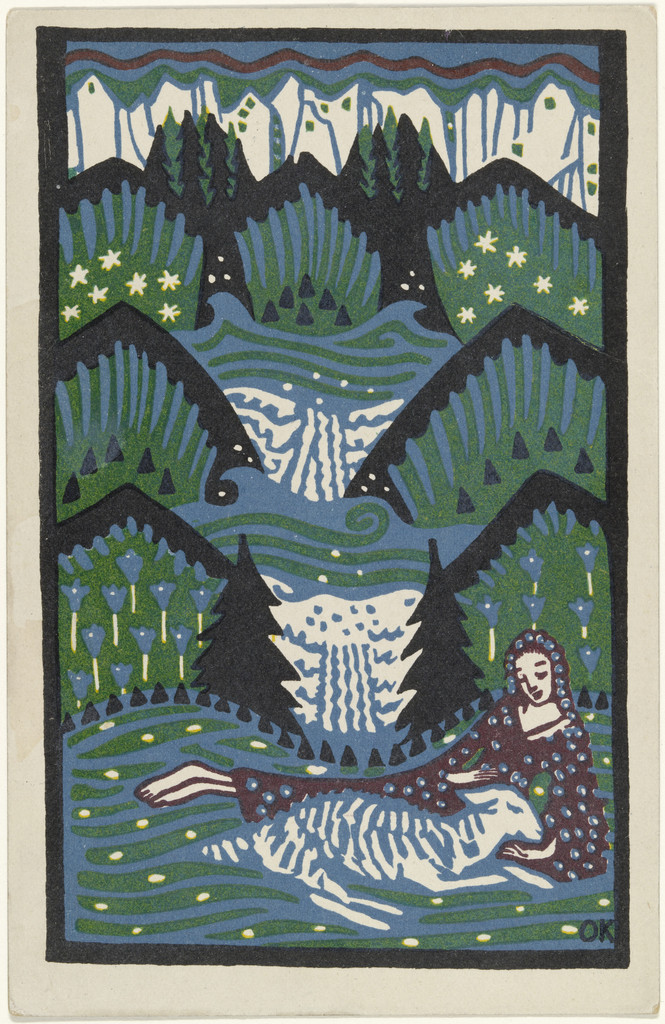
Gethsemane
May one see it?
Not receiving at present

Minneapolis Institute of Art
Minneapolis, United States
It belongs to the collection, but is not on display at present.
- Checked
- In this state since
- Source
- The museum
Particulars
- Accession number
- P.74.63
In the catalog
Sources
- Minneapolis Institute of Art
- Image: Minneapolis Institute of Art — © Minneapolis Institute of Art
Meanwhile, in the life of Oskar Kokoschka
The whole life1909–1914
Adolf Loos: patron and commissioner of portraits
The architect Adolf Loos befriended Kokoschka, introduced him to the Viennese avant-garde and ordered portraits of his clients and friends, agreeing to buy the work if the sitter declined. This left Kokoschka complete artistic freedom; he painted the bulk of his portraiture between 1909 and 1914.
c. 1911 – 1914
The affair with Alma Mahler
Kokoschka’s stormy affair with Alma Mahler, the widow of the composer Gustav Mahler, lasted about two years: she was afraid of being overcome by passion and rejected him, and in 1915 she married Walter Gropius. Kokoschka loved her all his life.
1915
Gravely wounded in the First World War
Having volunteered as a cavalryman in the Austrian army, Kokoschka was seriously wounded on the Galician front in 1915 and survived captivity, and the doctors at the hospital judged him mentally unstable. Nevertheless he went on working, travelling across Europe and painting landscapes.
1916
Meets Hofmannsthal and Rilke
In 1916 Kokoschka met Hugo von Hofmannsthal and Rainer Maria Rilke.
1917
The play “Job”
Kokoschka drew the impressions of the war into his play “Hiob” (“Job”) of 1917.
c. 1918 – 1919
The Alma doll
Unable to rid himself of painful memories of Alma, Kokoschka commissioned a life-sized female doll from the dollmaker Hermine Moos, later describing it in his book “Fetish” (1925). The doll did not satisfy him, and he destroyed it during a party.