Jean-Antoine WatteauFrench, 1684–1721
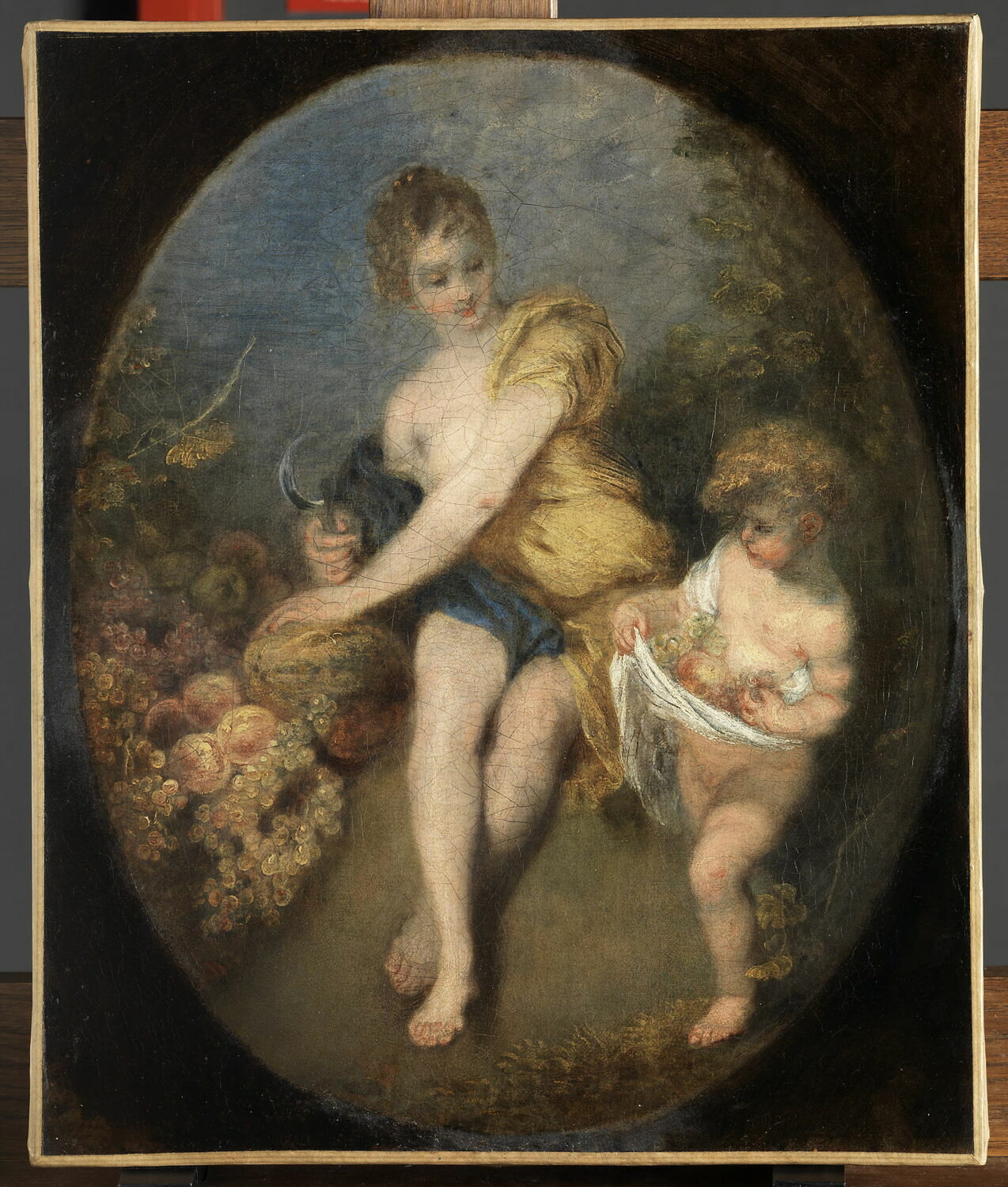
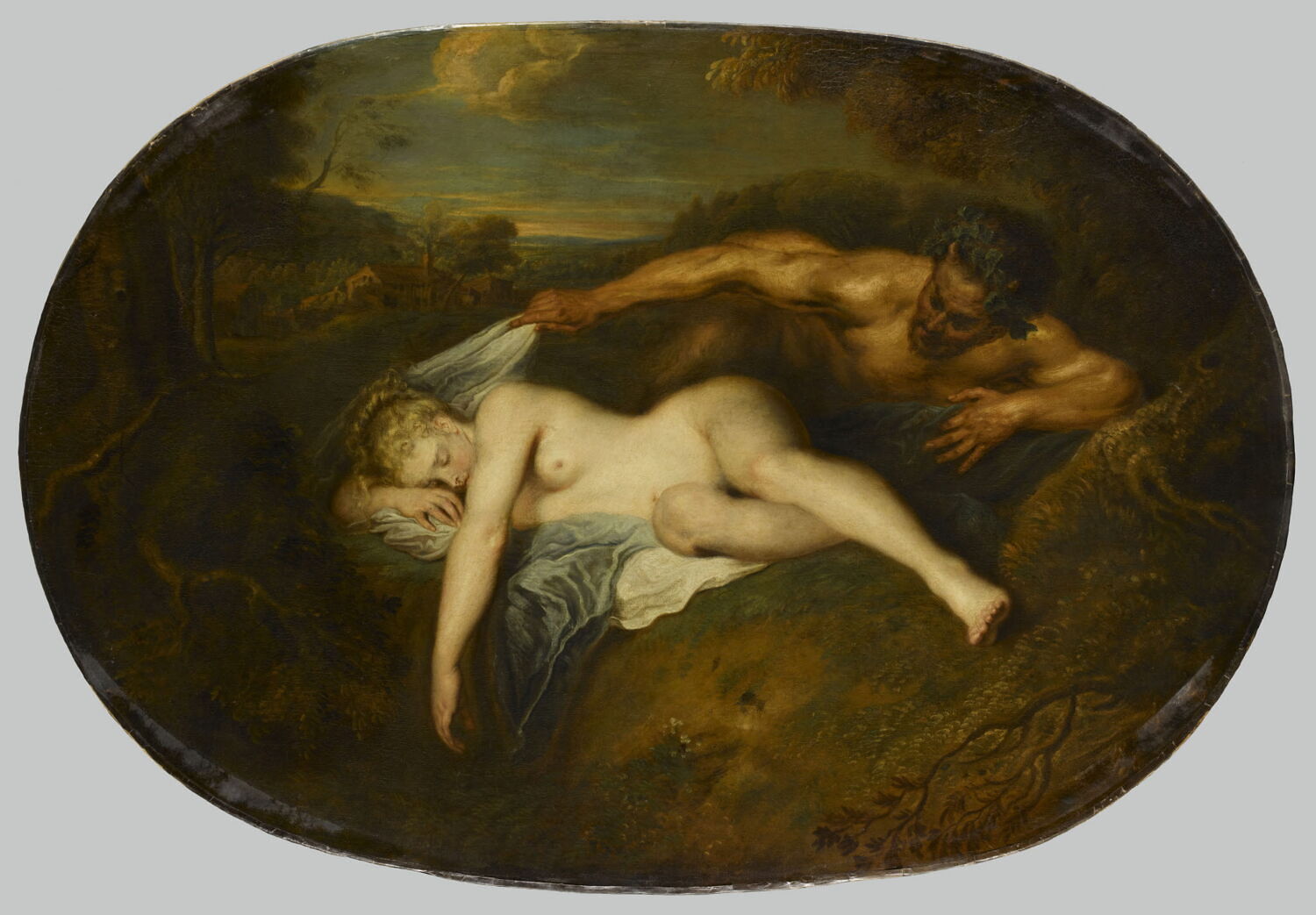
Flore
Can I see it?
Unknown
Where is “Flore” now? Collection: Musée du Louvre, Paris. Unknown.

Paris, France
The owner is known; whether it is on view today is not.
- In this state since
- Source
- The museum
Details
- Accession number
- RF 4111, Recto
In the catalog
Sources
- Musée du Louvre
- Image: Musée du Louvre — GrandPalaisRmn (Musée du Louvre) / Thierry Le Mage
In the life of Jean-Antoine Watteau
The whole life1710s
Meets Edme-François Gersaint
At Sirois's house Watteau meets his son-in-law, the art dealer Edme-François Gersaint, who soon becomes a close friend.
1710s
Tuberculosis sets in
Watteau's fame grows steadily, yet he is as a rule dissatisfied with everything that comes from his brush; at the same time he develops a serious illness, tuberculosis.
c. 1717
Crozat recommends Watteau to Rosalba Carriera
Watteau's fame spreads beyond Paris: the banker Crozat writes to the celebrated portraitist Rosalba Carriera in Venice that among Paris painters he knows no one but Watteau who could produce a work worthy of being shown to her. Crozat's patronage and lucrative commissions help to launch the painter's European reputation.
28 August 1717
Elected to the Academy: a “fête galante”
By 1717 Watteau's “gallant scenes” have had such wide success that an exception is made for his reception piece, “Pilgrimage to Cythera”: in the minutes the words “pilgrimage to Cythera” are struck out and replaced by “fête galante”. Watteau is elected a full member of the Academy; the ceremony is attended by the First Painter to the King, Antoine Coypel, by Claude Gillot and by the Regent, the Duke of Orléans.
1718
Leaves Crozat's house
Watteau's independent character does not let him stay long in such luxurious but constraining circumstances, and in 1718 he leaves the house of his patron, who does not lose interest in his art. “Gilles” was probably one of the last works painted in the large studio put at his disposal in Crozat's mansion.
late 1719 – summer 1720
To London, to see Dr Richard Mead
Watteau's health is failing, and he goes to England at the invitation of Philippe Mercier, an admirer and imitator, hoping to overcome tuberculosis with the help of the well-known physician Richard Mead. The treatment brings no noticeable result and the London climate only aggravates his condition; he returns to Paris in summer 1720, gravely ill.