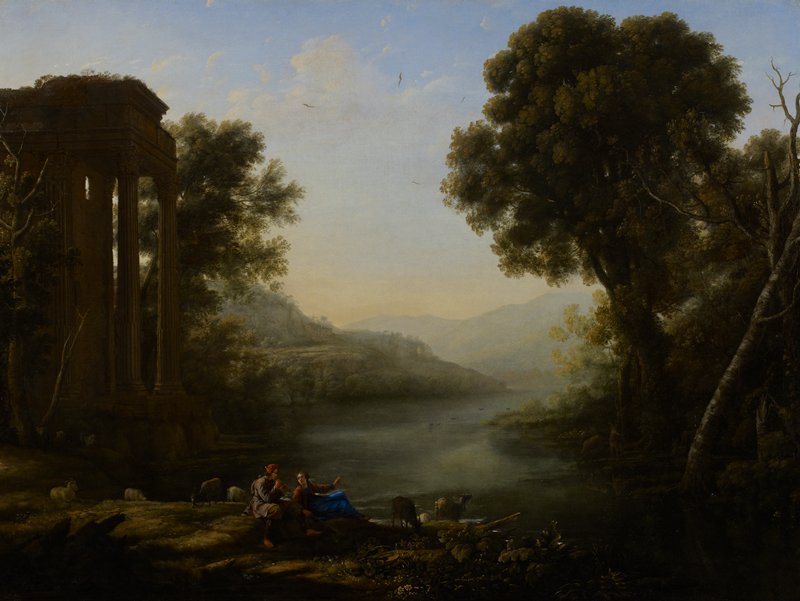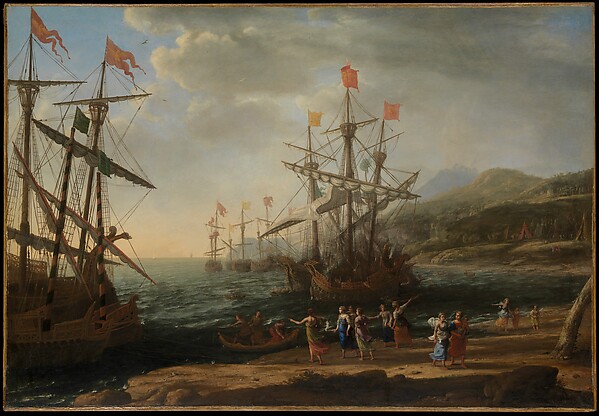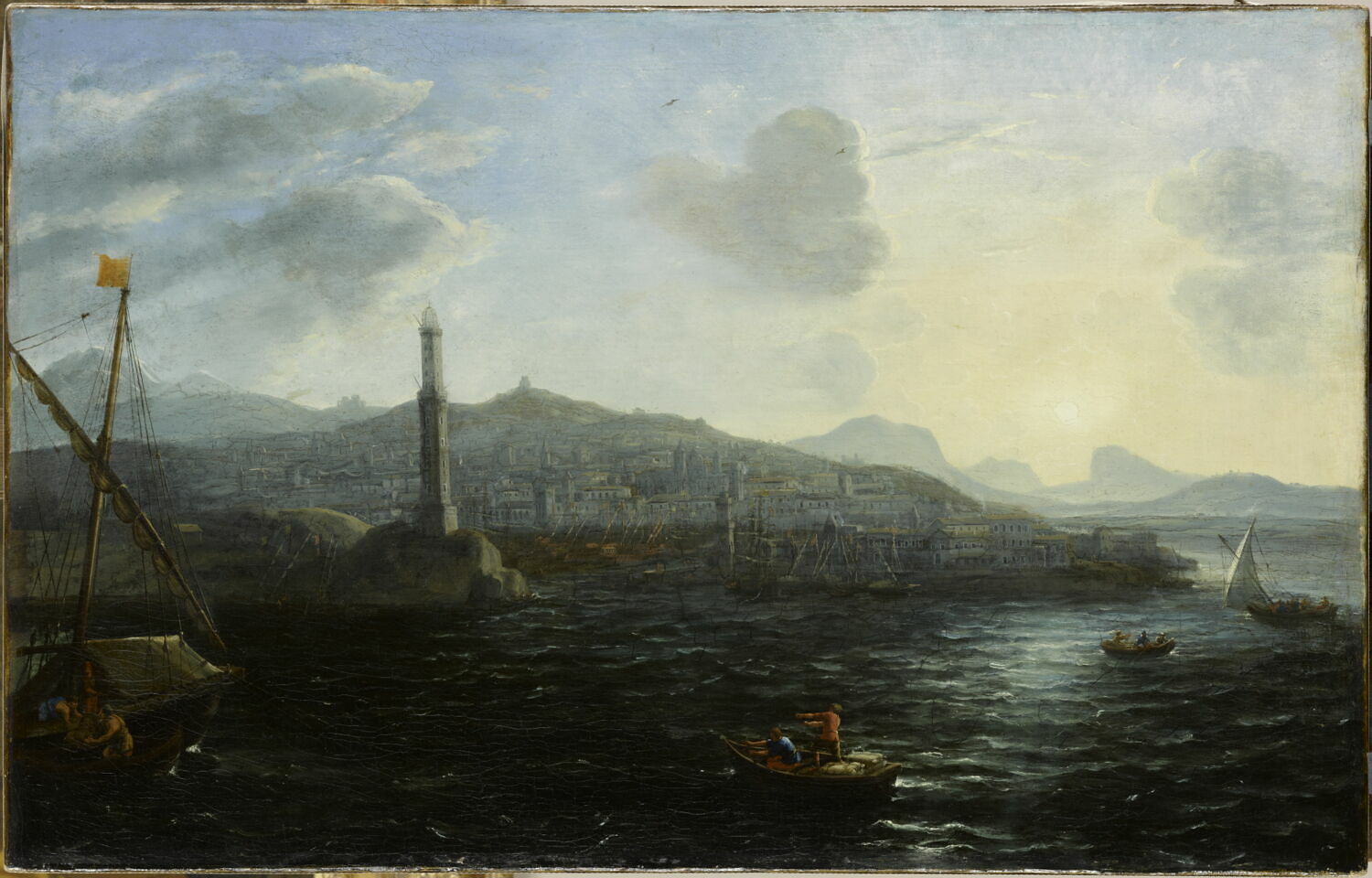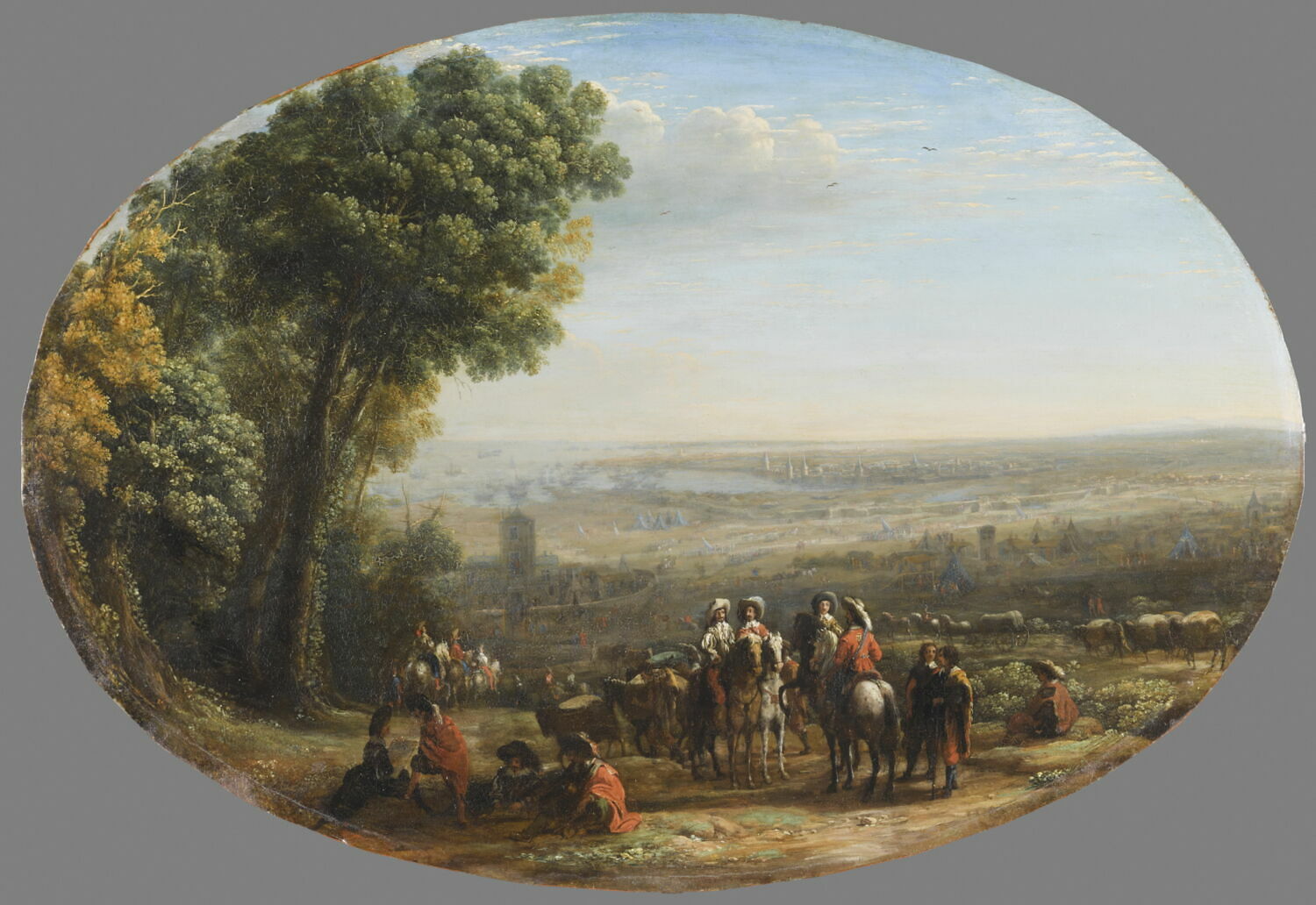
 Claude LorrainFrench, 1600–1682
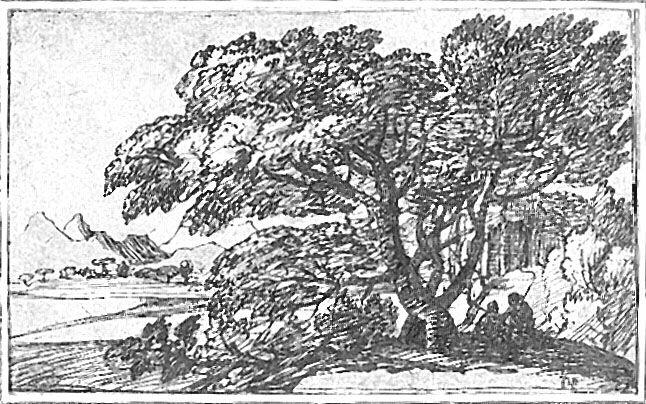
Etude d'yeuses
May one see it?
Unknown
Paris, France
The owner is known; whether it is on view today is not.
- In this state since
- Source
- The museum
About the work
In the museum's own words — in French
Plume, encre brune, léger lavis d'encre de Chine
Musée de l'Ecole nationale supérieure des beaux-arts
Particulars
- Accession number
- EBA 941
What it shows
In the catalog
Sources
- Musée de l'Ecole nationale supérieure des beaux-arts
- Image: Musée de l'Ecole nationale supérieure des beaux-arts — © service photographique de l'école nationale supérieure des beaux-arts; Ministère de la Culture (France), base Joconde
Meanwhile, in the life of Claude Lorrain
The whole life1600
Born
1613–1614
To Rome with the pastry cooks; a cook for Agostino Tassi
According to Sandrart, the fourteen-year-old Claude followed a group of pastry cooks to Rome and became a household cook for the landscape painter Agostino Tassi, a pupil of Paul Bril, where he picked up some landscape techniques. Some sources put this in 1613–14, but modern scholars place his apprenticeship with Tassi at about 1622/23–1625.
c. 1622 – 1625
Apprentice to Agostino Tassi
According to Sandrart, Tassi, in whose house Claude served as a servant and cook, at some point made him an apprentice and taught him drawing and painting; his large workshop specialised in fresco schemes for palaces. Modern scholars date the apprenticeship to about 1622/23–1625.
1625–1627
Back to Lorraine: Nancy and Claude Deruet
At twenty-five Claude left Italy and made long journeys to France and Switzerland; in 1625–27 he lived in his homeland, in Nancy, and worked with Claude Deruet, court painter to the Duke of Lorraine, on the decoration of a Carmelite church. According to Baldinucci, he left Deruet’s studio comparatively soon, in 1626 or 1627.
c. 1626
Settles permanently in Rome, on the Via Margutta
By the end of 1626 Claude had settled permanently in Rome, in a house on the Via Margutta in the artists’ quarter, and spent most of his life in the city; there he joined the society of foreign artists known as the “Birds of Passage” (Bent vogels).
23 November 1682
Died