 Claude LorrainFrench, 1600–1682
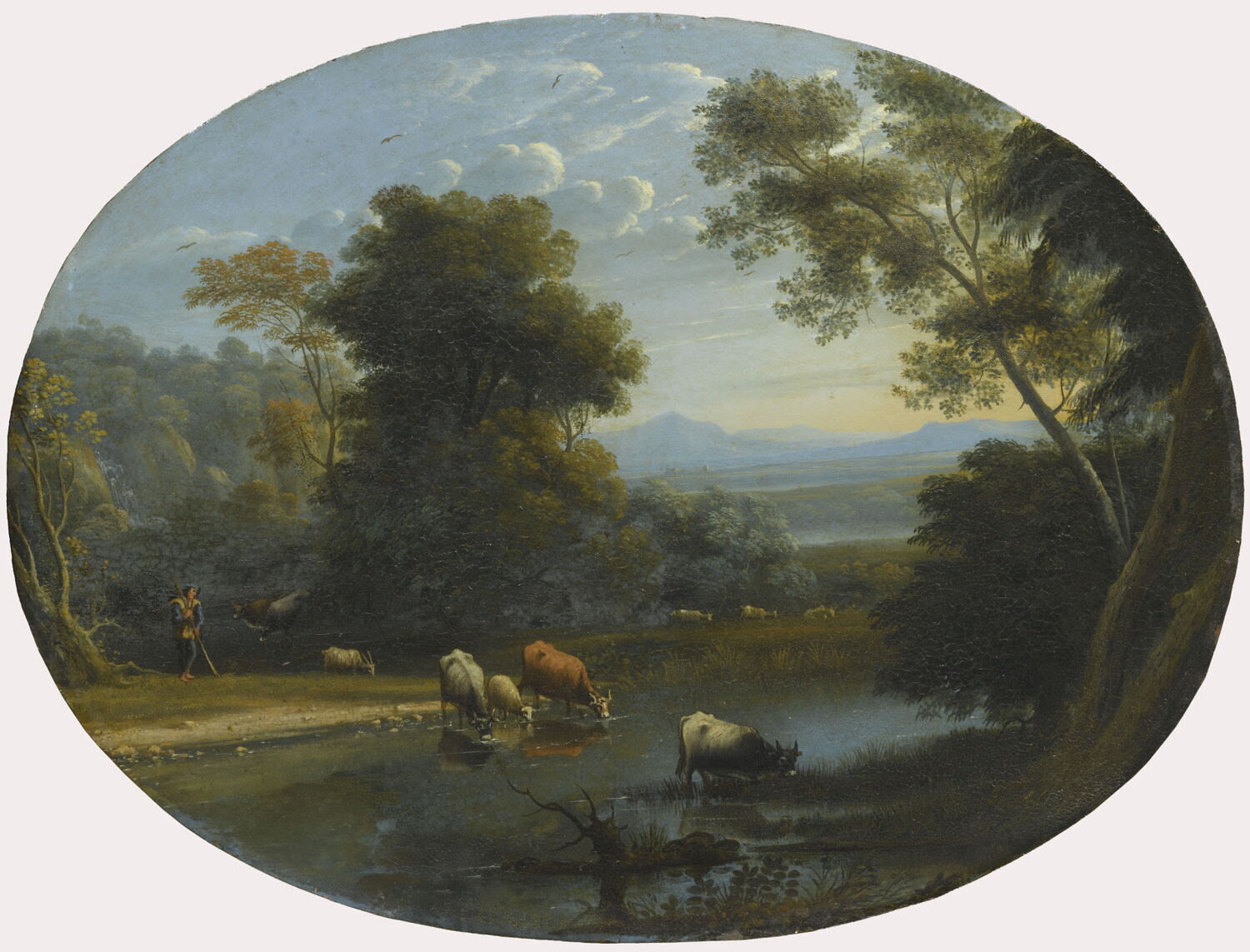
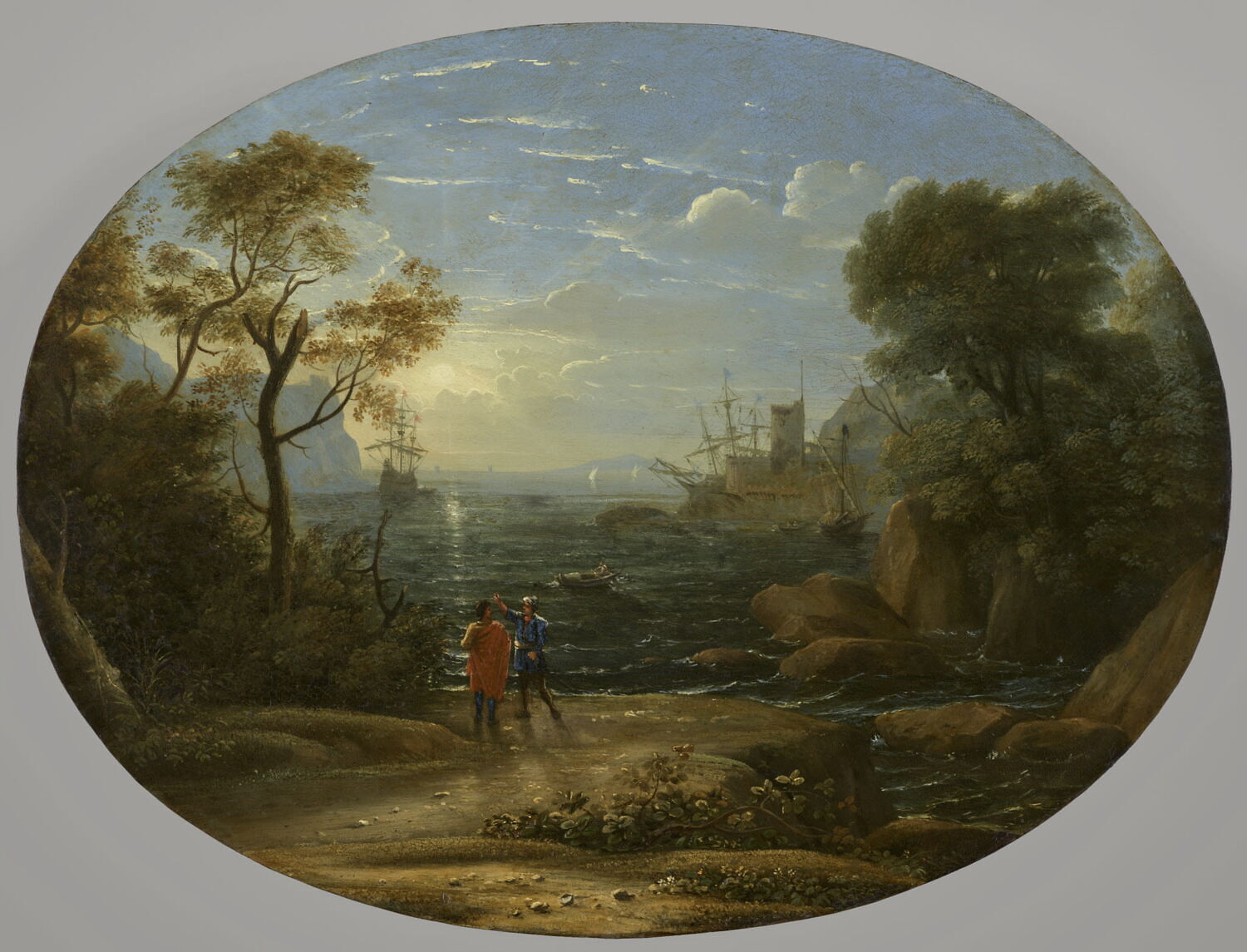
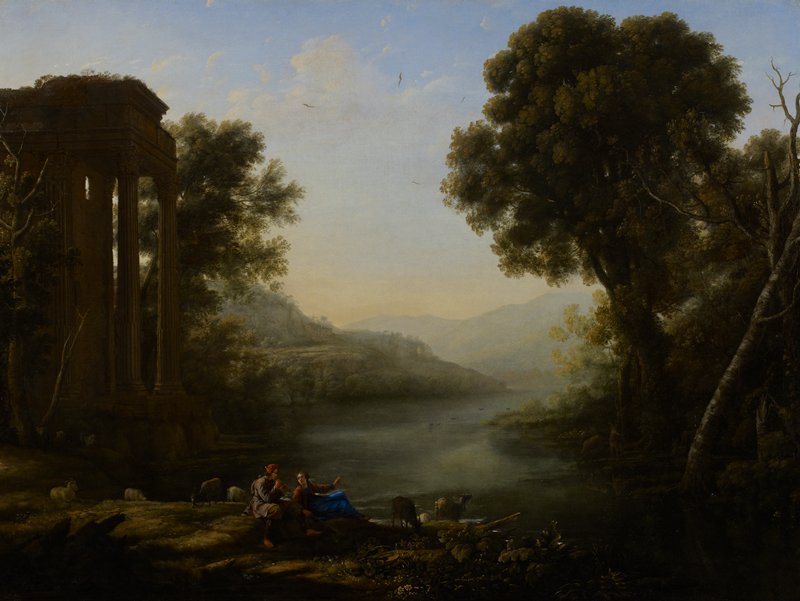
Pastoral Landscape
May one see it?
Yes, receiving visitors

Minneapolis Institute of Art
RoomG313Minneapolis, United States
On public display.
- Checked
- 5 hours ago
- In this state since
- Sep 25, 2026
- Source
- The museum's own collection data
About the painting
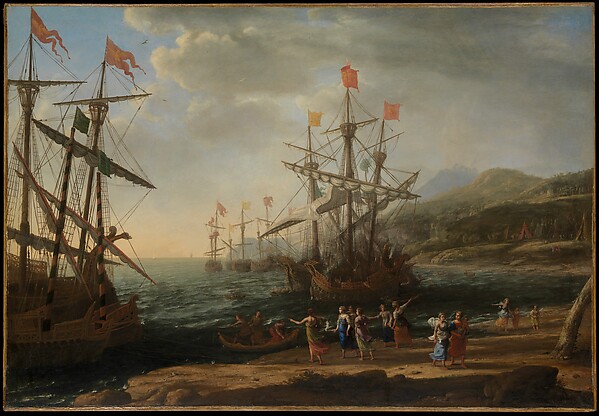
Claude Gellée, called Le Lorrain, was apprenticed to a pastry chef in his native France, but in 1628 he moved to Rome and studied painting. This work is the best example from his brilliant, pivotal years between 1635 and 1640. His compositions from that time express an awareness of light and its effects gained from his direct experience with nature. Claude was the supreme master of the ideal landscape and the founder of the modern landscape tradition. Previously, landscape as such wasn’t considered a subject worthy of painting. Claude’s influence was felt for hundreds of years by countless artists, including Claude Monet.
Minneapolis Institute of Art
Particulars
- Accession number
- 98.33
In the catalog
Sources
- Minneapolis Institute of Art: the museum's own open data · fetched 4 days ago
- Image: Minneapolis Institute of Art — public domain
Meanwhile, in the life of Claude Lorrain
The whole life1635–1638
Pope Urban VIII commissions four paintings
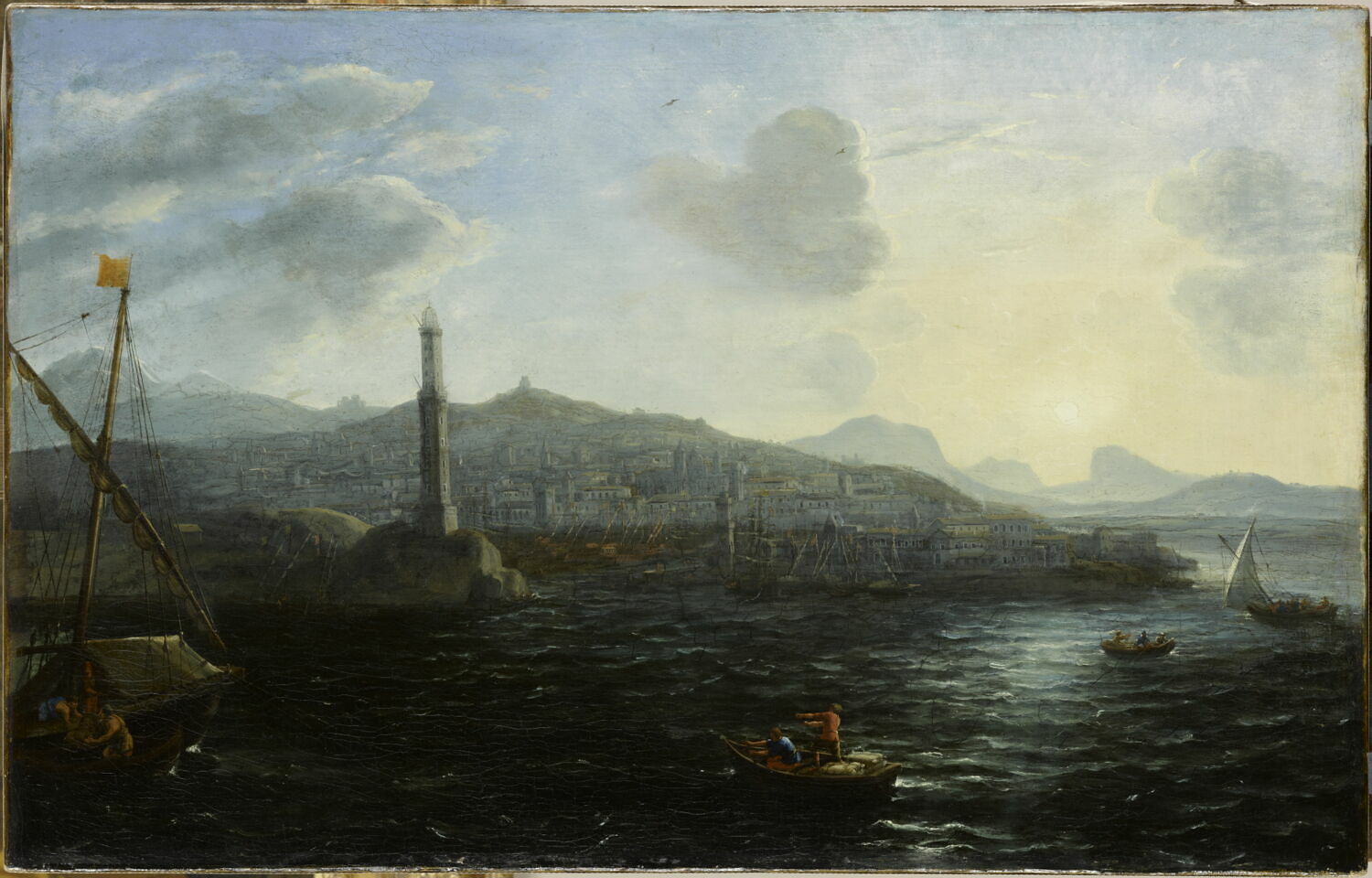
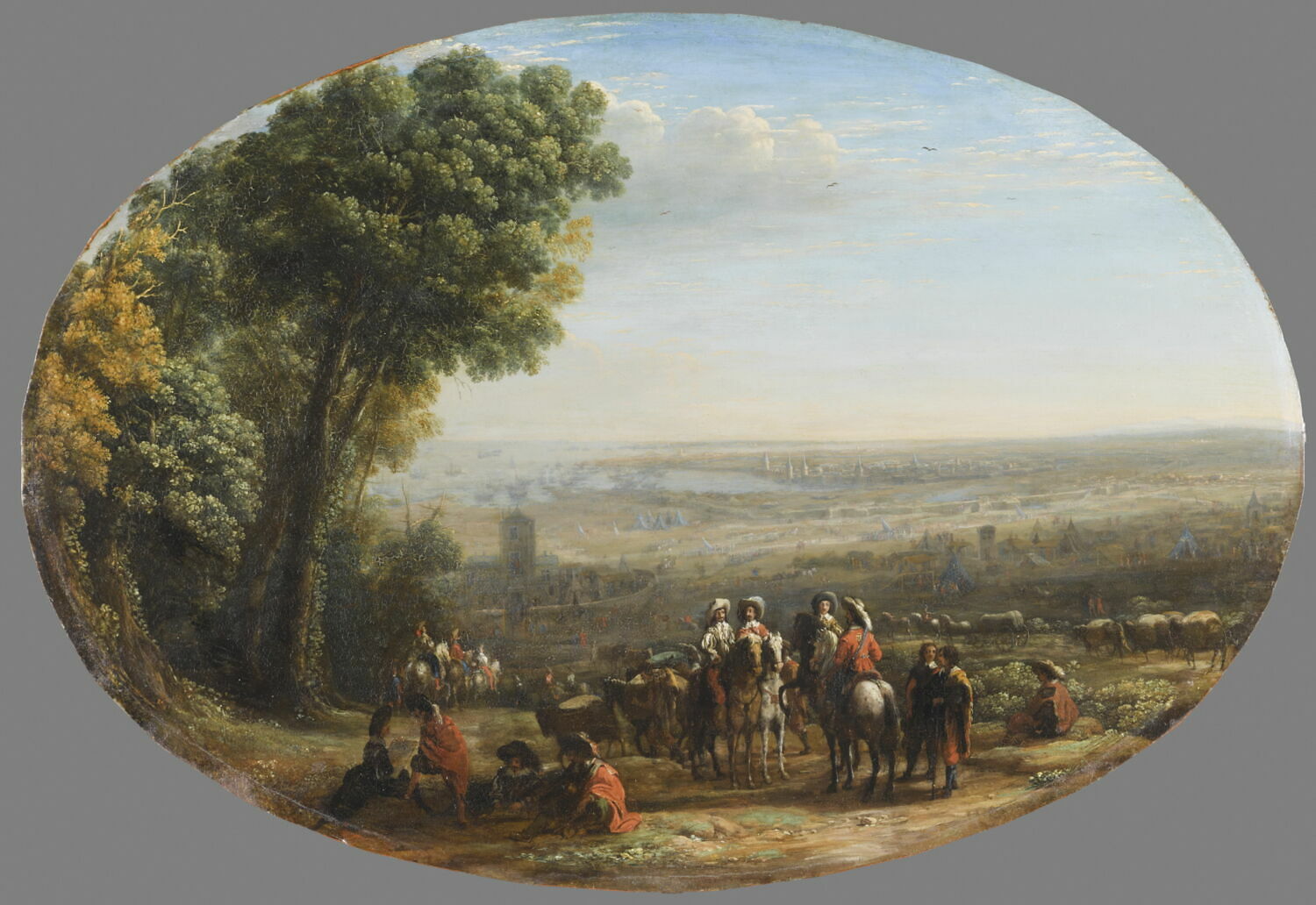
According to Baldinucci, Cardinal Guido Bentivoglio, impressed by the two landscapes Claude painted for him, recommended the artist to Pope Urban VIII; four paintings were made for the Pope in 1635–38, two large and two small on copper.
1637
The French ambassador buys two paintings
In 1637 the French ambassador to the Vatican bought two paintings from Claude, “View of the Roman Forum” and “View of a Port with the Capitol”, which are now in the Louvre.
late 1630s
Italy’s leading landscapist, with large fees
By the end of the 1630s Claude was established as the leading landscapist in Italy and enjoyed large fees; his landscapes gradually became larger but with fewer figures, more carefully painted and produced at a lower rate.
1639
Philip IV commissions seven paintings
In 1639 Philip IV of Spain commissioned seven paintings from Claude, now in the Prado, among them two landscapes with hermits.