 Édouard ManetFrench, 1832–1883
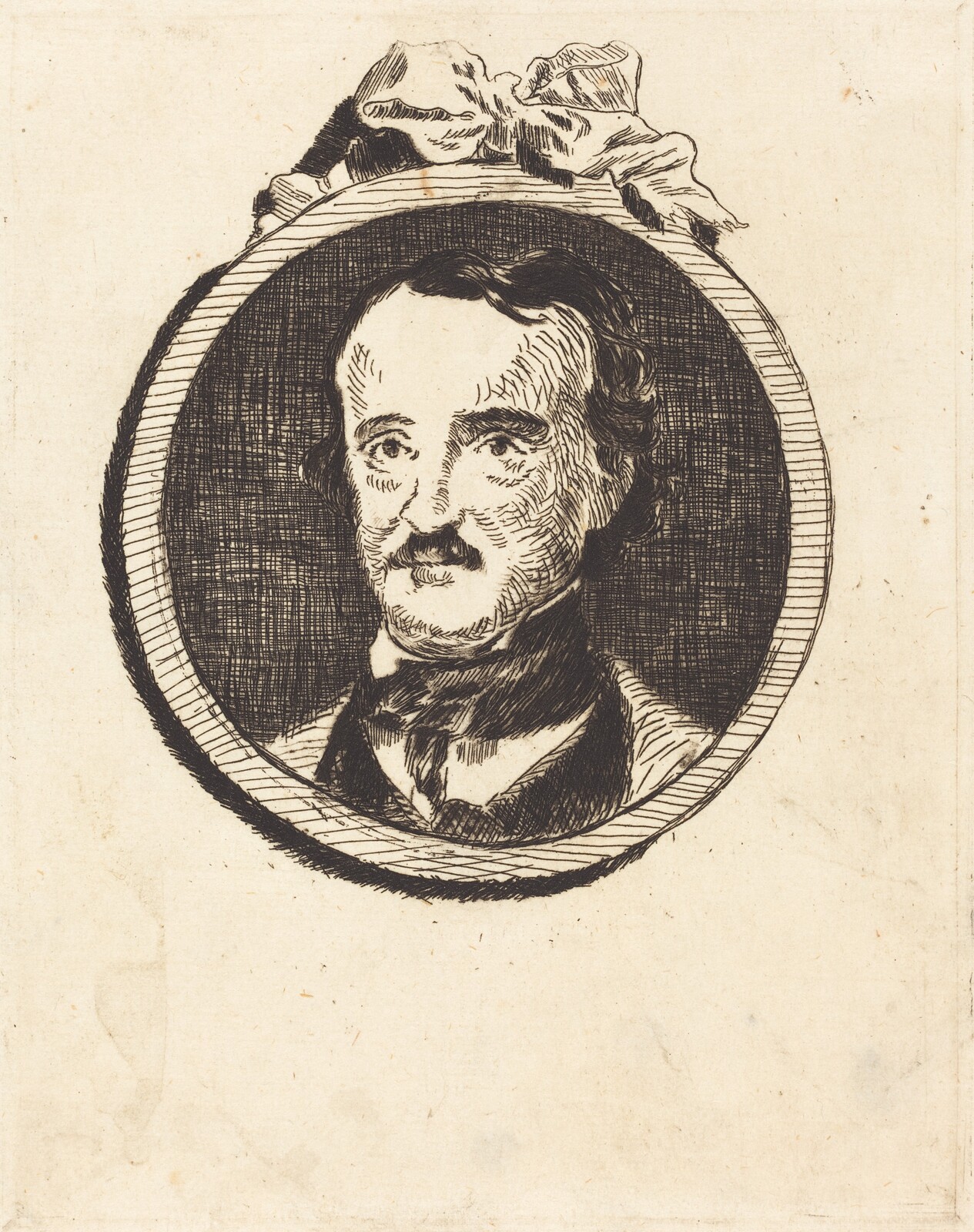
Edgar Poe
May one see it?
Not receiving at present

National Gallery of Art
Washington, D.C., United States
It belongs to the collection, but is not on display at present.
- Checked
- 5 hours ago
- In this state since
- Aug 19, 2026
- Source
- The museum's own collection data
Particulars
- Accession number
- 1943.3.5762
What it shows
In the catalog
Sources
- National Gallery of Art: the museum's own open data · fetched 4 days ago
- Image: National Gallery of Art — Museum open access
Meanwhile, in the life of Édouard Manet
The whole life1856–1858
Baudelaire and the studio on Rue Lavoisier
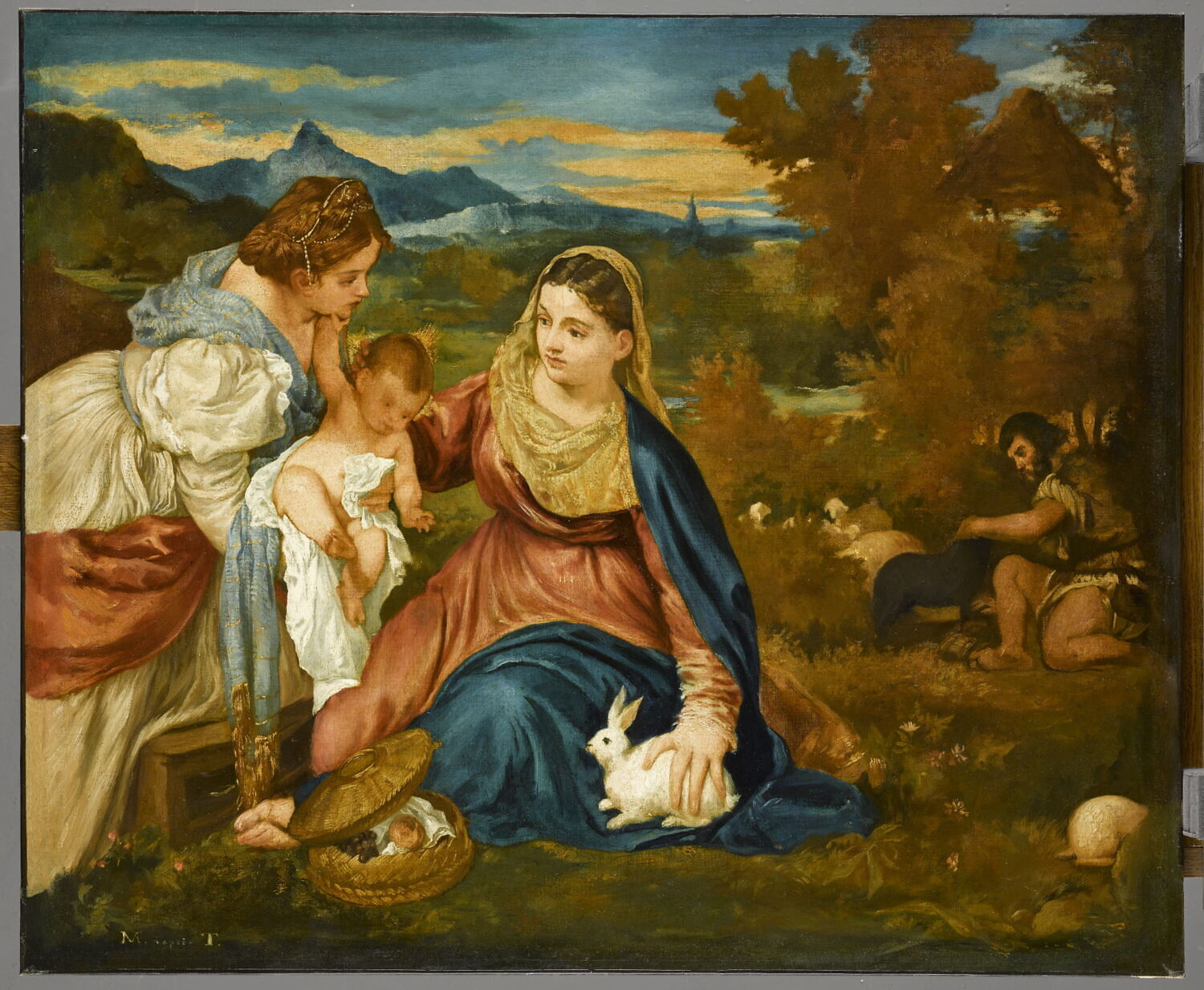
In 1856–1858 Manet became known as a promising artist and was invited to various salons, forming a particularly warm friendship with the poet Charles Baudelaire. Together with Count Albert de Balleroy he rented premises on Rue Lavoisier as a studio, and went to the Louvre every day to copy famous paintings.
1859
“The Absinthe Drinker” rejected; a final break with Couture
In 1859 Manet decided that his education was complete and submitted “The Absinthe Drinker” to the Salon; Couture reacted negatively and Manet finally broke with his teacher. The Salon jury rejected the painting: only Delacroix voted for it, while Couture voted against.
1861
His first participation in the Salon
In 1861 the Salon accepted two canvases by Manet: “Portrait of Monsieur and Madame Manet” and “The Spanish Singer”. Critics received the portrait coldly, while “The Spanish Singer” was admired by Théophile Gautier and, because of its popularity, hung in a more conspicuous place; the work intrigued young artists and brought new business to his studio.
1862
“Music in the Tuileries”: the fury of the public
In 1862 Manet exhibited “Music in the Tuileries” (probably painted in 1860), where the strollers include the poet Baudelaire, the musician Offenbach and the artist himself. It mostly provoked fury: the thick brushstrokes looked crude and unfinished, several visitors threatened to destroy the canvas; Delacroix defended it, and the controversy made Manet a well-known name in Paris.
c. 1862
Victorine Meurent: model and lover
Victorine-Louise Meurent, a young provincial eager to escape poverty, posed for “The Street Singer”; soon the painter and his model were bound not only by creative but by intimate ties. Rumours spread across Paris, but Suzanne either learned nothing or did not let on.
1862
His father dies; living on his inheritance
Manet's father, Auguste, died in 1862. Édouard's paintings still failed to sell, and he continued living off his inheritance.





![Scenes from the Passion of Christ: The Descent into Limbo [right panel], Andrea Vanni, 1380s](https://api.nga.gov/iiif/4205a539-eadd-4486-89a7-3cff9c1ba428/full/!2400,2400/0/default.jpg)


