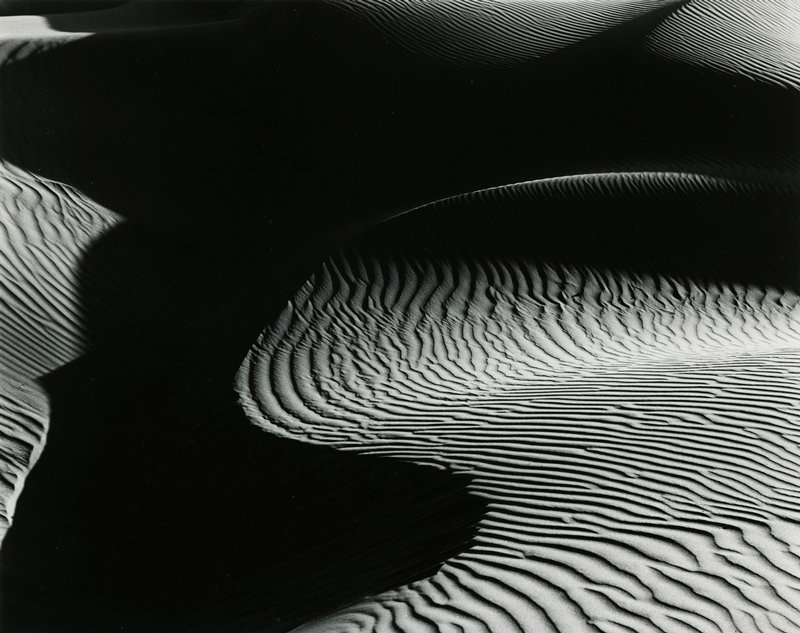
 Edward WestonAmerican, 1886–1958
Dunes, Oceano
Can I see it?
Not on view at present
Where is “Dunes, Oceano” now? Collection: Minneapolis Institute of Art, Minneapolis. Not on view at present. Checked September 29, 2026.

Minneapolis, United States
It belongs to the collection, but is not on display at present.
- Checked
- In this state since
- Source
- The museum
About the work
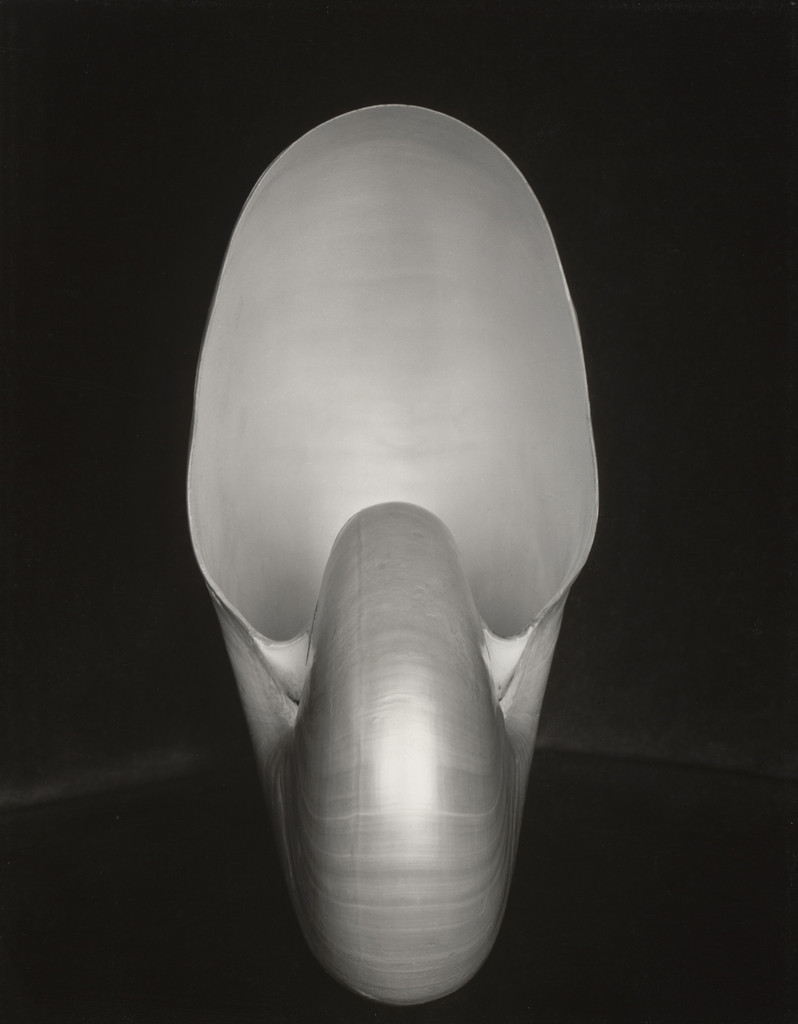
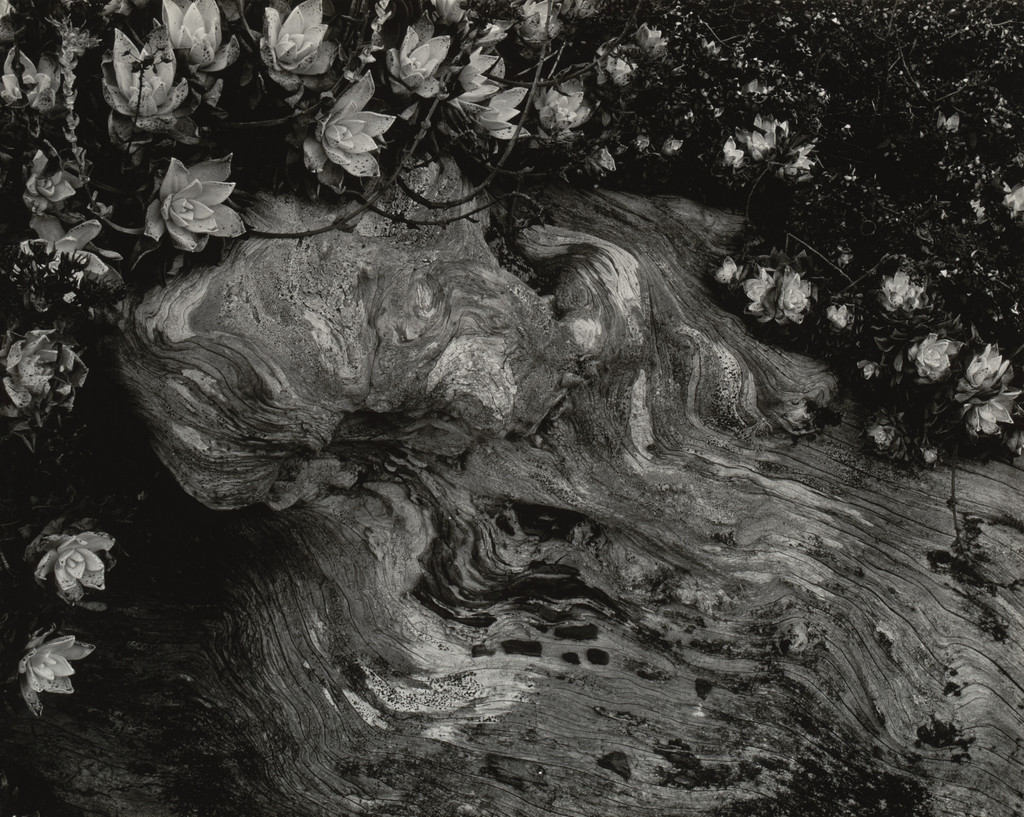
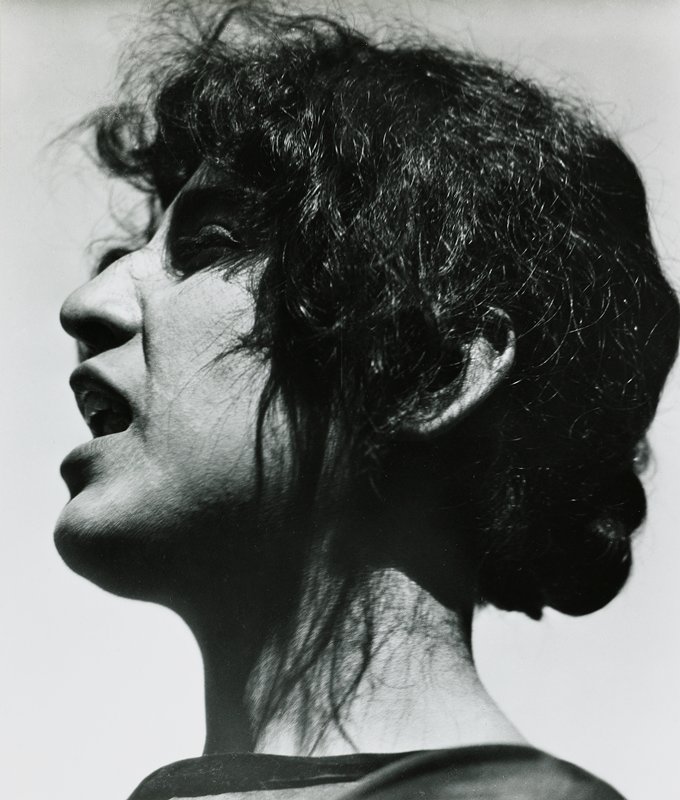
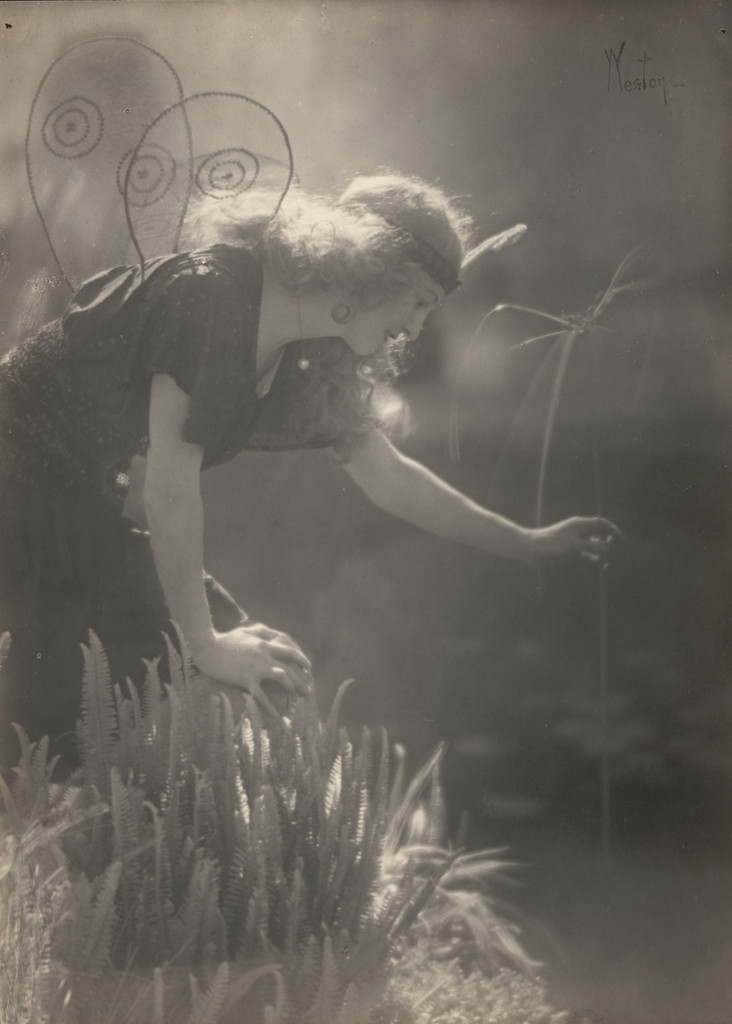
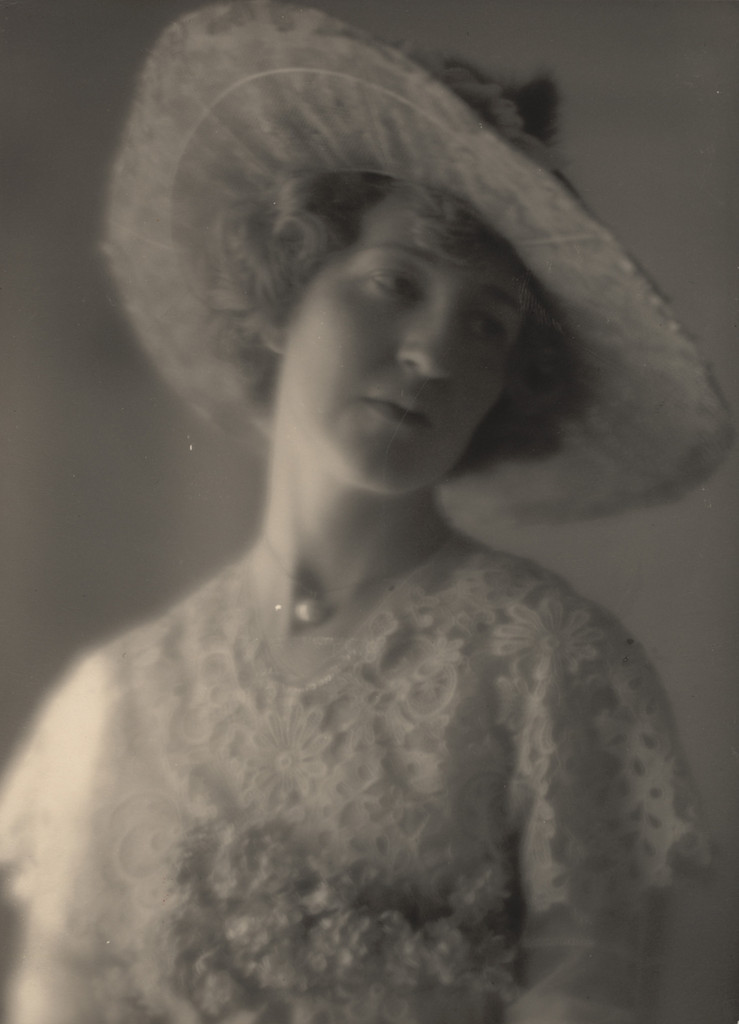
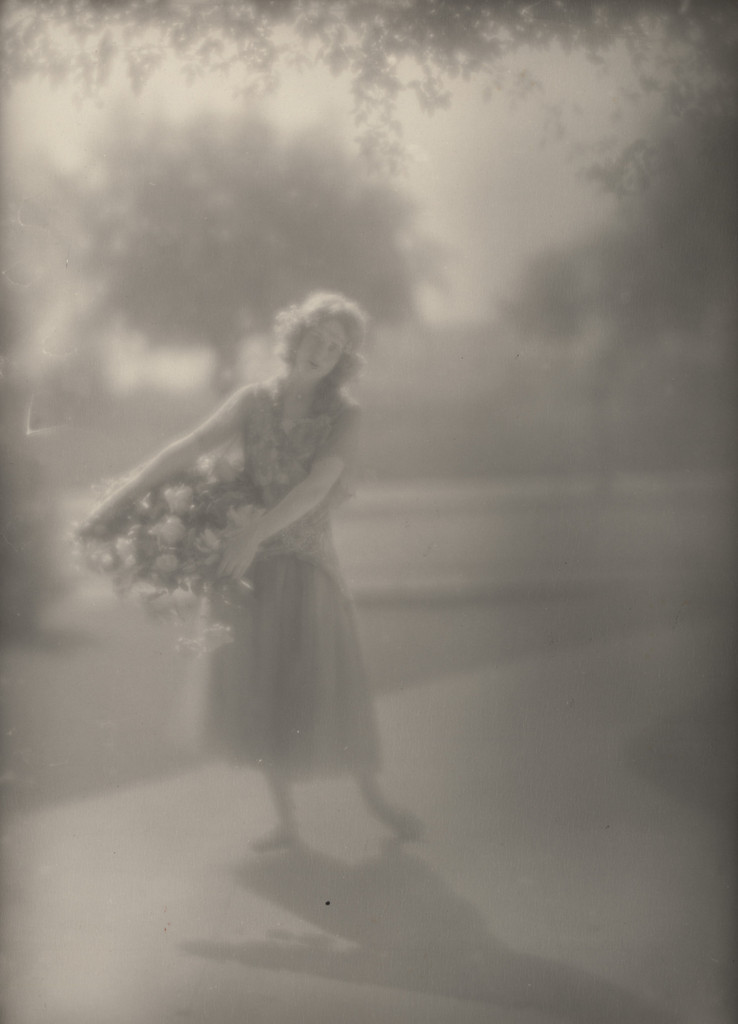
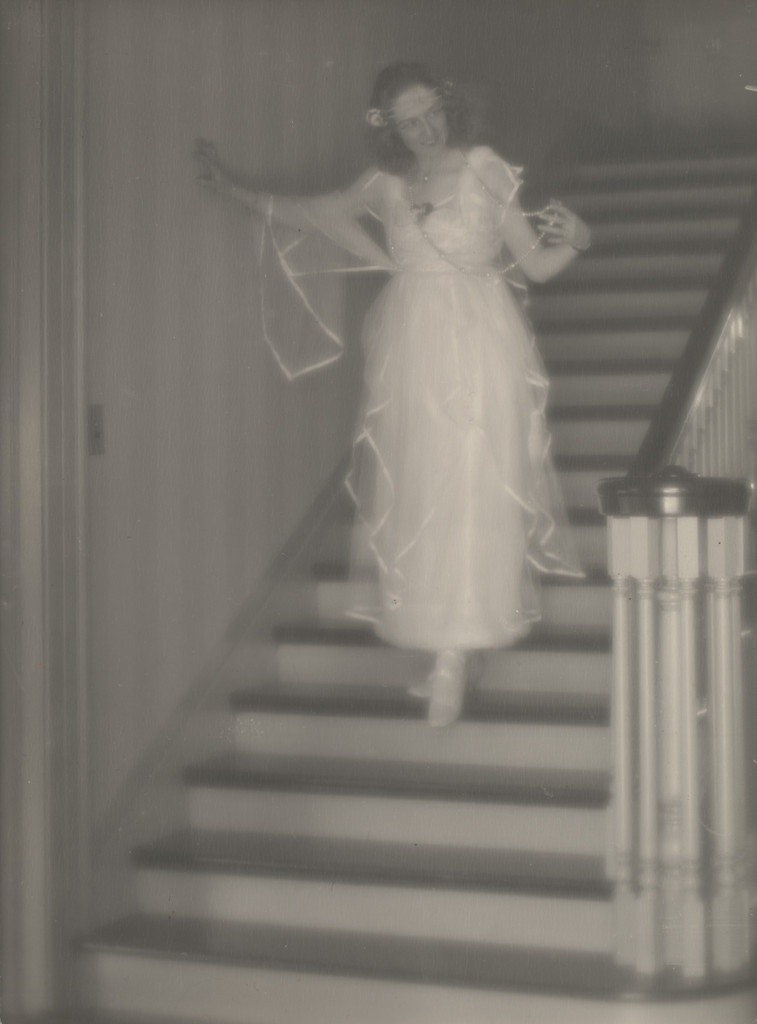
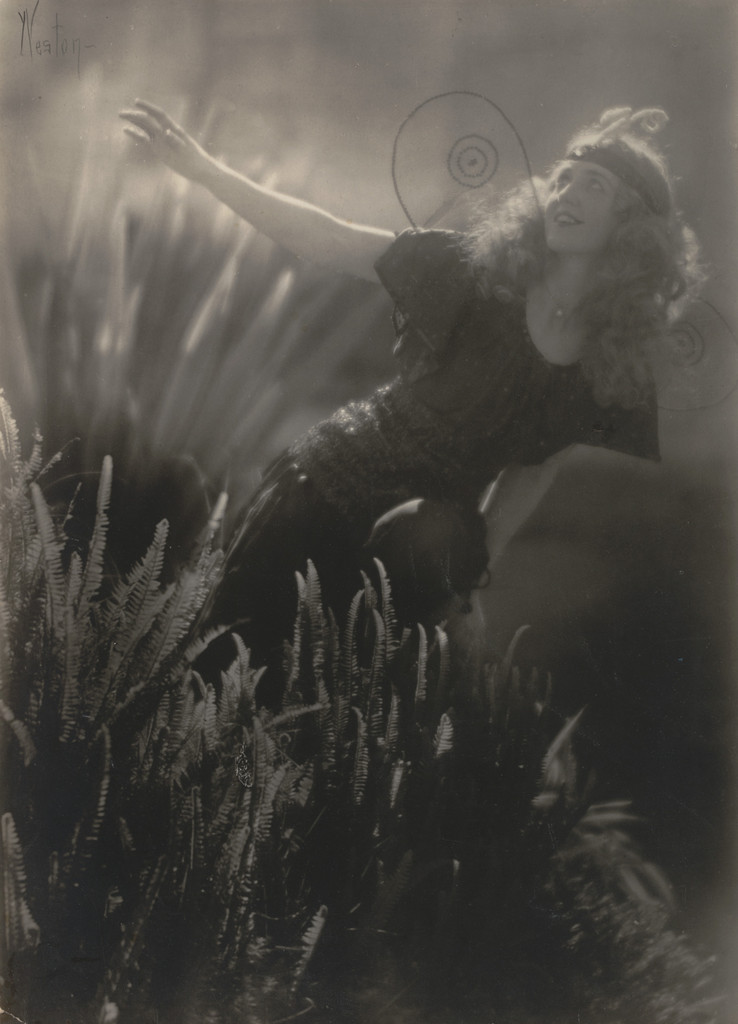
Initially creating soft-focused pictorial images, Edward Weston began to experiment in a more modernist manner around 1922. First in New Mexico and later in California, using objects that ranged from desert landscapes and portraits, to ordinary household objects, he changed the way that photography is viewed in modern art by promoting the medium as something to be experimented with, rather than just attempting to create a pictorial, or painterly image. His crisp, clean black and white photos were able to capture vast landscapes that would dissolve into flattened patterns, his nudes became soft shapes against darkened backgrounds, and his still lifes of vegetables began to take on the qualities of human portraits. By changing the way we view the everyday, Weston encouraged the viewer to look at the mundane under an abstracted lens, turning the everyday into something more noteworthy.
Minneapolis Institute of Art
Details
- Accession number
- 72.20
In the catalog
Sources
- Minneapolis Institute of Art
- Image: Minneapolis Institute of Art — Center for Creative Photography ©1981 Arizona Board of Regents
In the life of Edward Weston
The whole lifeearly 1934
Meets Charis Wilson at a concert
Meeting Charis Wilson at a concert, he is immediately captivated by her beauty and personality, even more than with his previous lovers; a new and important chapter opens in his life. He writes that a new and most beautiful love has come into his life, one that he believes will stand the test of time.
1934
Stops writing his Daybooks
Perhaps because of the intensity of his new relationship, he stops writing in his Daybooks, and six months later makes one final entry, looking back from 22 April: Charis, he writes, may be remembered as the great love of his life.
April – May 1934
Asks Noskowiak to move out
He is still living with Noskowiak, but within two weeks he asks her to move out, declaring that other women are for him “as inevitable as the tides”.
August 1935
Charis Wilson agrees to live with him
Weston had implored Charis Wilson to come and live with him, and in August 1935 she finally agrees. Of all the women he has lived with since Flora, she is the first with no interest in becoming a photographer; this lets him concentrate on her as his muse and model, while Wilson devotes her time to promoting his art as his assistant and quasi-agent.
22 March 1937
News of the Guggenheim grant: two thousand dollars
On 22 March 1937 Weston learns he has been awarded a Guggenheim grant, the first ever given to a photographer: $2,000 for one year, a significant sum at the time. He capitalises on it further by arranging to supply the editor of AAA Westway Magazine with 8–10 photographs a month for $50 during their travels, with Wilson earning another $15 a month for captions and short narratives. They buy a new car and set out on Weston’s dream trip to photograph whatever he wants.
1937–1939
Nearly 1,400 negatives in two years on the fellowship
The first photographer to receive a Guggenheim Fellowship, he produces nearly 1,400 negatives over the next two years with his 8 × 10 view camera.