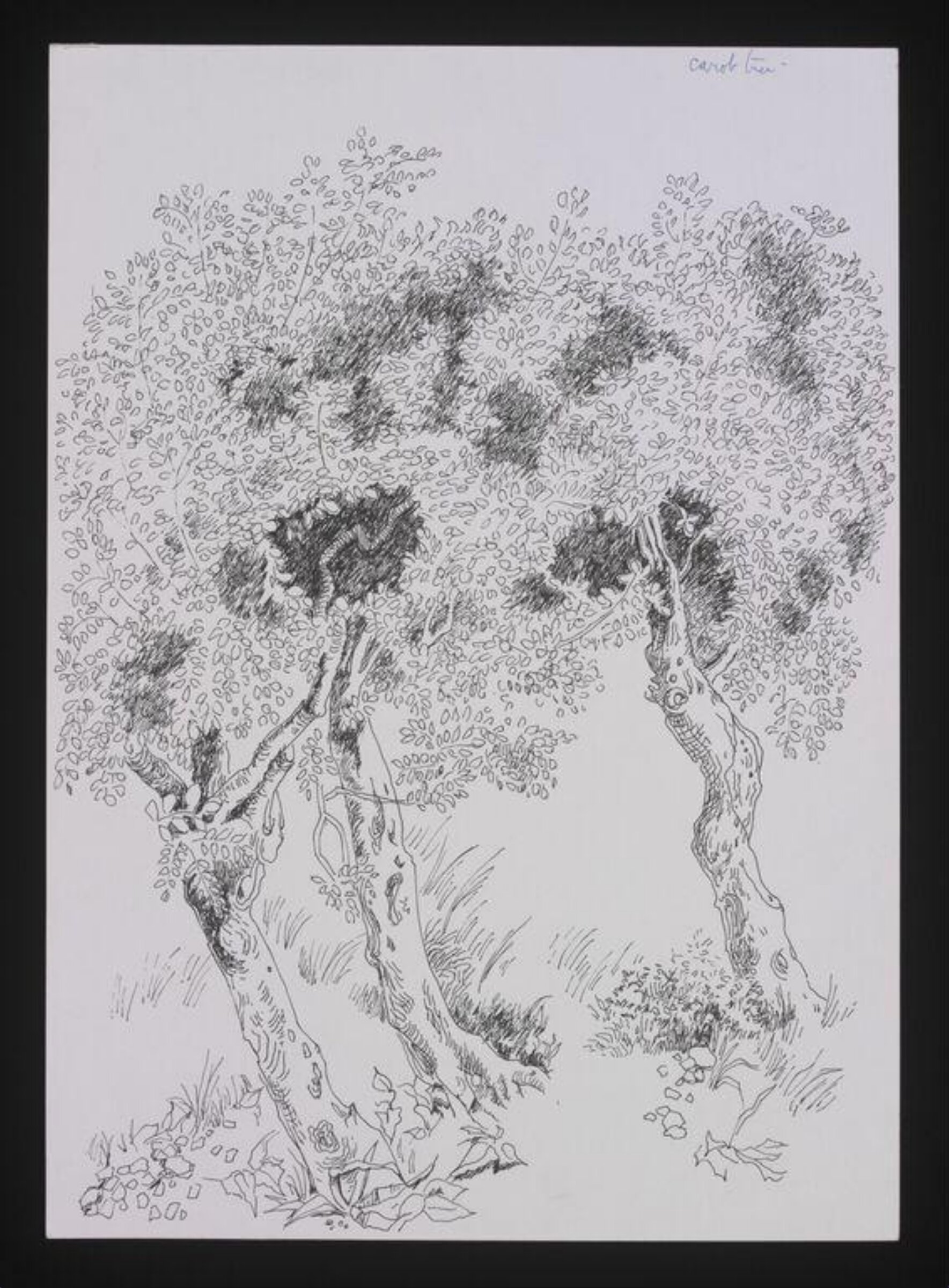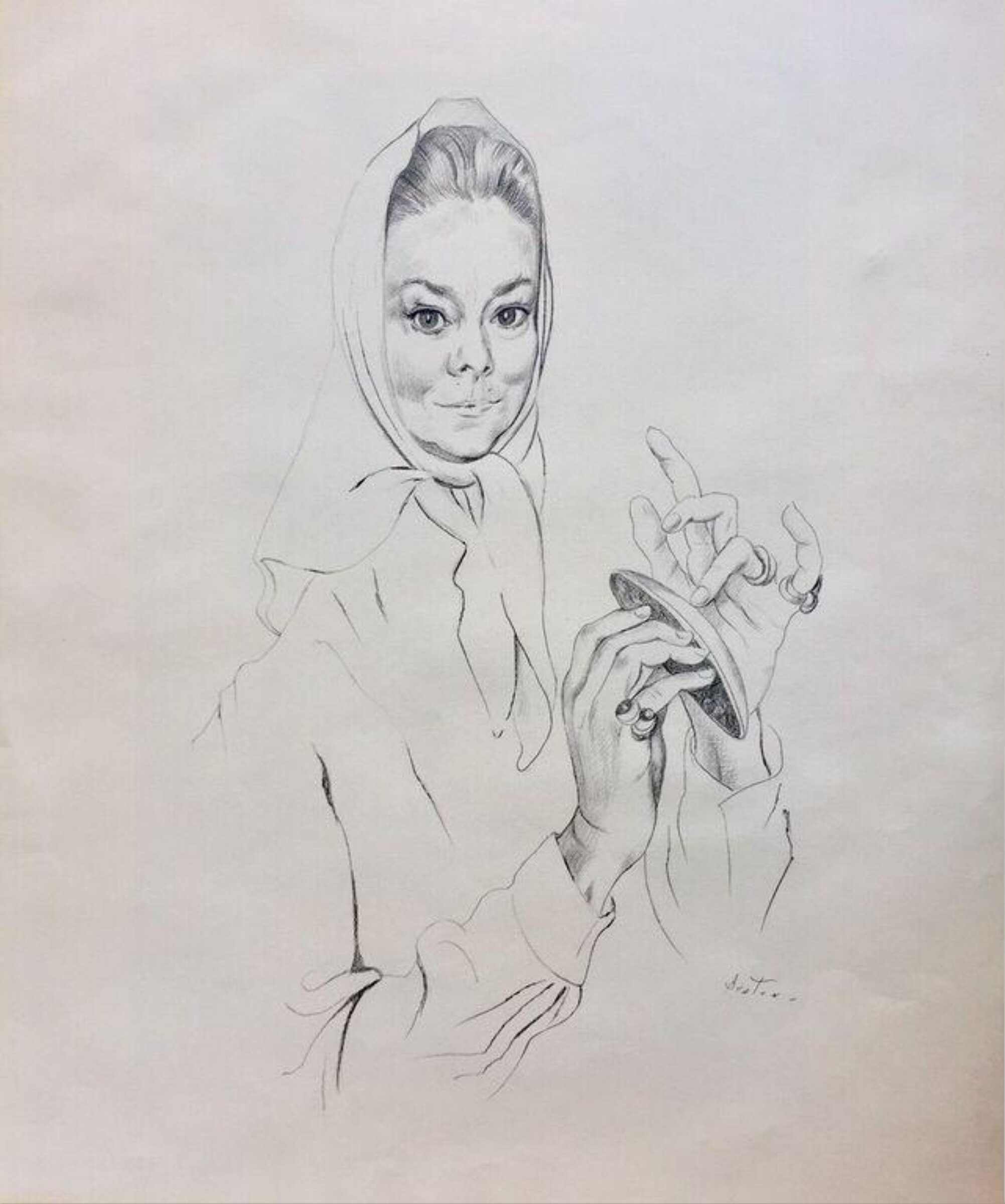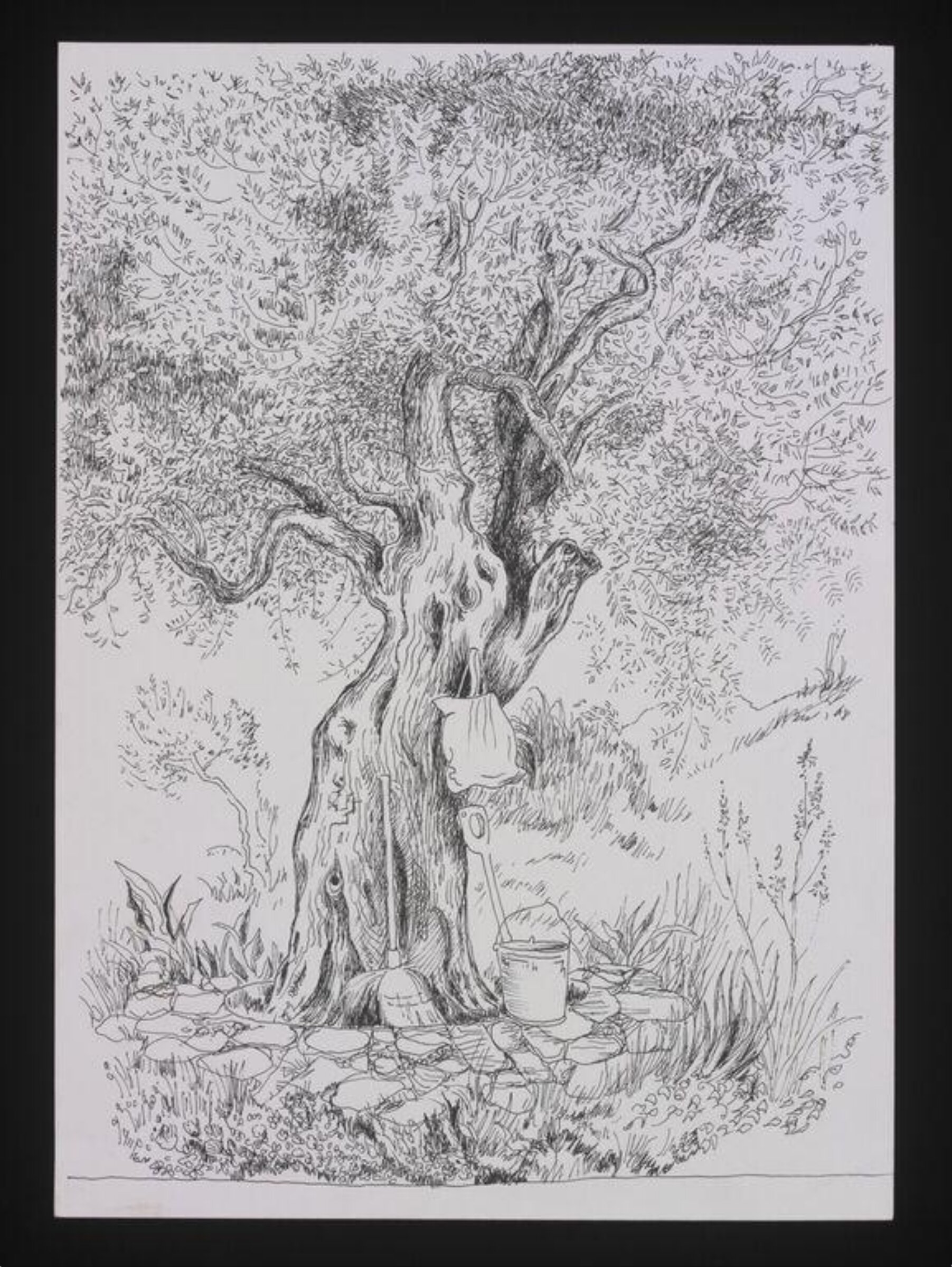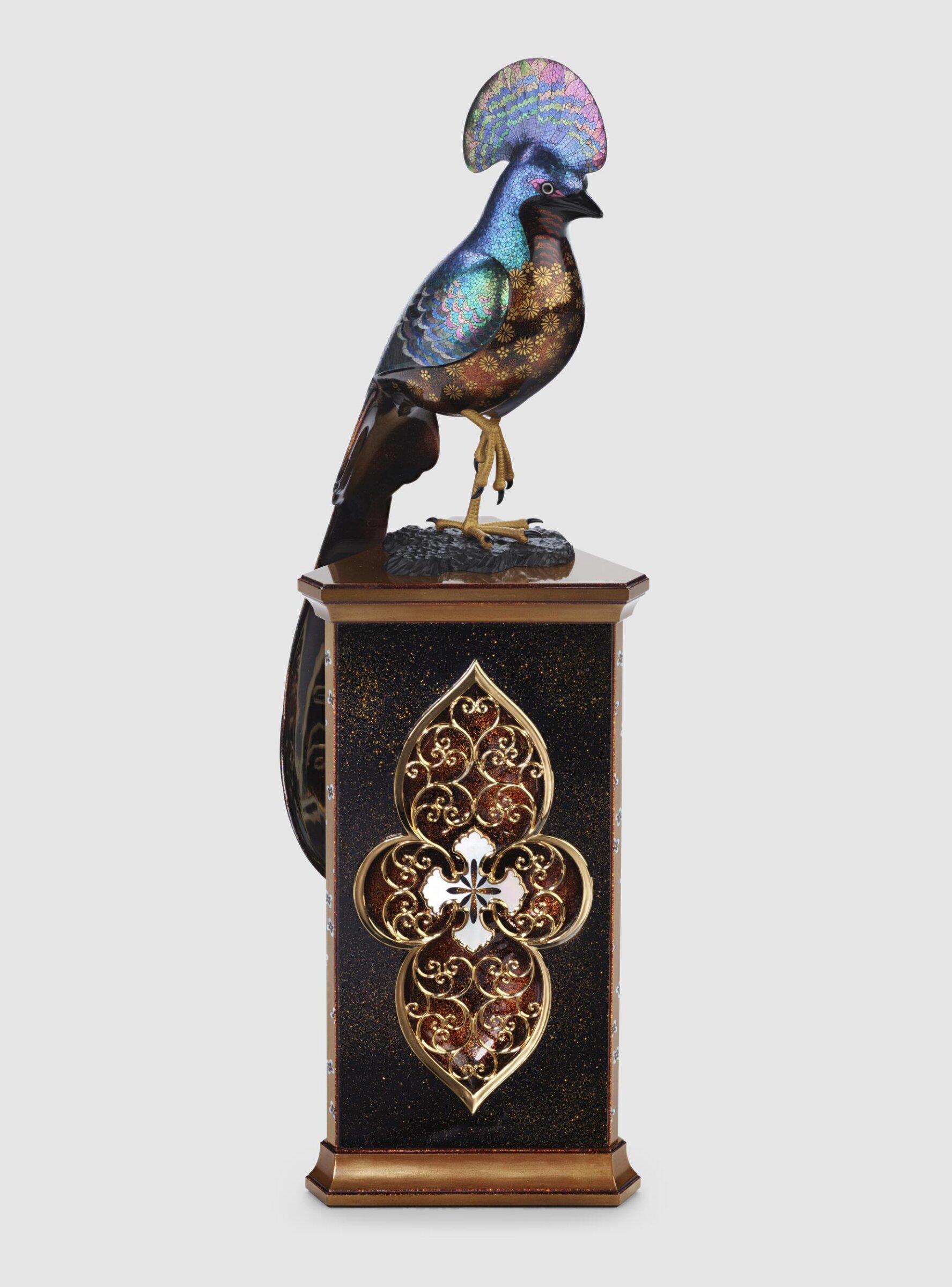
 Cecil BeatonEnglish, 1904–1980
Drawing
May one see it?
Not receiving at present

Victoria and Albert Museum
London, United Kingdom
It belongs to the collection, but is not on display at present.
- Checked
- 9 days ago
- In this state since
- Sep 25, 2026
- Source
- The museum's own collection data
About the work
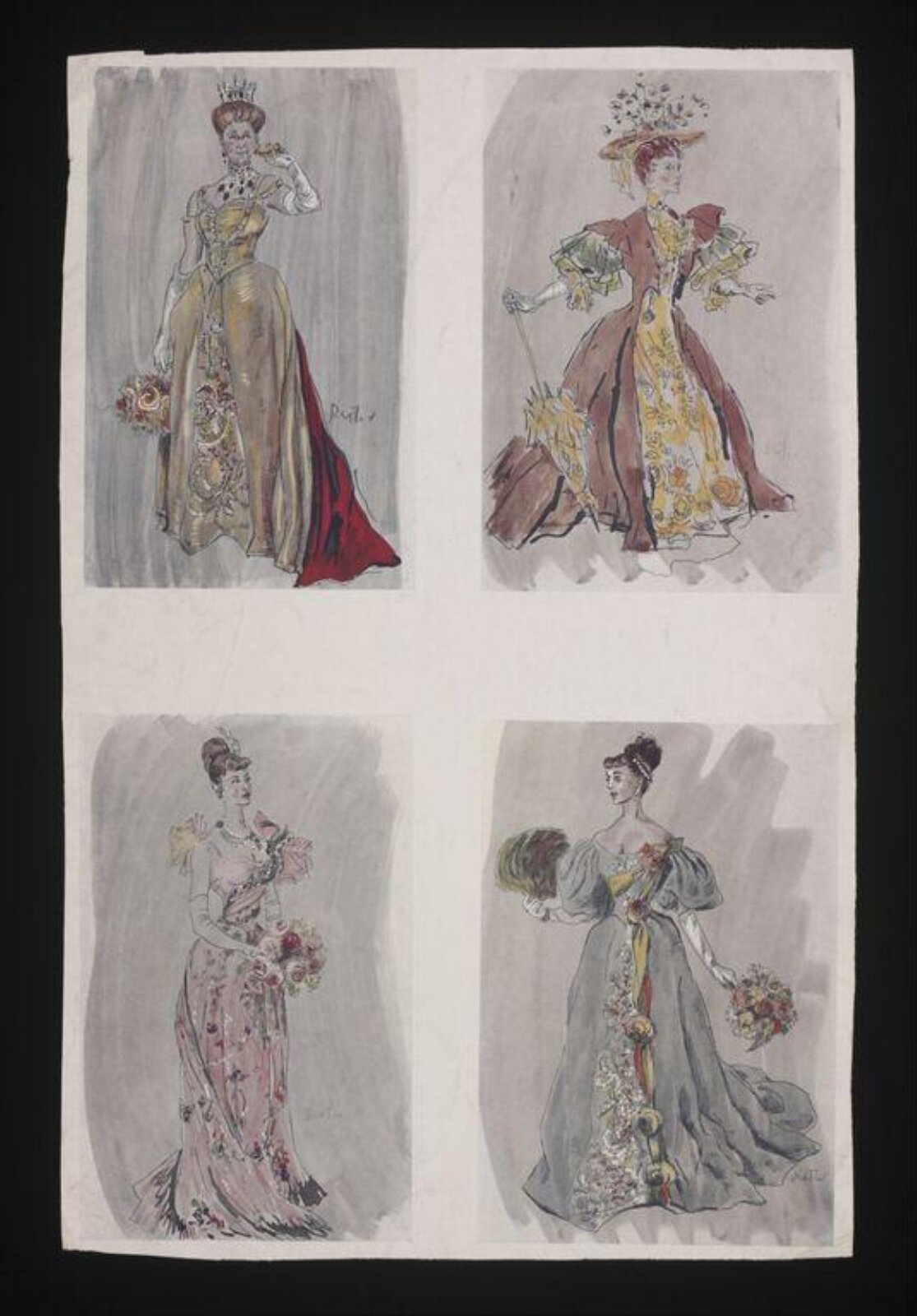
Colour print of four watercolour sketches showing female figures, connected with a production of Lady Windermere's Fan, originally created by Cecil Beaton, ca. 1946.
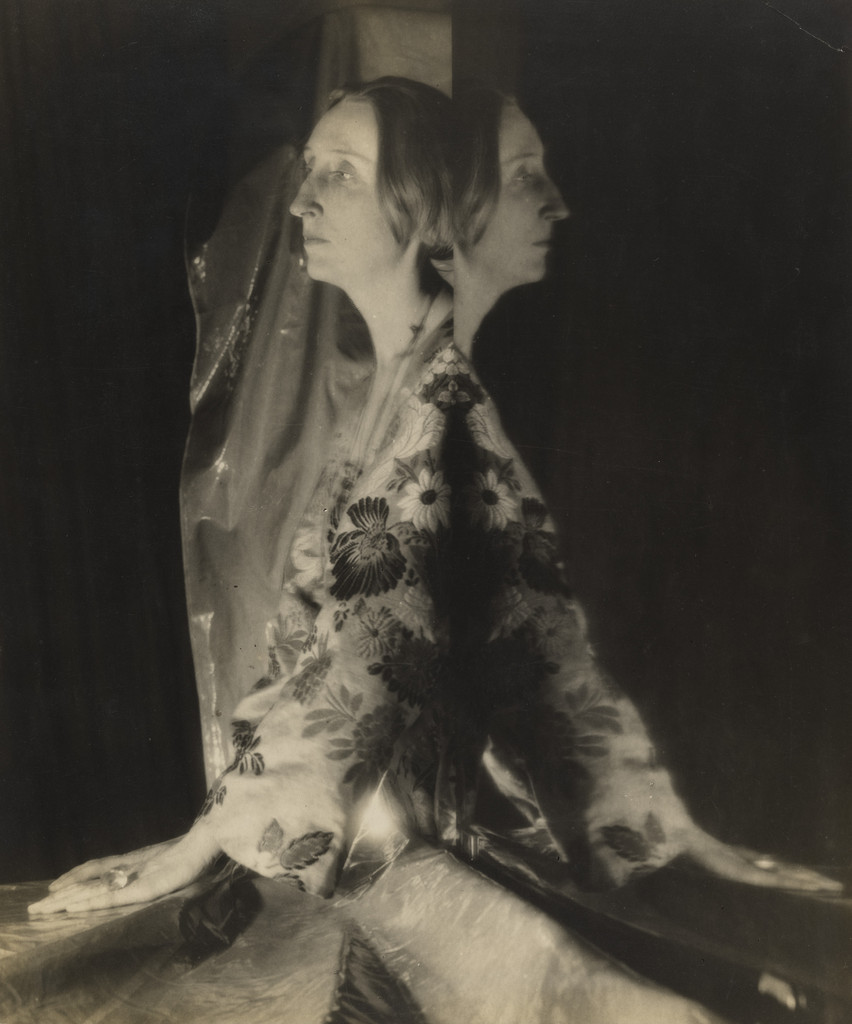
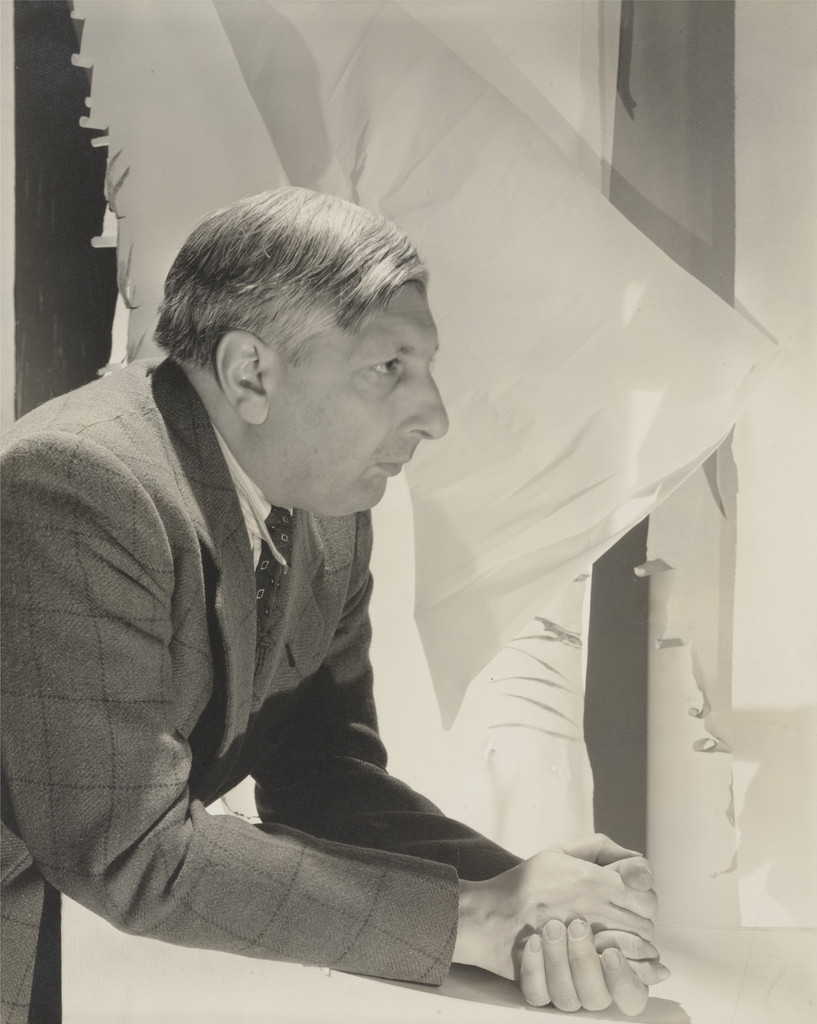
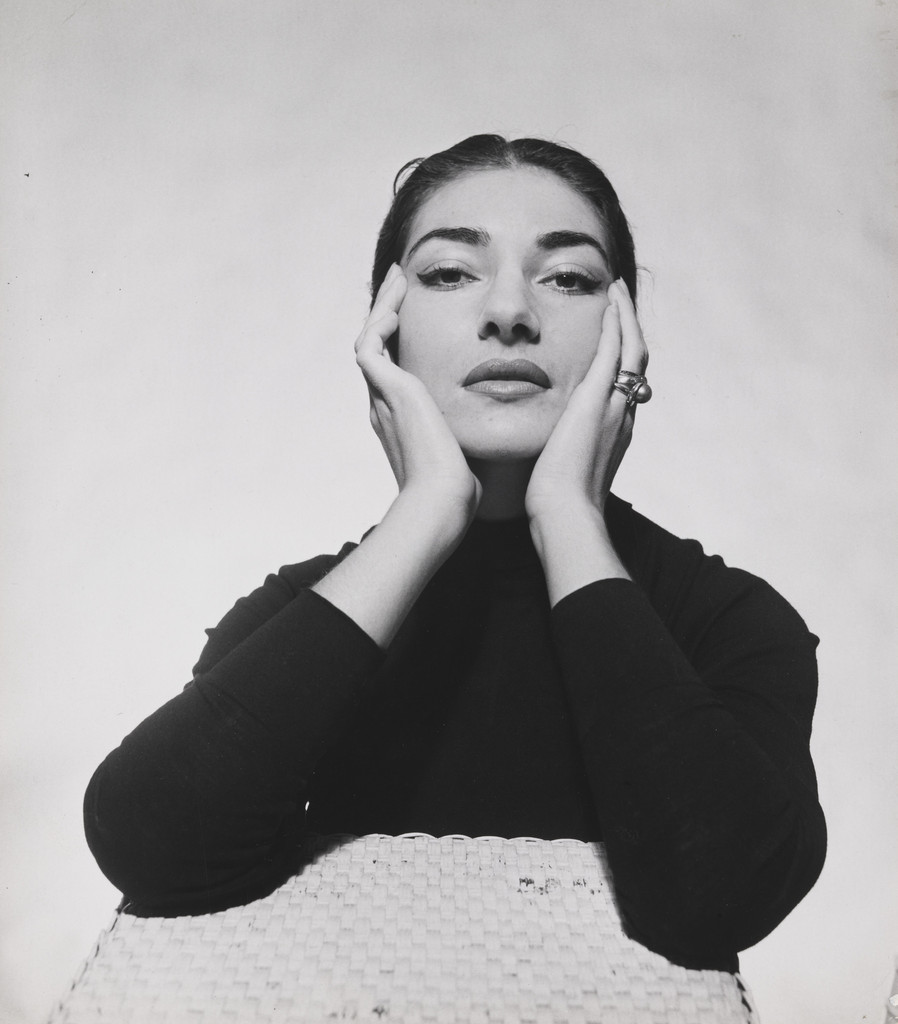
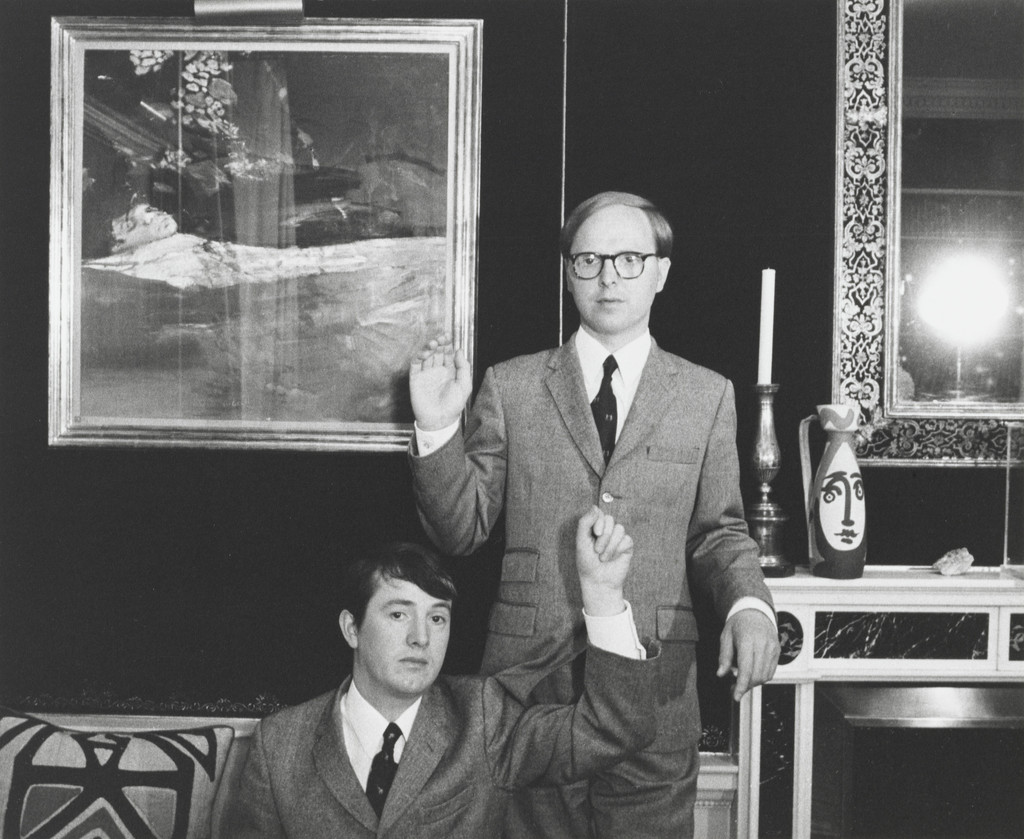
Sir Cecil Walter Hardy Beaton, CBE (14 January 1904 – 18 January 1980) was an English fashion, portrait and war photographer, diarist, painter, interior designer and an Academy Award-winning stage and costume designer for films and the theatre.
Victoria and Albert Museum
Particulars
- Accession number
- S.2285-2014
In the catalog
Sources
- Victoria and Albert Museum: the museum's own open data · fetched 9 days ago
- Image: Victoria and Albert Museum — © Victoria and Albert Museum, London
Meanwhile, in the life of Cecil Beaton
The whole life1922–1974
Diaries, 1922–1974
Six volumes of his diaries, spanning the years 1922–1974, are published in his lifetime. According to Hugo Vickers, who edited a fuller edition, opinions in the published volumes are softened, whereas in the originals Beaton can be truly venomous.
1930–1945
Leases Ashcombe House in Wiltshire
At the country estate of Ashcombe House he entertains many notable figures and develops his theatrical style of interior decoration.
1940–1945
Photographer for the Ministry of Information
Back in England, he joins the Ministry of Information on the Queen’s recommendation and records the home front and the damage of the German Blitz; between 1940 and 1945 he takes over 7,000 photographs in Britain, China and Africa. With his style sharpened and his range broadened, the war restores his career.
1946
Plays Cecil Graham in “Lady Windermere’s Fan”
After the war he creates the sets, costumes and lighting for the London and New York productions of Oscar Wilde’s Lady Windermere’s Fan, and in 1946 he himself plays Mr Cecil Graham in New York for twenty-five weeks.
1947
A romance with Greta Garbo
His infatuation turns into a romantic but largely unreciprocated relationship; he considers marriage but faces competition from Garbo’s companion, George Schlee.
1947
Buys Reddish House in Broad Chalke
He buys a seventeenth-century house with 2.5 acres of gardens in Wiltshire and transforms its interiors and gardens, adding rooms on the eastern side, extending the parlour southwards and introducing many new fittings. He remains there until his death.