ART WIKI33,040 on view
MapCollectionArtistsMuseumsExhibitionsJournal
Sign in

ART WIKI

Where the masterpiece hangs, and when they let you in.

Collections: Art Institute of Chicago, Getty Villa, Harvard Art Museums, Hirshhorn Museum and Sculpture Garden, J. Paul Getty Museum, Minneapolis Institute of Art, Musée du Louvre, National Gallery of Art, National Museum of Asian Art, National Portrait Gallery (Smithsonian), Pushkin State Museum of Fine Arts, Rijksmuseum, Smithsonian American Art Museum, SMK — National Gallery of Denmark, State Hermitage Museum, State Russian Museum, The Cleveland Museum of Art, The Metropolitan Museum of Art, The Museum of Modern Art, Tretyakov Gallery, Victoria and Albert Museum, Whitney Museum of American Art, State Catalogue of the Museum Fund of Russia (274 museums), Europeana (19 museums), Wikidata (6 museums), Paris Musées (12 museums), and Joconde, the French Ministry of Culture's museum database (495 museums). Images belong to their rights holders.

Sections

  • Map
  • Search
  • Collection
  • Masterpieces
  • On view now
  • Artists

More

  • Museums & galleries
  • Exhibitions
  • Journal
  • Where the data comes from
  • Privacy & cookies
HomeMapBrowse
  1. Collection/
  2. Belvedere/
  3. Das Urteil des Paris
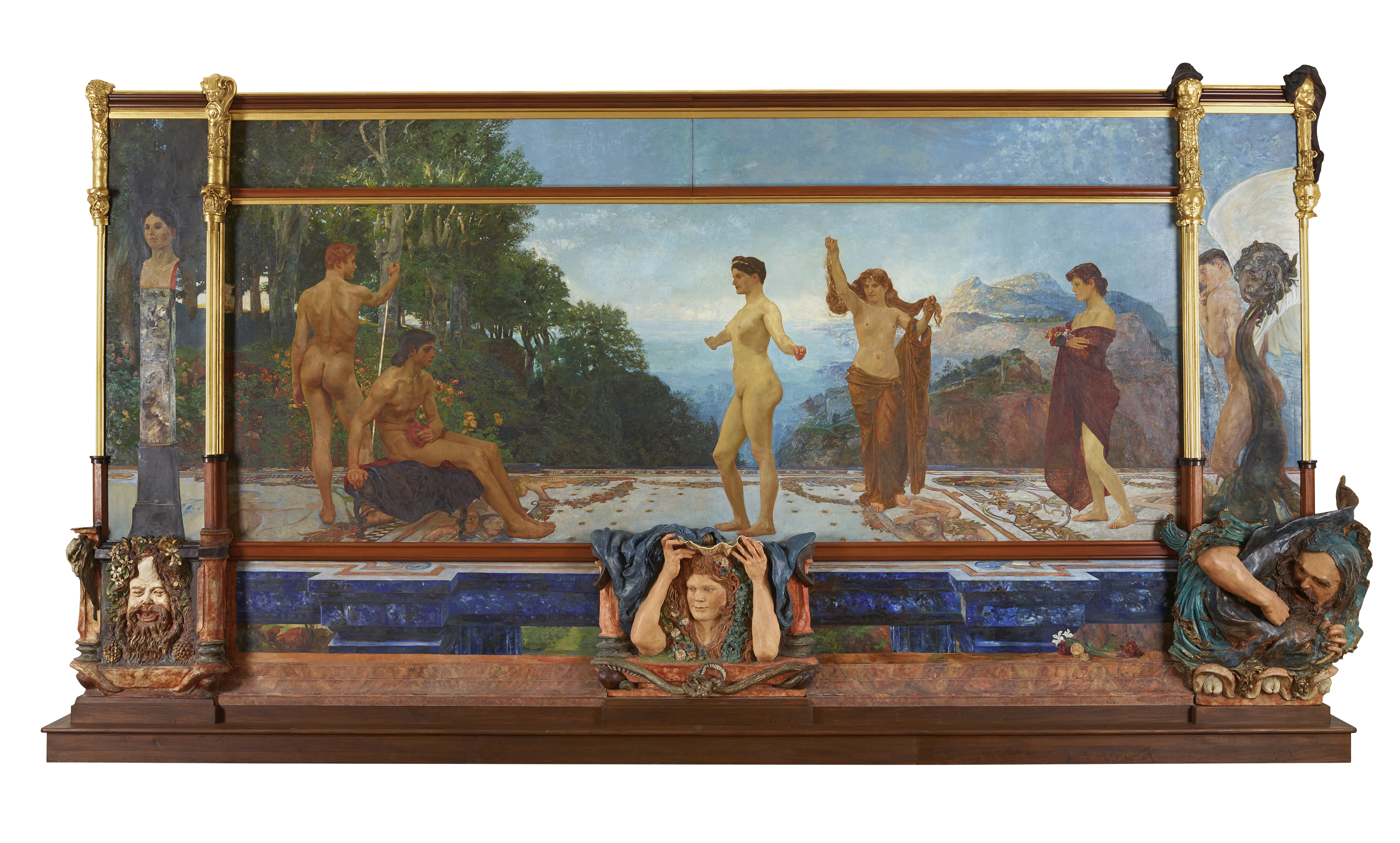
Das Urteil des Paris, Max Klinger, 1885–1887
Max Klinger, portraitMax KlingerGerman, 1857–1920

Das Urteil des Paris

1885–1887 · Painting

May one see it?

Unknown

Belvedere

Vienna, Austria

The owner is known; whether it is on view today is not.

In this state since
Sep 27, 2026
Source
The museum
On the mapMuseum page

About the painting

In the museum's own words — in German

Ohne Scheu nähern sich die Göttinnen Venus, Athena und Hera dem Hirten Paris. Sie präsentieren ihre Körper; unverwandt blicken sie auf Paris und den Götterboten Hermes. Hermes nimmt es gelassen, verharrt in selbstverliebter Athletenpose. Paris hingegen scheint vor so viel unverblümt zur Schau getragener Weiblichkeit zurückzuschrecken – wie das männliche Publikum um 1900. „Absolut fremd und verständnislos“ stünden die meisten Männer dem Bild gegenüber, schrieb der erste Besitzer des Bildes Alexander Hummel, während es von Frauen aufrichtig bewundert werde. – Selbstsicher zeigt Klinger die Göttinnen, nicht in lasziven Posen. Vor so viel Selbstbewusstsein musste die Männerwelt einfach kapitulieren.

Belvedere

Particulars

1885–1887
18571920

In the catalog

PaintingsGerman paintingImpressionism19th century

Sources

  • Belvedere
  • Image: Belvedere — CC BY-SA 4.0

Meanwhile, in the life of Max Klinger

The whole life
  1. summer 1883

    Move to Paris

    He moves to Paris, where the poet and critic Jules Laforgue is already championing his prints; he lives there until 1886 or 1887, studies Goya and Daumier at the Louvre and begins sculpting about 1883.

  2. late July 1886

    A trip to Italy and the Carrara quarries

    At the end of July he leaves Paris for Italy, where he also visits the quarries of Carrara.

  3. March 1887

    Meets Arnold Böcklin

    He returns to Berlin, where he meets the Swiss artist Arnold Böcklin and grows spiritually close to him; from September he lives in Leipzig.

  4. 1889

    Invited to exhibit with Les XX

    The members of Les XX (The Twenty) invite Klinger to exhibit his work in their annual winter exhibition in Brussels.

  5. 1889

    A journey through Belgium and Italy

    He travels through Belgium and Italy, visiting Naples, Paestum and Pompeii.

  6. 1889–1893

    Years in Rome

    He settles in Rome and studies the Italian masters: 15th-century artists and works from antiquity are a revelation to him, and he intensifies his studies of anatomy, the nude and the representation of mass and volume — a very productive time. Other accounts say he arrived in Rome already in 1888.

More by Max Klinger

All works
Evocation (Evocation), Max Klinger

Evocation (Evocation)

Not on view · National Gallery of Art

Ex libris van Max Klinger, Max Klinger, 1867 - 1920

Ex libris van Max Klinger

1867 - 1920 · Rijksmuseum

"Amor und Psyche" IV: "Zweites Intermezzo I Die Geburt von Troja's Unheil": Die drei Göttinnen. Text: "Hilfe des Windes hinauf ..." (recto), Max Klinger

"Amor und Psyche" IV: "Zweites Intermezzo I Die Geburt von Troja's Unheil": Die drei Göttinnen. Text: "Hilfe des Windes hinauf ..." (recto)

Kupferstich-Kabinett Dresden

Umrahmungen zu "Amor und Psyche", Blatt 2, Max Klinger

Umrahmungen zu "Amor und Psyche", Blatt 2

Kupferstich-Kabinett Dresden

Umrahmung zu "Amor und Psyche", Blatt 23, Max Klinger

Umrahmung zu "Amor und Psyche", Blatt 23

Kupferstich-Kabinett Dresden

Umrahmungen zu "Amor und Psyche", Blatt 4, Max Klinger

Umrahmungen zu "Amor und Psyche", Blatt 4

Kupferstich-Kabinett Dresden

Umrahmung zu "Amor und Psyche", Blatt 21, Max Klinger

Umrahmung zu "Amor und Psyche", Blatt 21

Kupferstich-Kabinett Dresden

Studie zur oberen Querfüllung in "Amor und Psyche" p. XIX: Amor vor einem Löwen sitzend, umgeben von vier Vögeln, Blatt 5, Max Klinger

Studie zur oberen Querfüllung in "Amor und Psyche" p. XIX: Amor vor einem Löwen sitzend, umgeben von vier Vögeln, Blatt 5

Kupferstich-Kabinett Dresden

From the collection of Belvedere

Museum page
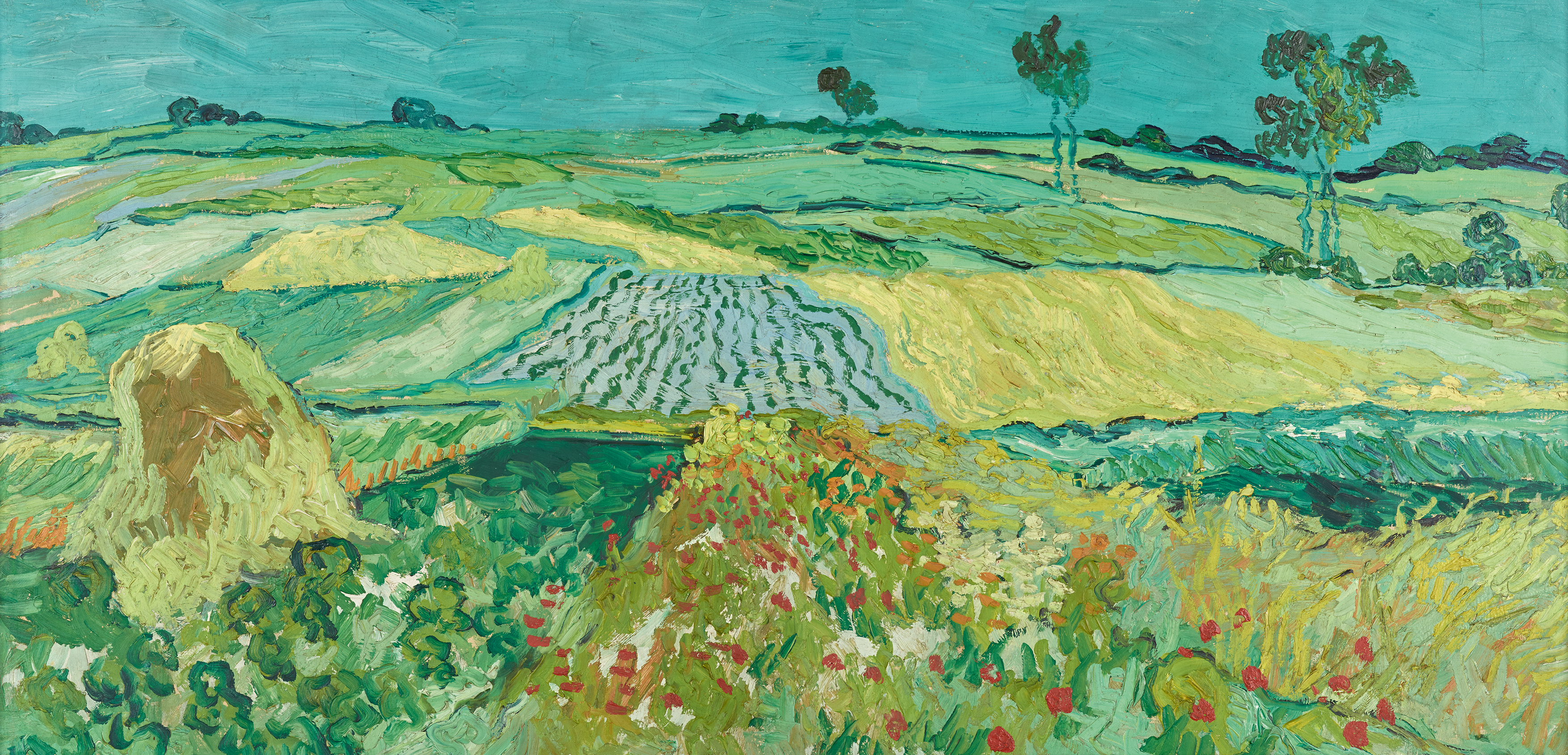
Die Ebene von Auvers, Vincent van Gogh, 1890

Vincent van Gogh

Die Ebene von Auvers, 1890

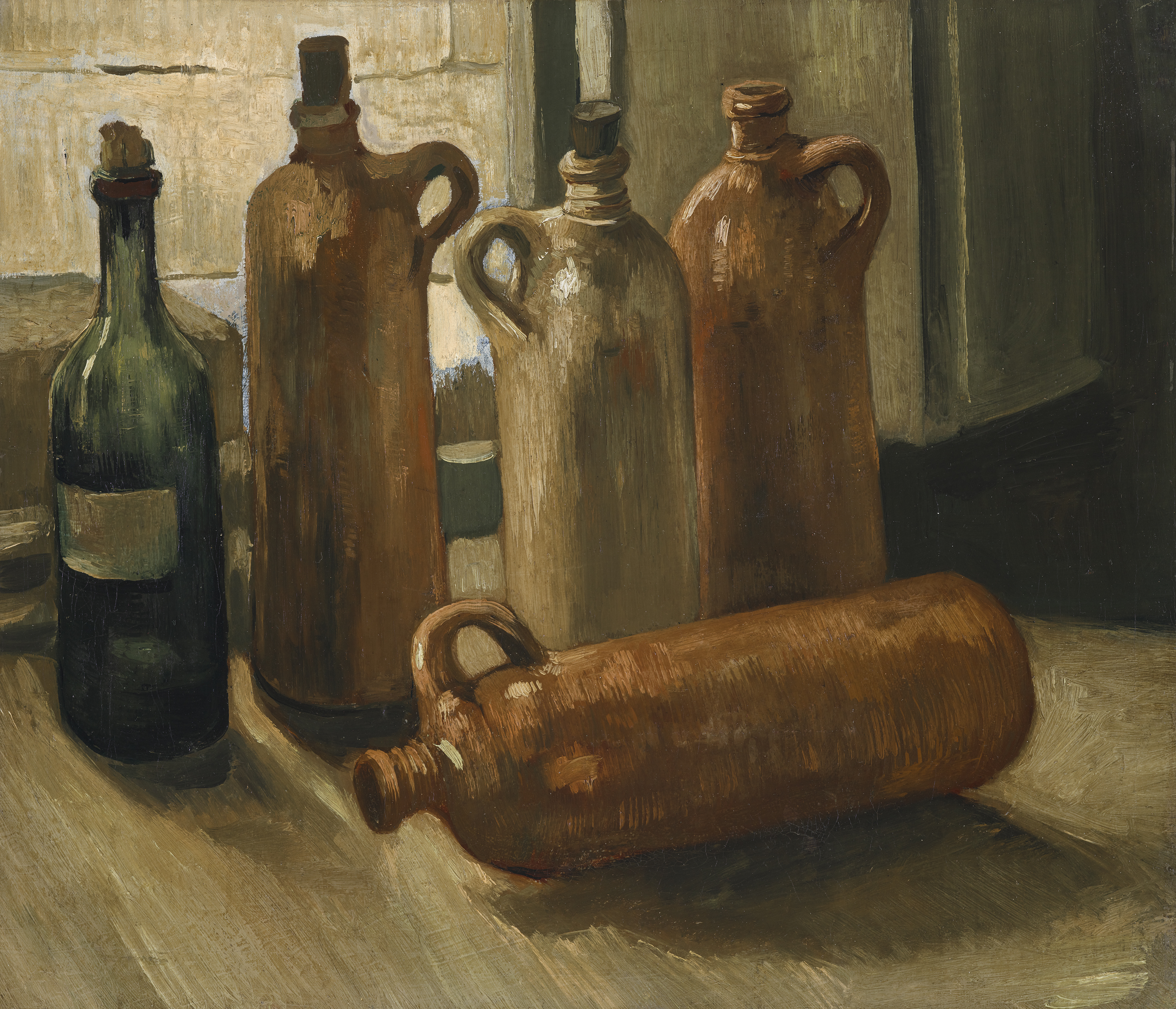
Stillleben mit fünf Flaschen, Vincent van Gogh, 1884

Vincent van Gogh

Stillleben mit fünf Flaschen, 1884

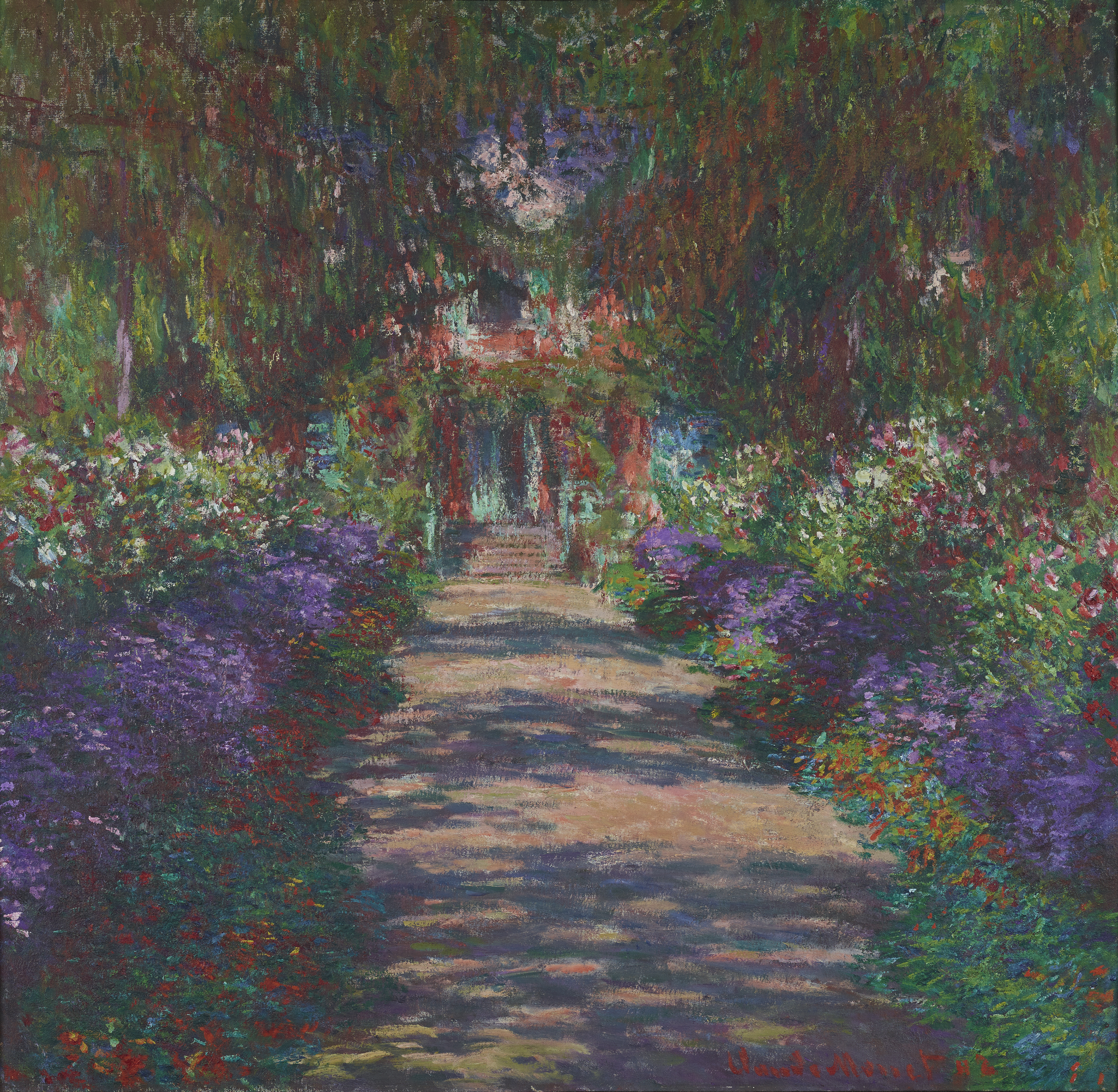
Eine Allee in Monets Garten in Giverny, Claude Monet, 1902

Claude Monet

Eine Allee in Monets Garten in Giverny, 1902

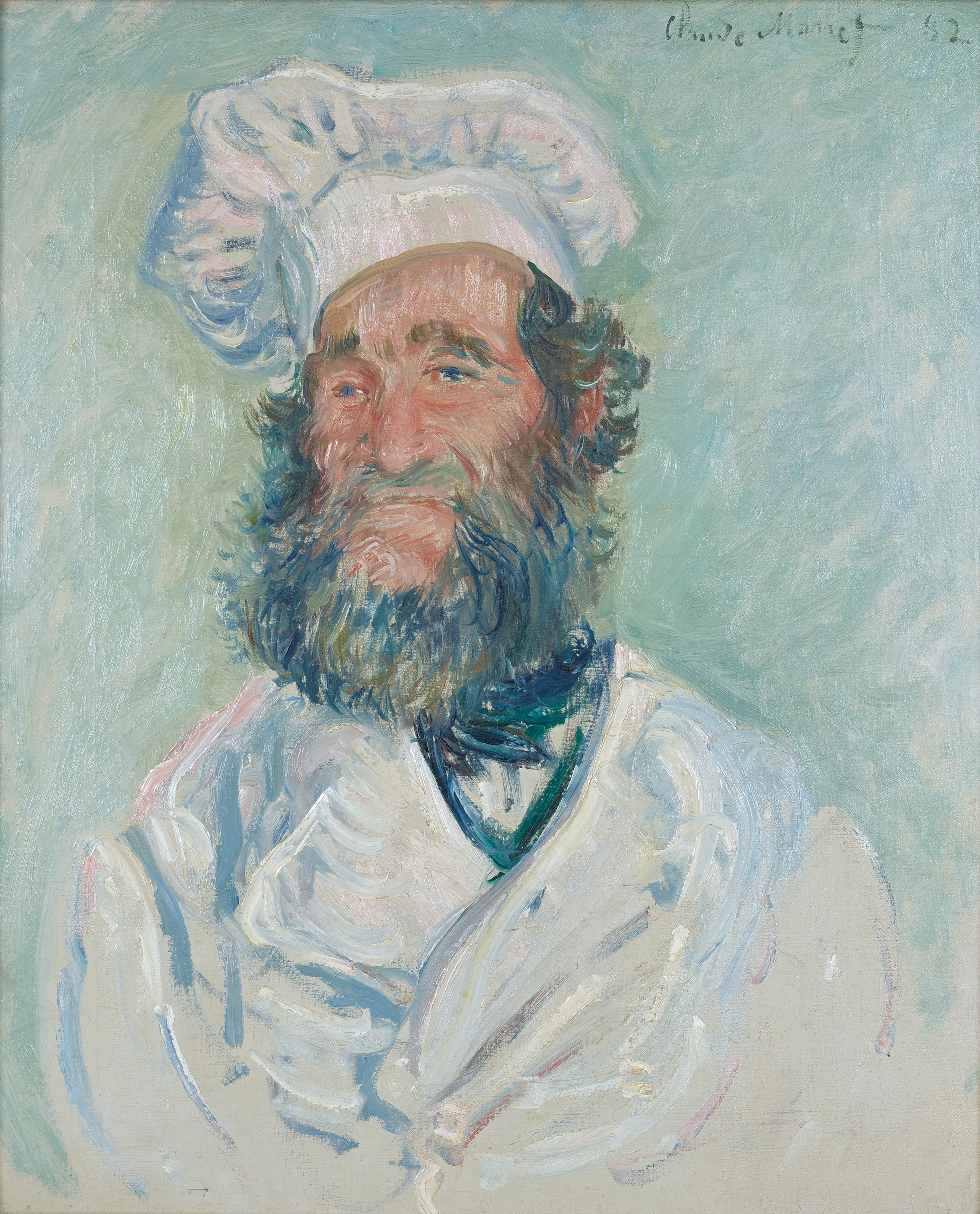
Der Koch (Le Père Paul), Claude Monet, 1882

Claude Monet

Der Koch (Le Père Paul), 1882

Angler auf der Seine bei Poissy, Claude Monet, 1882

Claude Monet

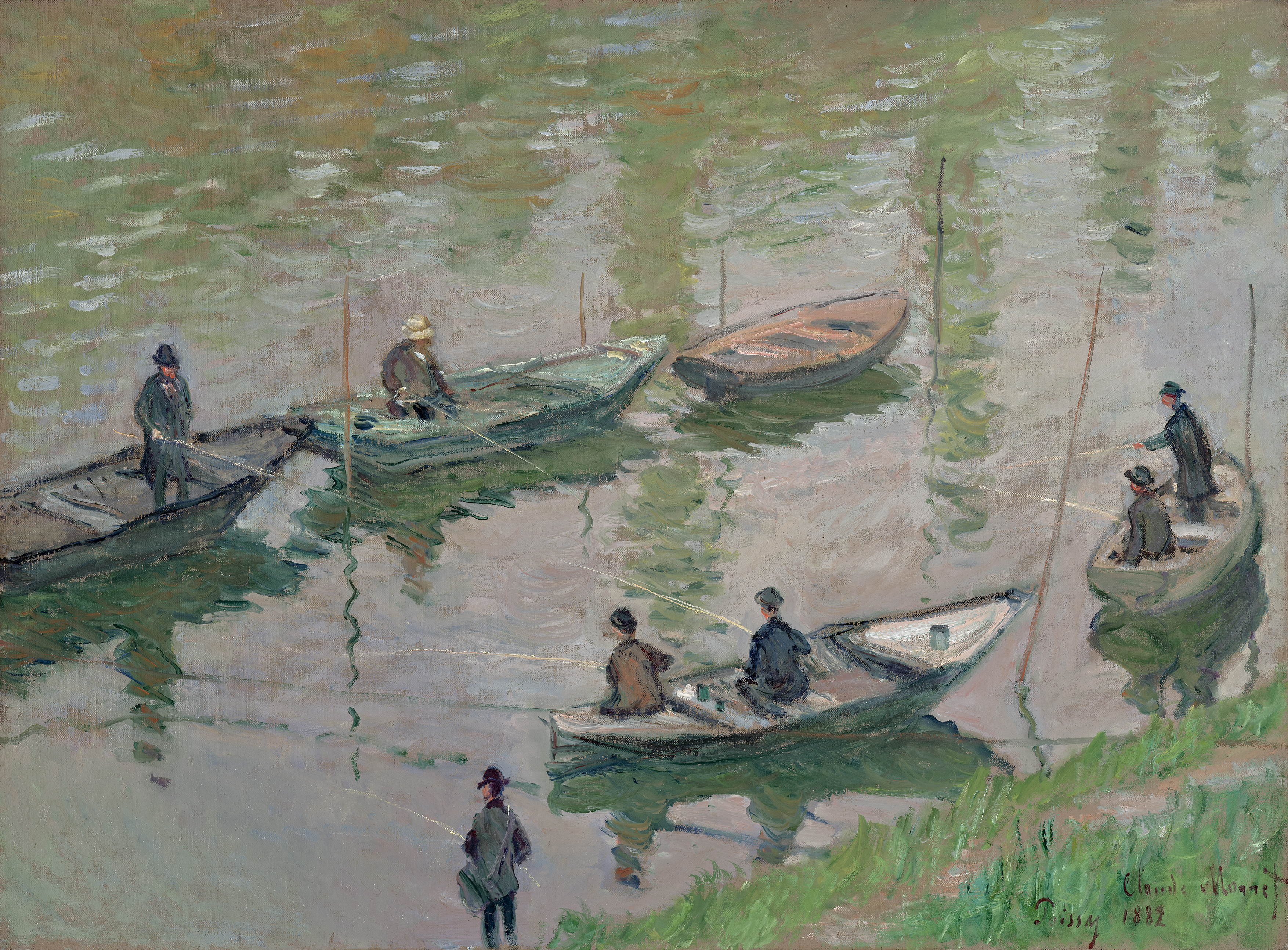
Angler auf der Seine bei Poissy, 1882

Amalie Zuckerkandl, Gustav Klimt, 1917–1918

Gustav Klimt

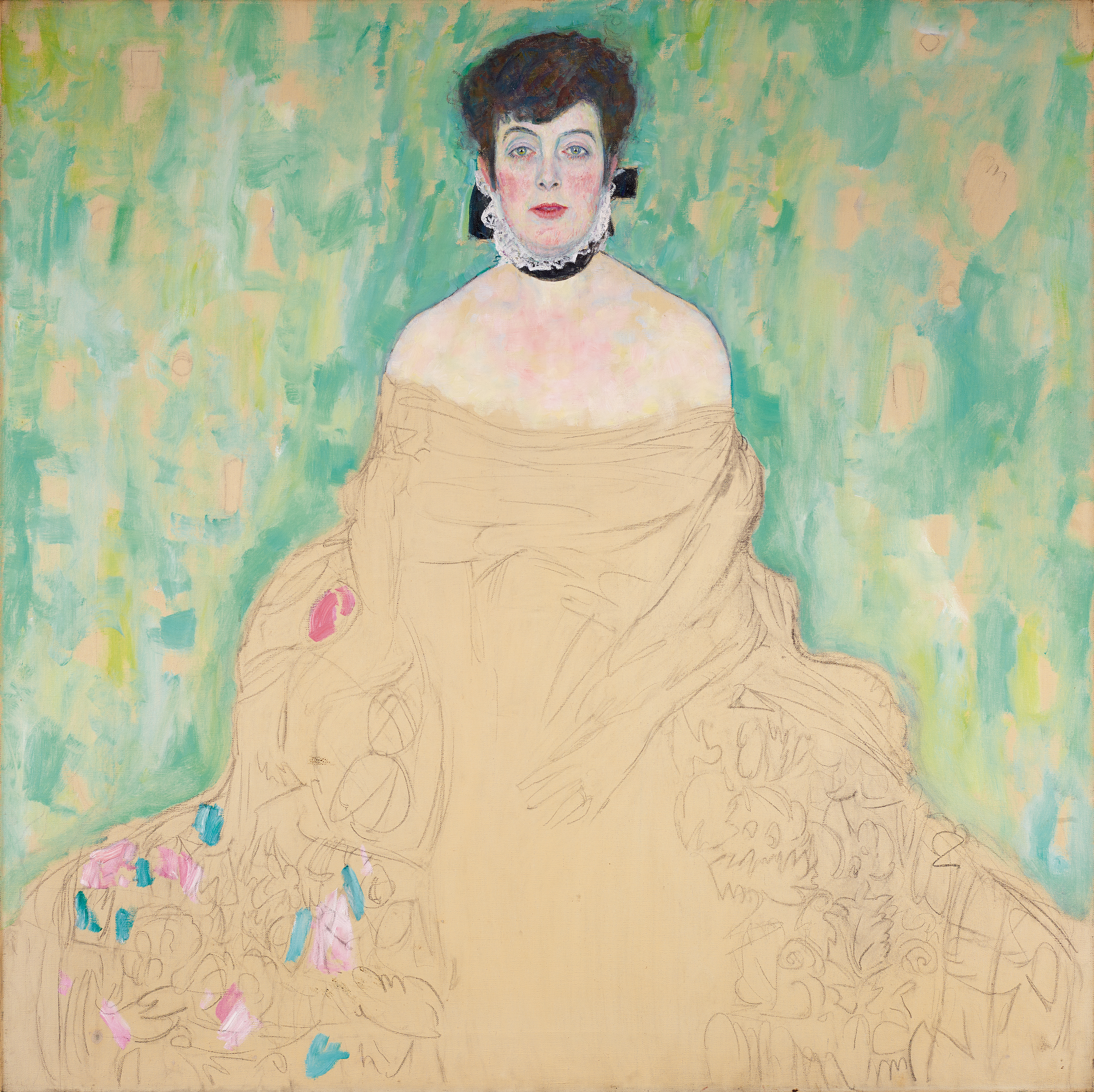
Amalie Zuckerkandl, 1917–1918

Dame in Weiß, Gustav Klimt, 1917–1918

Gustav Klimt

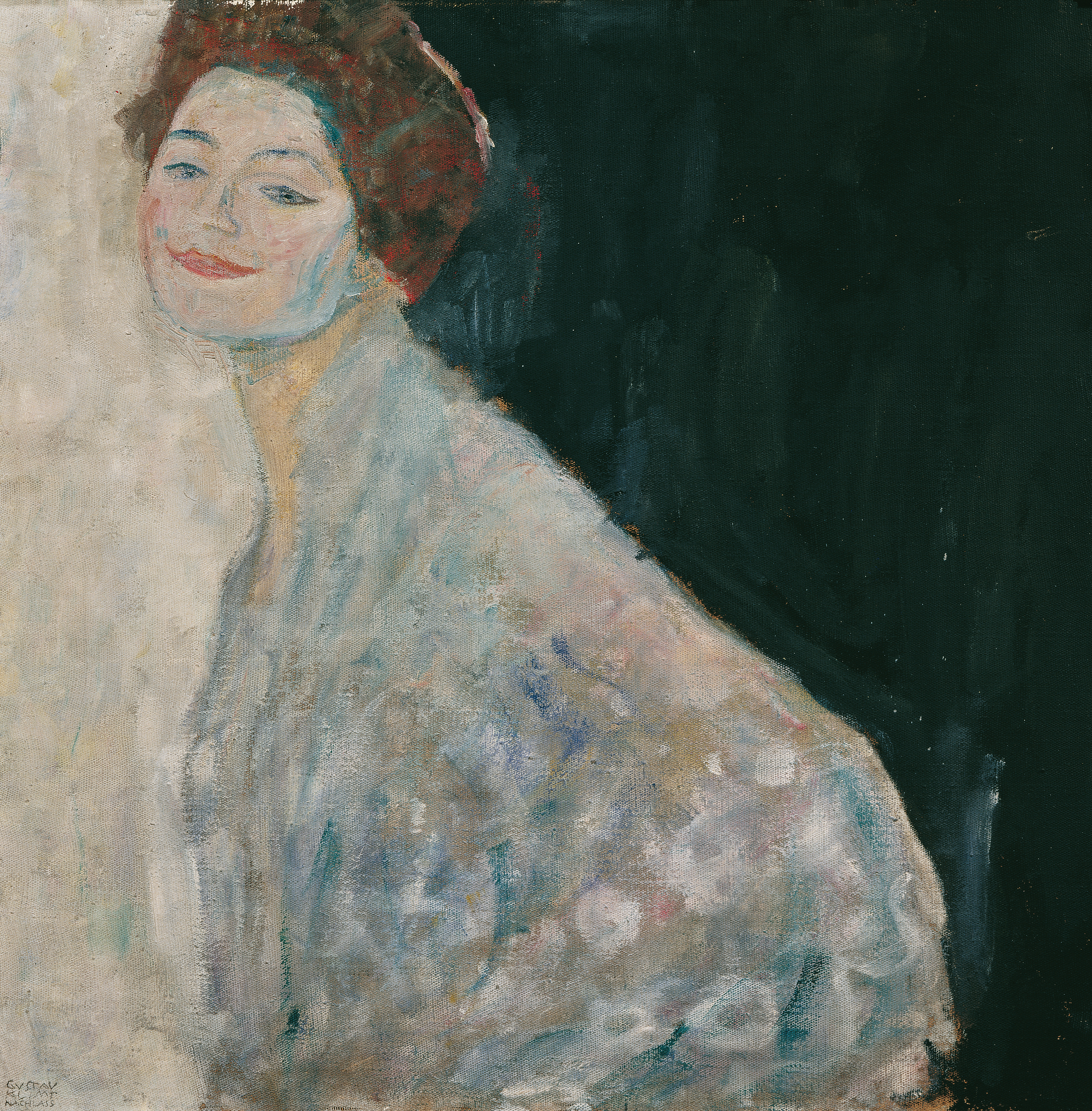
Dame in Weiß, 1917–1918

Johanna Staude, Gustav Klimt, 1917–1918

Gustav Klimt

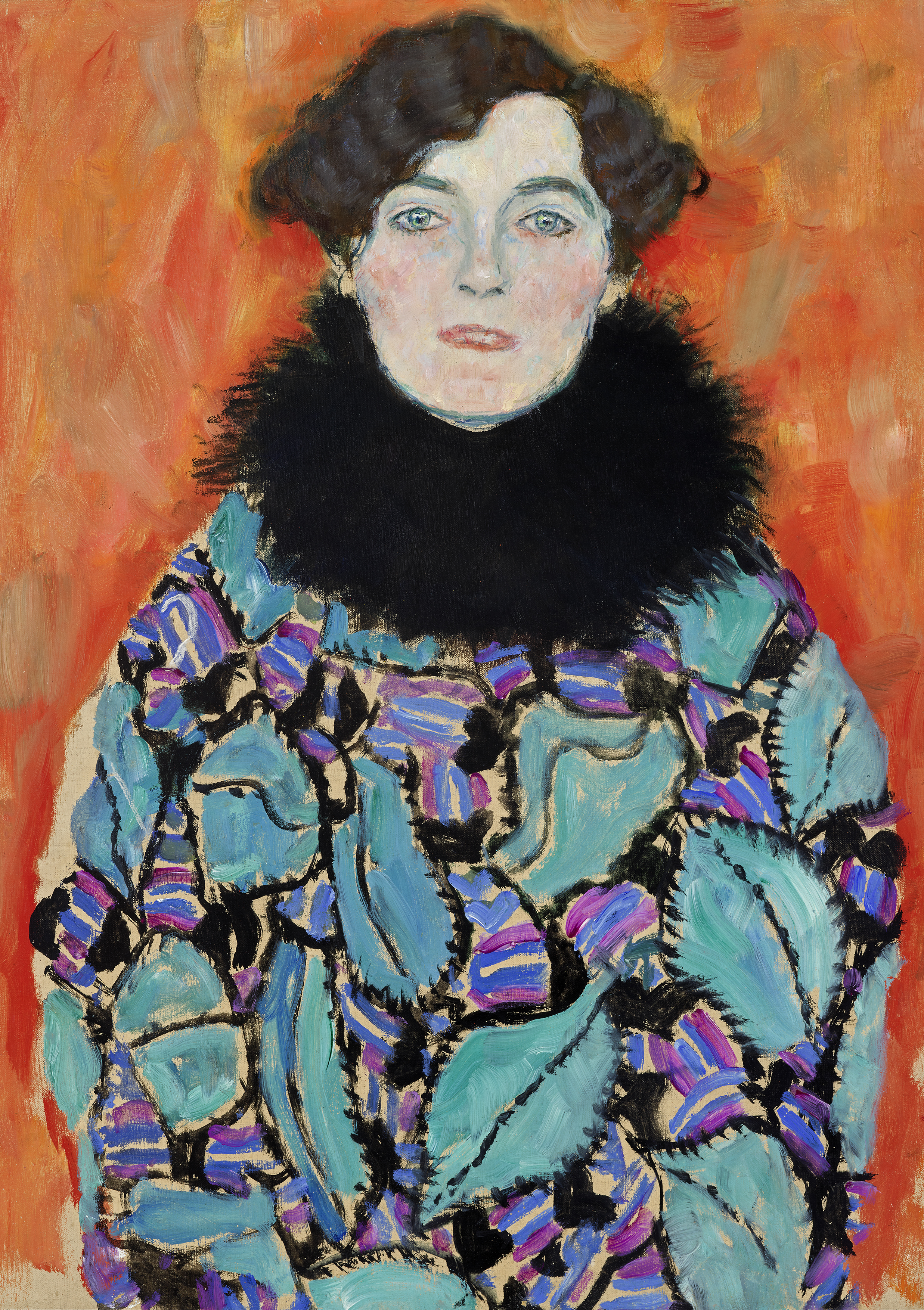
Johanna Staude, 1917–1918