ART WIKI32,979 on view
MapCollectionArtistsMuseumsExhibitionsJournal
Sign in

ART WIKI

Where the masterpiece hangs, and when they let you in.

Collections: Art Institute of Chicago, Getty Villa, Harvard Art Museums, Hirshhorn Museum and Sculpture Garden, J. Paul Getty Museum, Minneapolis Institute of Art, Musée du Louvre, National Gallery of Art, National Museum of Asian Art, National Portrait Gallery (Smithsonian), Pushkin State Museum of Fine Arts, Rijksmuseum, Smithsonian American Art Museum, SMK — National Gallery of Denmark, State Hermitage Museum, State Russian Museum, The Cleveland Museum of Art, The Metropolitan Museum of Art, The Museum of Modern Art, Tretyakov Gallery, Victoria and Albert Museum, Whitney Museum of American Art, State Catalogue of the Museum Fund of Russia (274 museums), Europeana (19 museums), Wikidata (6 museums), Paris Musées (12 museums), and Joconde, the French Ministry of Culture's museum database (495 museums). Images belong to their rights holders.

Sections

  • Map
  • Search
  • Collection
  • Masterpieces
  • On view now
  • Artists

More

  • Museums & galleries
  • Exhibitions
  • Journal
  • Where the data comes from
  • Privacy & cookies
HomeMapBrowse
  1. Collection/
  2. Musée du Louvre/
  3. Gebel el-Arak Knife
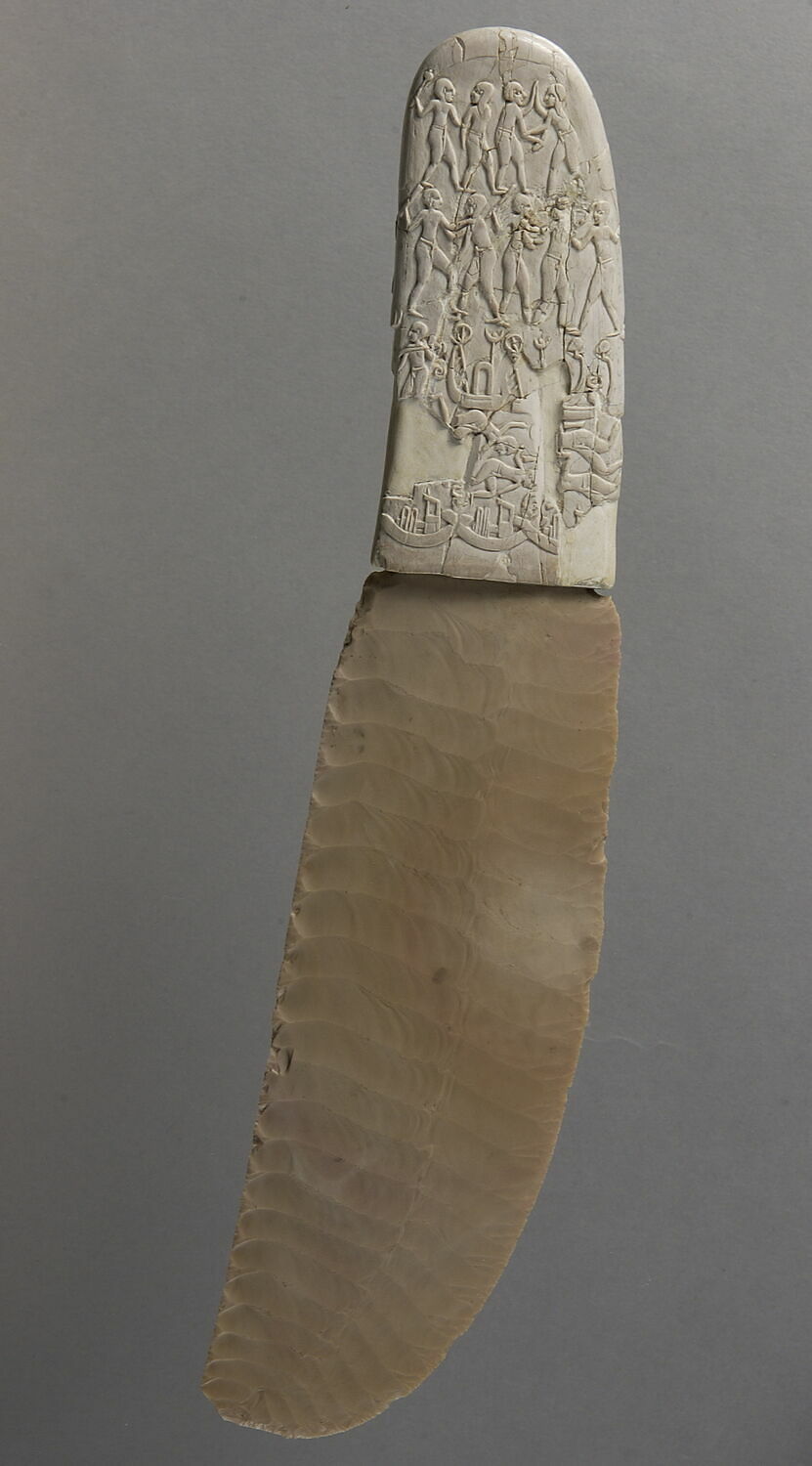
Gebel el-Arak Knife, 3600–3200 BCE

Gebel el-Arak Knife

Couteau du Gebel el-Arak

3600–3200 BCE · Egyptian antiquities

MasterpieceNo. 16of the most famous sculptures

About the sculpture

The Gebel el-Arak Knife, also Jebel el-Arak Knife, is an ivory and flint knife dating from the end of the Naqada II period of Egyptian prehistory (c.3450–3400 BC), showing Mesopotamian influence. The knife was purchased in 1914 in Cairo by Georges Aaron Bénédite for the Louvre, where it is now on display in the Sully wing, room 633. At the time of its purchase, the knife handle was alleged by the seller to have been found at the site of Gebel el-Arak, but it is today believed to come from Abydos.

Wikipedia · CC BY-SA

Particulars

Accession number
E 11517

In the same room · Salle 633, Aile Sully, Niveau 1, Musée du Louvre

Museum page

May one see it?

Yes, receiving visitors

Musée du Louvre

Paris, France

Room633, Aile Sully, Niveau 1

On public display.

Checked
12 days ago
In this state since
Sep 26, 2026
Source
The museum
On the mapMuseum page

In the catalog

SculptureIvory

Sources

  • Musée du Louvre
  • Image: Musée du Louvre — © 2002 Musée du Louvre, Dist. GrandPalaisRmn / Christian Décamps
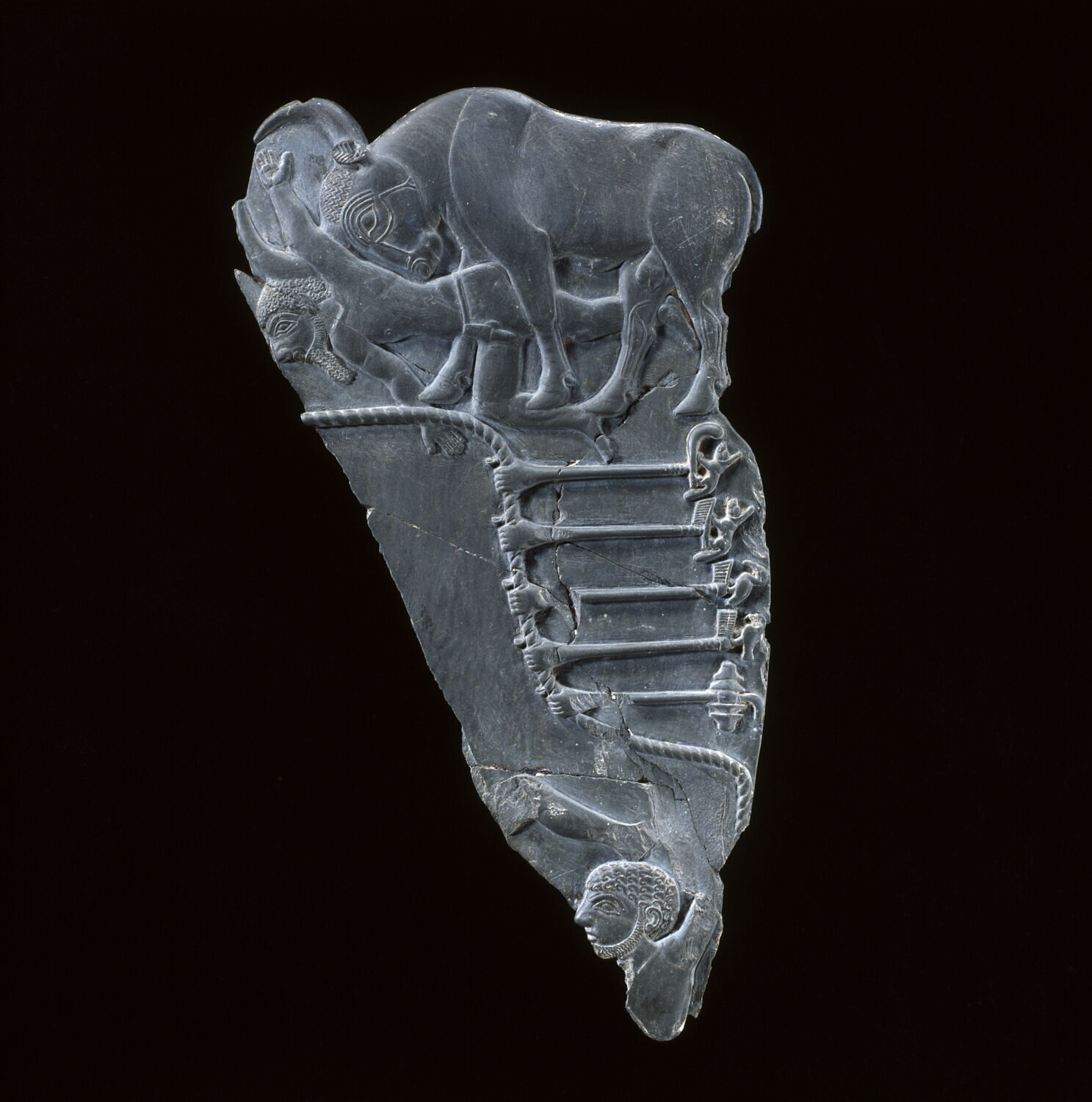
Palette au taureau, Nagada III A-B (attribution d'après style) (-3200 - -3100)

Palette au taureau, 3200–3100 BCE

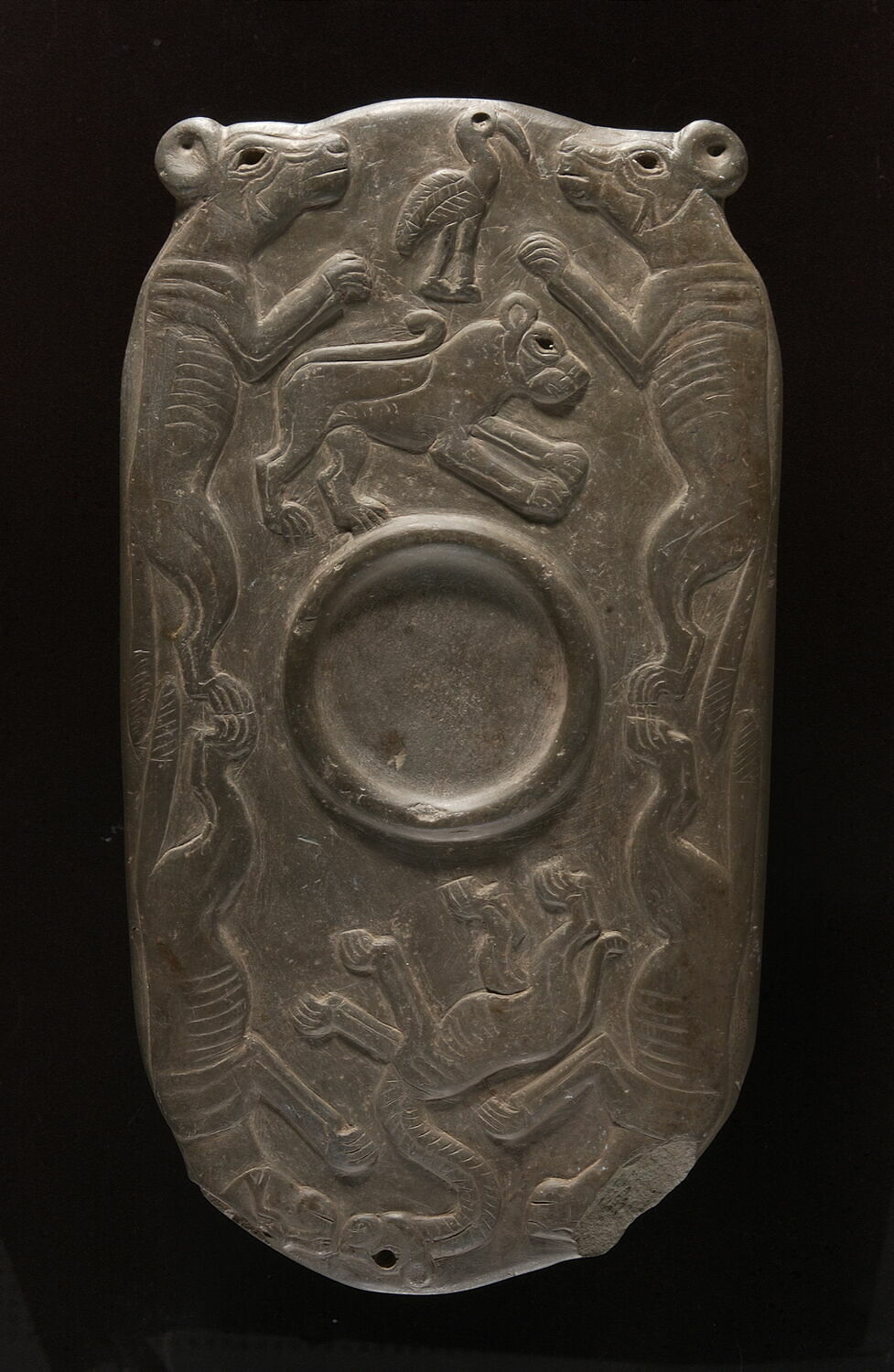
Palette aux quatre canidés, Nagada III A-B (attribution d'après style) (-3200 - -3100)

Palette aux quatre canidés, 3200–3100 BCE

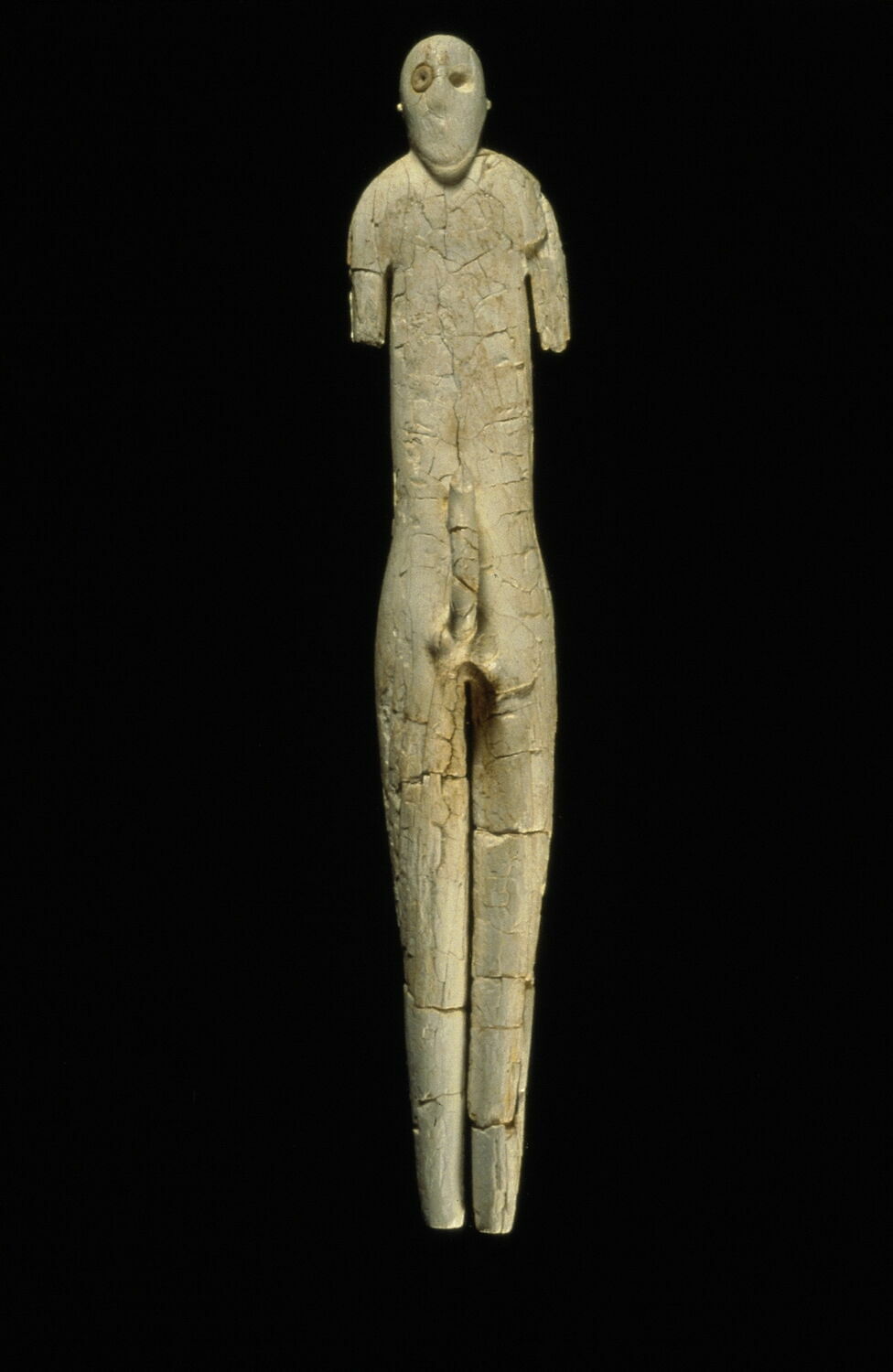
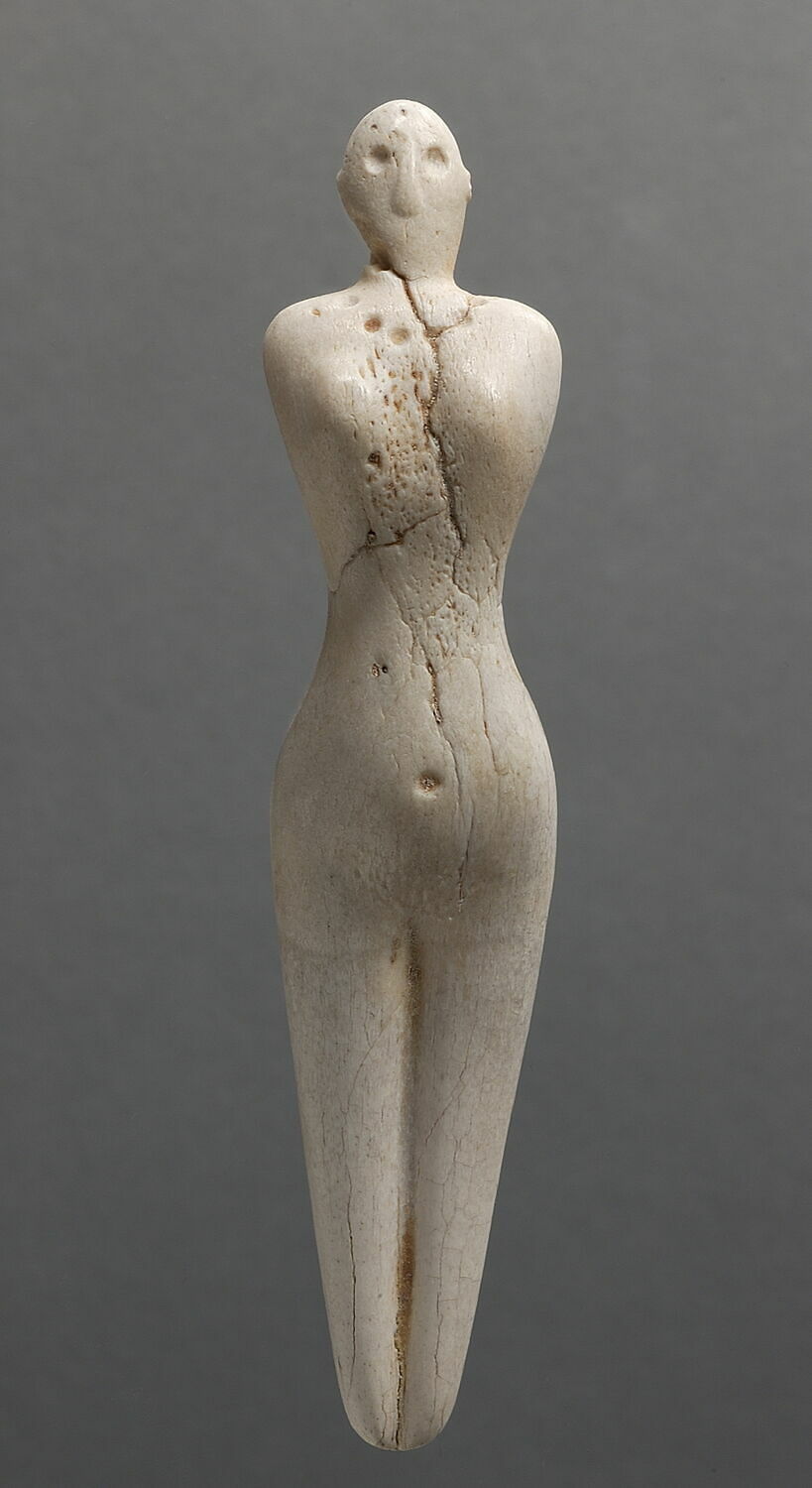
statue ; figurine, Nagada I-II A-B (attribution d'après style) (-3800 - -3600)

statue ; figurine, 3800–3600 BCE

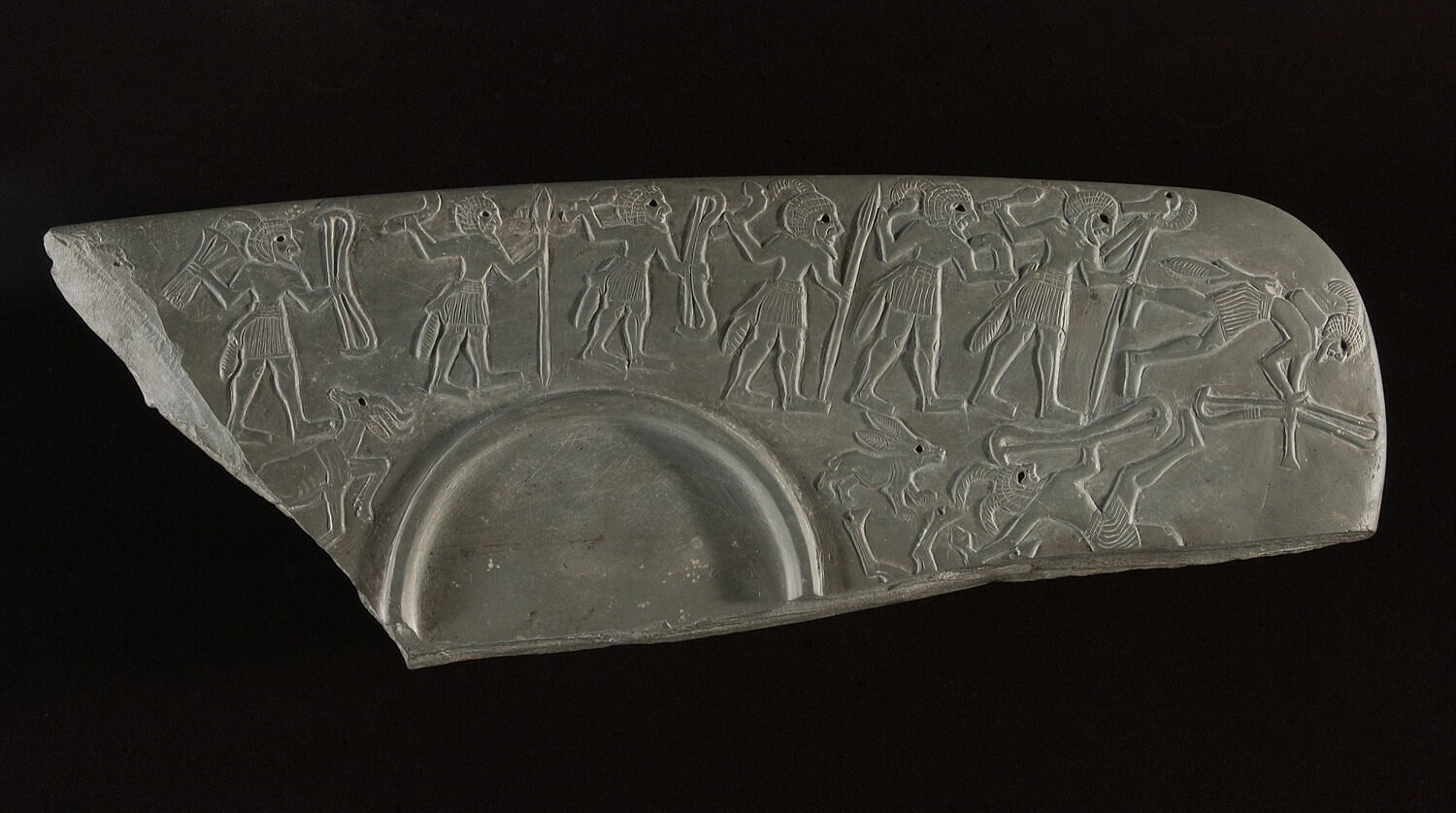
Palette de la chasse, Nagada III A-B (attribution d'après style) (-3200 - -3100)

Palette de la chasse, 3200–3100 BCE

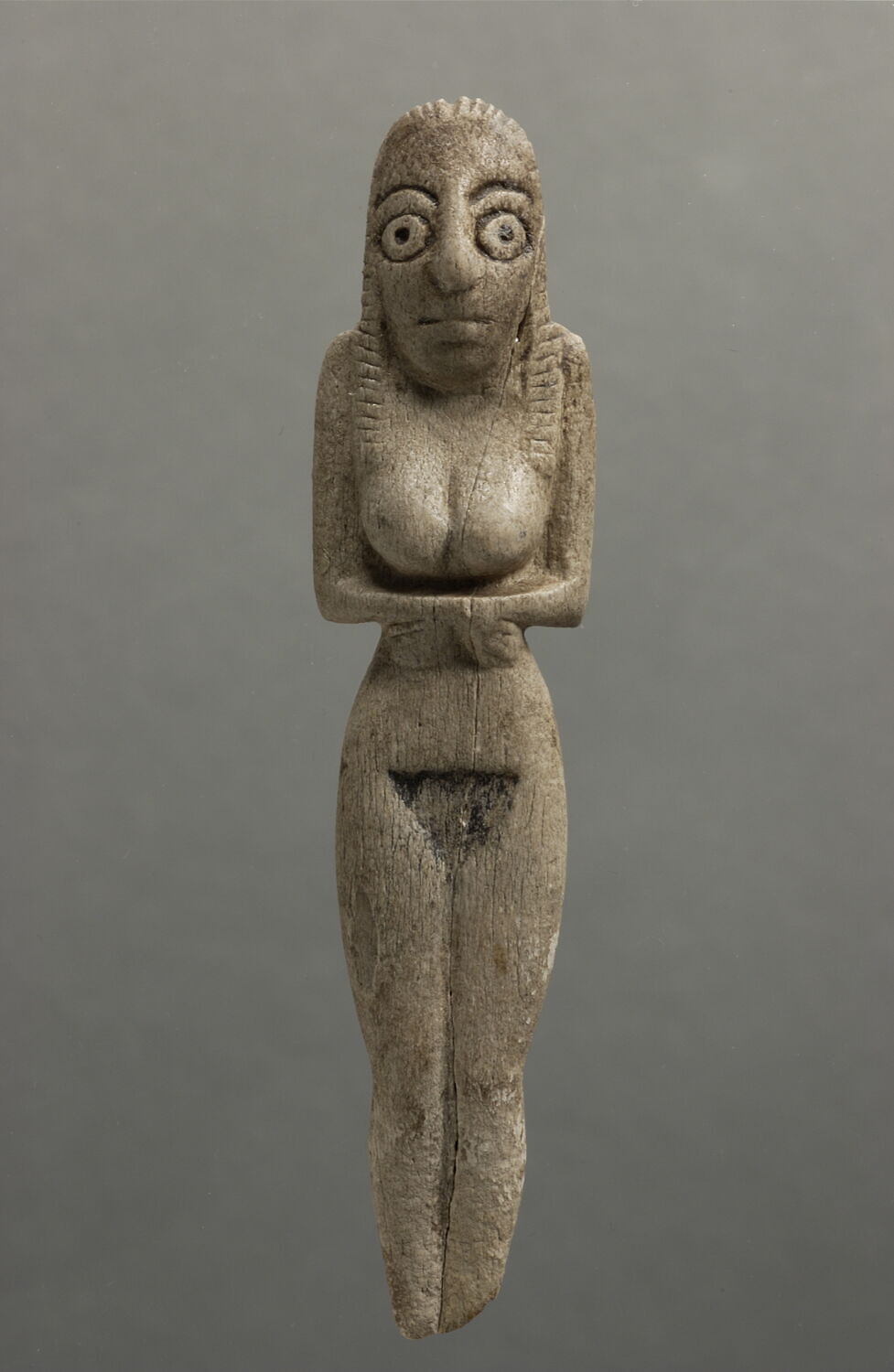
figurine, Badari ; Nagada I-II A-B (bibliographie/travail de référence) (-4500 - -3600)

figurine, Badari ; Nagada I-II A-B (bibliographie/travail de référence) (-4500 - -3600)

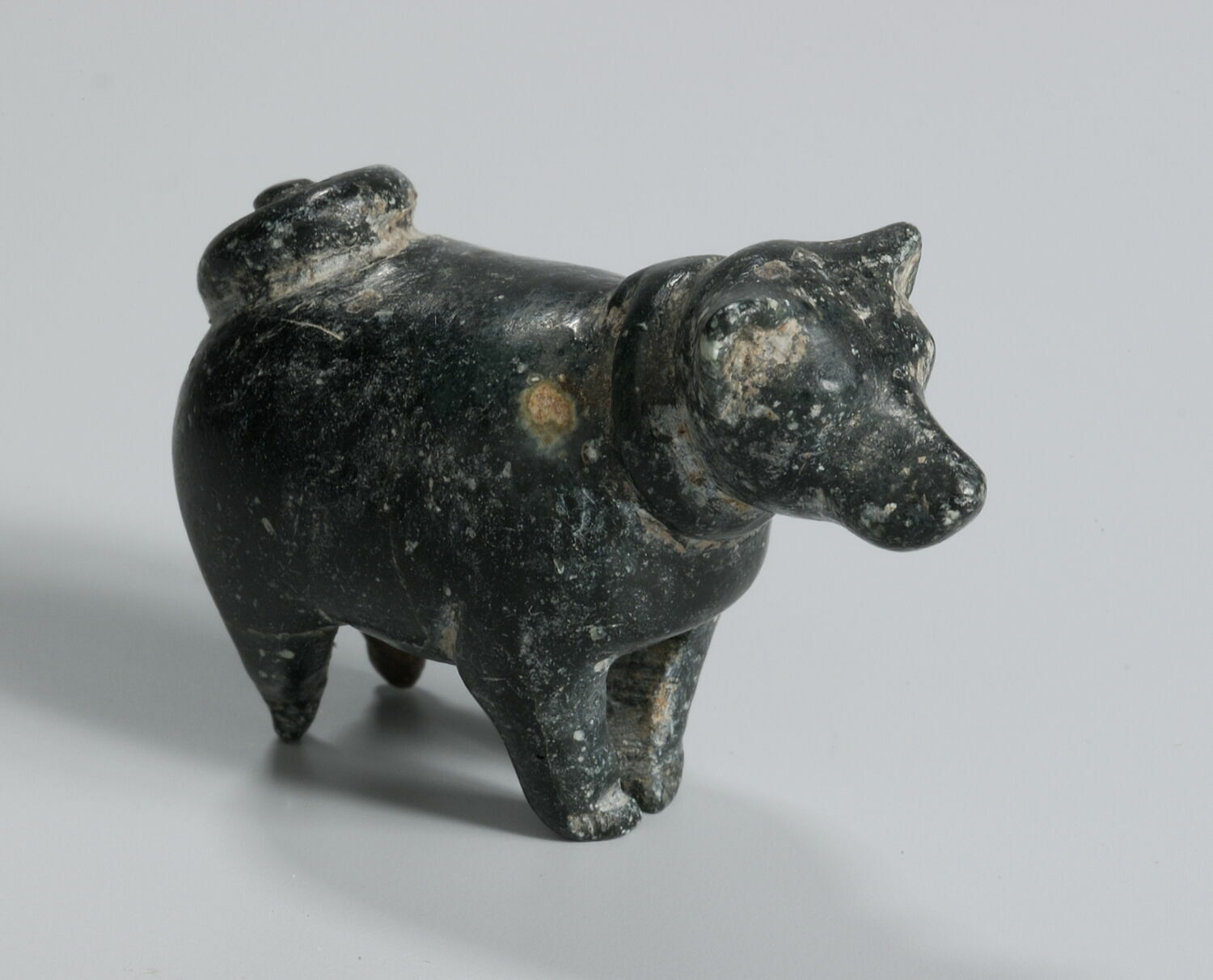
figurine, Nagada II C-D (attribution d'après style) (-3600 - -3200)

figurine, 3600–3200 BCE

figurine, Nagada I-II A-B (attribution d'après style) (-3800 - -3600)

figurine, 3800–3600 BCE

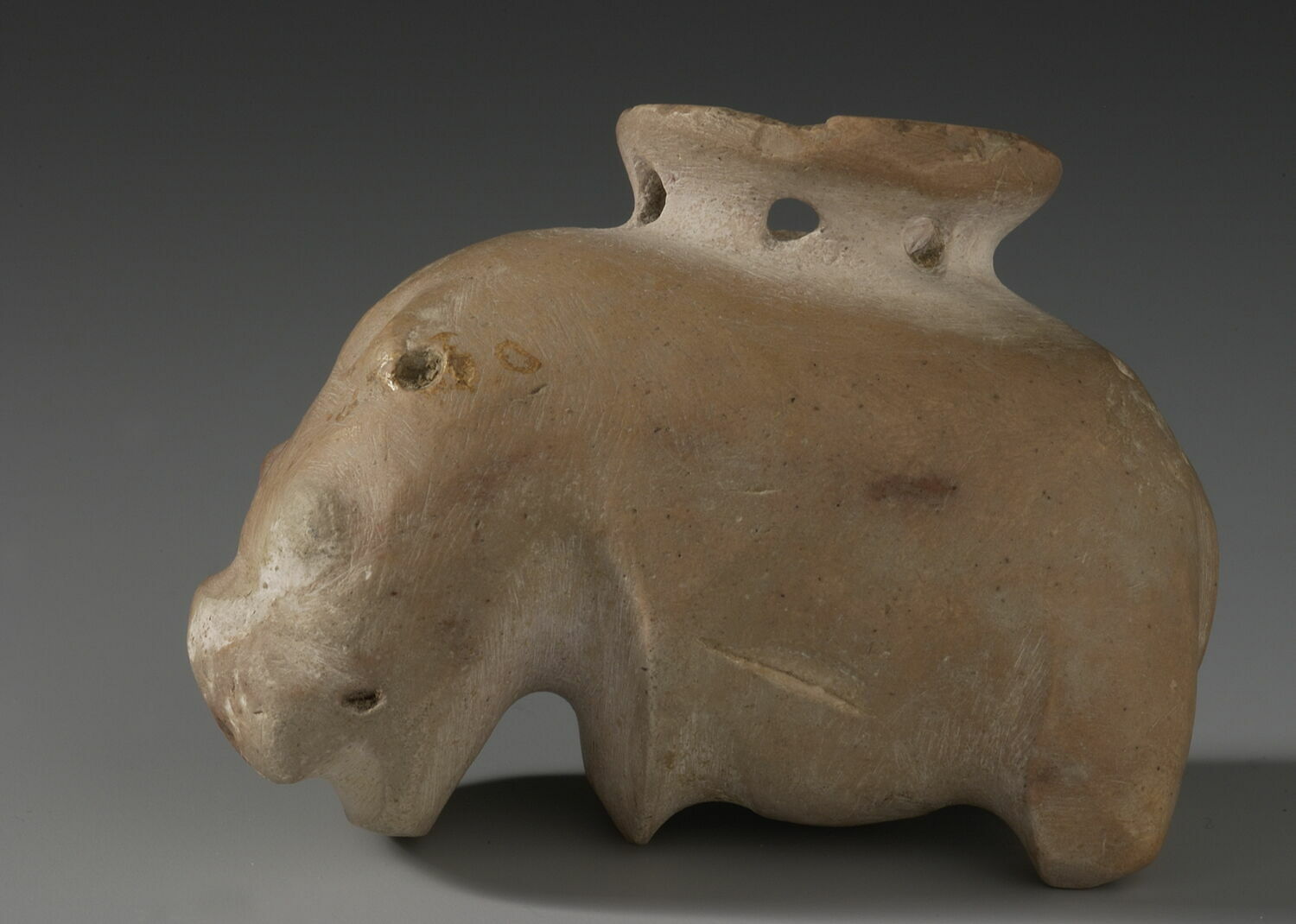
figurine ; vase plastique, Nagada I-II A-B (attribution d'après style) (-3800 - -3600)

figurine ; vase plastique, 3800–3600 BCE