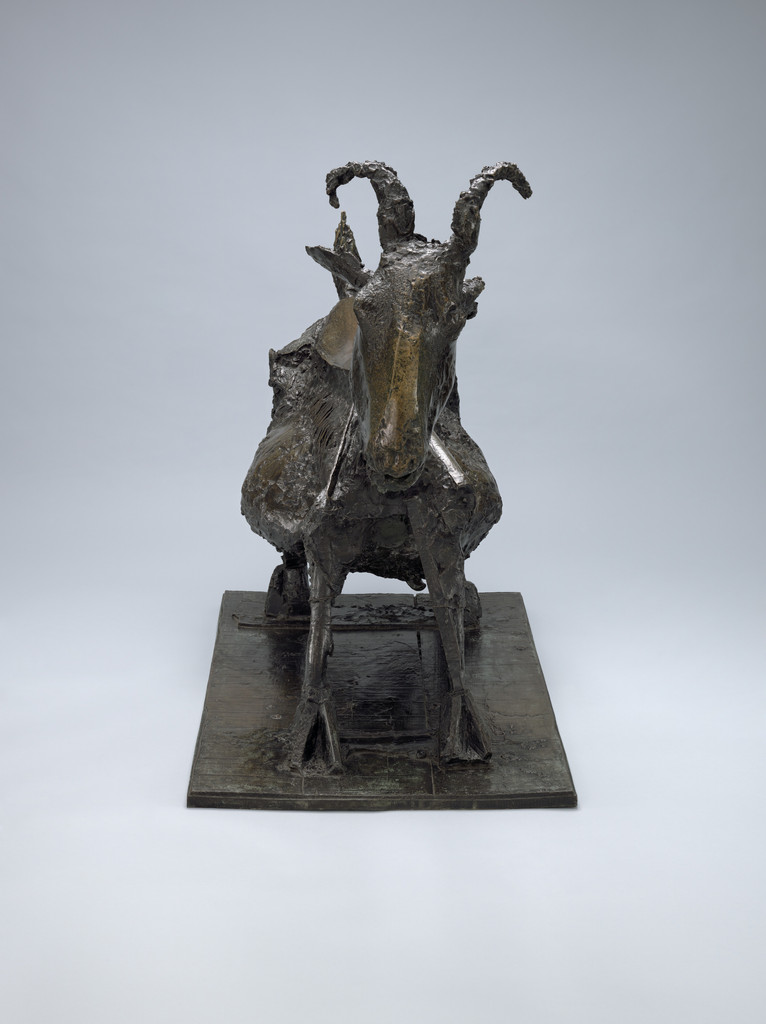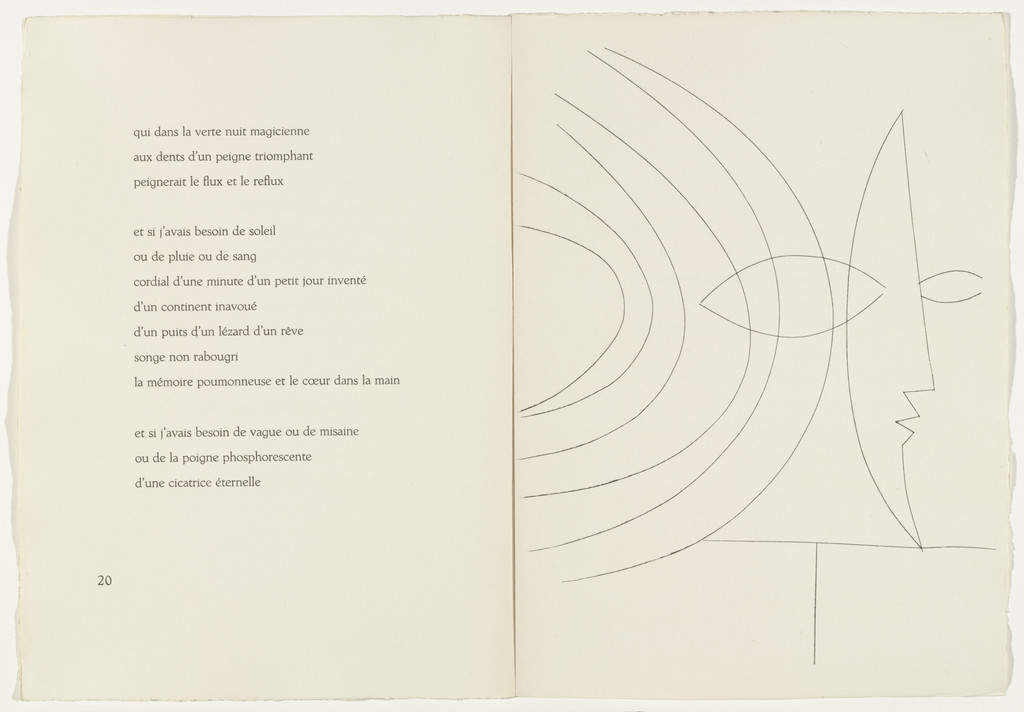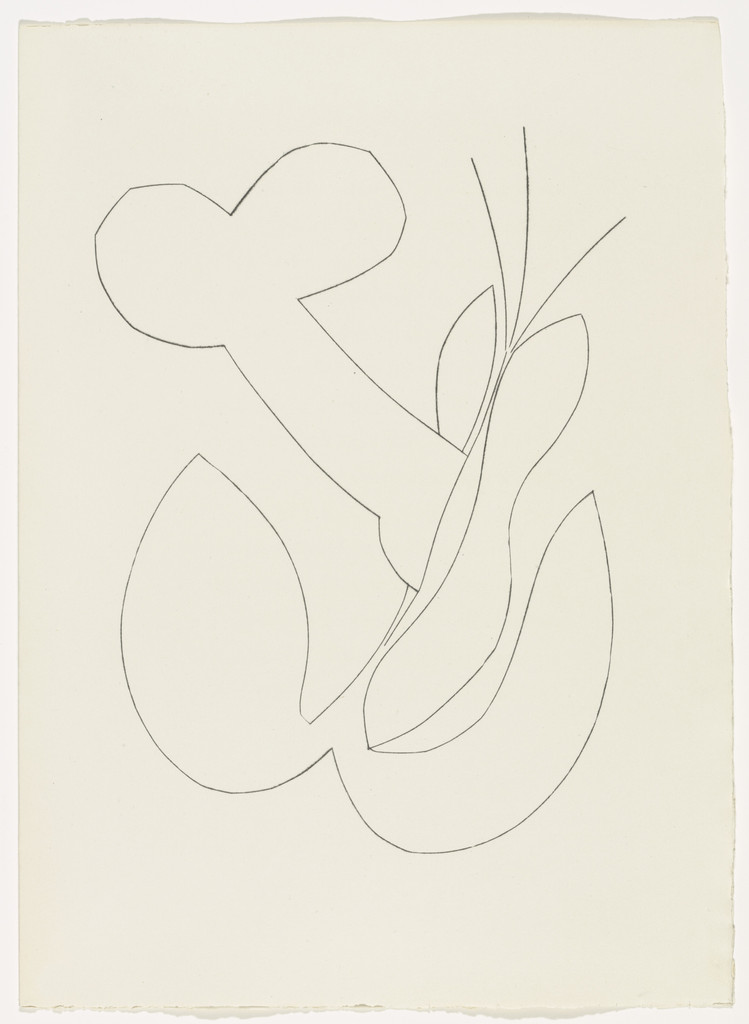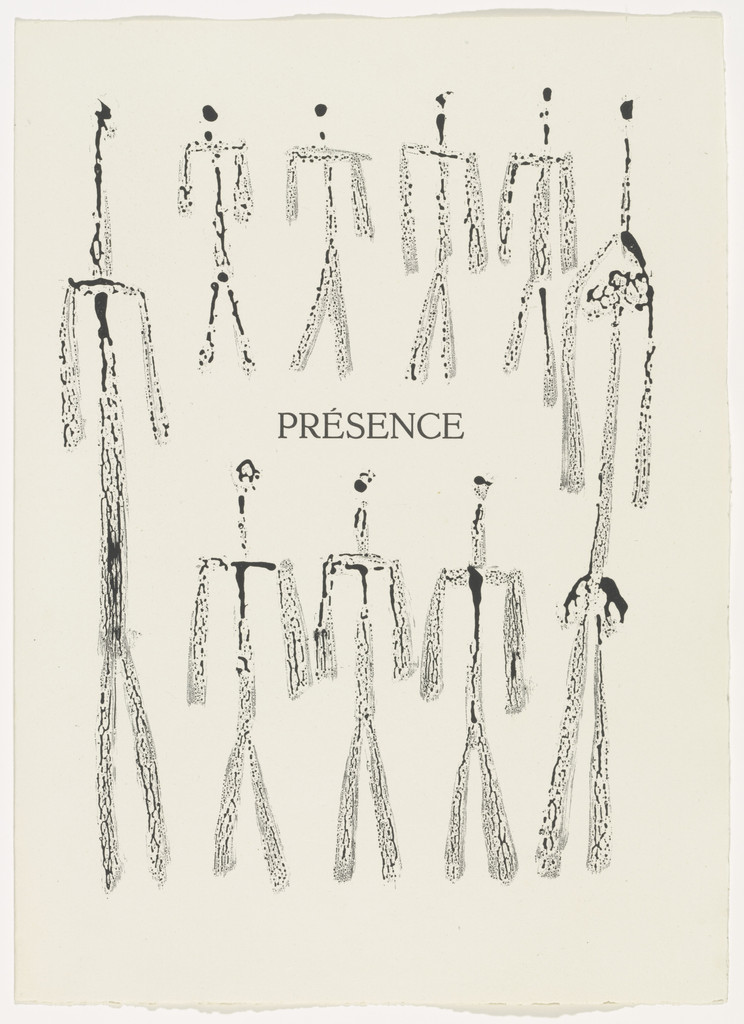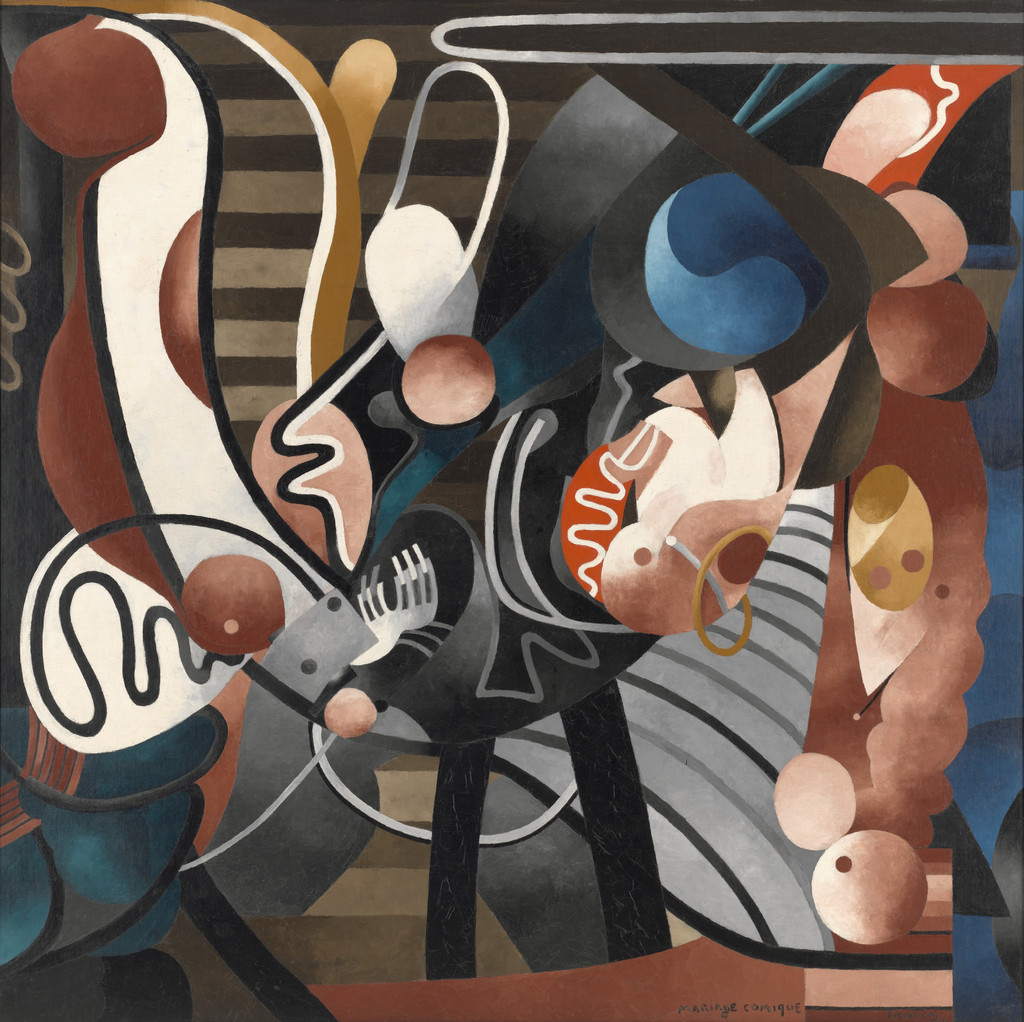
 Francis PicabiaFrench, 1879–1953
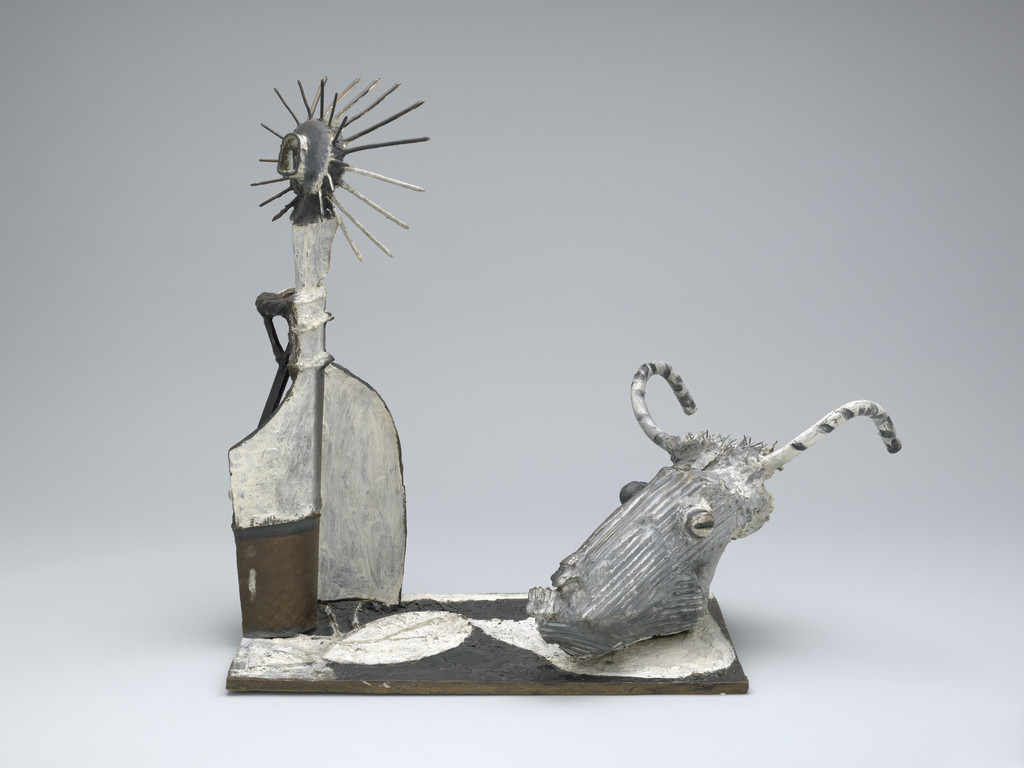
Comic Wedlock
May one see it?
Not receiving at present

The Museum of Modern Art
New York, United States
It belongs to the collection, but is not on display at present.
- Checked
- Source
- The museum's own collection data
Particulars
- Accession number
- 1409.1974
Sources
- The Museum of Modern Art: the museum's own open data · fetched 13 days ago
- Image: The Museum of Modern Art — © the artist or rights holder
Meanwhile, in the life of Francis Picabia
The whole life1913
The only Cubist at the Armory Show
The wealthy Picabia was the only Cubist to attend the Armory Show in New York in person, where he showed four paintings; the press was largely hostile, but he was widely interviewed and at once became a major name in New York's art circles.
17 March – 5 April 1913
Solo show at Stieglitz's gallery 291
Alfred Stieglitz gave him the solo show Exhibition of New York Studies by Francis Picabia at his gallery 291 — abstract works made over a few months in New York under the impression of Kandinsky and other abstract art at the Armory Show.
1915
The start of his “machinist” period
From 1915 Picabia made and exhibited drawings and prints of mysterious machines and apparatuses — “mechanical portraits” inspired by Duchamp's “machine style”; the magazine 291 devoted an entire issue to him, and he met Man Ray.
June 1915
En route to Cuba, he stays on in New York
In wartime Picabia set out for Cuba to buy molasses for a friend who ran a sugar refinery, but after landing in New York in June 1915 he stayed on to work and did not return to France until the war was over. In these years drugs and alcohol undermined his health: he suffered from dropsy and tachycardia.
1915–1917
Leading New York Dada with Duchamp
Throughout his three years in New York Picabia mixed closely with avant-garde artists and, together with Marcel Duchamp, headed the New York section of the Dada movement.
1916
Founds the Dada magazine 391
In Barcelona, among a small circle of artists who had fled the war (Gleizes, Marie Laurencin, Robert and Sonia Delaunay), Picabia started his magazine 391, modelled on Stieglitz's periodical, and continued it in the United States with Duchamp's help. Other accounts say it was founded in New York and later published in Zürich and Paris until 1924.