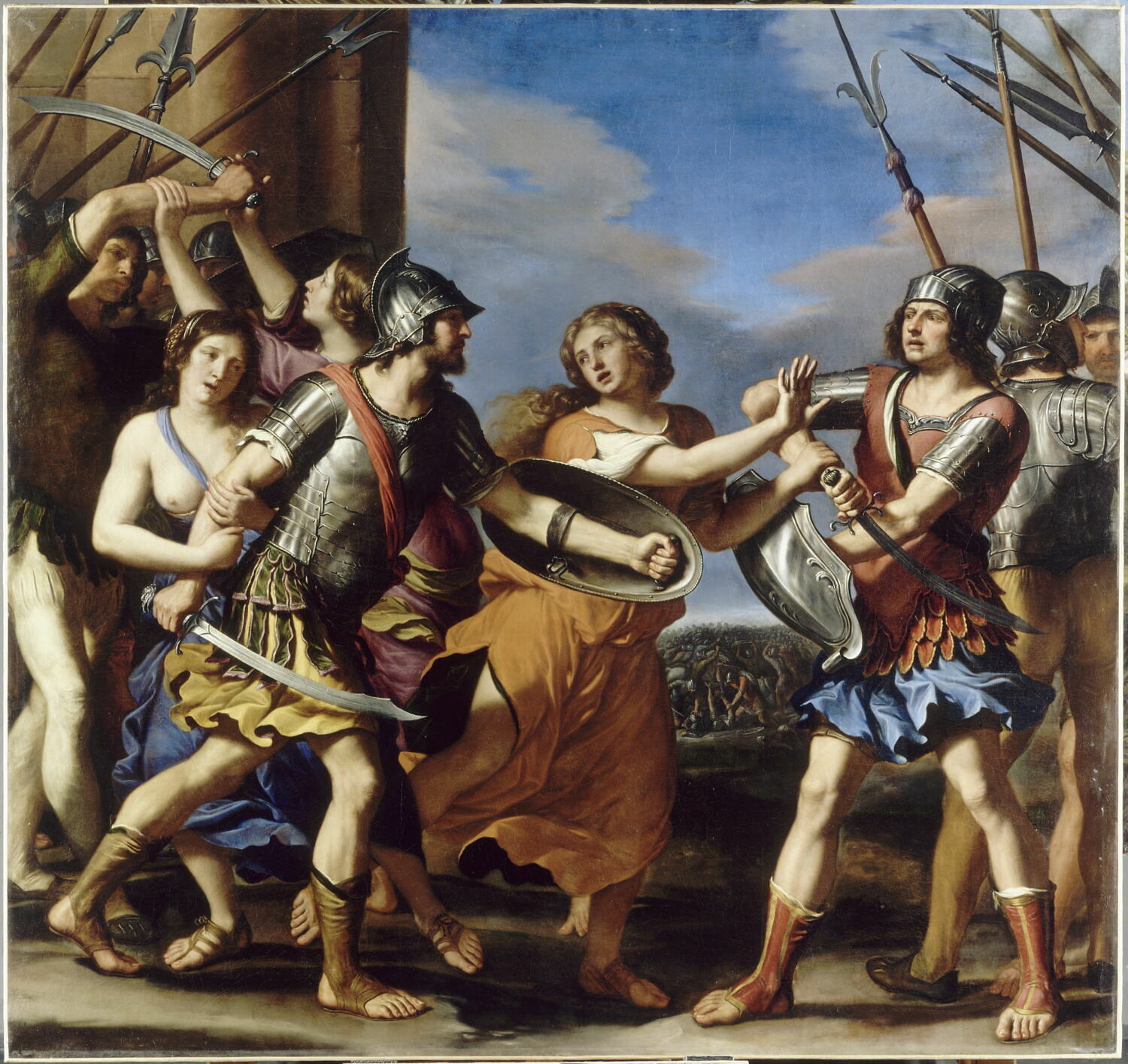
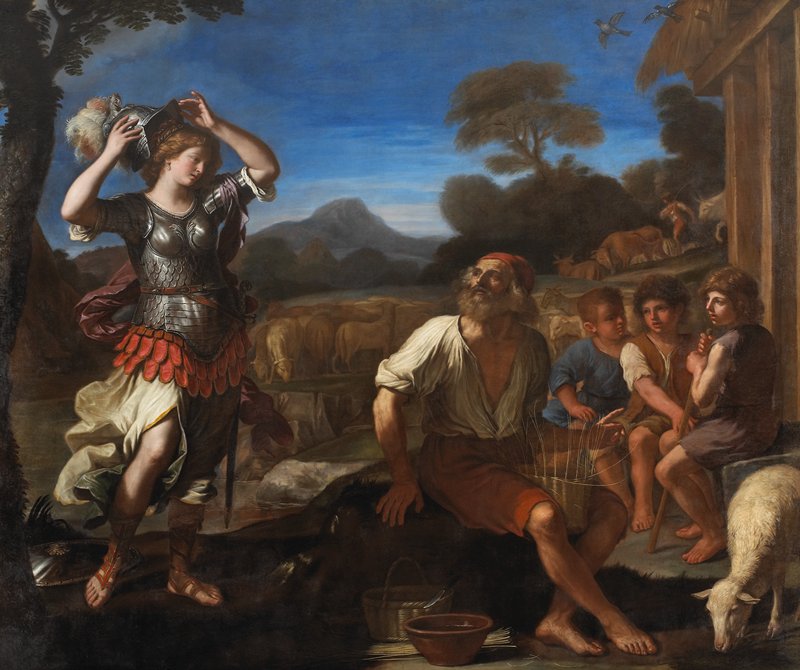
Giovanni Francesco Barbieri, called GuercinoItalian, 1591–1666
Christus
May one see it?
Unknown: the museum keeps its counsel

Rijksmuseum
Amsterdam, Netherlands
The owner is known. Whether it is on view today, the museum does not say, and we were not trained to guess.
- Source
- The museum's own collection data
Particulars
- Accession number
- RP-T-1889-A-2124
What it shows
Sources
- Rijksmuseum: the museum's own open data · fetched 5 days ago
- Image: Rijksmuseum — public domain
Meanwhile, in the life of Giovanni Francesco Barbieri, called Guercino
The whole life1621
Moves to Rome, to the court of Gregory XV
Marchese Enzo Bentivoglio recommended Guercino to the newly elected Pope Gregory XV, the Bolognese Alessandro Ludovisi. His Roman years (1621–1623) were the most productive of his life; the portrait of the pope (now in the Getty Museum) dates from them.
1623
Returns to his native Cento
After the death of Pope Gregory XV, Guercino left Rome and returned to his hometown.
1623
Ottavio Leoni draws his portrait
The portrait emphasises the permanent squint that gave the artist his nickname. Guercino's right eye was apparently 'lazy' and he presumably had monocular vision — which did not stop him conveying depth remarkably well.
1629
The Barbieri household account book begins
From this year Guercino's affairs are recorded in the Libro dei Conti di Casa Barbieri, kept up with his brother Paolo Antonio, a notable still-life painter; the book survives. He worked with extreme rapidity — no fewer than 106 large altarpieces and some 144 other paintings, besides a great many drawings.
1642
Moves to Bologna after Guido Reni's death
After the death of his commercial rival Guido Reni, Guercino moved his busy workshop to Bologna and took over Reni's role as the city's leading painter of sacred subjects. He painted and taught to the end of his life, amassed a notable fortune and, never having married, left it to his nephews and pupils Benedetto Gennari II and Cesare Gennari.
22 December 1666
Died