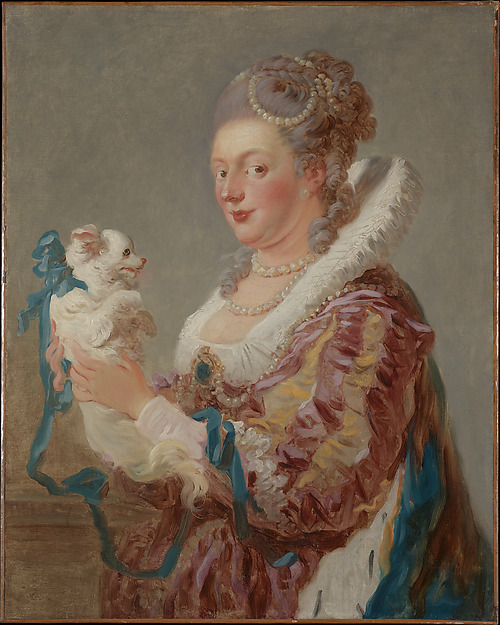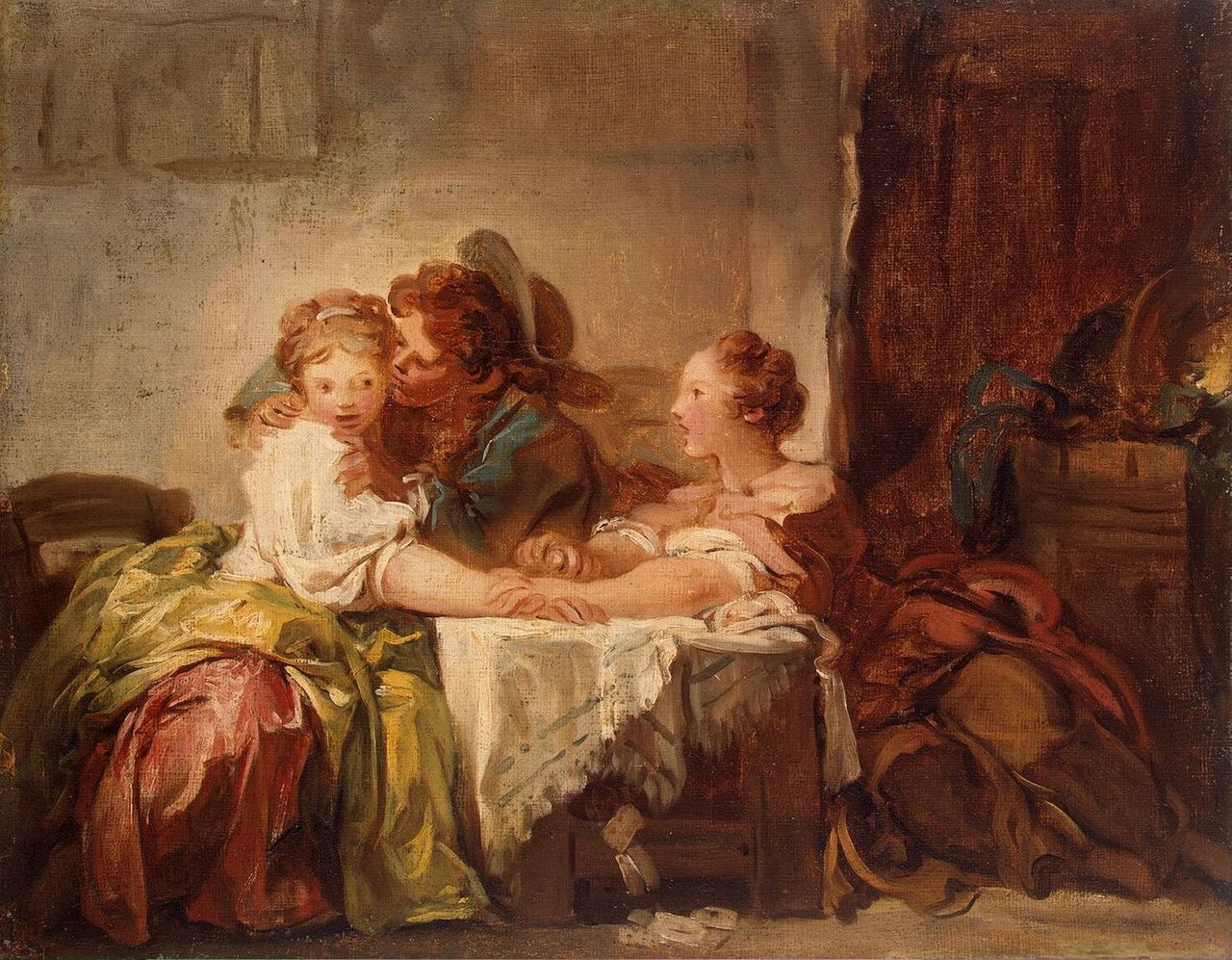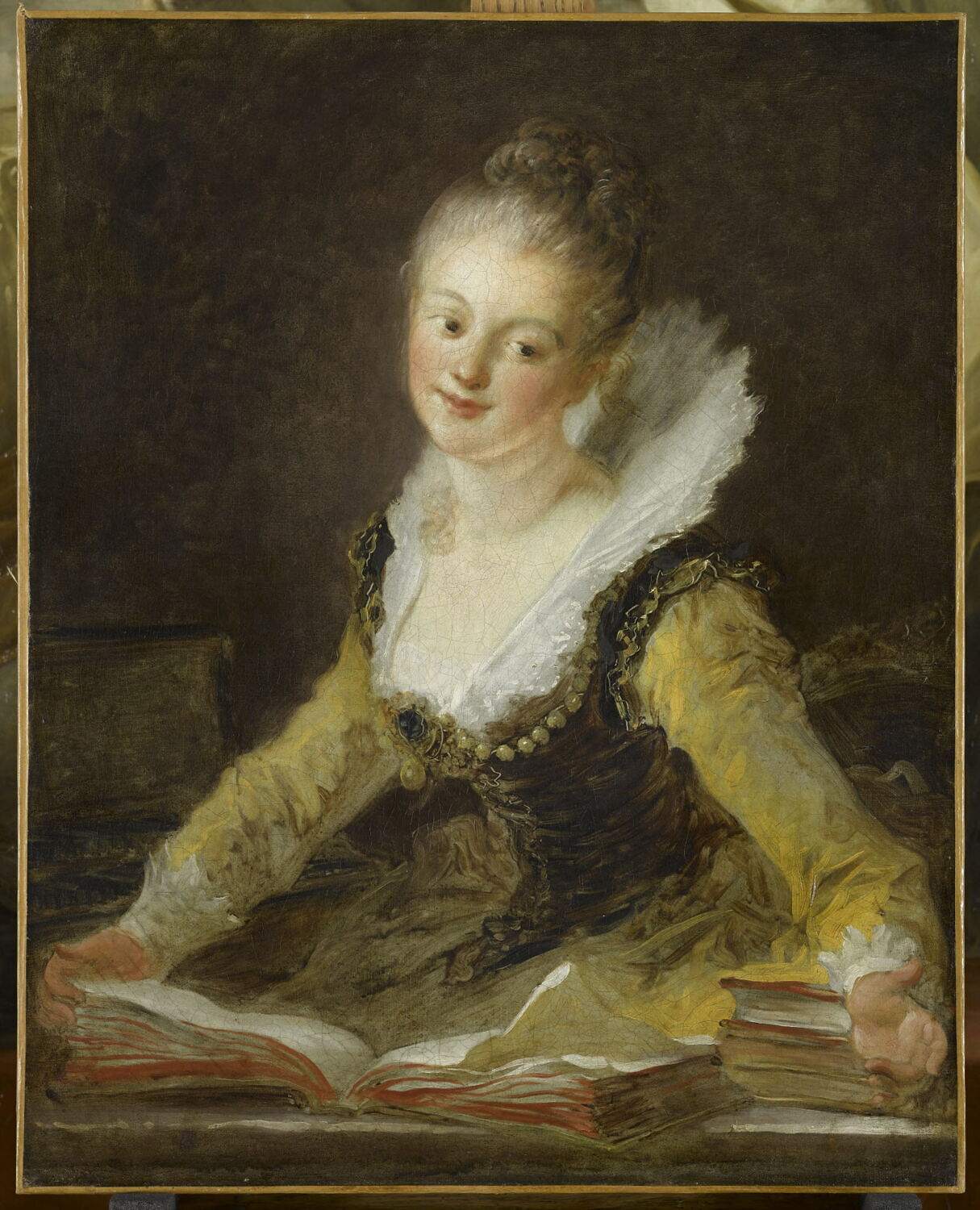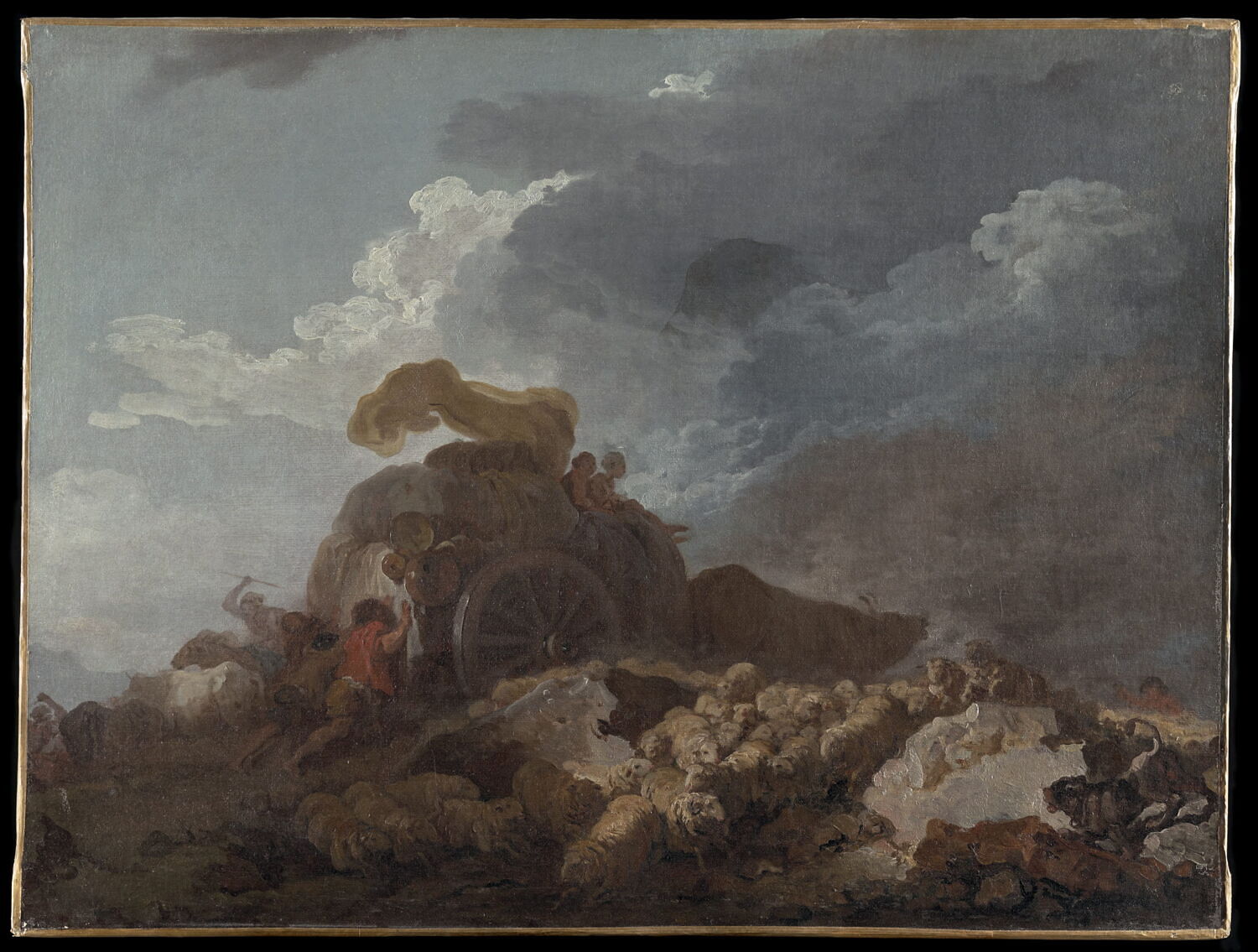
 Jean-Honoré FragonardFrench, 1732–1806
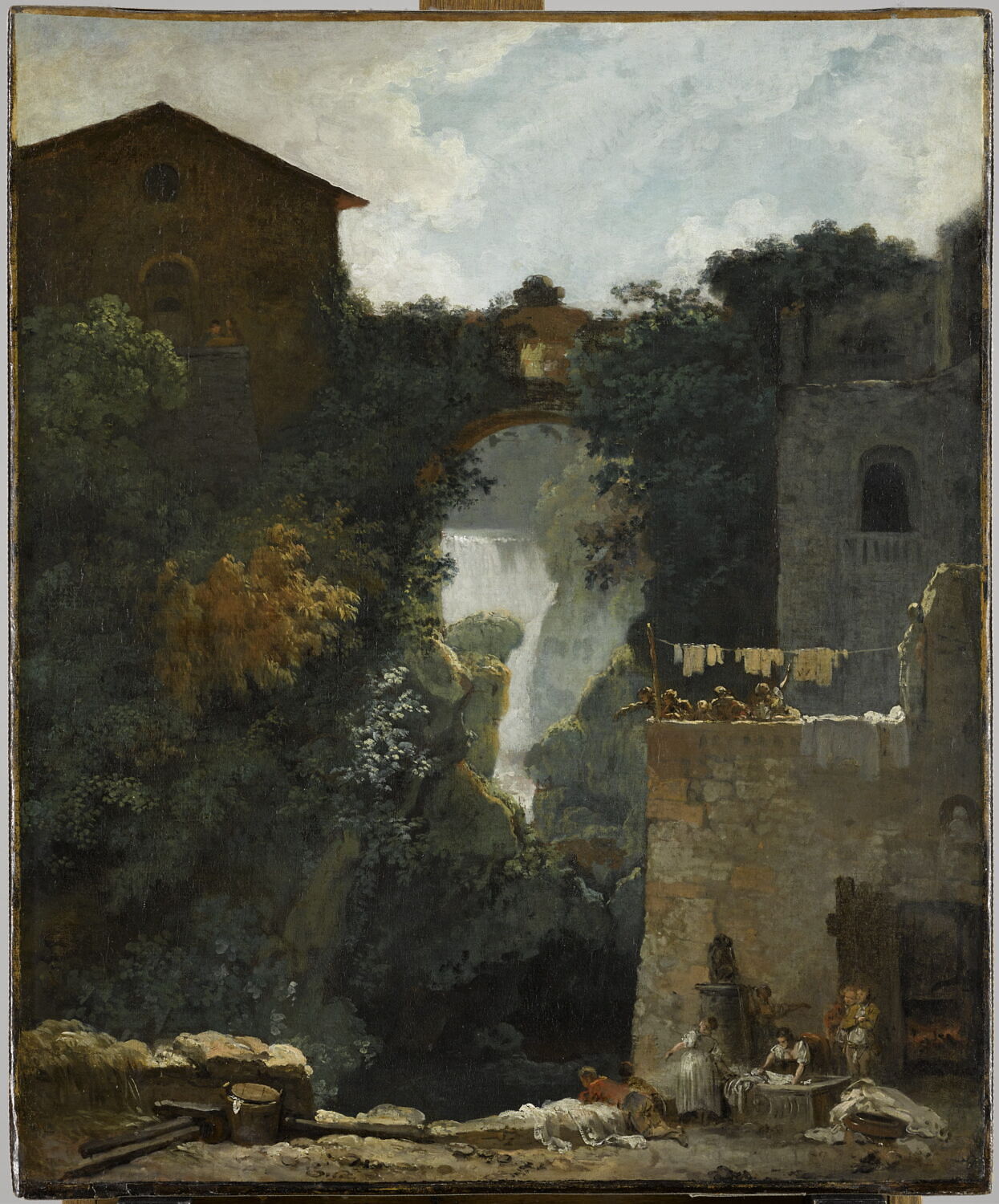
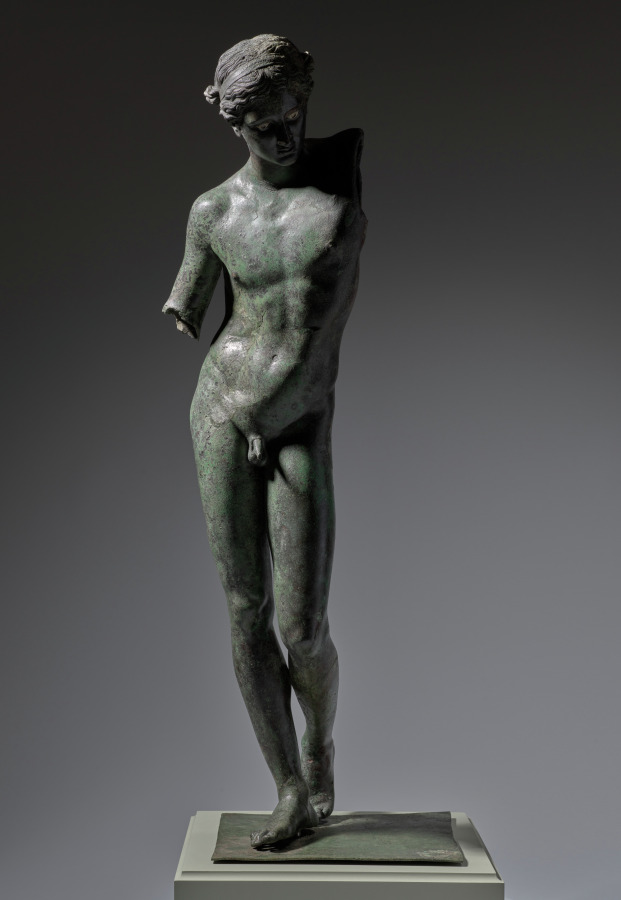
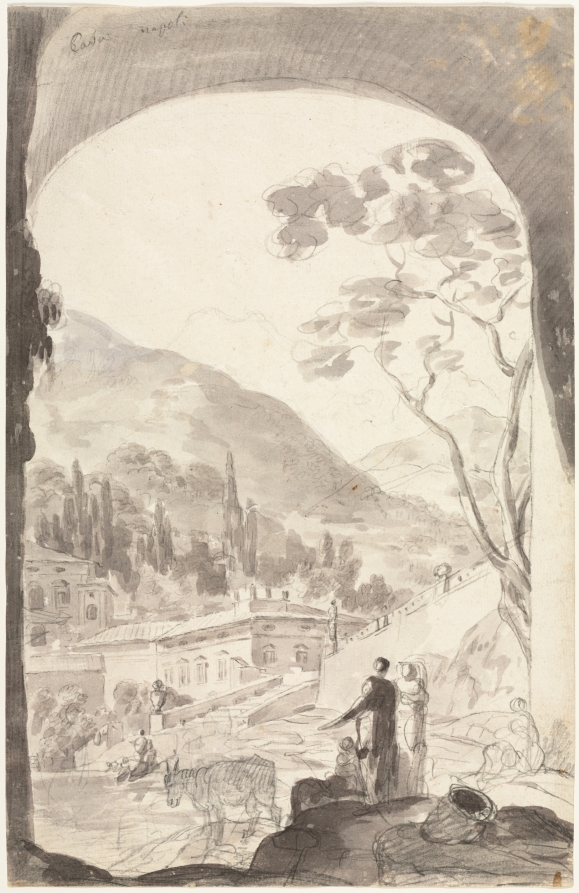
Cava Napoli
Can I see it?
Not on view at present
Where is “Cava Napoli” now? Collection: The Cleveland Museum of Art, Cleveland. Not on view at present. Checked September 29, 2026.

Cleveland, United States
It belongs to the collection, but is not on display at present.
- Checked
- In this state since
- Source
- The museum
Details
- Accession number
- 1956.603
In the catalog
Sources
- The Cleveland Museum of Art
- Image: The Cleveland Museum of Art — Museum open access
In the life of Jean-Honoré Fragonard
The whole life5 April 1732
Born
December 1756
Departure for the French Academy in Rome
He left for the French Academy in Rome, then directed by Charles-Joseph Natoire, in the company of his friend Hubert Robert and the architect Victor Louis. His early Italian works show the influence of Tiepolo and the Baroque style of Pietro da Cortona.
1765
"Coresus and Callirhoe" at the Salon: admission to the Academy
He exhibited at the Paris Salon the painting "Coresus and Callirhoe" (now in the Louvre), for which the Royal Academy of Painting and Sculpture admitted him as a member. Diderot devoted a lavish panegyric to it, and the king bought the painting and ordered it reproduced at the Gobelins manufactory.
second half of the 1760s
Abandoning history painting for "gallant scenes"
Despairing of attaining the position of first painter in the classical genre, he abandoned it for erotic genre scenes, which enjoyed the greatest success at the court of Louis XV. He soon became a fashionable artist — a master of pastoral landscapes, female portraits and small-format "cabinet pictures."
c. 1790
Flight from revolutionary Paris to Grasse
The Revolution deprived Fragonard of his private patrons — executed or exiled — and ruined him. He judged it prudent to leave Paris (in 1790 by some accounts, in 1793 by others) and found refuge in Grasse with his cousin Alexandre Maubert, whose house he decorated with the panel series "The Progress of Love," originally painted for Madame du Barry's château.
22 August 1806
Died