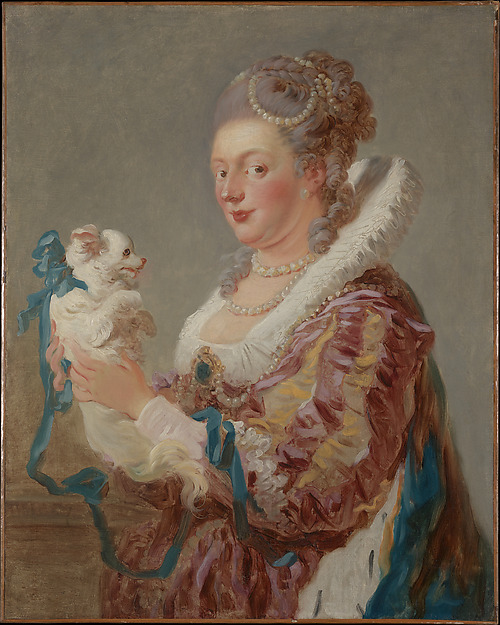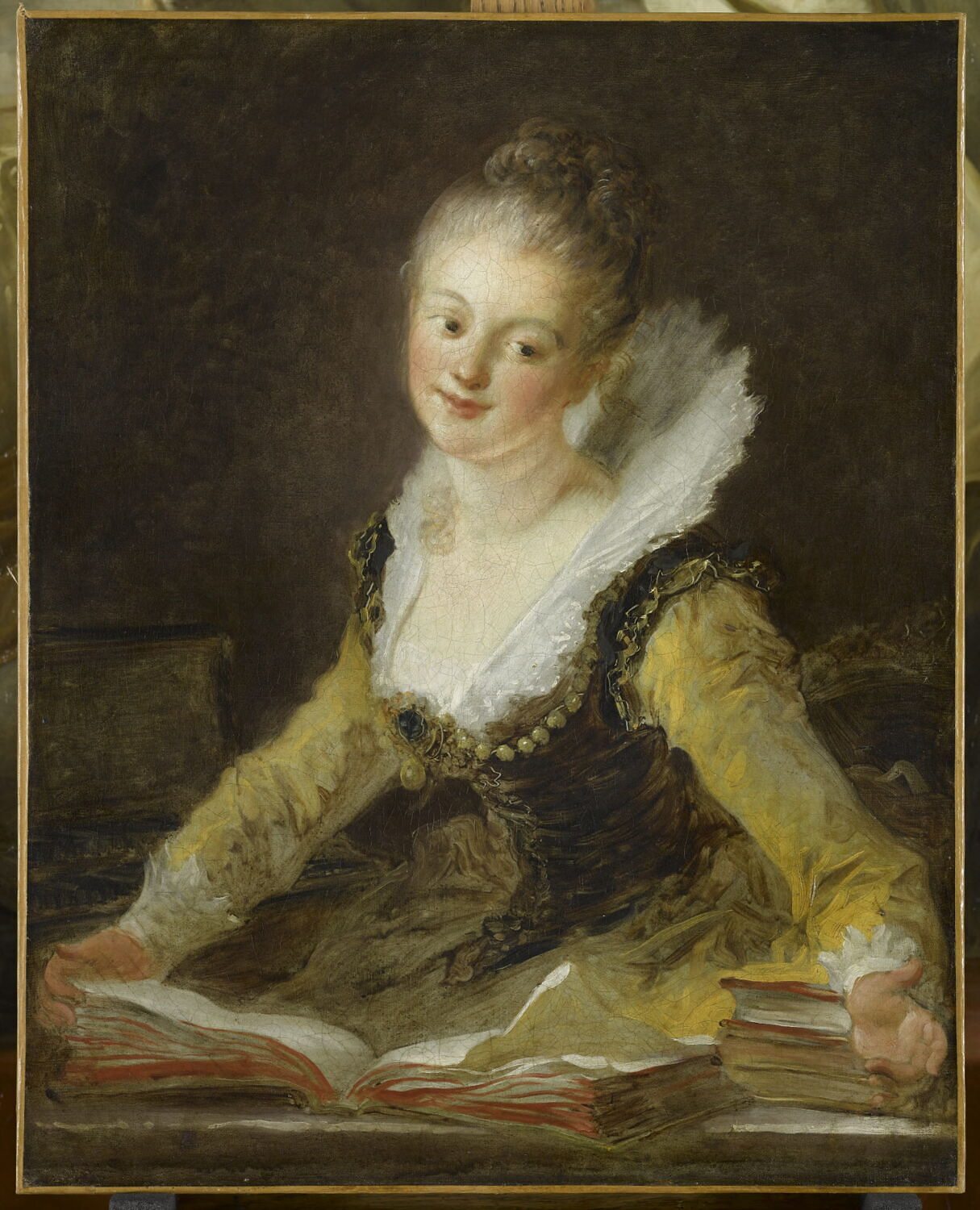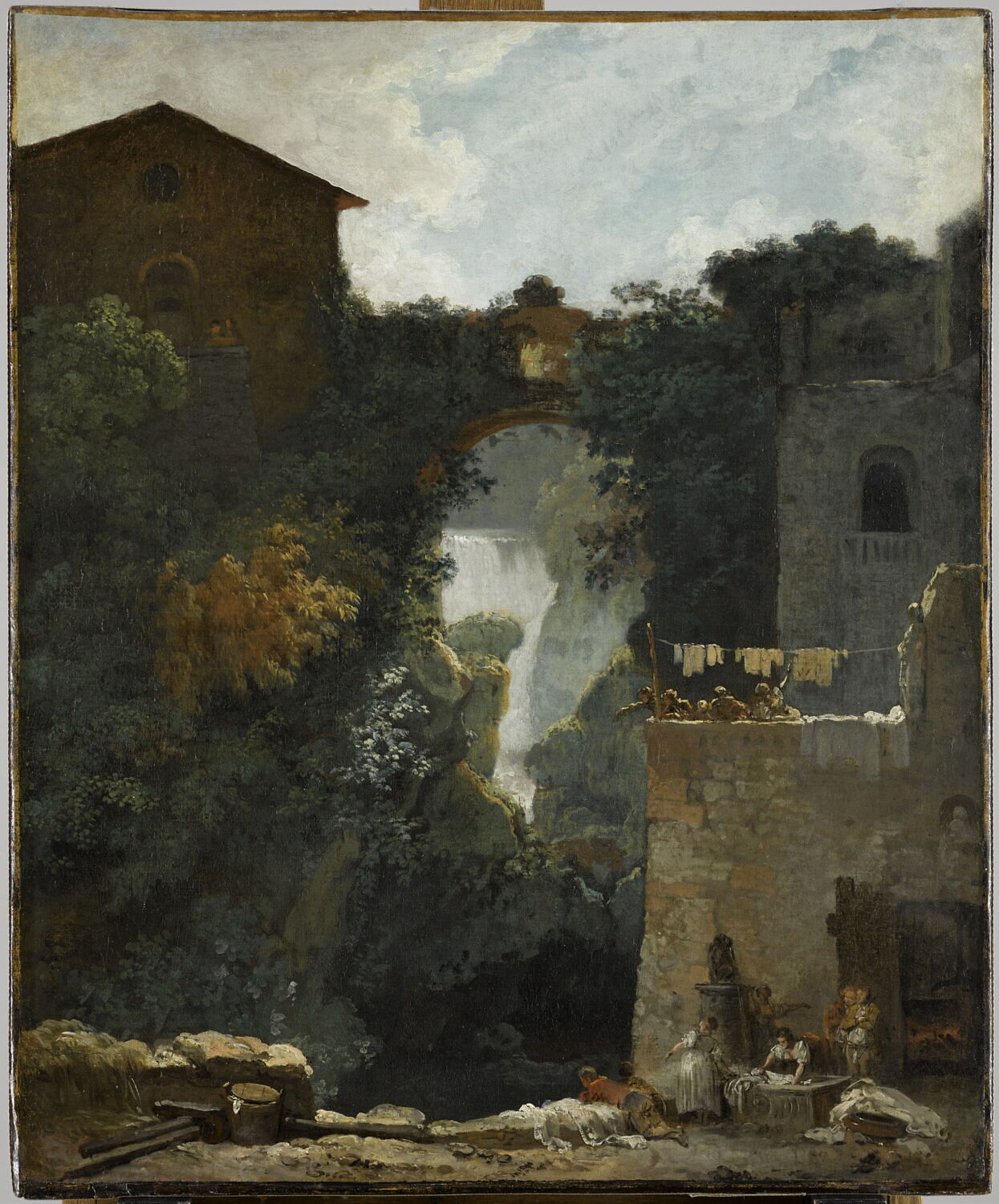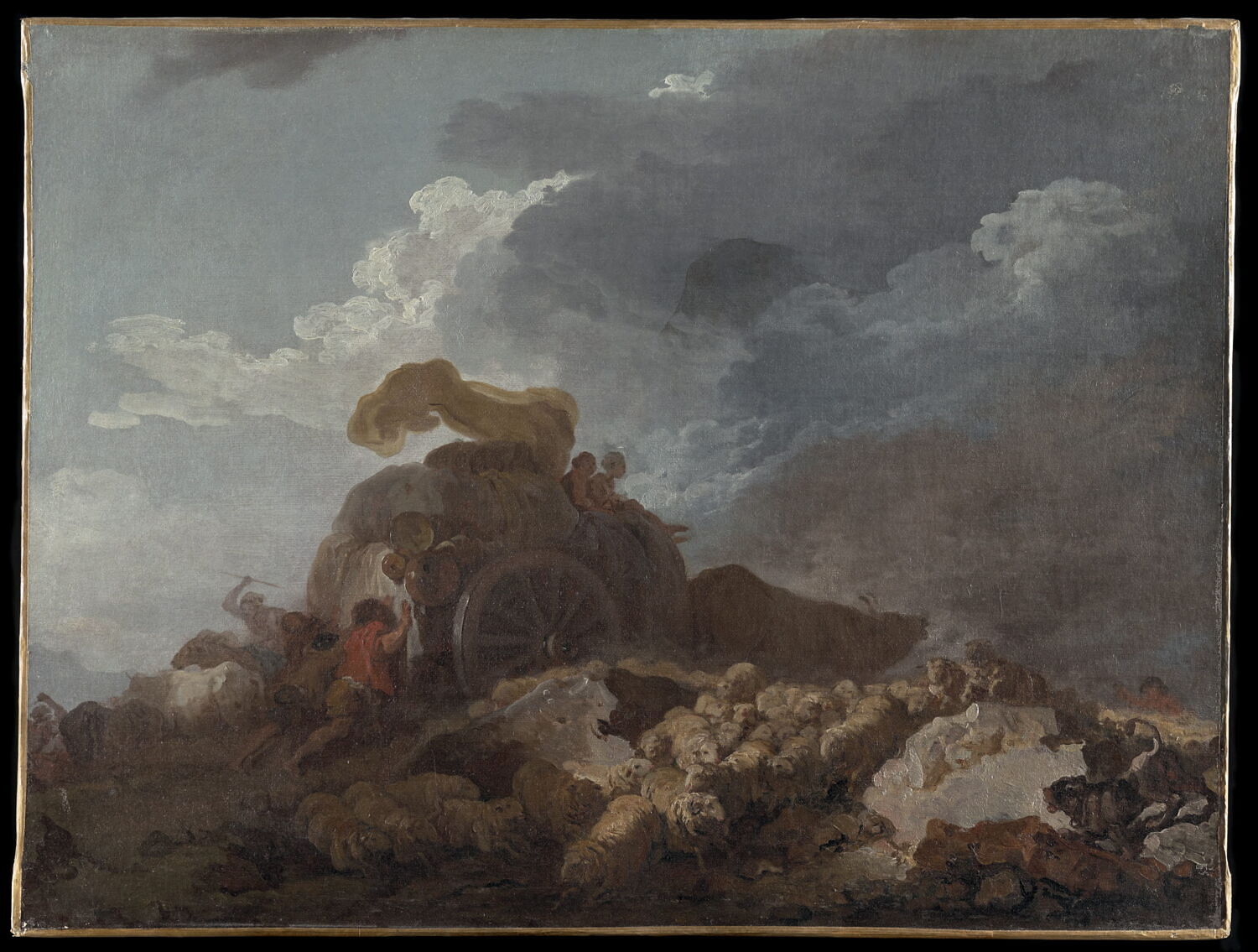
 Jean-Honoré FragonardFrench, 1732–1806
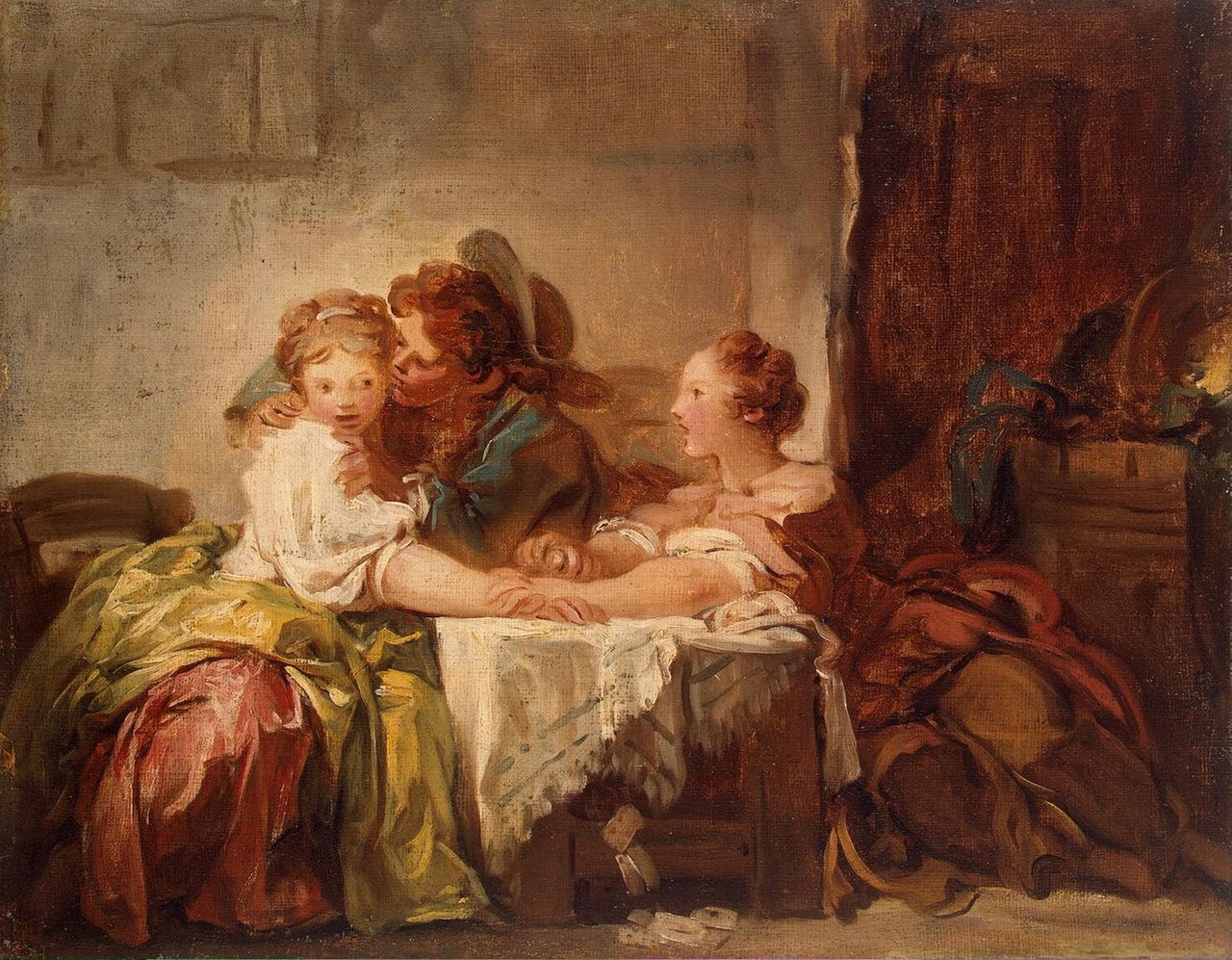
The Captured Kiss
Can I see it?
Yes, on view now
Where is “The Captured Kiss” now? State Hermitage Museum, Room 288, Saint Petersburg. Yes, on view now. Checked August 29, 2026.

Saint Petersburg, Russia
Closed· opens at 12:00 PM
On public display.
- Checked
- In this state since
- Source
- The museum
About the painting
The Captured Kiss, painted by Jean-Honoré Fragonard in the 1750s, is in the State Hermitage Museum, Saint Petersburg. The oil on canvas measures 47 centimetres high by 60 centimetres wide. It entered the collection in 1925 and is now displayed in room 288.
Details
- Accession number
- ГЭ-5646
In the catalog
Sources
- State Hermitage Museum
- Image: State Hermitage Museum — Museum open access
In the life of Jean-Honoré Fragonard
The whole lifec. 1749
Pupil of Chardin, then of Boucher's studio
Boucher, noticing the young man's inclination toward art, recommended him to Chardin's atelier; after a short period of study there, around 1749 Fragonard returned to Boucher and absorbed his style so thoroughly that the master entrusted him with executing replicas of his paintings.
1752 · Award
Prix de Rome
December 1756
Departure for the French Academy in Rome
He left for the French Academy in Rome, then directed by Charles-Joseph Natoire, in the company of his friend Hubert Robert and the architect Victor Louis. His early Italian works show the influence of Tiepolo and the Baroque style of Pietro da Cortona.
1760
Travels through Italy with Hubert Robert
Together with Hubert Robert he traveled across Italy, making numerous sketches of the local scenery. In the romantic gardens with their fountains, grottoes, temples and terraces, Fragonard found the imagery he would later embody in his art.
c. 1761
Studio in the Louvre
On his return to Paris he received a studio in the Louvre palace, where he lived, and was put in charge of the decoration of the Galerie d'Apollon.
April 1761
Return to France via Venice and southern Italy
Having lived in Rome until April 1761, he left the Eternal City with his patron the Abbé de Saint-Non and Hubert Robert: he visited Florence, Bologna and Venice, where he studied Tiepolo, made a journey to southern Italy, and returned to France.