ART WIKI33,040 on view
MapCollectionArtistsMuseumsExhibitionsJournal
Sign in

ART WIKI

Where the masterpiece hangs, and when they let you in.

Collections: Art Institute of Chicago, Getty Villa, Harvard Art Museums, Hirshhorn Museum and Sculpture Garden, J. Paul Getty Museum, Minneapolis Institute of Art, Musée du Louvre, National Gallery of Art, National Museum of Asian Art, National Portrait Gallery (Smithsonian), Pushkin State Museum of Fine Arts, Rijksmuseum, Smithsonian American Art Museum, SMK — National Gallery of Denmark, State Hermitage Museum, State Russian Museum, The Cleveland Museum of Art, The Metropolitan Museum of Art, The Museum of Modern Art, Tretyakov Gallery, Victoria and Albert Museum, Whitney Museum of American Art, State Catalogue of the Museum Fund of Russia (274 museums), Europeana (19 museums), Wikidata (6 museums), Paris Musées (12 museums), and Joconde, the French Ministry of Culture's museum database (495 museums). Images belong to their rights holders.

Sections

  • Map
  • Search
  • Collection
  • Masterpieces
  • On view now
  • Artists

More

  • Museums & galleries
  • Exhibitions
  • Journal
  • Where the data comes from
  • Privacy & cookies
HomeMapBrowse
  1. Collection/
  2. Minneapolis Institute of Art/
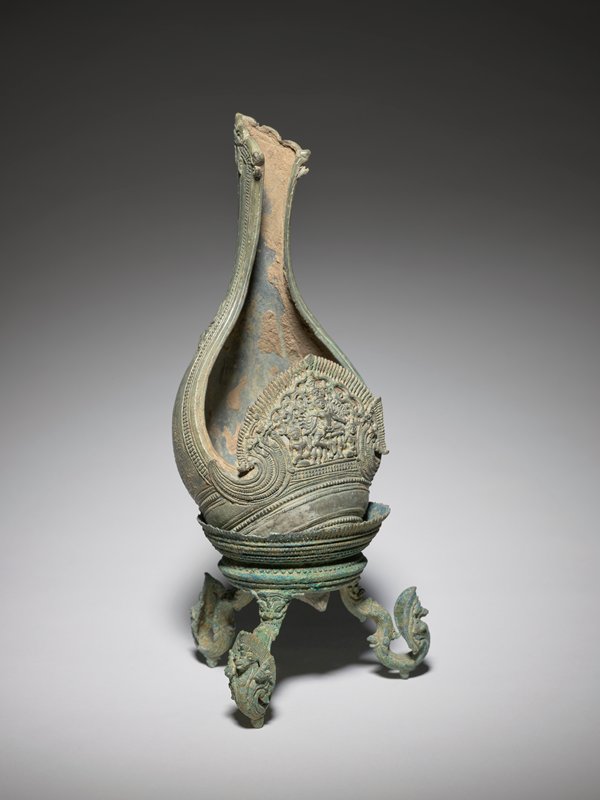
  3. Buddhist ritual conch shell with a dancing Hevajra
Buddhist ritual conch shell with a dancing Hevajra, 12th-13th century

Buddhist ritual conch shell with a dancing Hevajra

12th-13th century · Sculpture

About the sculpture

This bronze takes the form of a conch shell, a vessel used in both Buddhist and Hindu rituals. Blown at the beginning of ceremonies, the instrument makes the sound of the sacred syllable “Om, ” believed to purify the mind before meditation. Buddhism and Hinduism were often practiced side by side in the kingdoms of Southeast Asia; however, Hinduism was the official religion of Khmer kings until the conversion to Buddhism of Jayavarman VII (reign c. 1181–1218), after which Buddhist art flourished. The embellished bronze features a dancing, multiheaded Hevajra, a key deity in Vajrayana Buddhism, a sect that emphasizes ritual as a means to enlightenment.

Minneapolis Institute of Art

Particulars

Accession number
91.22.1a, b

In the same room · G213, Minneapolis Institute of Art

Museum page

May one see it?

Yes, receiving visitors

Minneapolis Institute of Art

Minneapolis, United States

RoomG213

On public display.

Checked
9 days ago
In this state since
Sep 25, 2026
Source
The museum
On the mapMuseum page

In the catalog

SculptureBronzeKhmer

Sources

  • Minneapolis Institute of Art
  • Image: Minneapolis Institute of Art — public domain
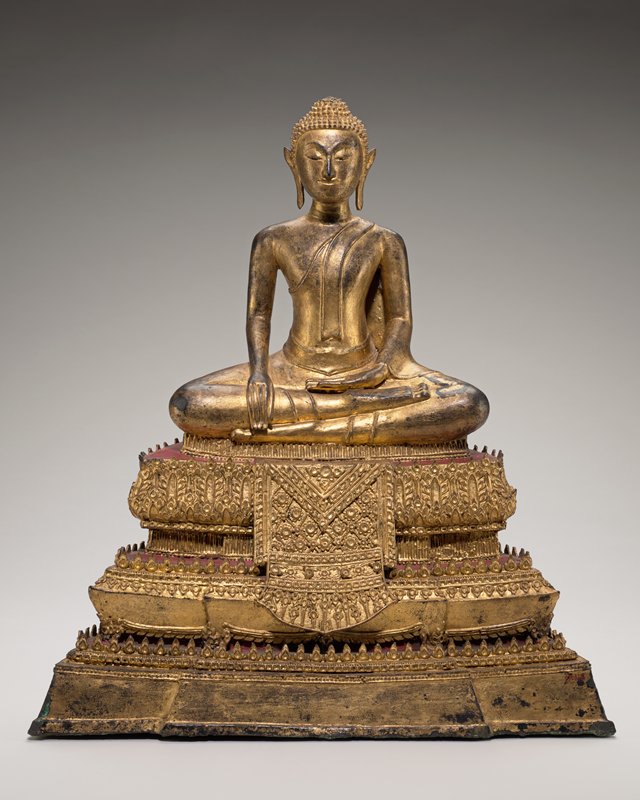
Buddha subduing Mara, late 19th century

Buddha subduing Mara, late 19th century

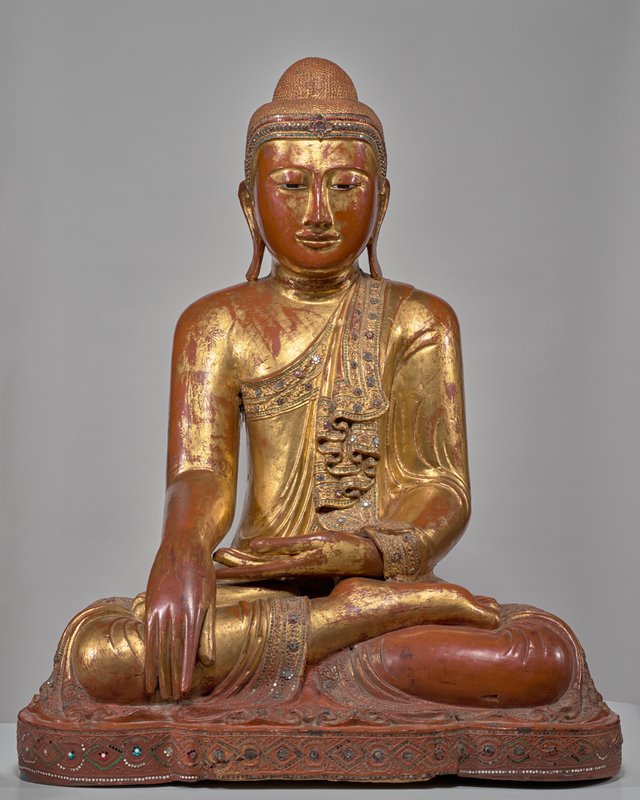
Enshrined Buddha, c. 1850

Enshrined Buddha, c. 1850

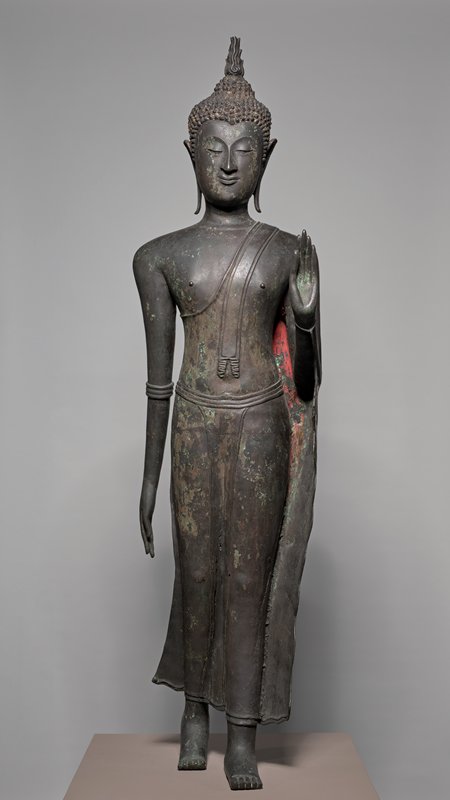
Walking Shakyamuni Buddha, 15th century

Walking Shakyamuni Buddha, 15th century

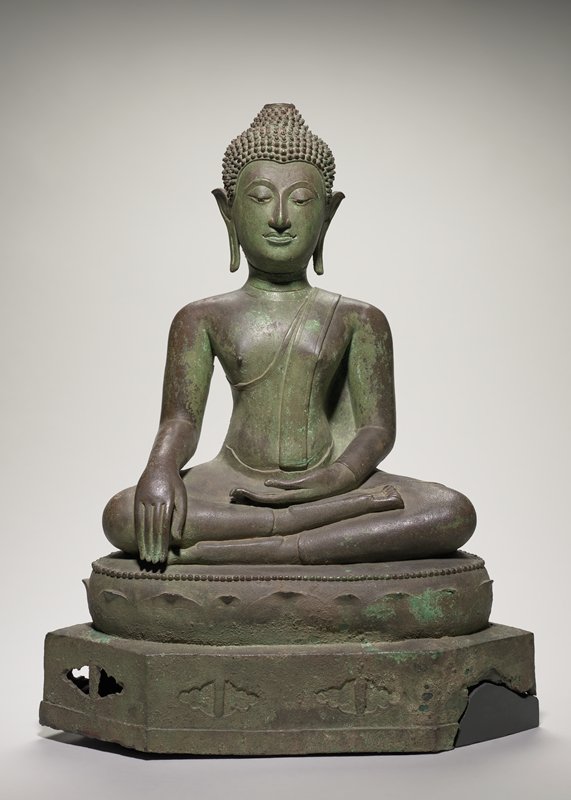
Buddha subduing Mara, 15th century

Buddha subduing Mara, 15th century

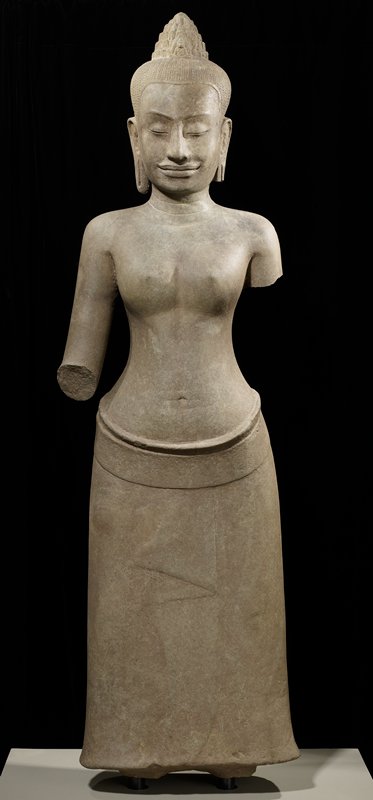
Prajnaparamita, late 12th–early 13th century

Prajnaparamita, late 12th–early 13th century

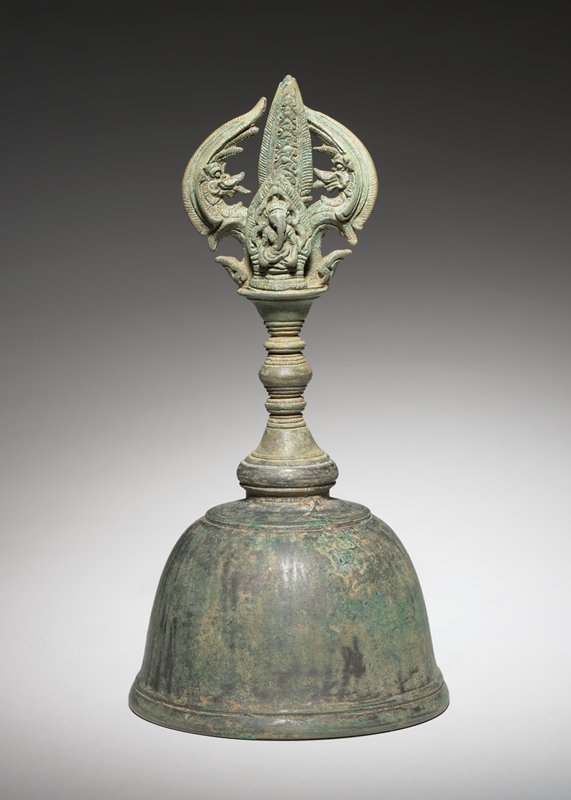
Hindu altar bell with Ganesha, 12th century

Hindu altar bell with Ganesha, 12th century

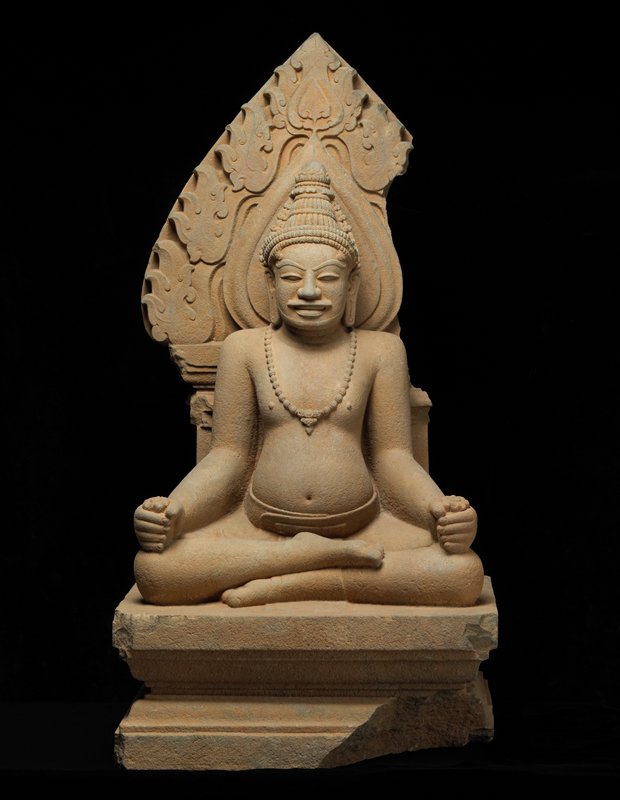
Deified King, late 10th century

Deified King, late 10th century

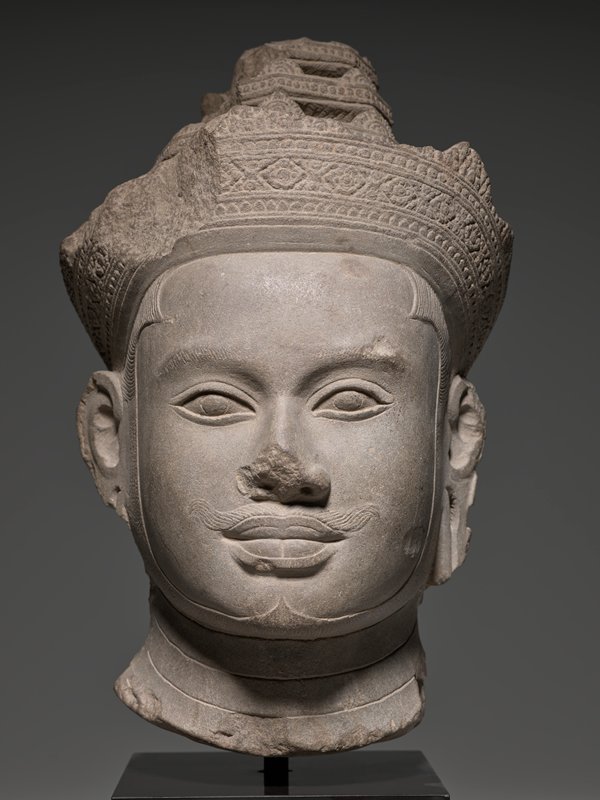
Head from an image of Vishnu or a deified king, early 9th century

Head from an image of Vishnu or a deified king, early 9th century