ART WIKI32,963 on view
MapCollectionArtistsMuseumsExhibitionsJournal
Sign in

ART WIKI

Where the masterpiece hangs, and when they let you in.

Collections: Art Institute of Chicago, Getty Villa, Harvard Art Museums, Hirshhorn Museum and Sculpture Garden, J. Paul Getty Museum, Minneapolis Institute of Art, Musée du Louvre, National Gallery of Art, National Museum of Asian Art, National Portrait Gallery (Smithsonian), Pushkin State Museum of Fine Arts, Rijksmuseum, Smithsonian American Art Museum, SMK — National Gallery of Denmark, State Hermitage Museum, State Russian Museum, The Cleveland Museum of Art, The Metropolitan Museum of Art, The Museum of Modern Art, Tretyakov Gallery, Victoria and Albert Museum, Whitney Museum of American Art, State Catalogue of the Museum Fund of Russia (274 museums), Europeana (19 museums), Wikidata (6 museums), Paris Musées (12 museums), and Joconde, the French Ministry of Culture's museum database (495 museums). Images belong to their rights holders.

Sections

  • Map
  • Search
  • Collection
  • Masterpieces
  • On view now
  • Artists

More

  • Museums & galleries
  • Exhibitions
  • Journal
  • Where the data comes from
  • Privacy & cookies
HomeMapBrowse
  1. Collection/
  2. J. Paul Getty Museum/
  3. Belisarius
Belisarius, Jean-Baptiste Stouf, about 1785–1791

Belisarius

about 1785–1791 · Sculpture · 60 × 55 cm

About the sculpture

This aged and emaciated figure is the blind general Belisarius. Heavy eyelids almost completely cover his eyes, which register nothing of the outside world. Deeply set eye sockets, encircled by wrinkles, also draw attention to Belisarius's blindness. His veined and wrinkled forehead, tilted head, and open mouth, emphasize his vulnerable state. In the mid-1700s, a novel by Jean-François Marmontel revived interest in Belisarius--a popular general of the Roman Empire whose promising career was sabotaged by the jealous Emperor Justinian I. In Marmontel's novel, the emperor has the heroic general blinded, reducing Belisarius to begging. He is eventually rediscovered and aided by former officers and his family.

Read on

This dramatic tale of patriotism, injustice, and redemption was widely embraced in revolutionary and post-revolutionary France and was a popular subject for painters and sculptors--including Jacques-Louis David, Jean-Antoine Houdon, and François Gérard (whose painting [*Belisarius*](https://www.getty.edu/art/collection/objects/225120/baron-francois-pascal-simon-gerard-belisarius-french-1797/) is also in the Museum's collection). Jean-Baptiste Stouf exhibited this marble sculpture at the Salon of 1791; he had previously shown a terracotta model of the bust of Belisarius in 1785. Like many eighteenth-century artists who depicted Belisarius, Stouf emphasized the subject's pathos, highlighting the injustice of the general's plight. The intimate and sympathetic portrait also demonstrates Stouf's mastery of marble carving.

The luxuriantly sculpted beard and cascading curls of hair, the crumpled, crinkled skin, and the broad, high brow are all captured with a subtlety that belies the challenge of carving stone. The formal characteristics of Belisarius echo classical and Baroque sculpture but also anticipate the Romantic sensibility of the 1800s.

More by Jean Baptiste Stouf

All works

In the same room · Museum South Pavilion, Gallery S202, J. Paul Getty Museum

Museum page

JPGJ. Paul Getty Museum

Particulars

about 1785–1791
17421826
Accession number
2005.19

Sources

  • J. Paul Getty Museum
  • Image: J. Paul Getty Museum — Open Content
Jean Baptiste Stouf, portraitJean Baptiste StoufFrench, 1742–1826

May one see it?

Yes, receiving visitors

JPG
J. Paul Getty Museum

Los Angeles, United States

RoomMuseum South Pavilion, Gallery S202

On public display.

Checked
2 days ago
In this state since
Oct 5, 2026
Source
The museum
On the mapMuseum page
Abel expirant, Stouf, Jean-Baptiste, 1785

Abel expirant

1785 · Musée du Louvre

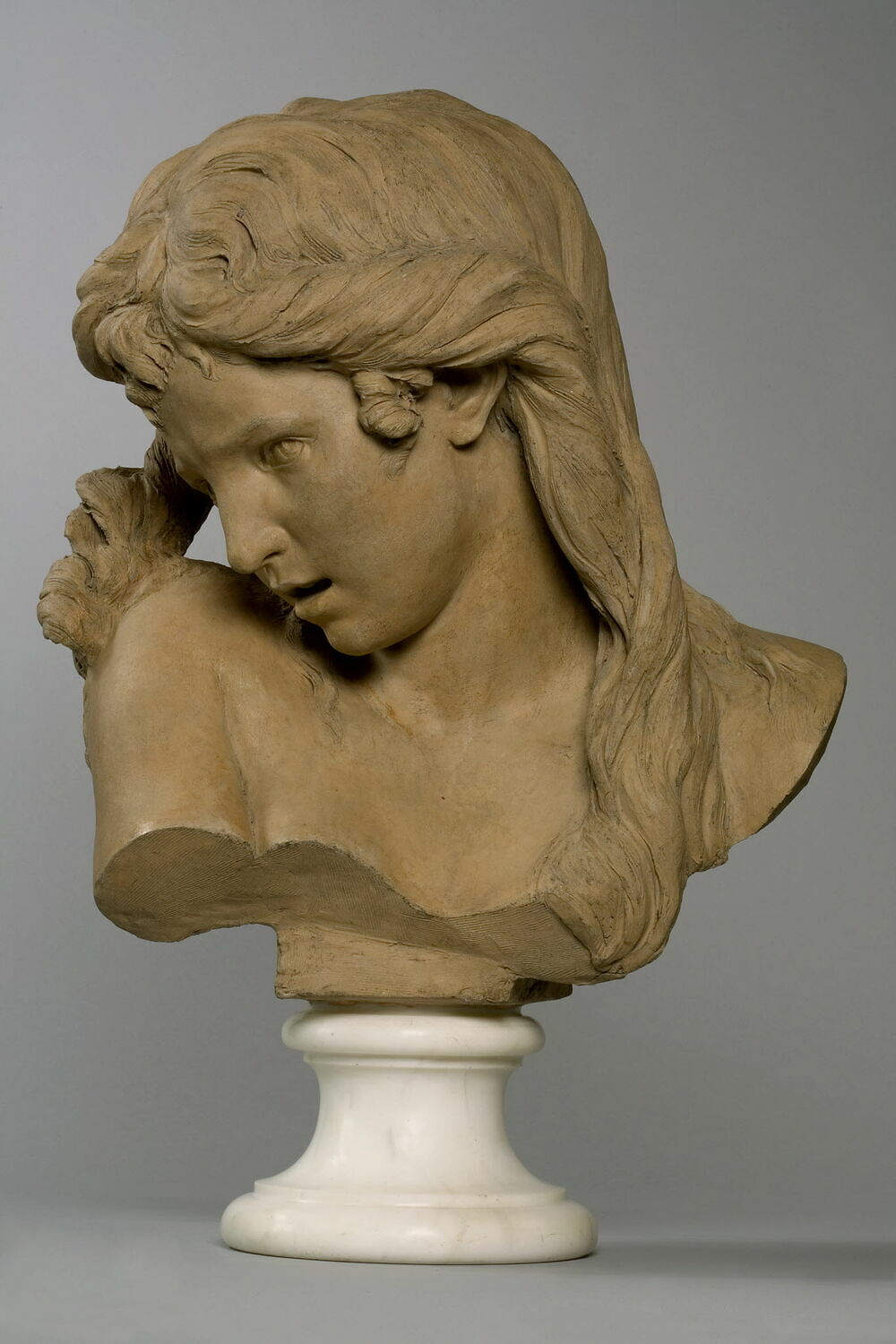
Jeune fille affligée, Stouf, Jean-Baptiste, 1785

Jeune fille affligée

1785 · Musée du Louvre

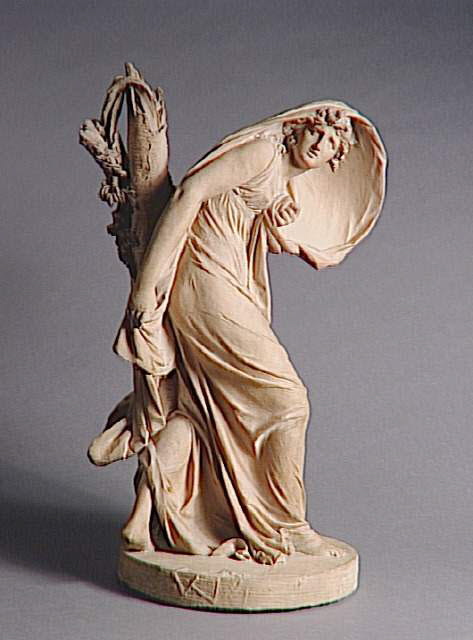
Femme effrayée d'un coup de tonnerre qui vient de rompre un arbre à côté d'elle, Stouf, Jean-Baptiste, 1798

Femme effrayée d'un coup de tonnerre qui vient de rompre un arbre à côté d'elle

1798 · Musée du Louvre

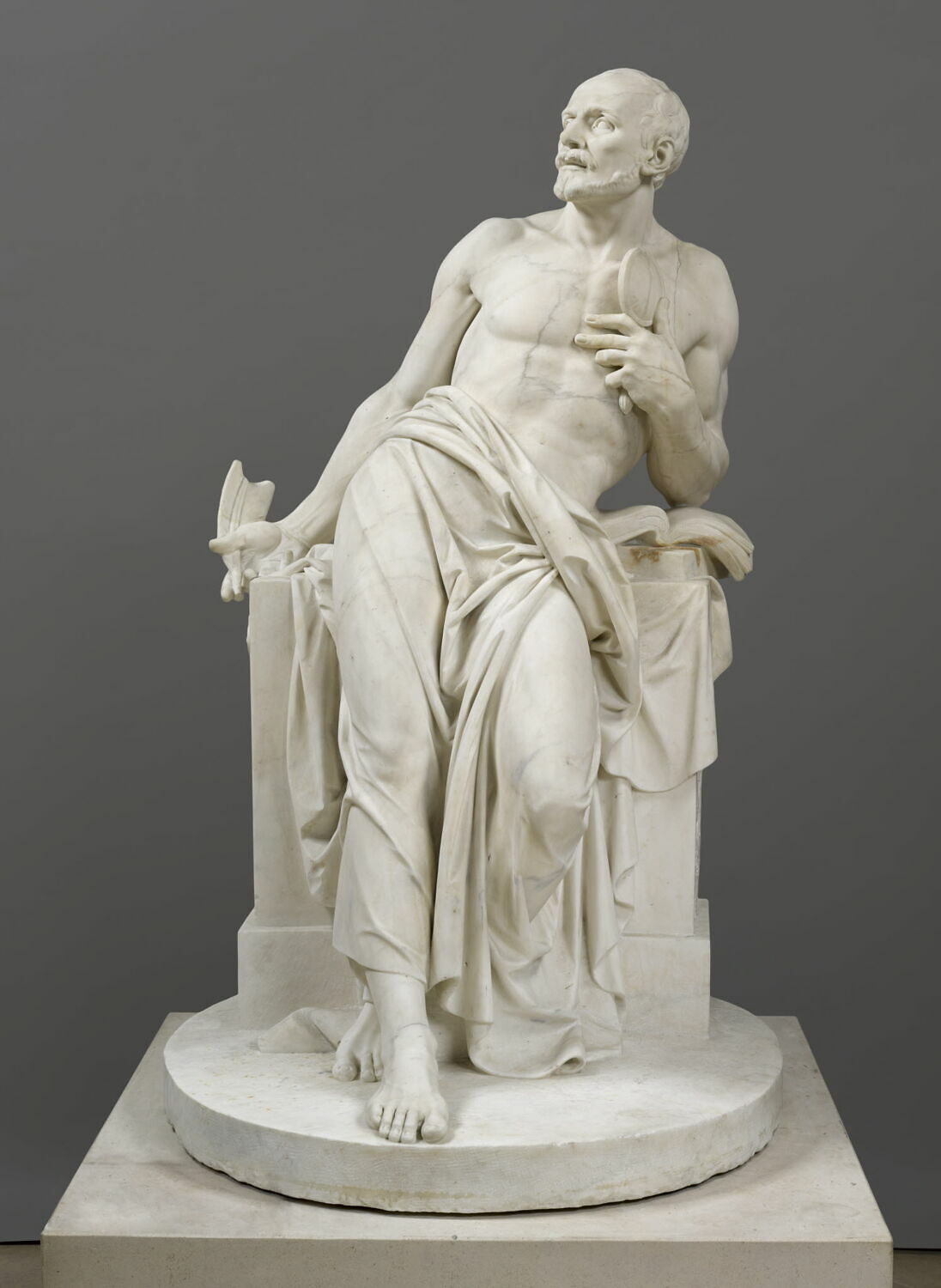
Michel Montaigne, Stouf, Jean-Baptiste, 1800

Michel Montaigne

1800 · Musée du Louvre

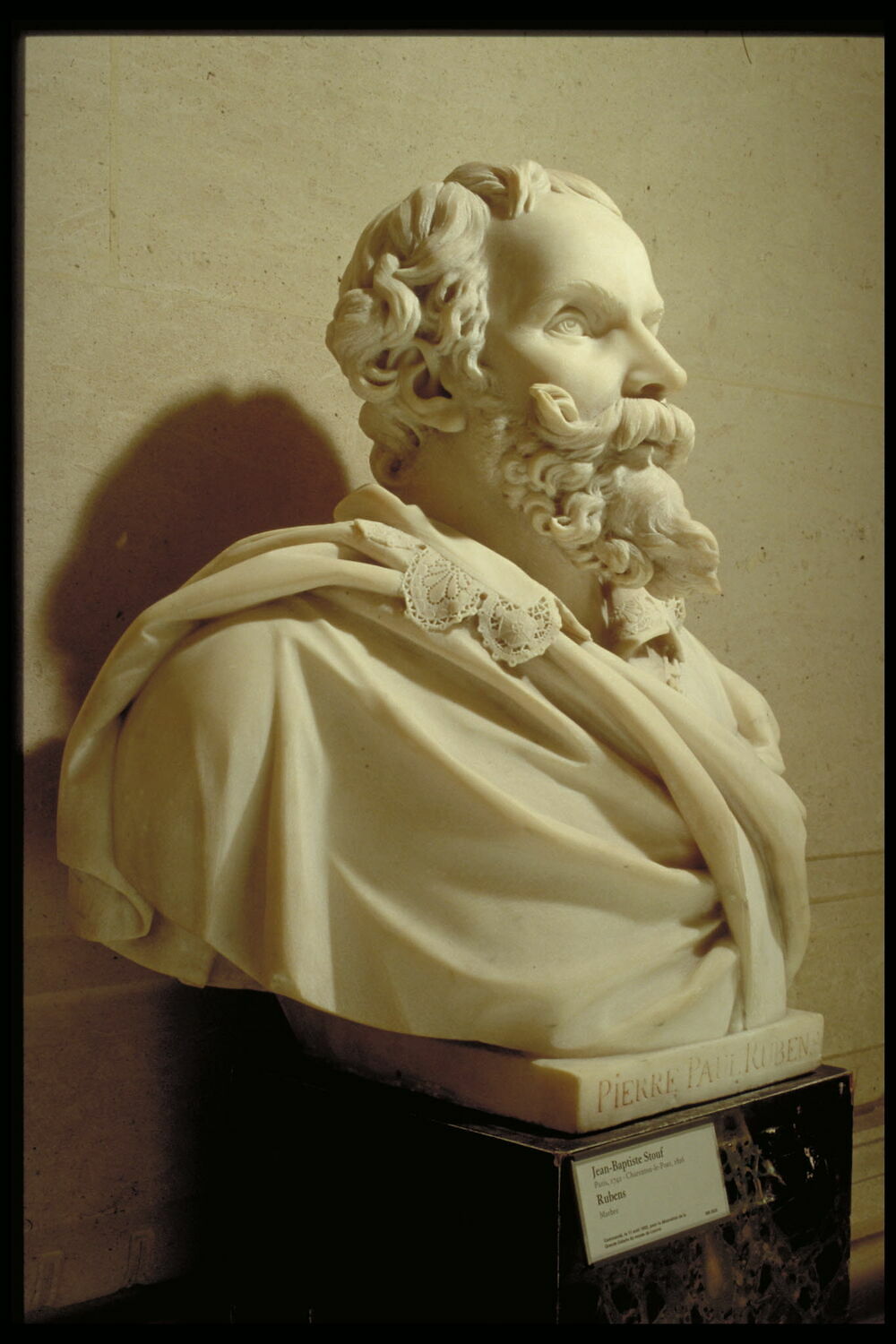
Pierre Paul Rubens, France, 1802 - 1813

Pierre Paul Rubens

1802 - 1813 · Musée du Louvre

The Composer André-Ernest-Modeste Grétry (1741–1813), Jean-Baptiste Stouf, 1804–8

The Composer André-Ernest-Modeste Grétry (1741–1813)

1804–8 · The Metropolitan Museum of Art

Saint Vincent de Paul, Jean Baptiste Stouf, c. 1787

Saint Vincent de Paul

c. 1787 · Minneapolis Institute of Art

The Faithful Friendship, Jean-Baptiste Stouf, 1695–1794

The Faithful Friendship

1695–1794 · Nationalmuseum

John Whetham of Kirklington, Joseph Wright of Derby, about 1779–1780

Joseph Wright of Derby

John Whetham of Kirklington, about 1779–1780

Portrait of Madame Bonnier de la Mosson as Diana (Constance-Gabrielle-Magdeleine du Monciel de Lauraille), Jean-Marc Nattier, 1742

Jean-Marc Nattier

Portrait of Madame Bonnier de la Mosson as Diana (Constance-Gabrielle-Magdeleine du Monciel de Lauraille), 1742

John, Fourteenth Lord Willoughby de Broke, and His Family, Johann Zoffany, about 1766

Johann Zoffany

John, Fourteenth Lord Willoughby de Broke, and His Family, about 1766

Portrait of a Boy in Fancy Dress, Nicolas de Largillierre, about 1710–1714

Nicolas de Largillierre

Portrait of a Boy in Fancy Dress, about 1710–1714

Dance before a Fountain, Nicolas Lancret, by 1724

Nicolas Lancret

Dance before a Fountain, by 1724

Diana and Her Nymphs Bathing, Jean-François de Troy, 1722–1724

Jean-François de Troy

Diana and Her Nymphs Bathing, 1722–1724

Pan and Syrinx, Jean-François de Troy, 1722–1724

Jean-François de Troy

Pan and Syrinx, 1722–1724

Magdaleine Pinceloup de la Grange, née de Parseval, Jean-Baptiste Perronneau, 1747

Jean Baptiste Perroneau

Magdaleine Pinceloup de la Grange, née de Parseval, 1747

In the catalog

SculptureMarbleNeoclassicism18th centuryFrench