 Robert RauschenbergAmerican, 1925–2008
Acre (Carnal Clock)
May one see it?
Not receiving at present

Minneapolis Institute of Art
Minneapolis, United States
It belongs to the collection, but is not on display at present.
- Checked
- 2 days ago
- In this state since
- Sep 25, 2026
- Source
- The museum's own collection data
About the work
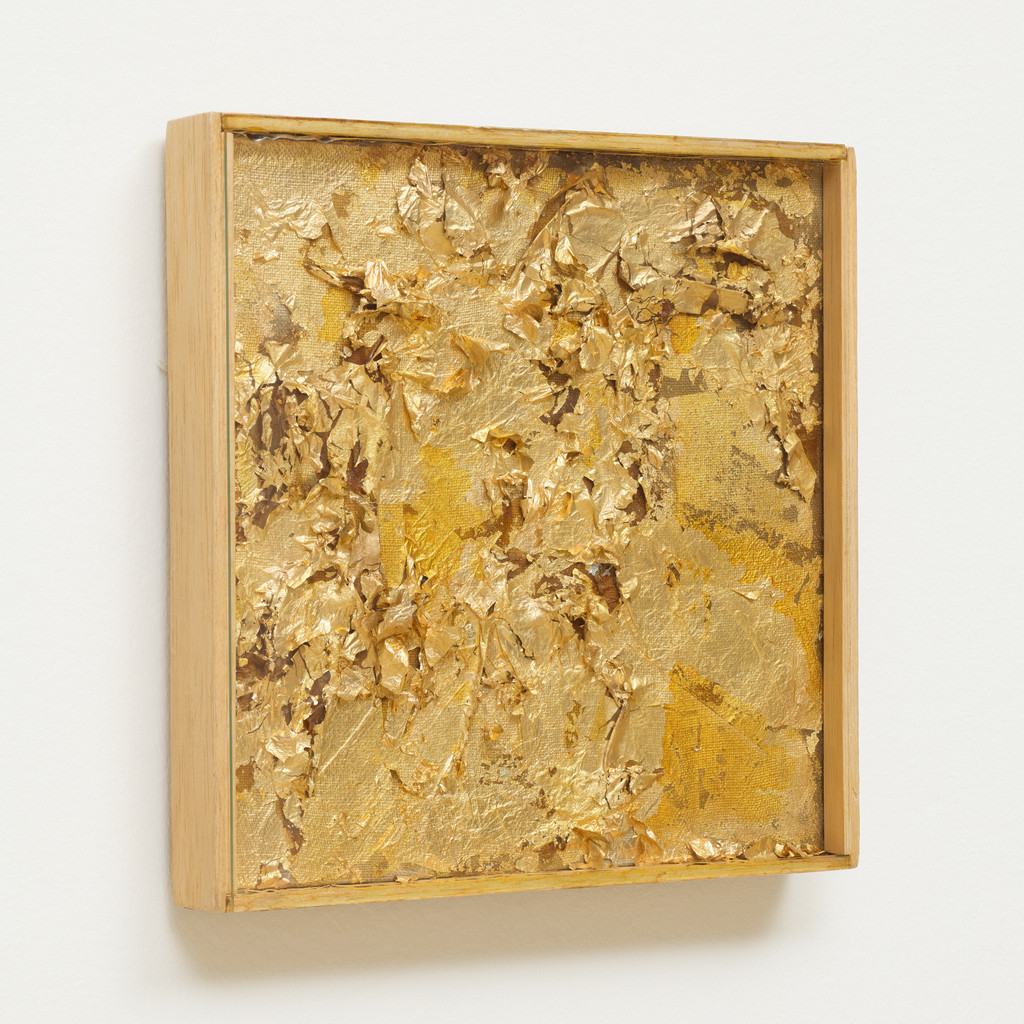
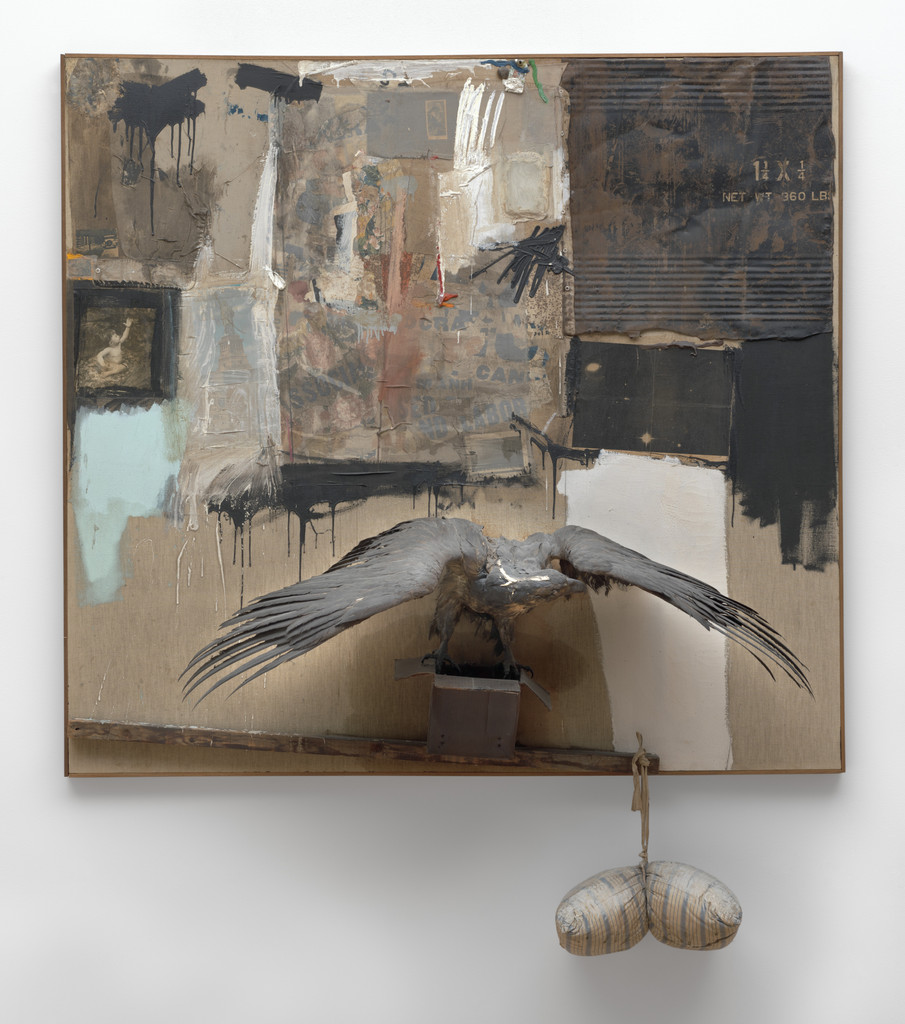
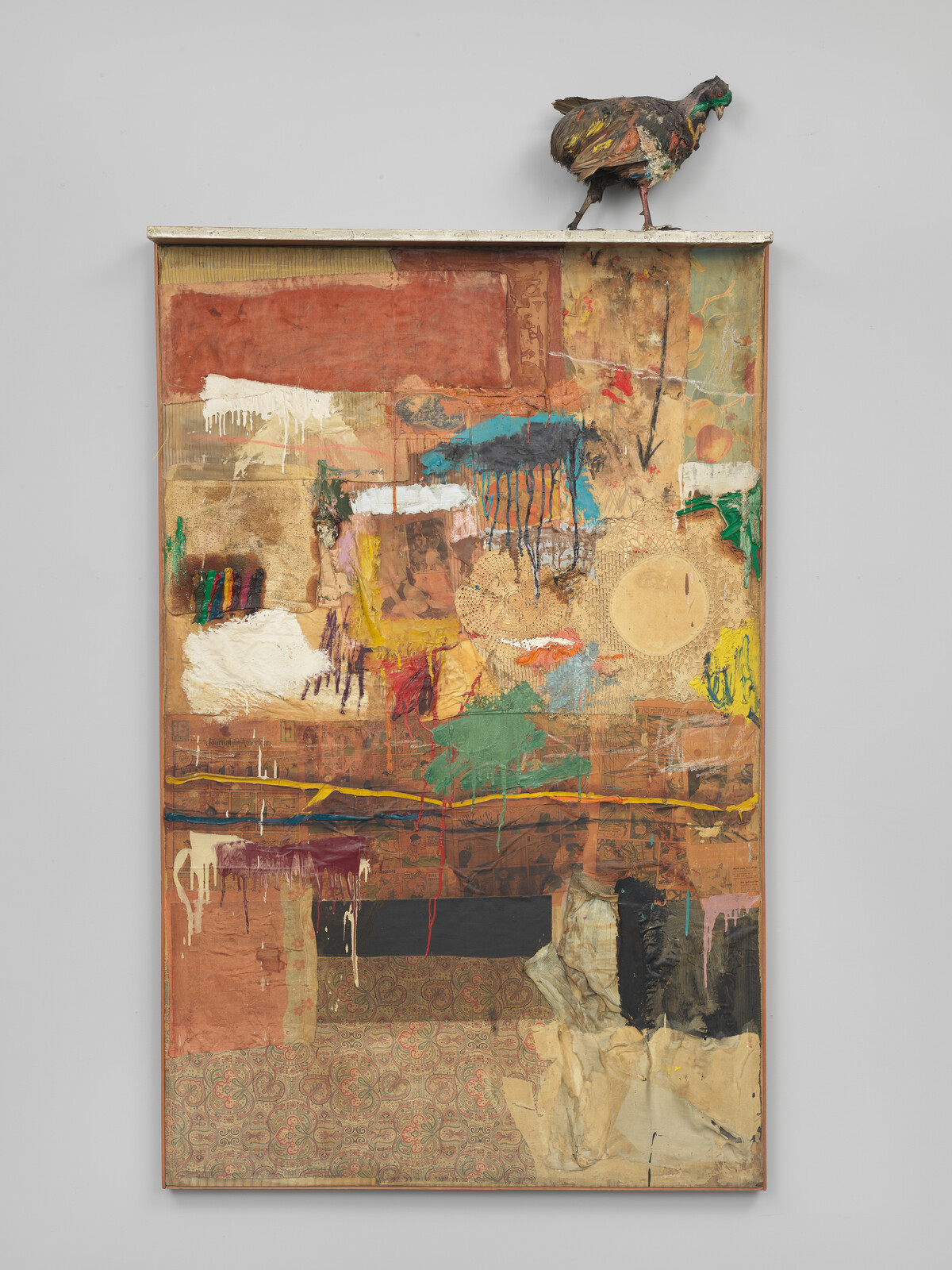
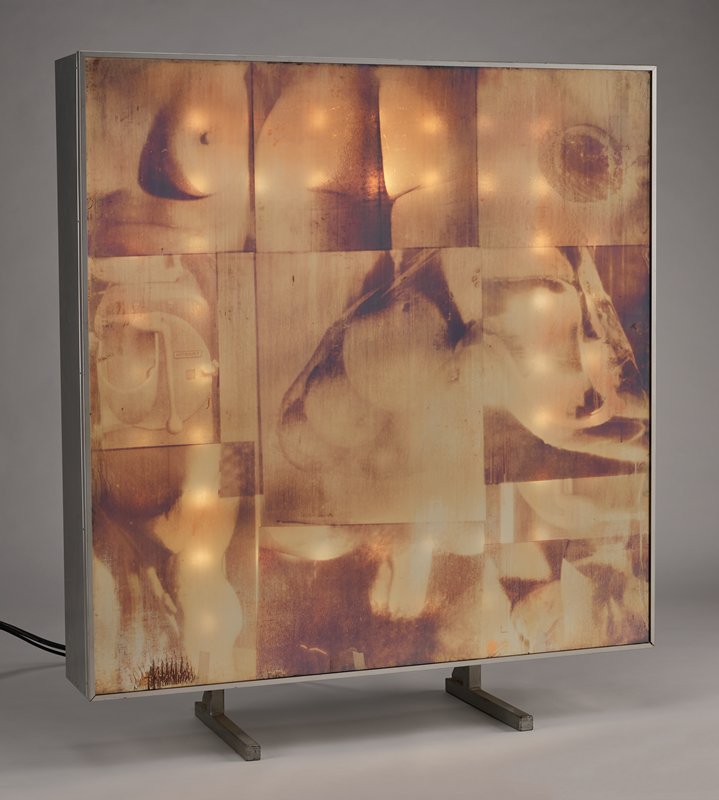
One of several unique constructions from Rauschenberg's Carnal Clock series, Acre is both a work of art and a functioning clock of sorts. When operating, the electric-powered device is designed to sequentially illuminate one or more images in a predetermined pattern. In an early interview, Rauschenberg described the mechanics of the clock: There are always two lights on; one is the minute hand, and the other is the hour hand and they do what they have to do and it's at midnight and noon that all the lights come on for one minute, and then you get to see the whole thing at once.
Read on
The construction features both appropriated images and photographs Rauschenberg made specifically for this series, documenting his own body and those of some of his close friends. The work's nudity and sexual content is partially hidden from view by the reflective surface of the light box, slowing the initial comprehension of the imagery. Acre was intended to startle viewers, who were simultaneously confronted with their own reflections and graphic images of naked men and women. On this aspect of the work, Rauschenberg noted: Carnal Clocks could be considered offensive. I think Carnal Clocks was racy. My flesh tells the time marked by real people who are all still living. It was an embarrassing project. Part of the project was embarrassment as a medium, because it was about my working out my shyness to photograph my friends' intimate parts.
Minneapolis Institute of Art
Particulars
- Accession number
- 69.134
In the catalog
Sources
- Minneapolis Institute of Art: the museum's own open data · fetched 6 days ago
- Image: Minneapolis Institute of Art — Robert Rauschenberg, Acre (Carnal Clock), 1969 © Robert Rauschenberg Foundation
Meanwhile, in the life of Robert Rauschenberg
The whole life27 June 1968 – 6 October 1968
Exhibition: 4. documenta
26 July 1968
Buys a house on Captiva Island
On 26 July 1968 Rauschenberg bought the Beach House, his first property on Captiva Island off the Florida coast, though it did not become his permanent home until the autumn of 1970. Other accounts date the purchase to 1970.
1969
Watches the Apollo 11 launch at NASA's invitation
NASA invited Rauschenberg to witness the launch of Apollo 11. In response he created his “Stoned Moon” series of lithographs, combining diagrams and images from NASA's archives with his own drawings and handwritten text.
autumn 1970
Moves to Captiva for good
From the autumn of 1970 the Captiva house became Rauschenberg's permanent home and studio. The first works made there were the “Cardboards” (1971–72) and “Early Egyptians” (1973–74) series, from locally sourced cardboard and sand: instead of urban imagery he now favoured the natural fibres of fabric and paper.
1970
Sets up Change, Inc. to help artists
Rauschenberg created Change, Inc., a programme awarding one-time emergency grants of up to $1,000 to visual artists in financial need.
1970
Helps create the Pepsi Pavilion at Expo '70 in Osaka
Rauschenberg took part in creating the Pepsi Pavilion for the 1970 World Exposition in Osaka; the opening was directed by the choreographer and artist Remy Charlip.