Eugène DelacroixFrench, 1798–1863
Abel Widmer
Can I see it?
Not on view at present
Where is “Abel Widmer” now? Collection: The National Gallery, London. Not on view at present. Checked November 16, 2026.

London, United Kingdom
It belongs to the collection, but is not on display at present.
- Checked
- In this state since
- Source
- The museum's website
About the painting
Abel Widmer, Eugène Delacroix's portrait from around 1824, belongs to the National Gallery, London. Prosper Goubaux commissioned the painting. The oil portrait uses a canvas measuring 59.7 centimetres high and 48.3 wide; it became part of the collection in 1918.
Details
- Accession number
- NG3287
In the catalog
Display history
Not on view at present
The National Gallery · Oct 12, 2026 — now · Verified
Whether it was on view is unknown
The National Gallery · Sep 29, 2026 — Oct 12, 2026 · Unconfirmed
Sources
- Wikidata
- Image: The National Gallery — Eugène Delacroix · CC BY-SA 4.0 · Wikimedia Commons
In the life of Eugène Delacroix
The whole life1822
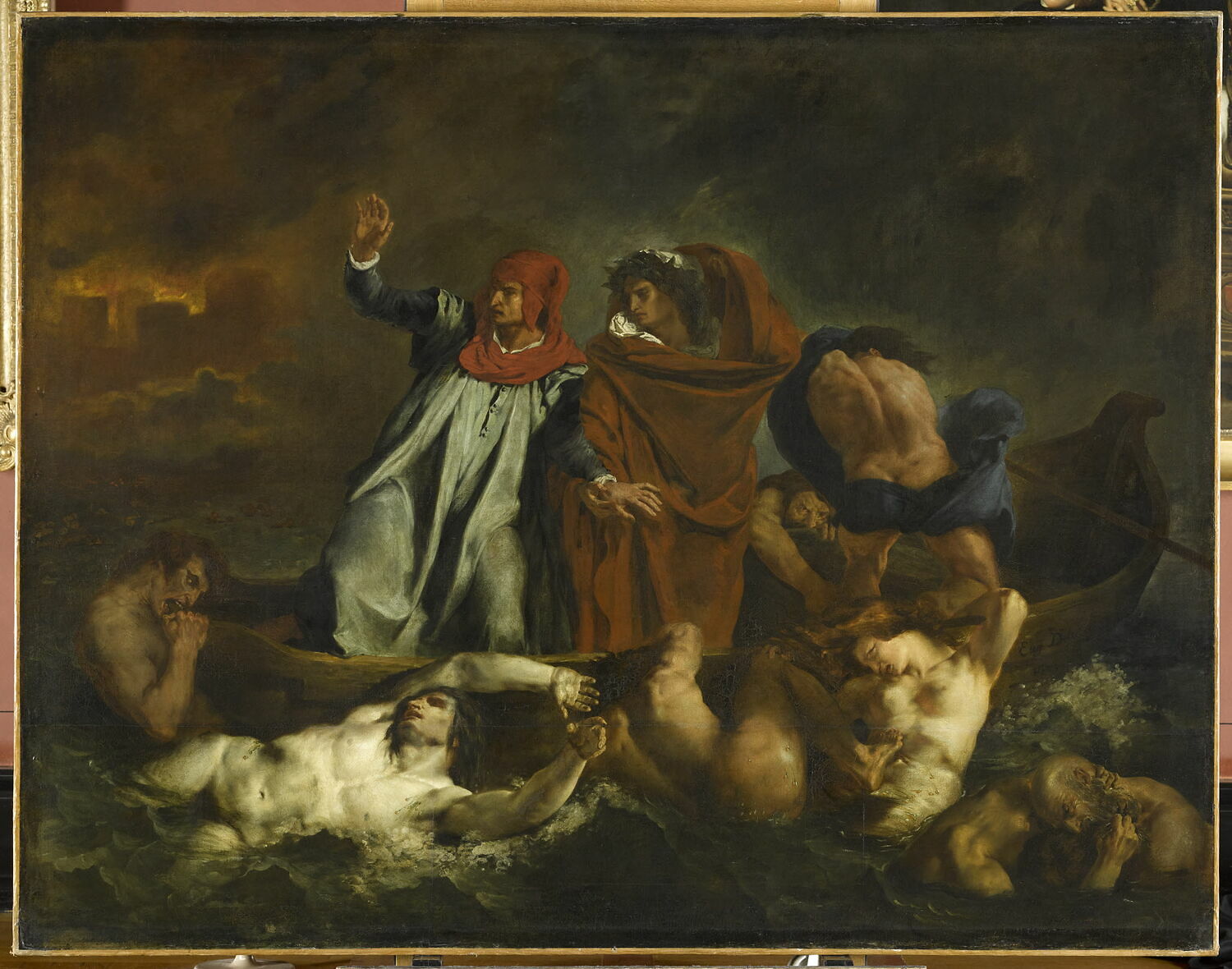
Salon Debut: "The Barque of Dante"
Delacroix's first major painting, The Barque of Dante, was accepted by the Paris Salon of 1822; the work caused a sensation and was purchased by the state for the Luxembourg Galleries.
1824
Success of "The Massacre at Chios" at the Salon
Shown at the Salon of 1824, The Massacre at Chios, devoted to the tragedies of the Greek War of Independence, brought Delacroix genuine success: the authorities recognized him as the leading painter of the new Romantic style, and the painting was bought by the state.
1825
Journey to England
During a trip to England Delacroix visited Thomas Lawrence and Richard Parkes Bonington; the color and manner of English painting gave impetus to his subsequent work.
c. 1825
Lithographs for Shakespeare
By 1825 Delacroix was producing lithographs illustrating Shakespeare, and soon afterwards lithographs and paintings based on Goethe's Faust.