 Claude LorrainFrench, 1600–1682
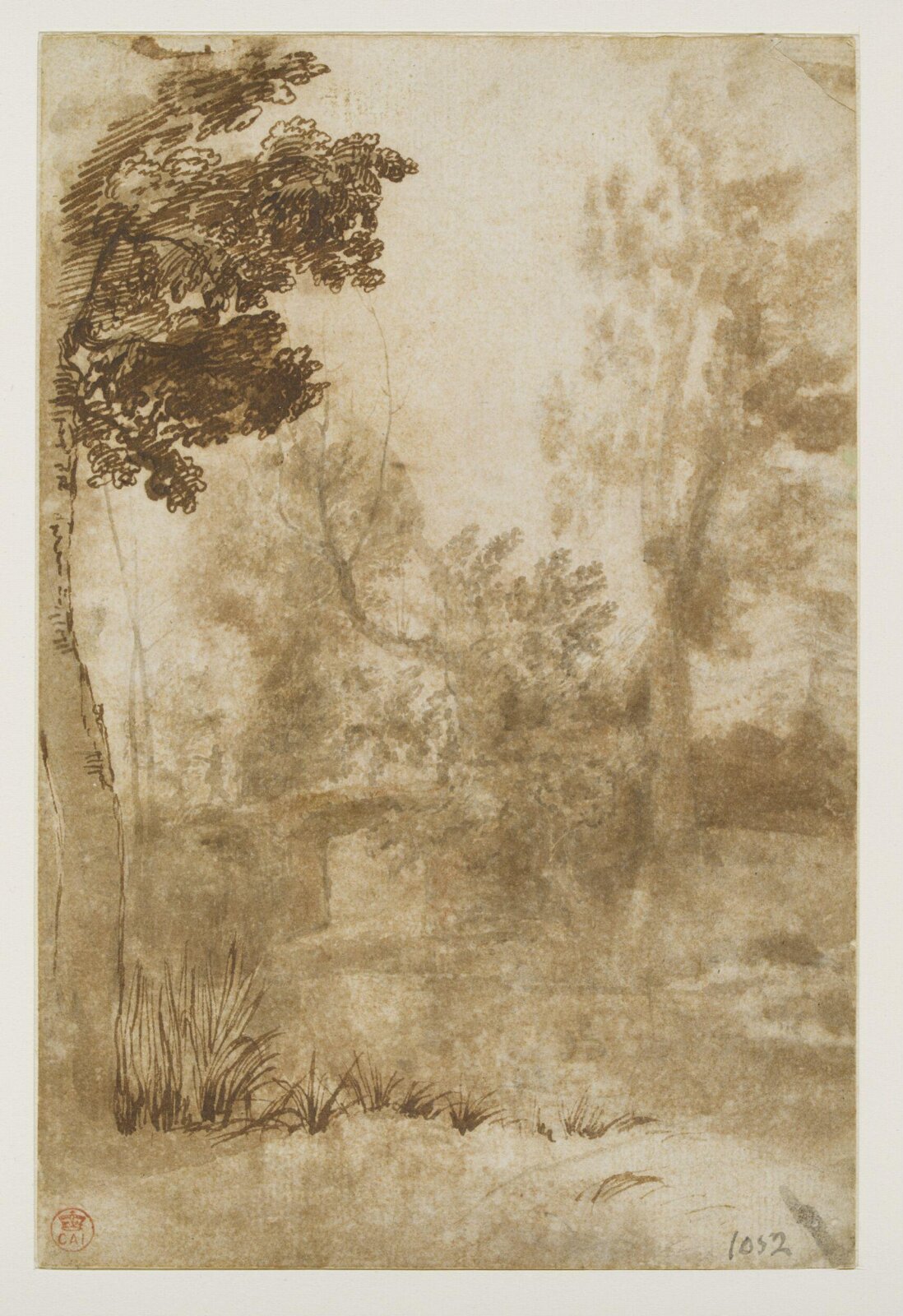
A landscape with a bridge
May one see it?
Not receiving at present

Victoria and Albert Museum
London, United Kingdom
It belongs to the collection, but is not on display at present.
- Checked
- In this state since
- Source
- The museum
About the work
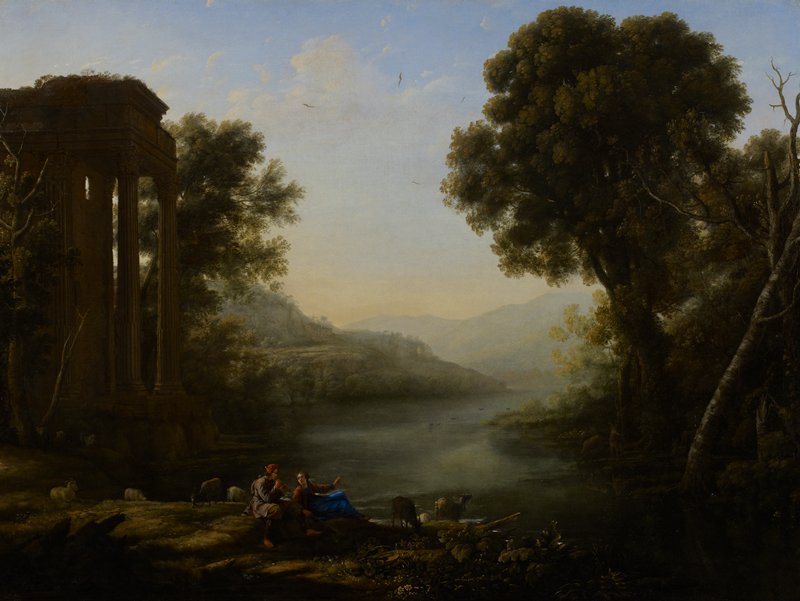
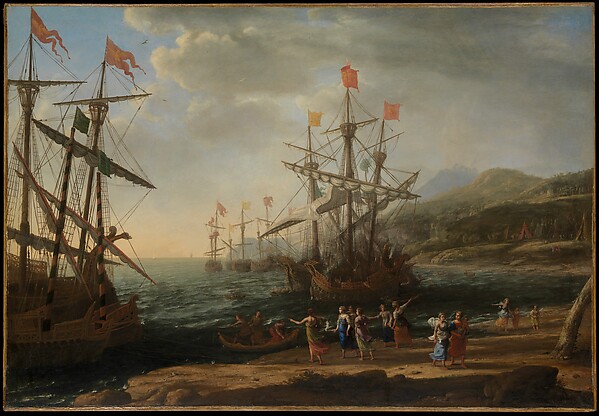
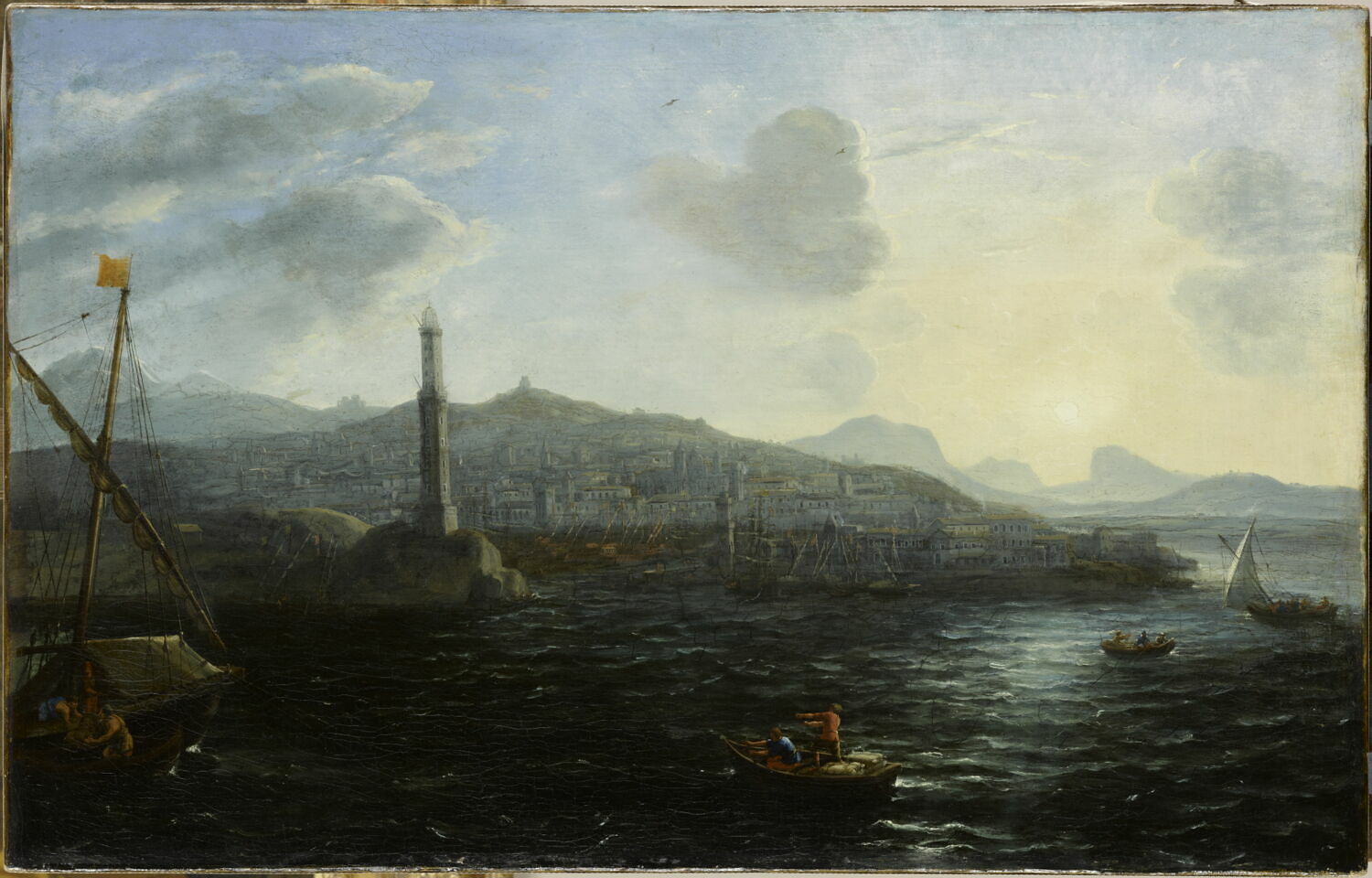
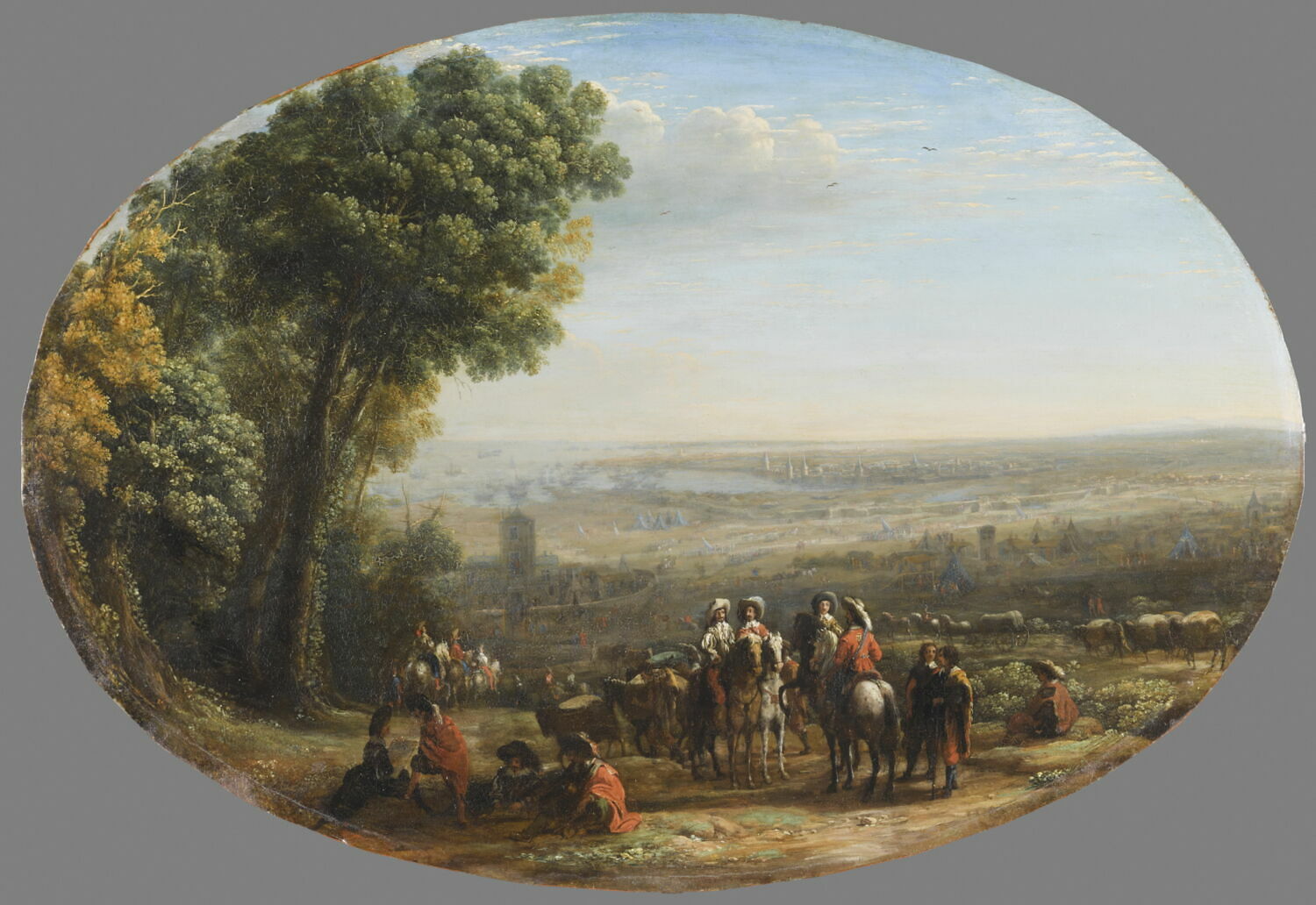
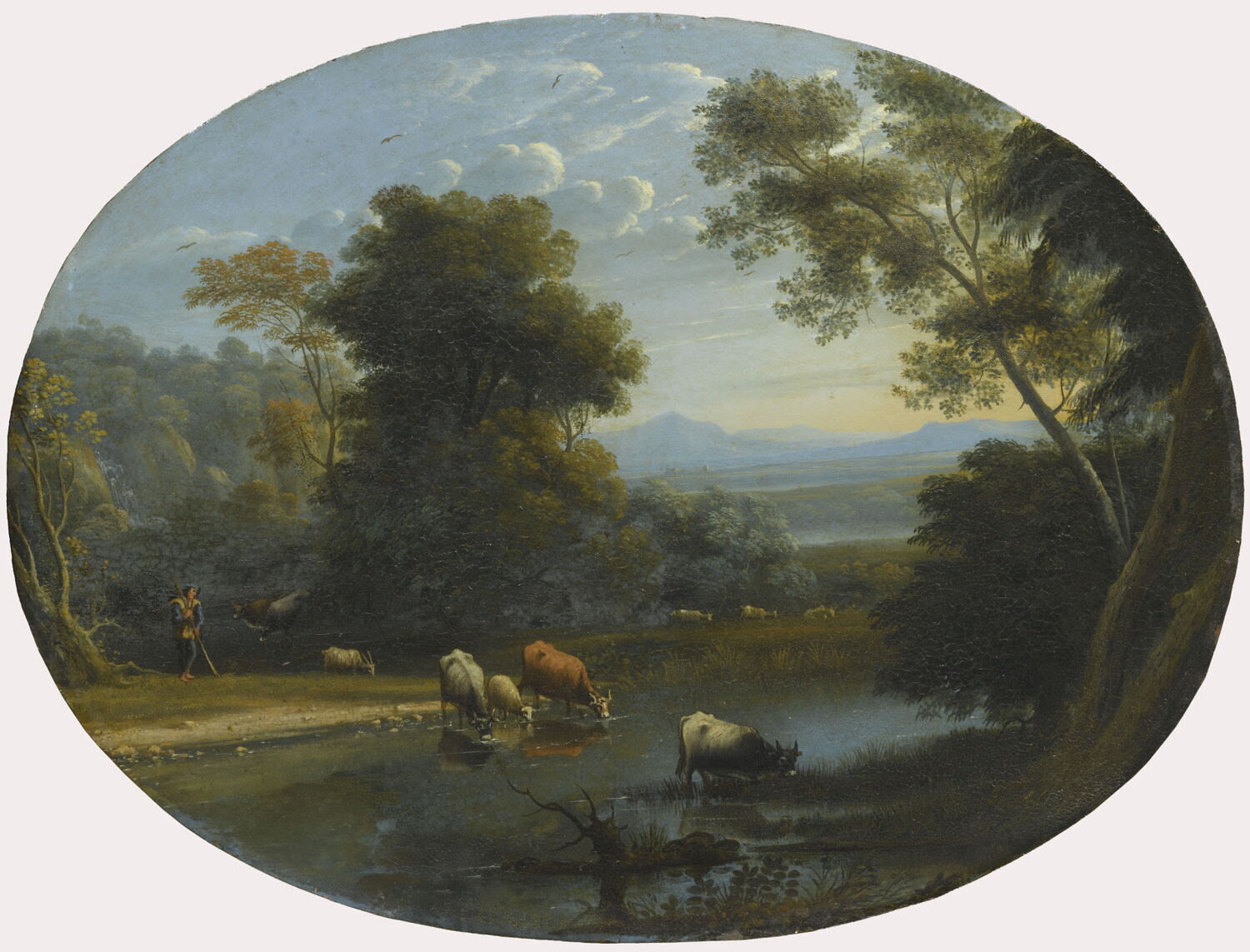
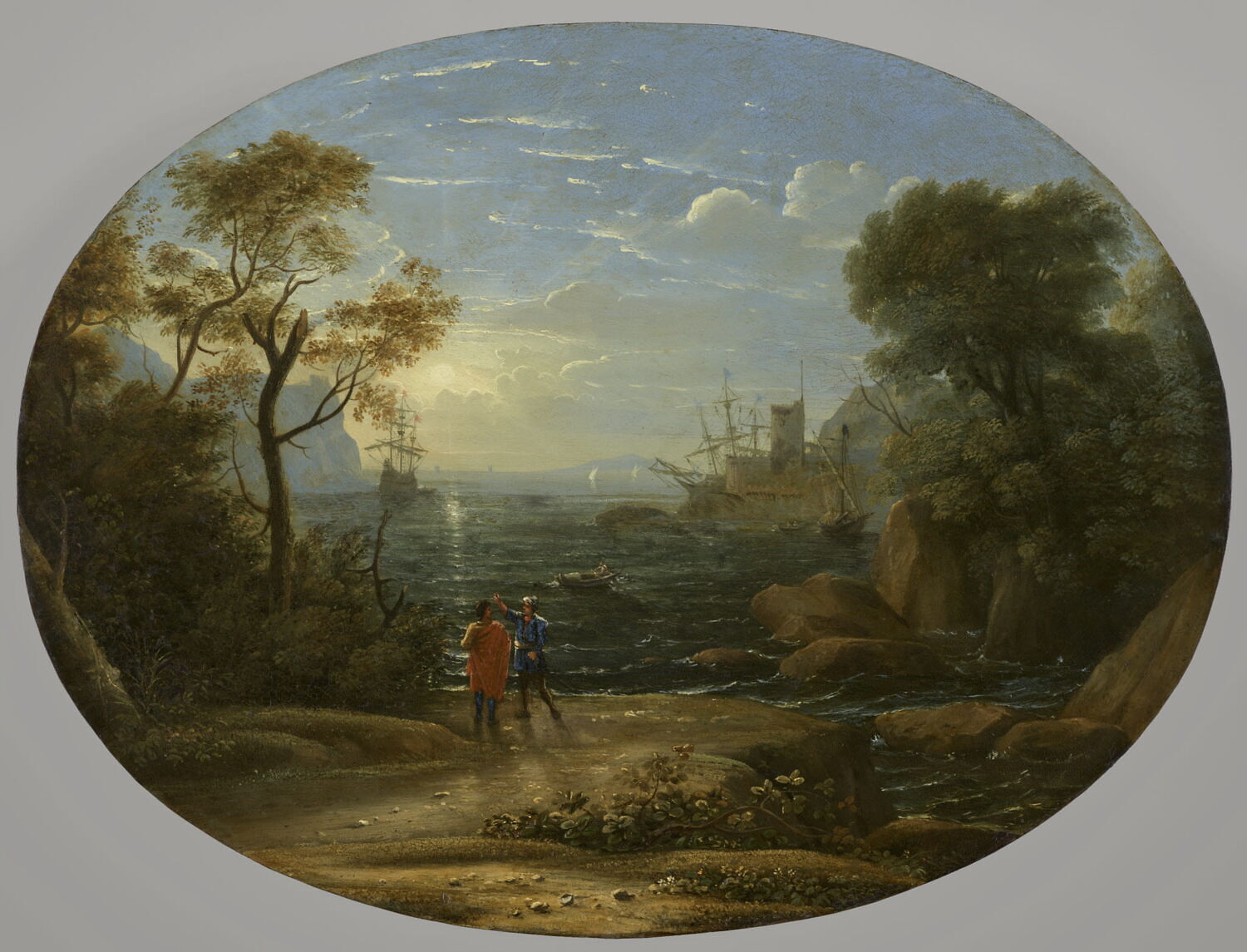
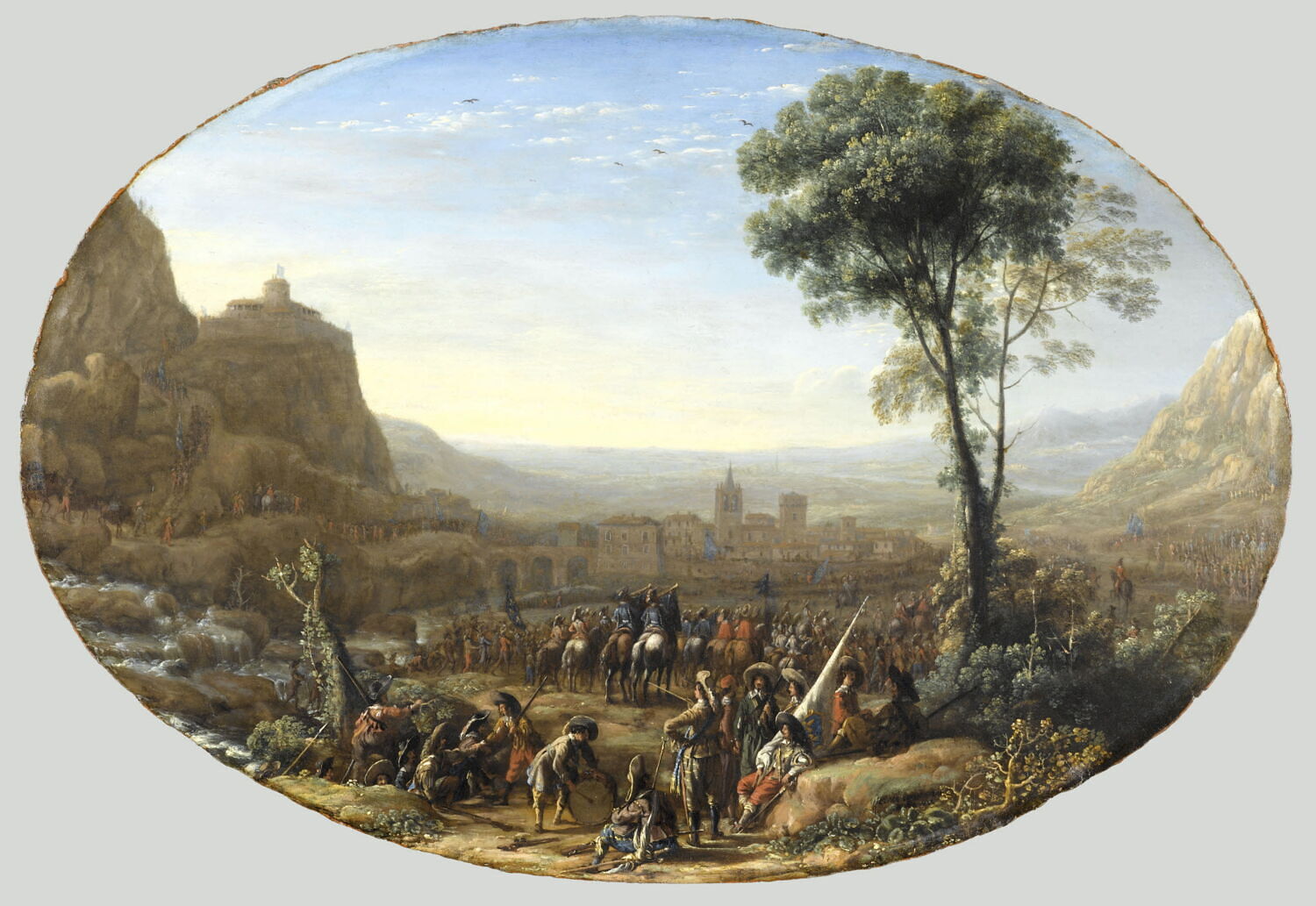
As a youth Claude had moved from Lorraine (in eastern France) to Rome, where he worked for the rest of his life. His paintings evoke an arcadia of shepherds and flocks, rustic dances, and episodes from myth, legend or the Old Testament, all bathed in a nostalgic golden light. Claude also made many sketches, such as this one, in the countryside around Rome.
Victoria and Albert Museum
Particulars
- Accession number
- CAI.1052
What it shows
In the catalog
Sources
- Victoria and Albert Museum
- Image: Victoria and Albert Museum — © Victoria and Albert Museum, London
Meanwhile, in the life of Claude Lorrain
The whole life1635–1638
Pope Urban VIII commissions four paintings
According to Baldinucci, Cardinal Guido Bentivoglio, impressed by the two landscapes Claude painted for him, recommended the artist to Pope Urban VIII; four paintings were made for the Pope in 1635–38, two large and two small on copper.
late 1630s
Italy’s leading landscapist, with large fees
By the end of the 1630s Claude was established as the leading landscapist in Italy and enjoyed large fees; his landscapes gradually became larger but with fewer figures, more carefully painted and produced at a lower rate.
1639
Philip IV commissions seven paintings
In 1639 Philip IV of Spain commissioned seven paintings from Claude, now in the Prado, among them two landscapes with hermits.
1642
Gives up etching for painting
Claude was a skilful etcher but gave up etching for good in 1642, choosing painting.
1650
Declines to head the Academy of Saint Luke
In 1650 Claude was offered the post of princeps (president) of the Academy but declined, preferring to work in peace.
1650
Moves to the Via Paolina
In 1650 Claude moved to a neighbouring house on the Via Paolina (today the Via del Babuino), where he lived until his death.