
British · 1771–1843
Joseph Gandy
Where to see Joseph Gandy: 30 works from 4 collections in our catalog; none reported on view today.
Joseph Gandy (1771–1843), a British architect and painter, was born in London and died in Plympton. About 29 of his drawings and watercolours are in Cooper Hewitt, the Yale Center for British Art, the V&A and the Metropolitan Museum. Many are architectural designs: elevations of a farm house from 1794–1797, a Tudoresque country house and the south front of the Miller's Cottage at Chatsworth. Others are imaginative, a scene in ancient Rome as a setting for Titus Andronicus (about 1830) and a landscape with the rising sun at 8:30 on the morning of 1 December 1828. One is on view.
- 30in the catalog
- 0on view now
- 4collections
- 2countries
Questions
- Which museum has the most works by Joseph Gandy?
- Victoria and Albert Museum has the most in our catalog: 23 works.
- How many works by Joseph Gandy are in museum collections?
- Works in our catalog: 30. Museum collections: 4. Countries: 2.
- When did Joseph Gandy live?
- Born in 1771. Died in 1843. Nationality: British.

The Miller's Cottage at Chatsworth: South Front Elevation
undated · Yale Center for British Art

Design for a Tudoresque Country House
undated · Yale Center for British Art

Design for a Farm House. Elevations of Two Fronts
between 1794 and 1797 · Yale Center for British Art
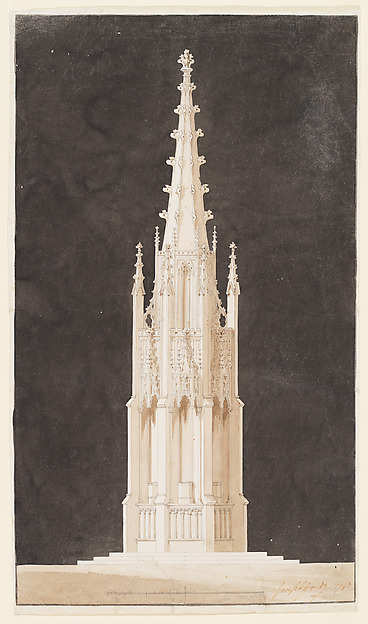
Spired Gothic Monument
1797 (?) · Not on view · The Metropolitan Museum of Art
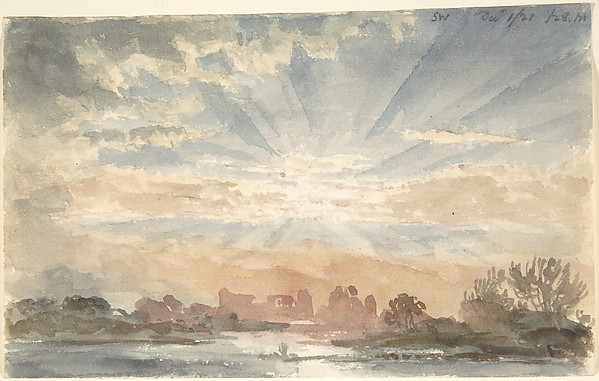
Landscape with rising sun, December 1, 1828, 8:30 a.m.
1828 · Not on view · The Metropolitan Museum of Art

A Scene in Ancient Rome: A Setting for Titus Andronicus, I, ii
ca. 1830 · Yale Center for British Art
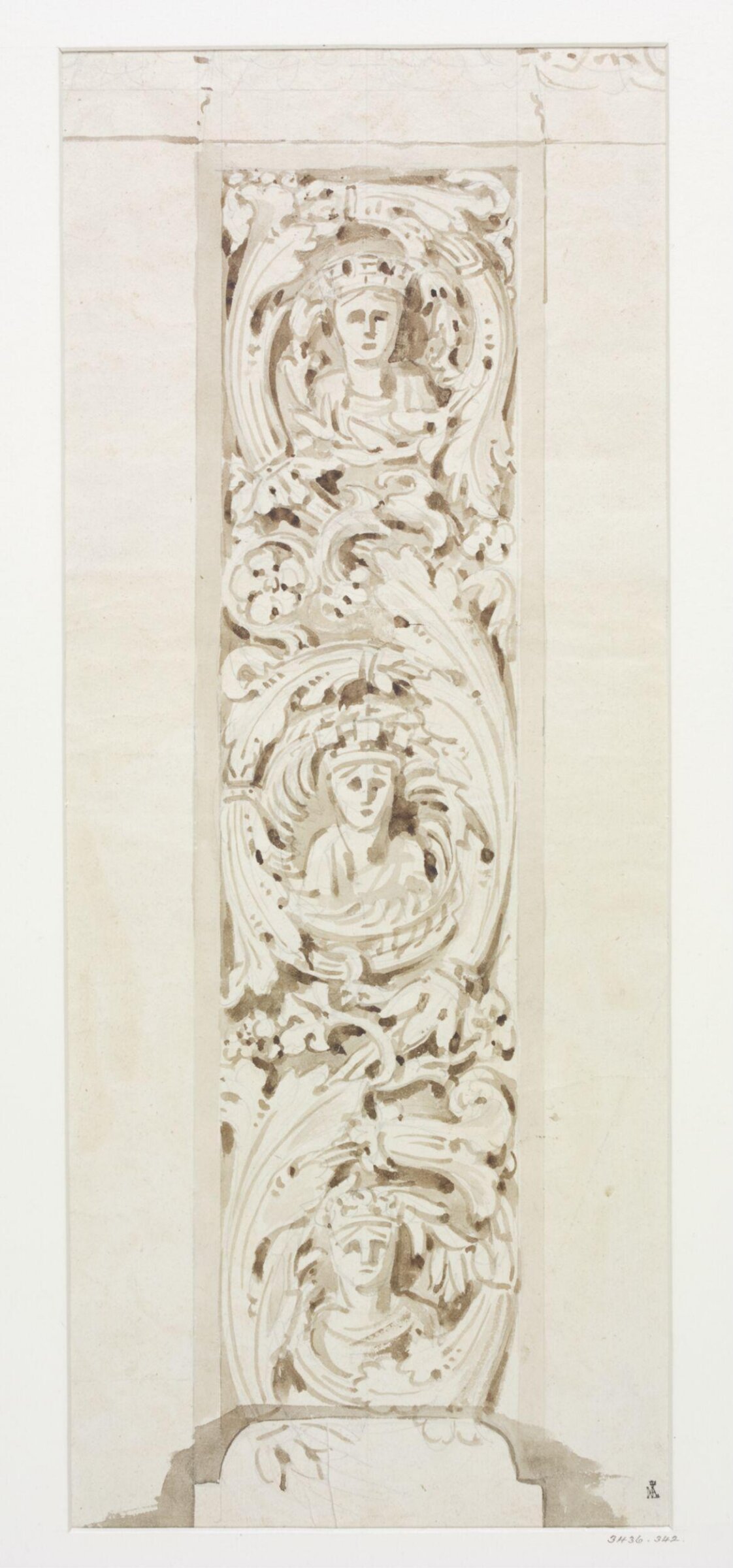
Drawing
c. 1791-1843 · Not on view · Victoria and Albert Museum
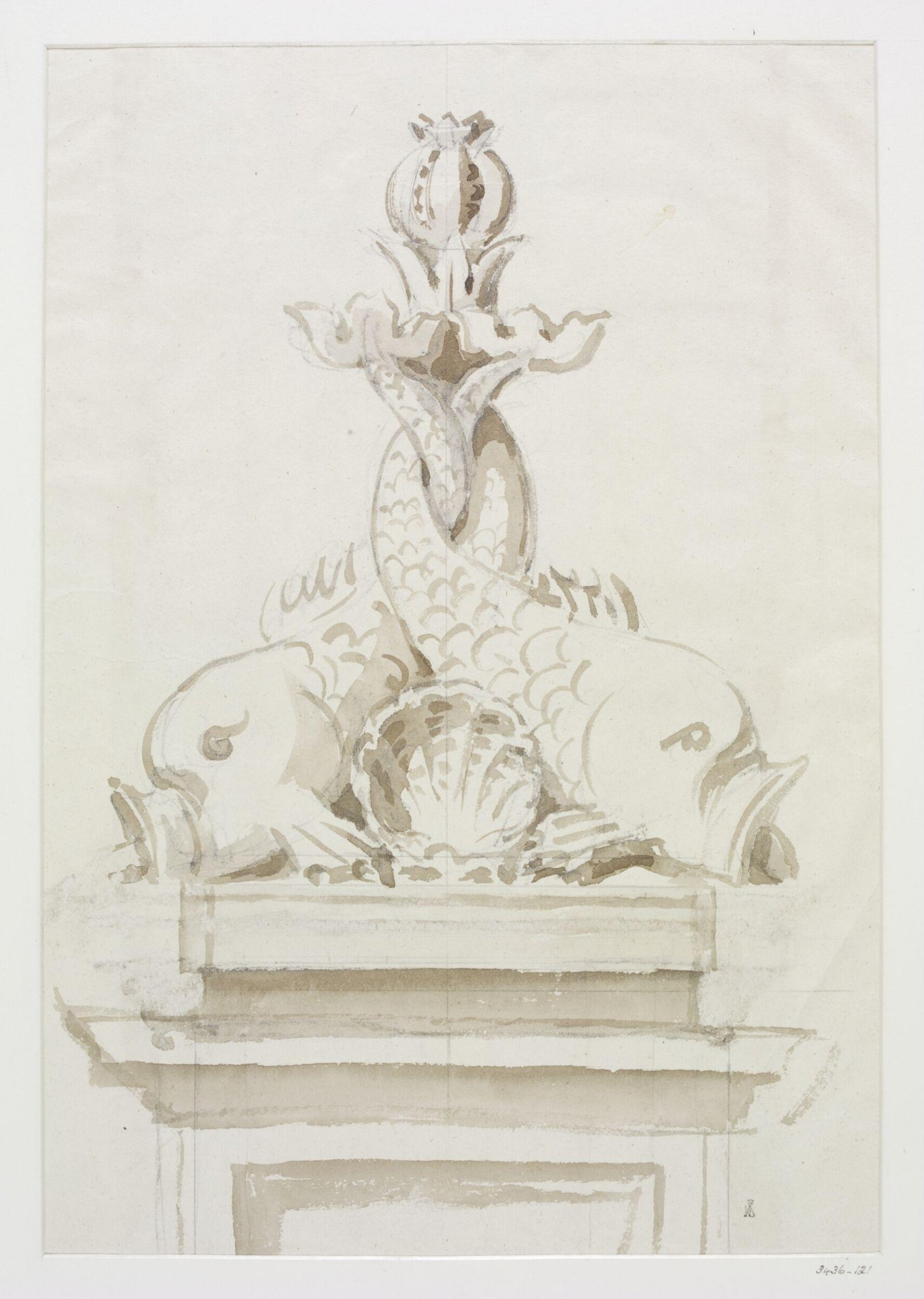
Drawing
c. 1791-1843 · Not on view · Victoria and Albert Museum
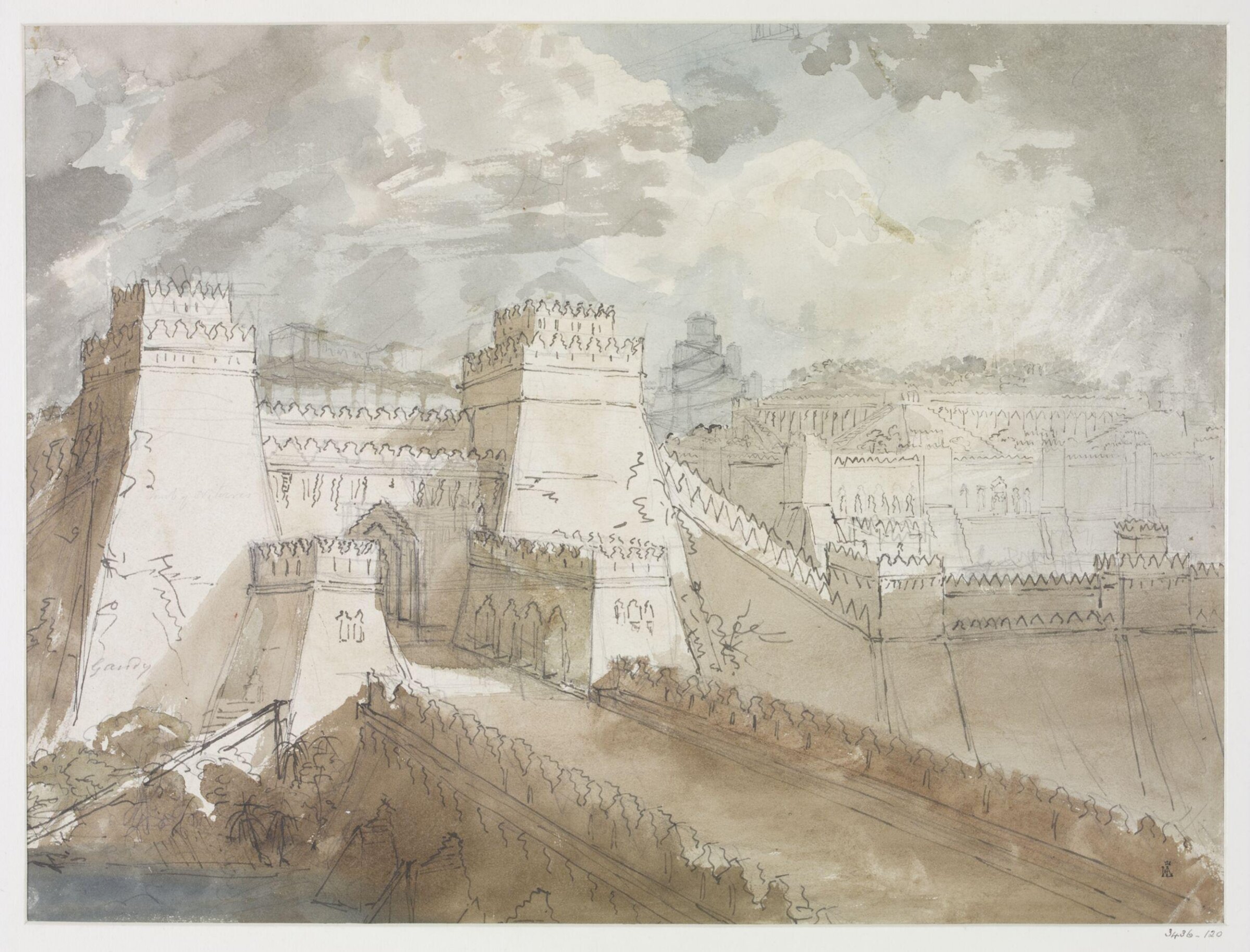
Drawing
c. 1791-1843 · Not on view · Victoria and Albert Museum
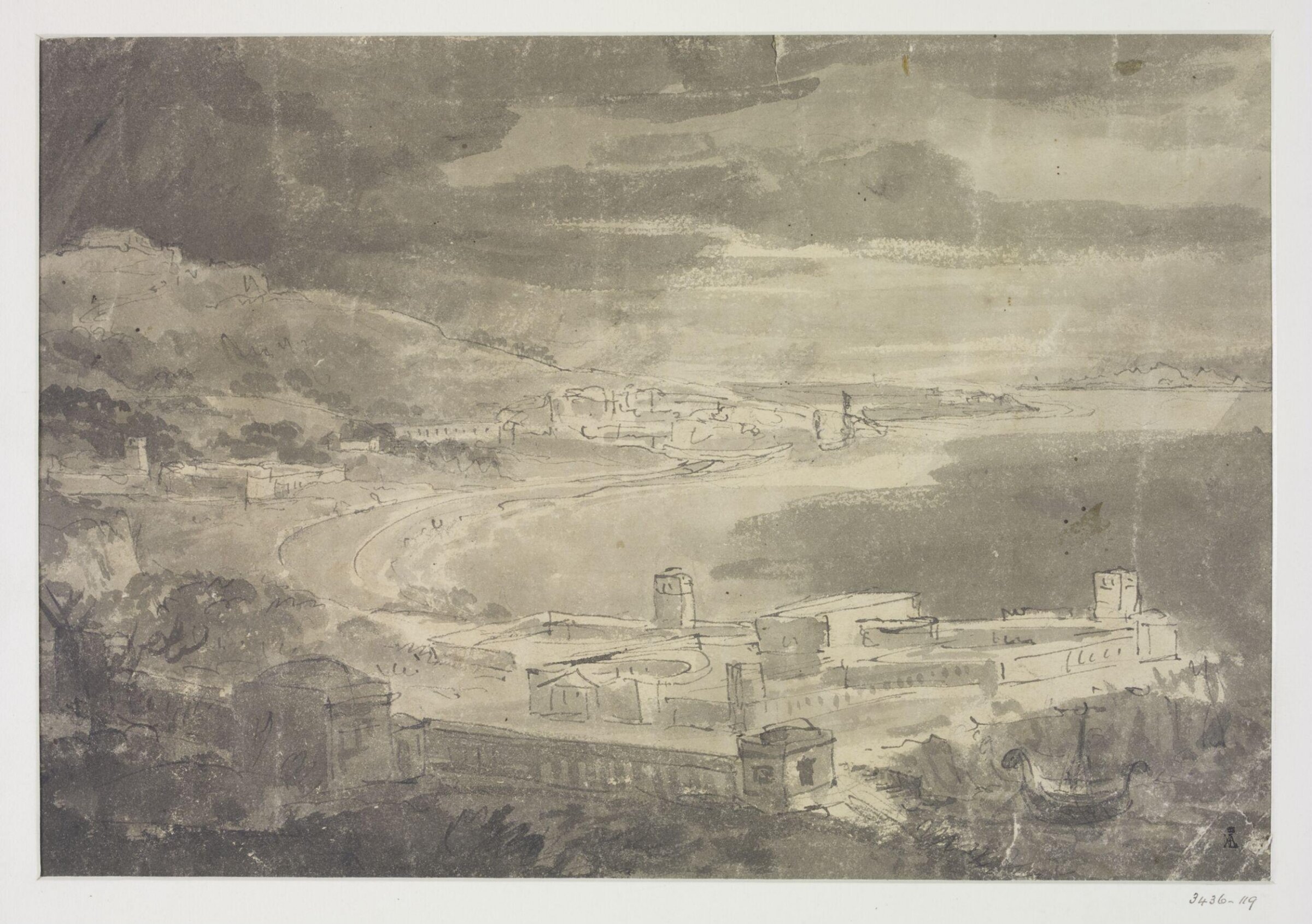
Drawing
c. 1791-1843 · Not on view · Victoria and Albert Museum
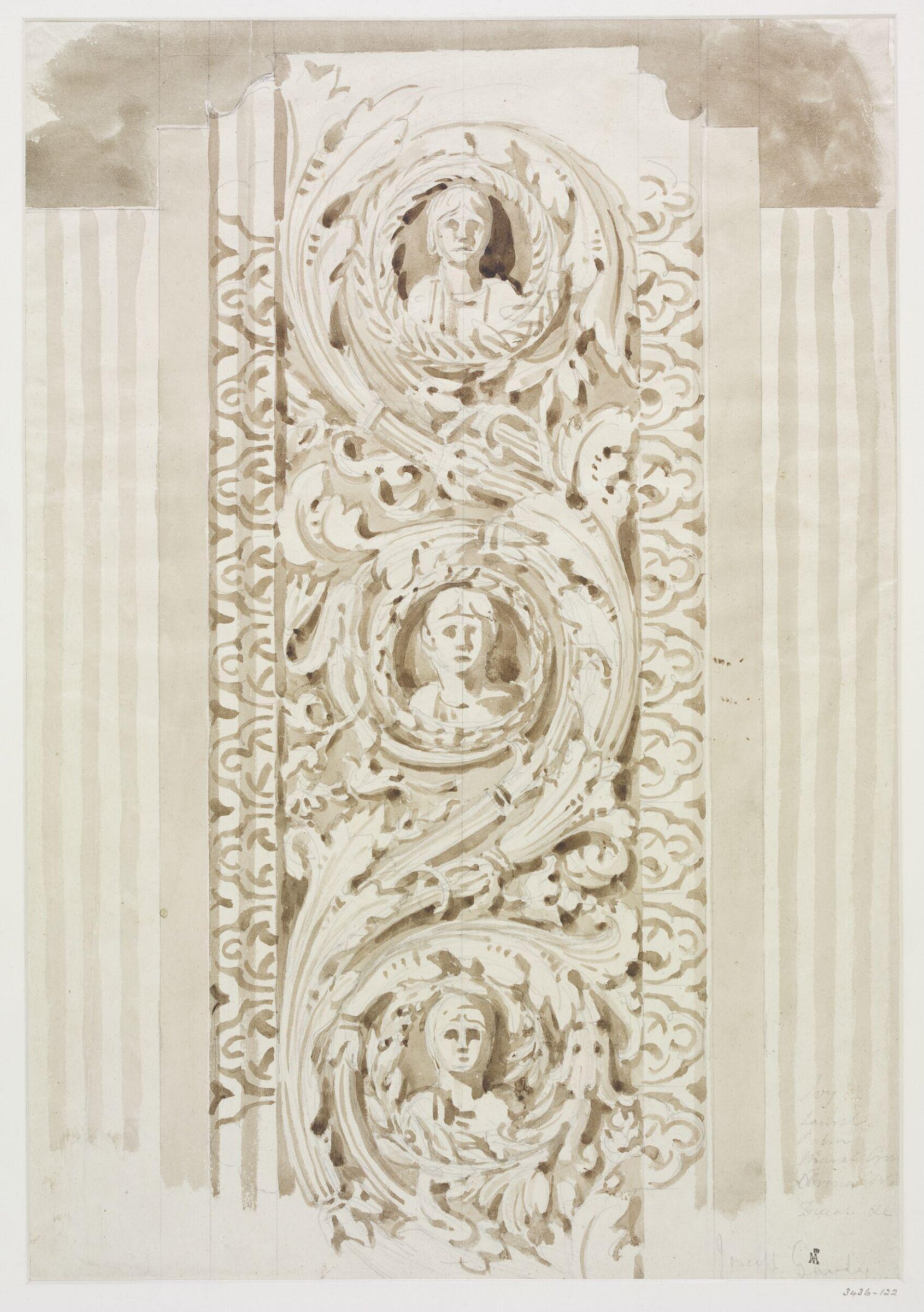
Drawing
c. 1791-1843 · Not on view · Victoria and Albert Museum
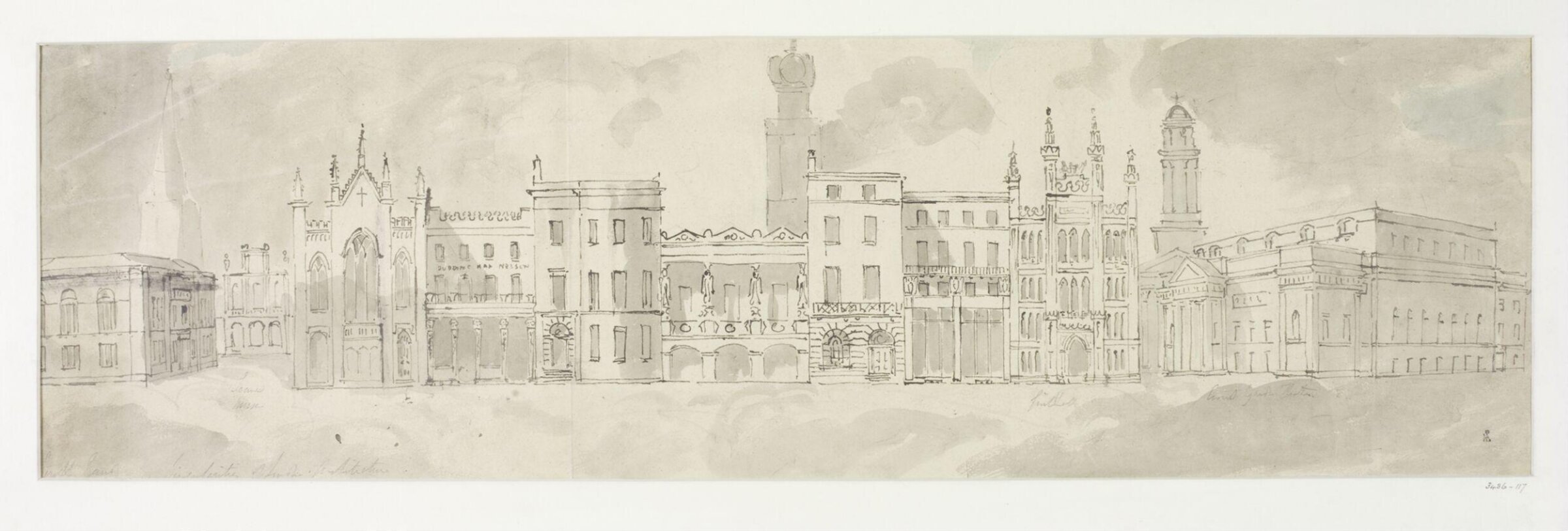
Drawing
c. 1791-1843 · Not on view · Victoria and Albert Museum
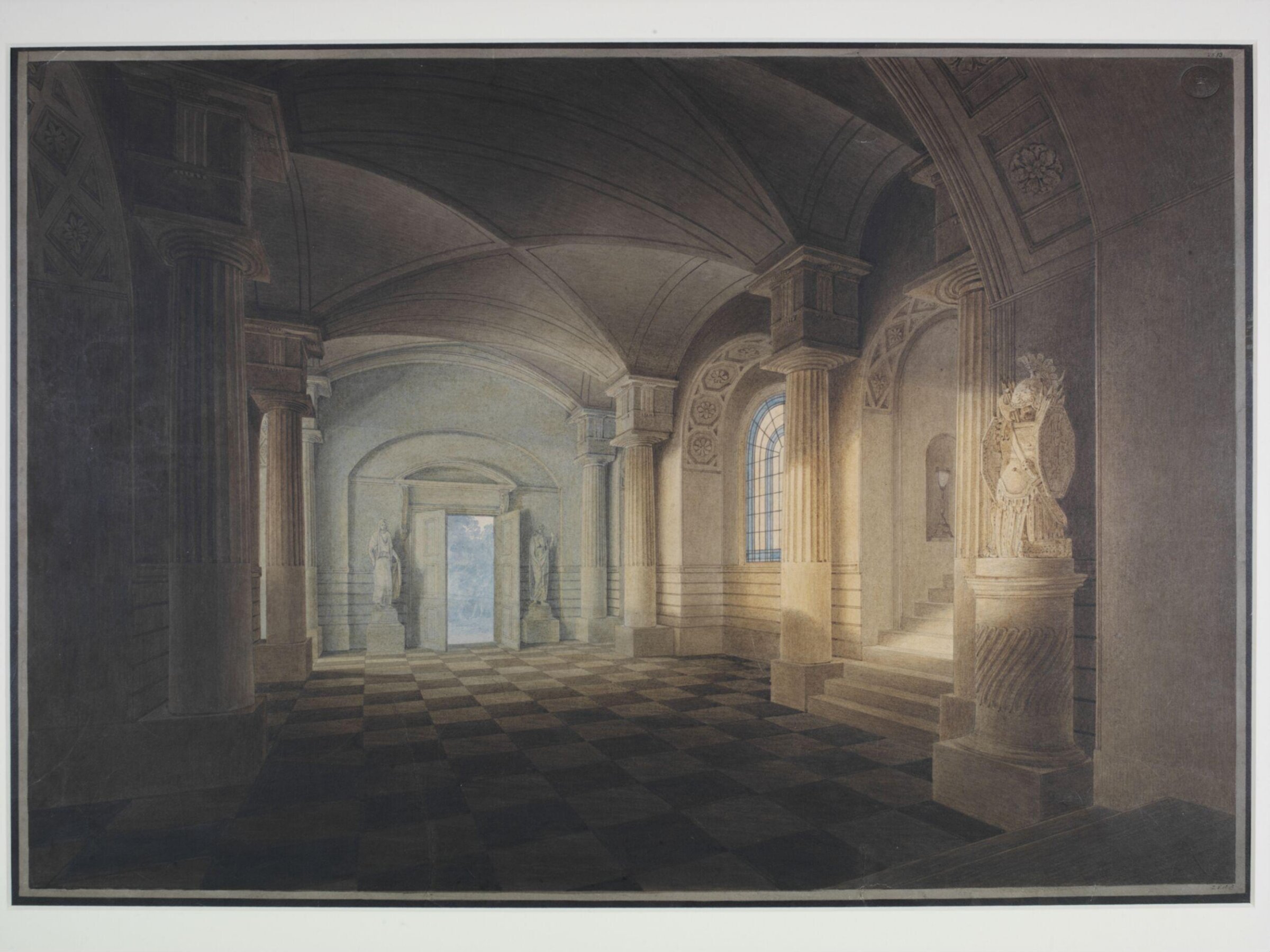
Watercolour painting
Not on view · Victoria and Albert Museum
Two Plans and Elevations for a Neoclassical Triumphal Arch
May 27, 1795 · Cooper Hewitt, Smithsonian Design Museum
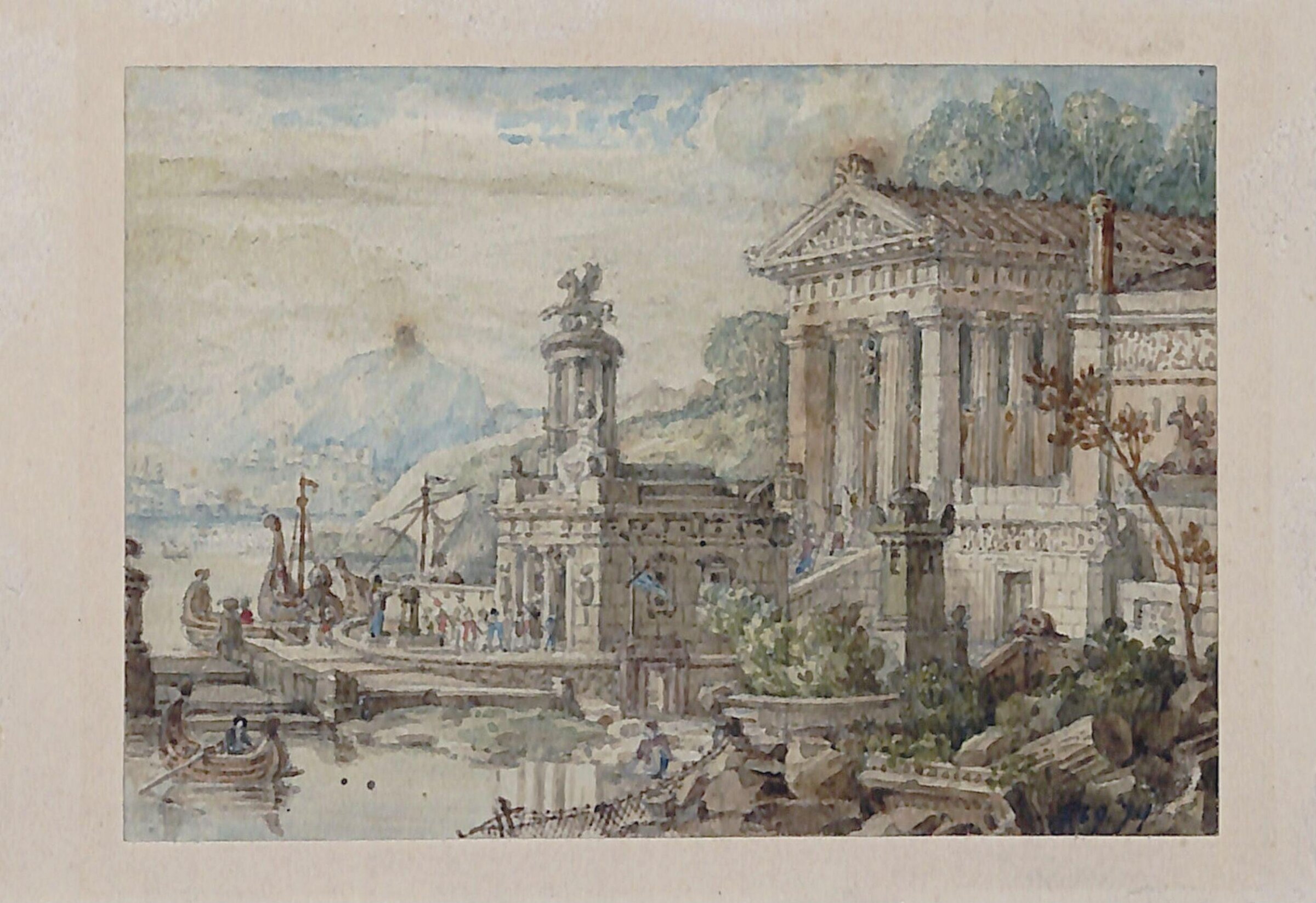
A Temple of Victory
ca. 1800-1843 · Not on view · Victoria and Albert Museum
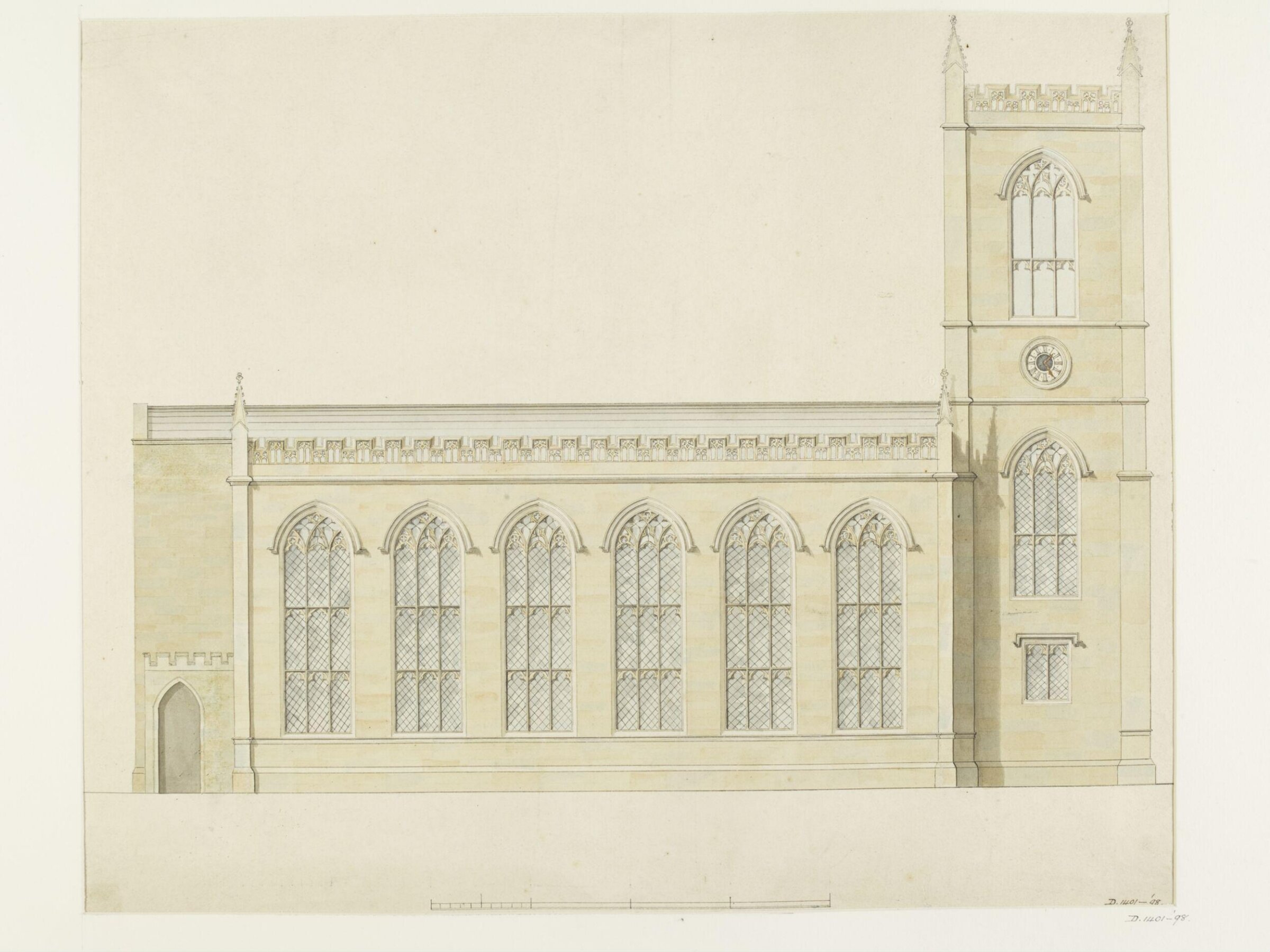
Drawing
1810 · Not on view · Victoria and Albert Museum
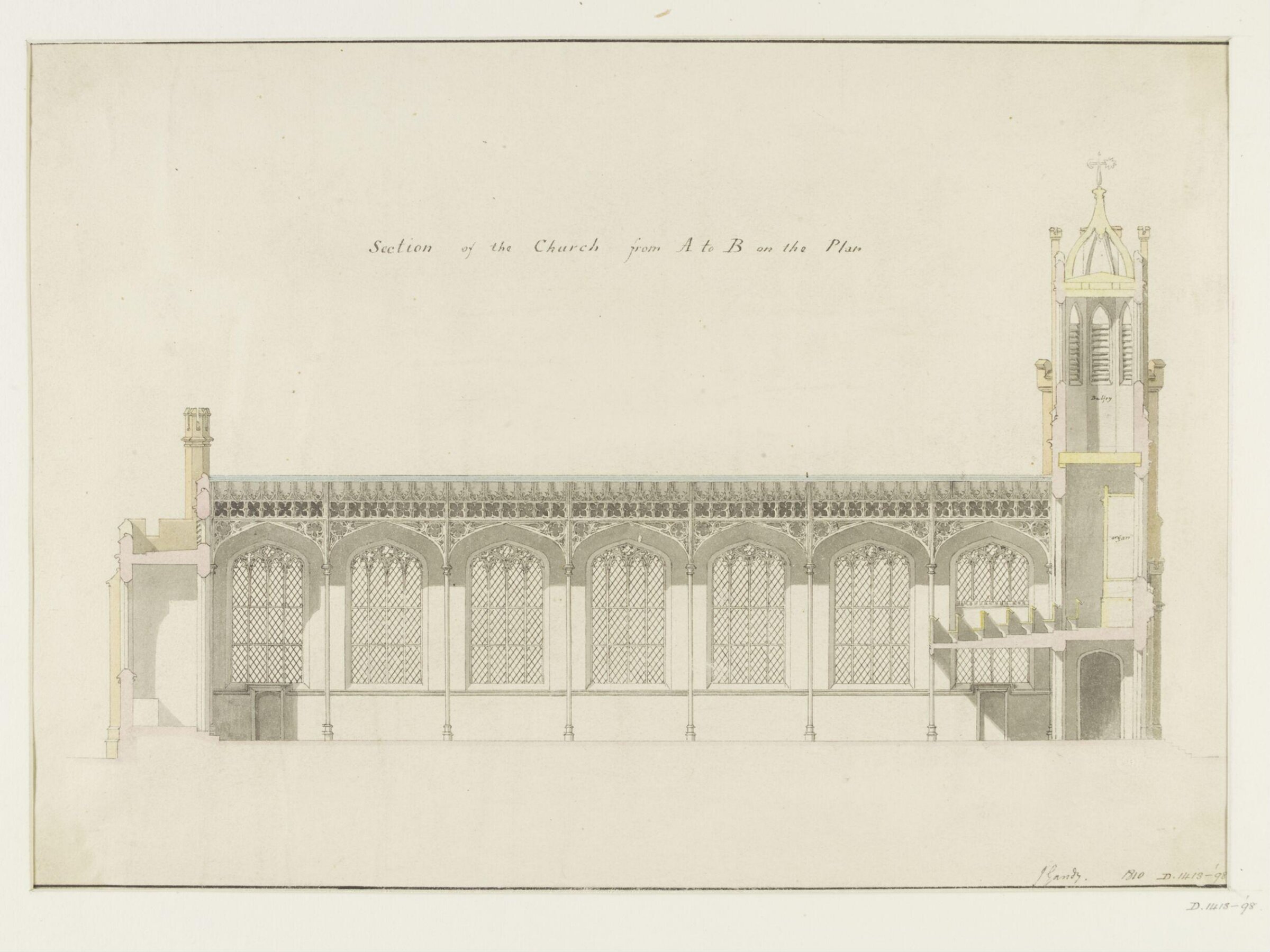
Drawing
1810 · Not on view · Victoria and Albert Museum
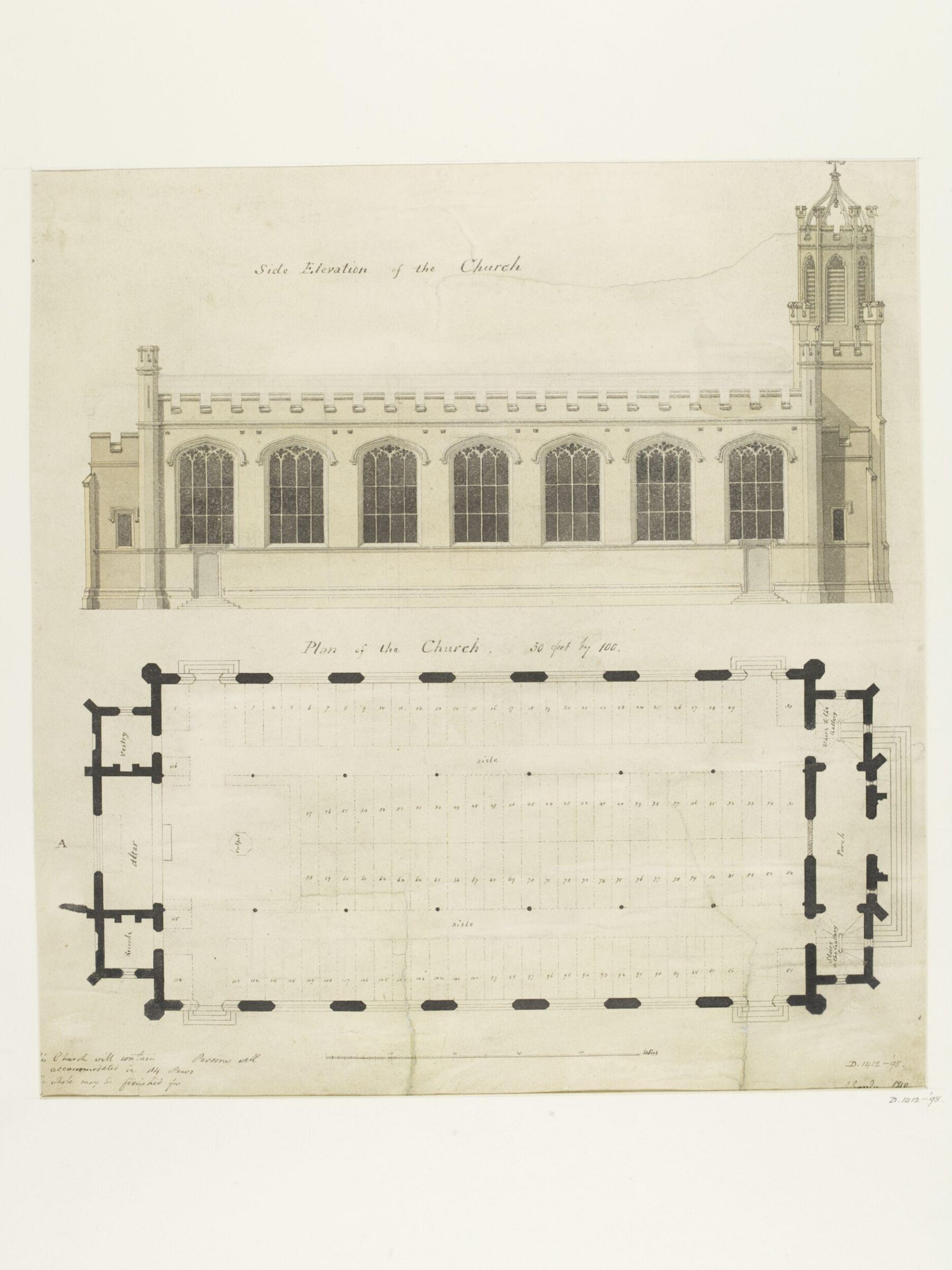
Drawing
1810 · Not on view · Victoria and Albert Museum
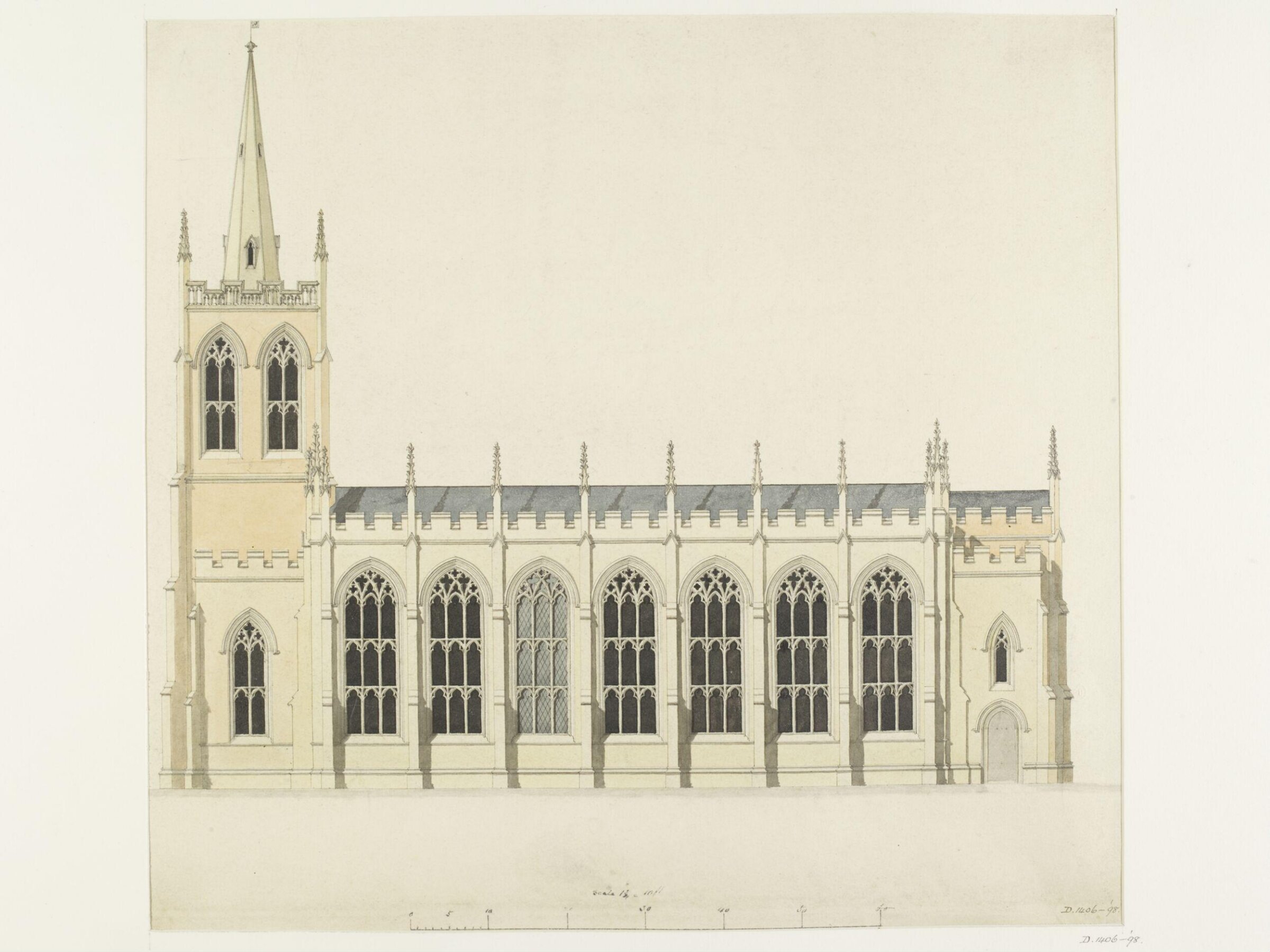
Drawing
1810 · Not on view · Victoria and Albert Museum
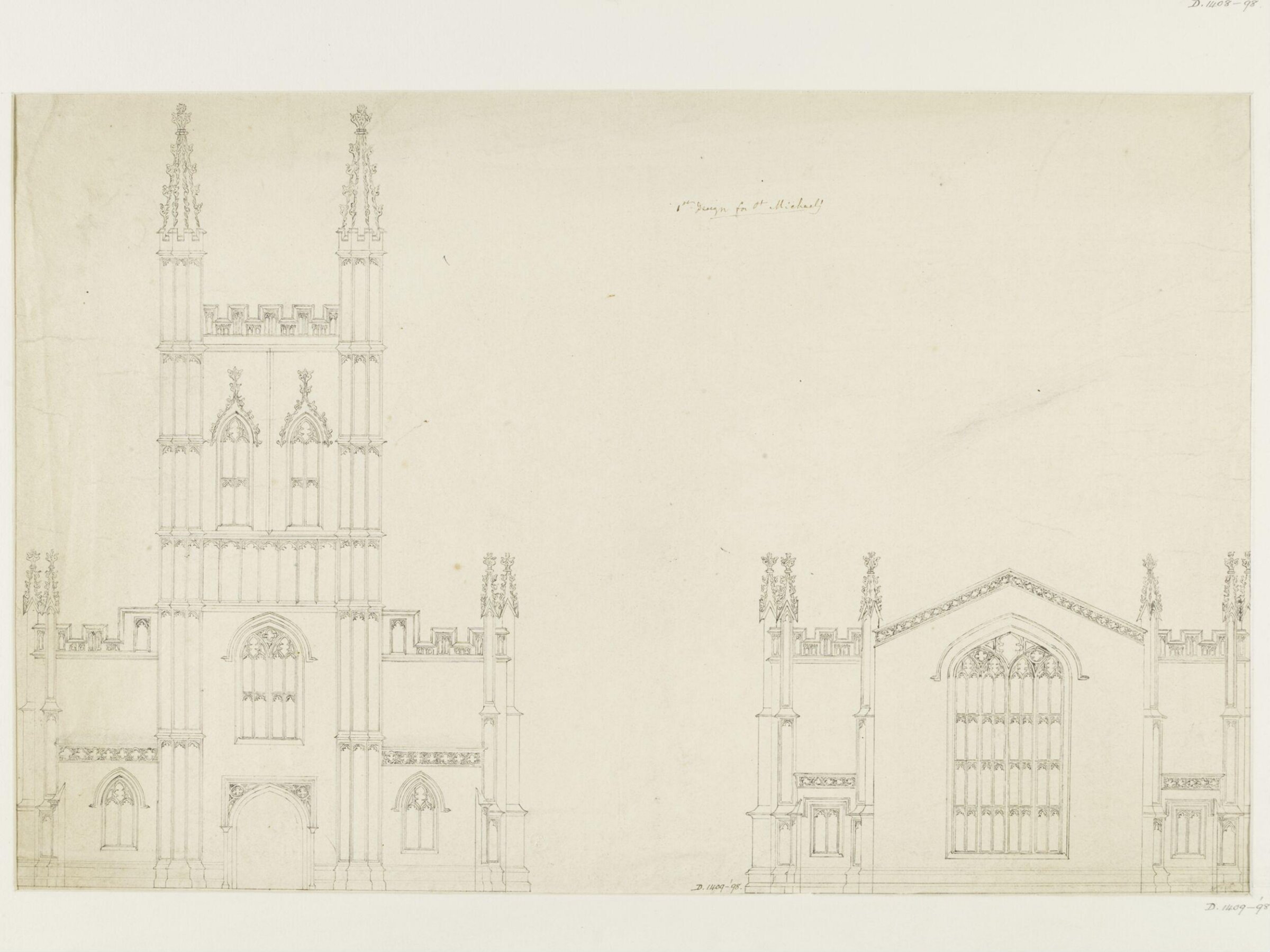
Drawing
1810 · Not on view · Victoria and Albert Museum
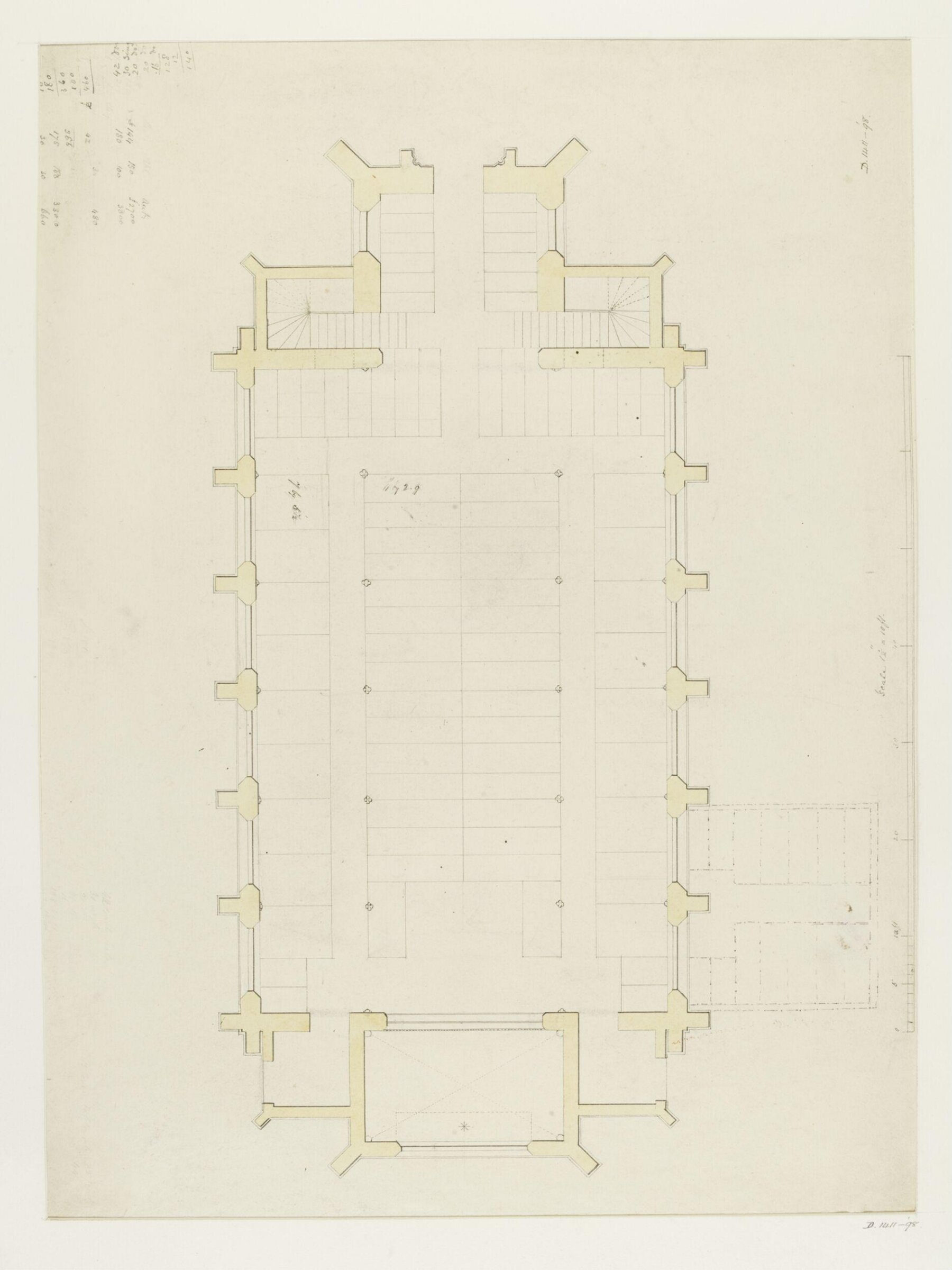
Drawing
1810 · Not on view · Victoria and Albert Museum
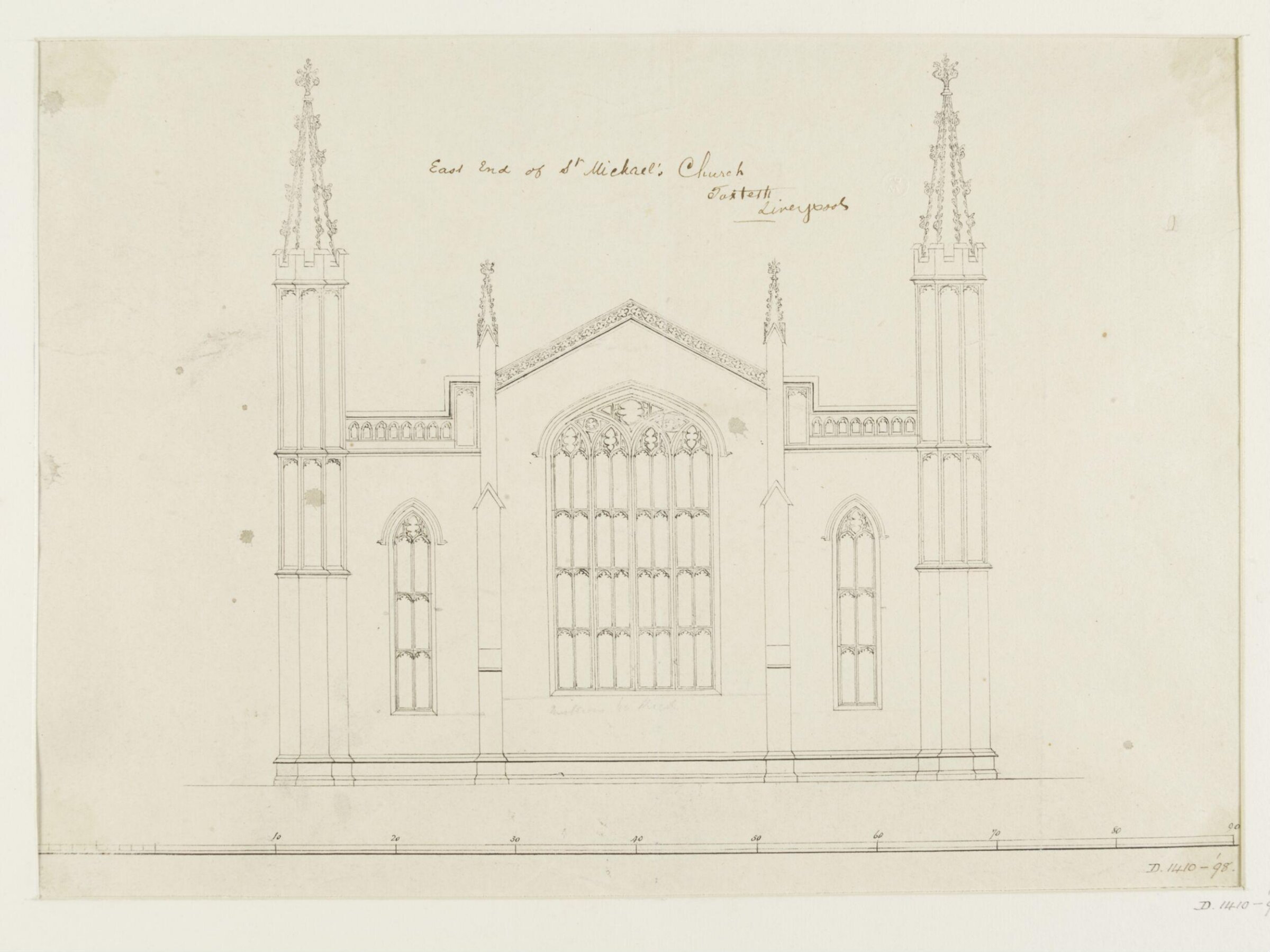
Drawing
1810 · Not on view · Victoria and Albert Museum
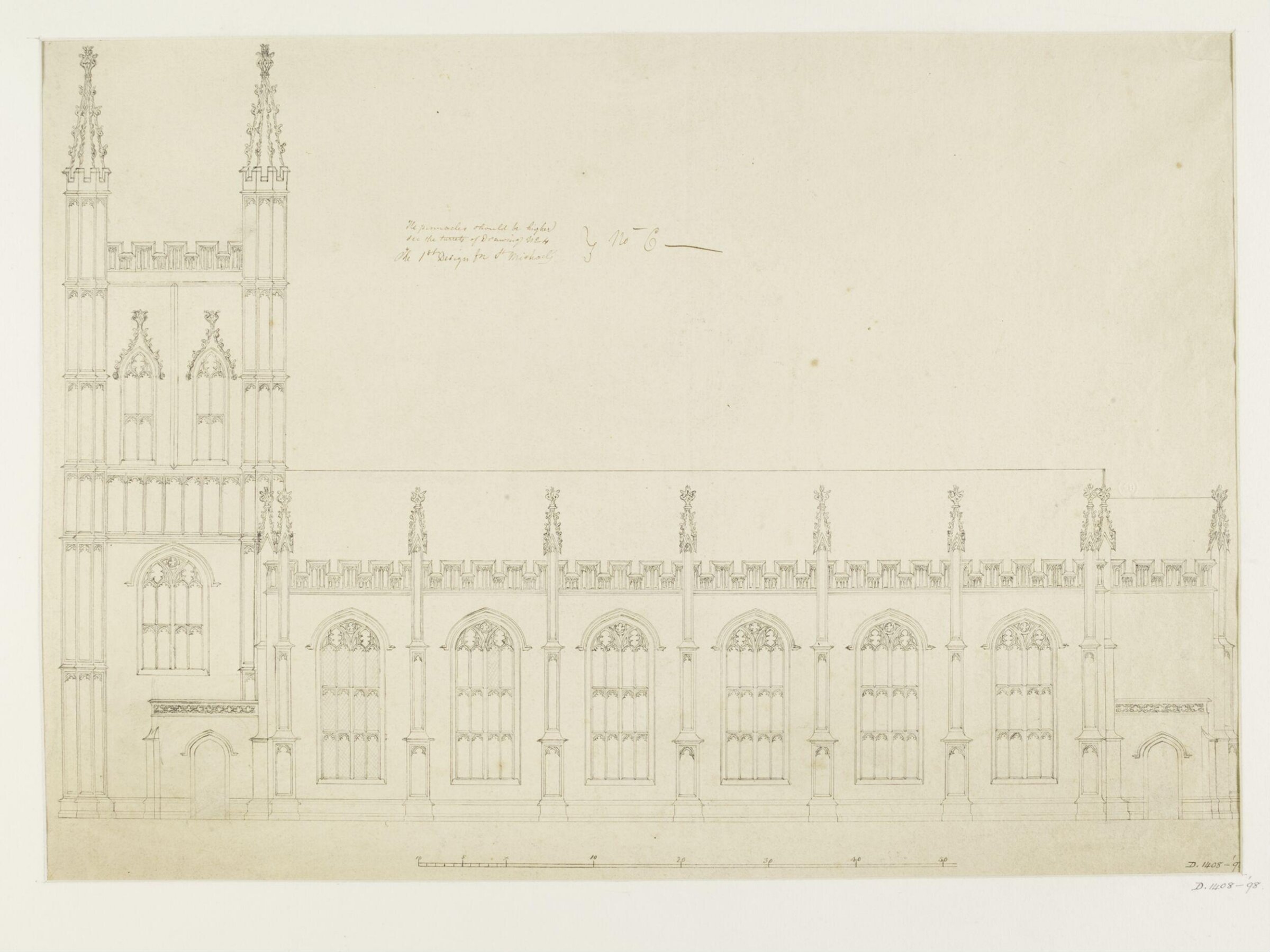
Drawing
1810 · Not on view · Victoria and Albert Museum
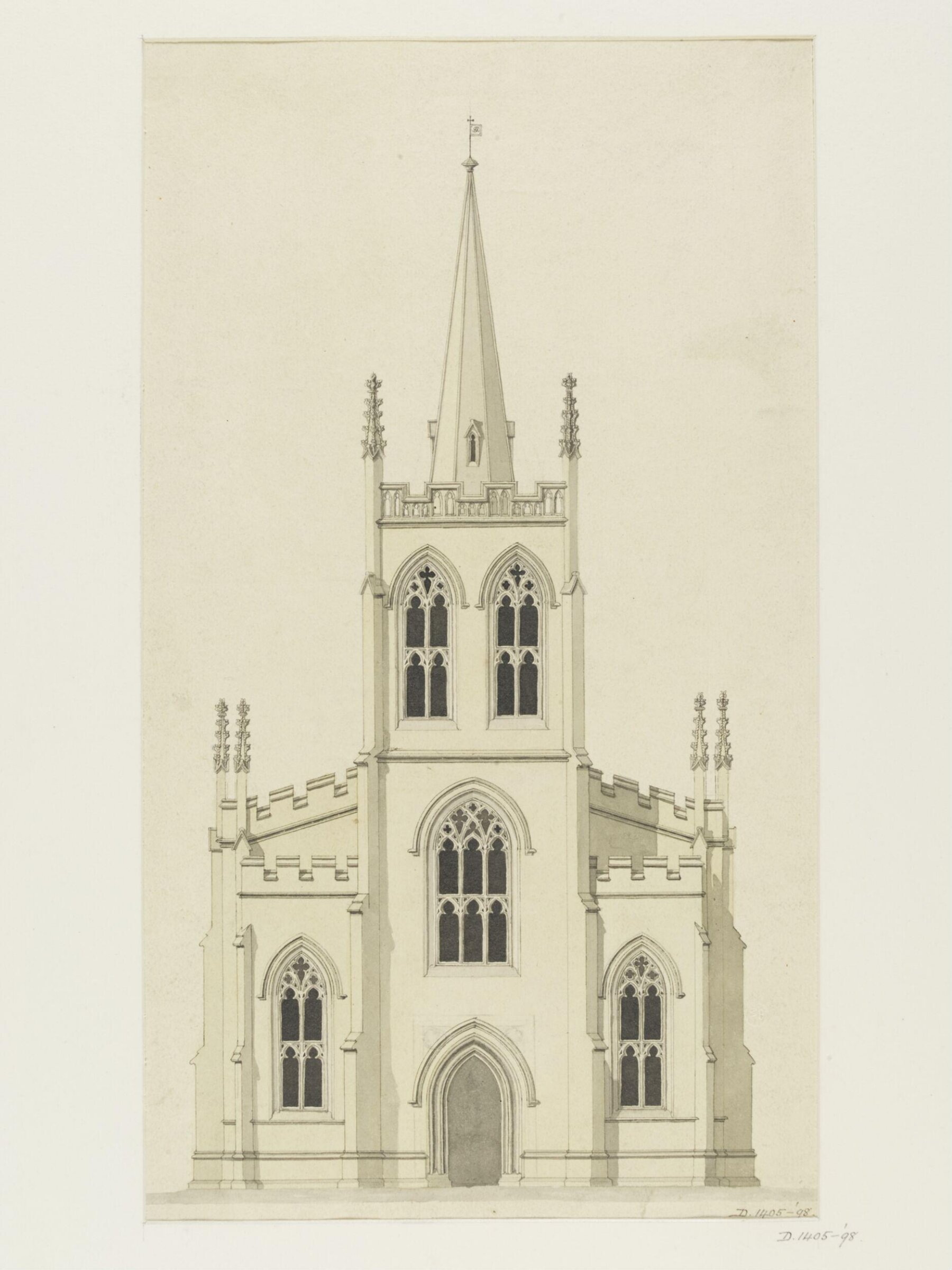
Drawing
1810 · Not on view · Victoria and Albert Museum
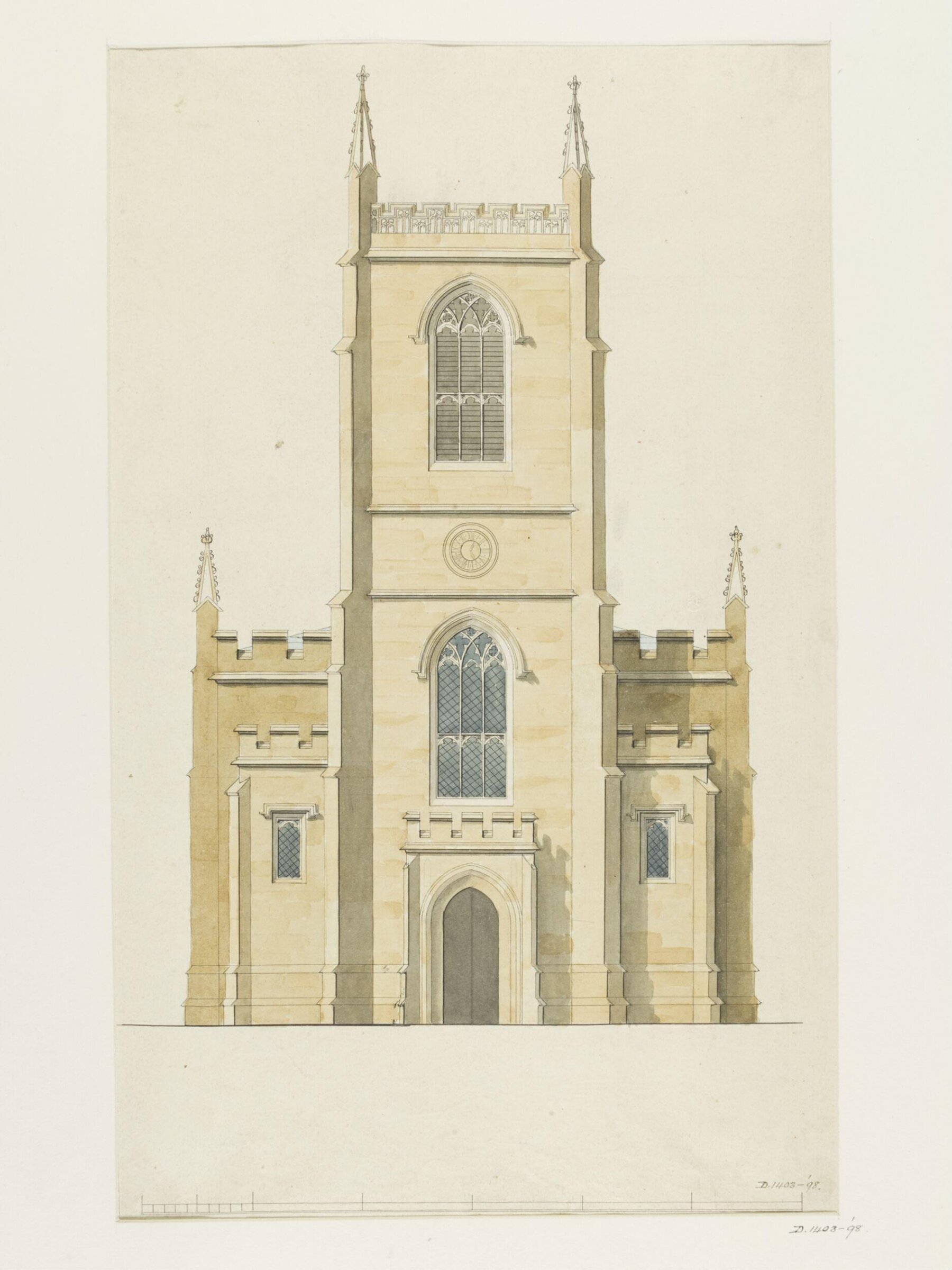
Drawing
1810 · Not on view · Victoria and Albert Museum
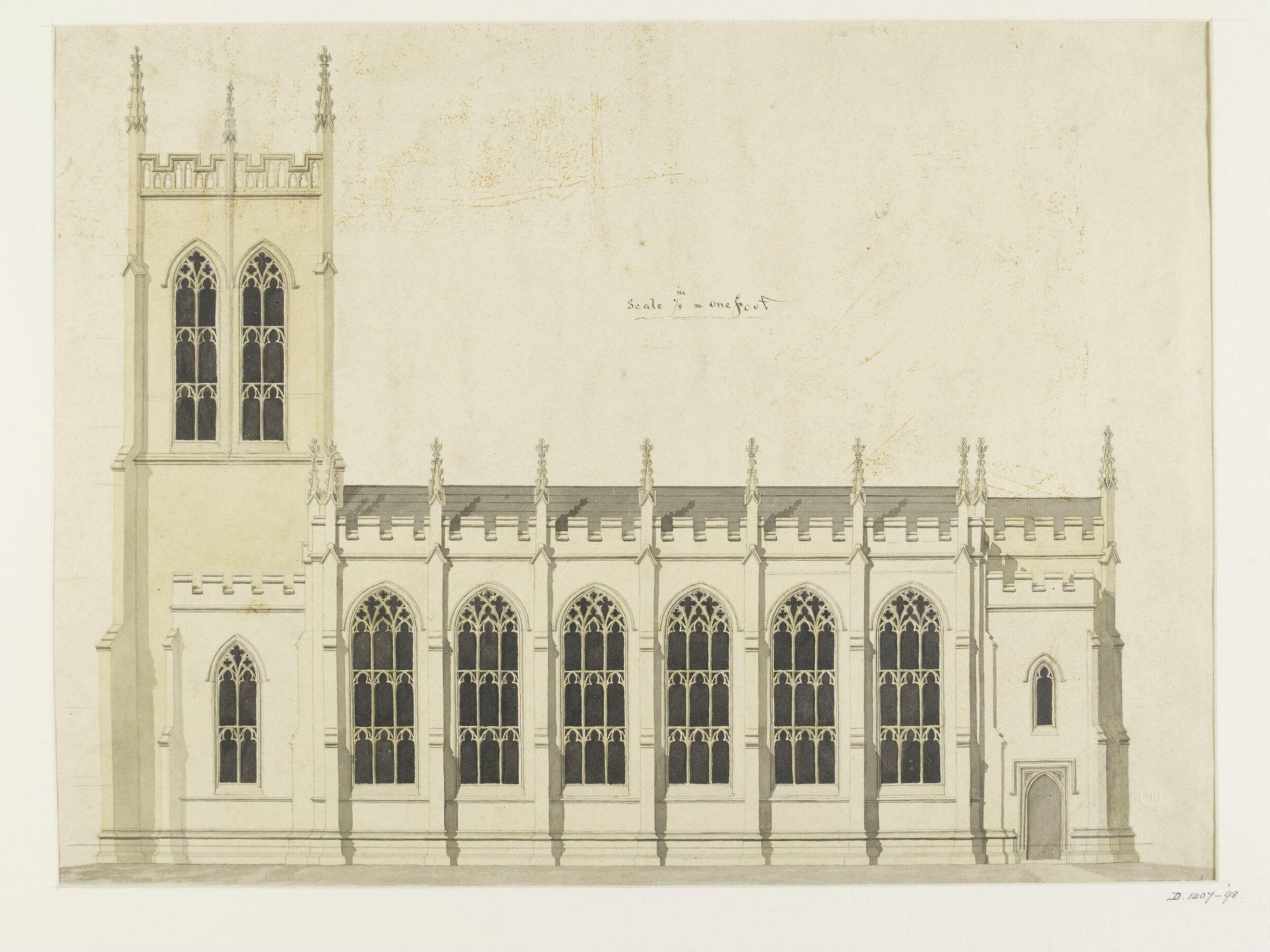
Drawing
1810 · Not on view · Victoria and Albert Museum
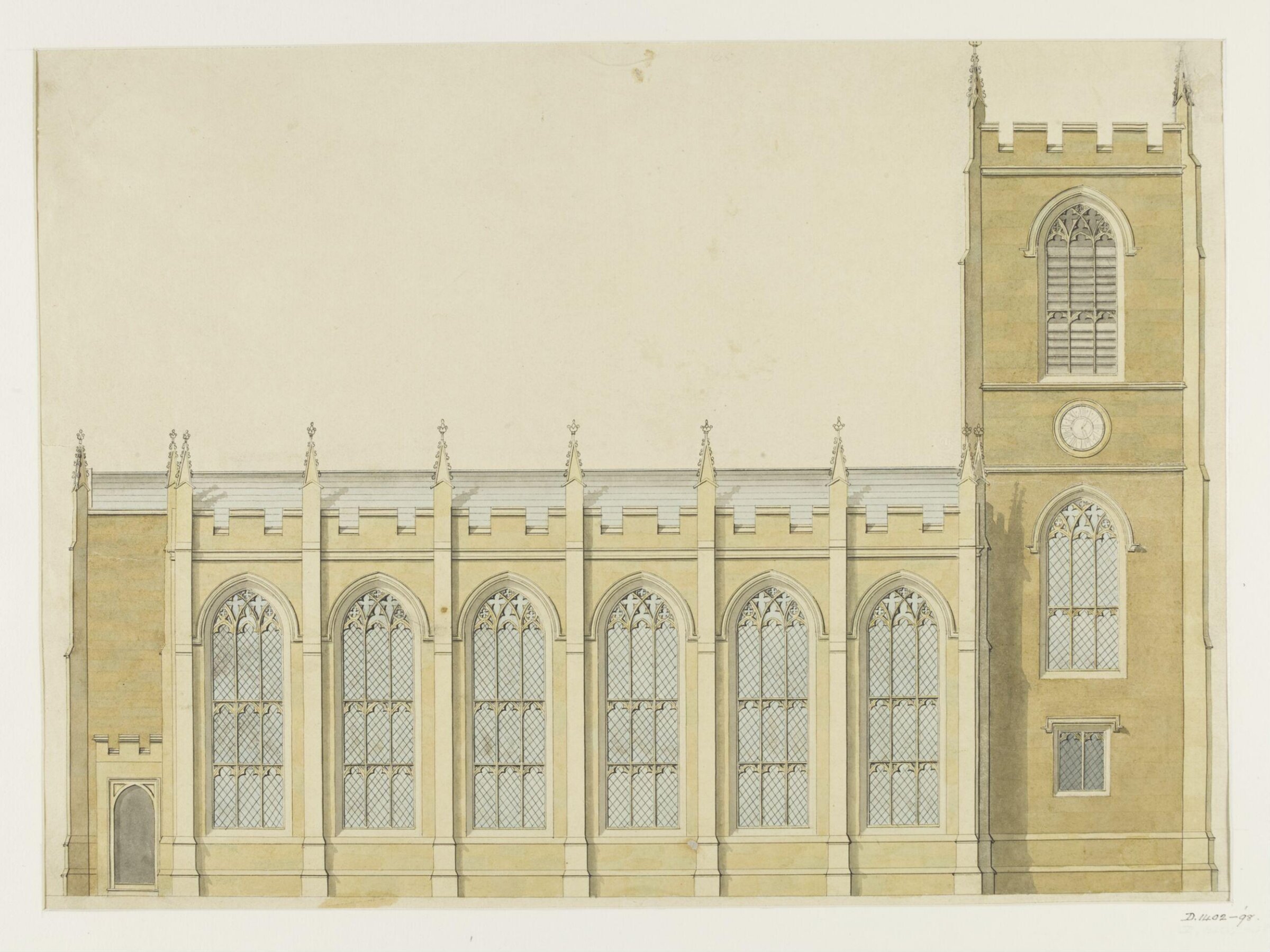
Drawing
1810 · Not on view · Victoria and Albert Museum
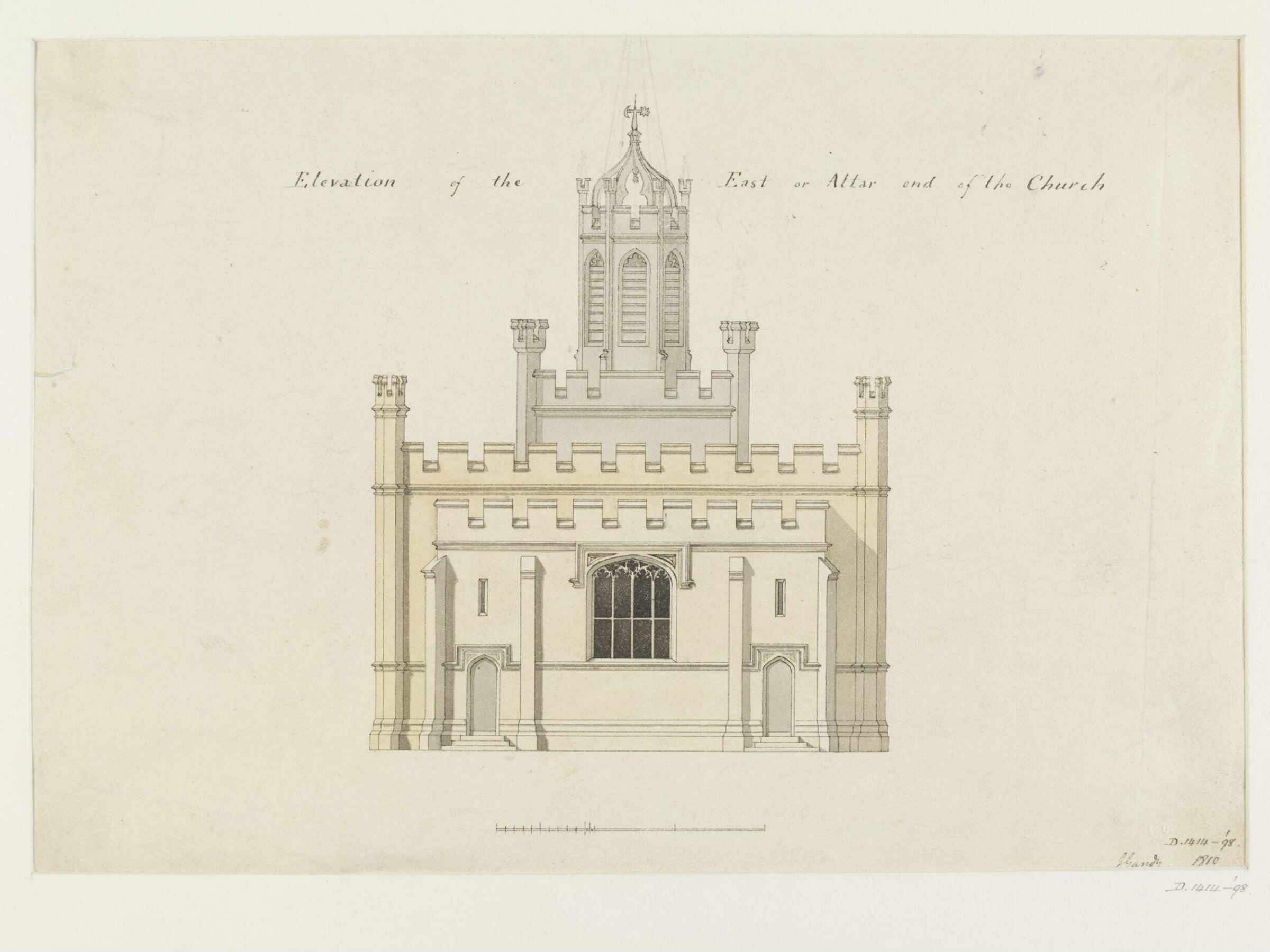
Drawing
1810 · Not on view · Victoria and Albert Museum
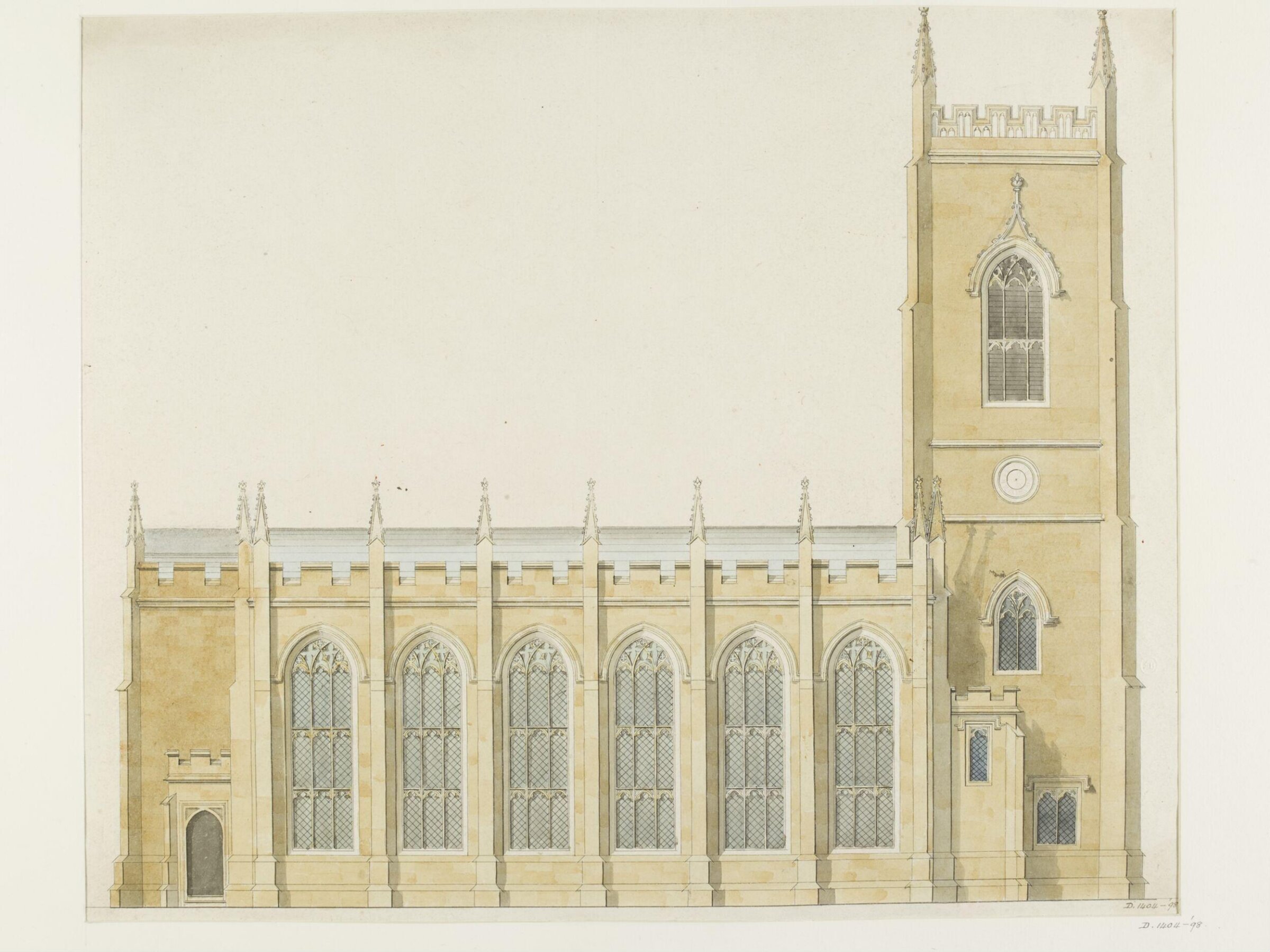
Drawing
1810 · Not on view · Victoria and Albert Museum
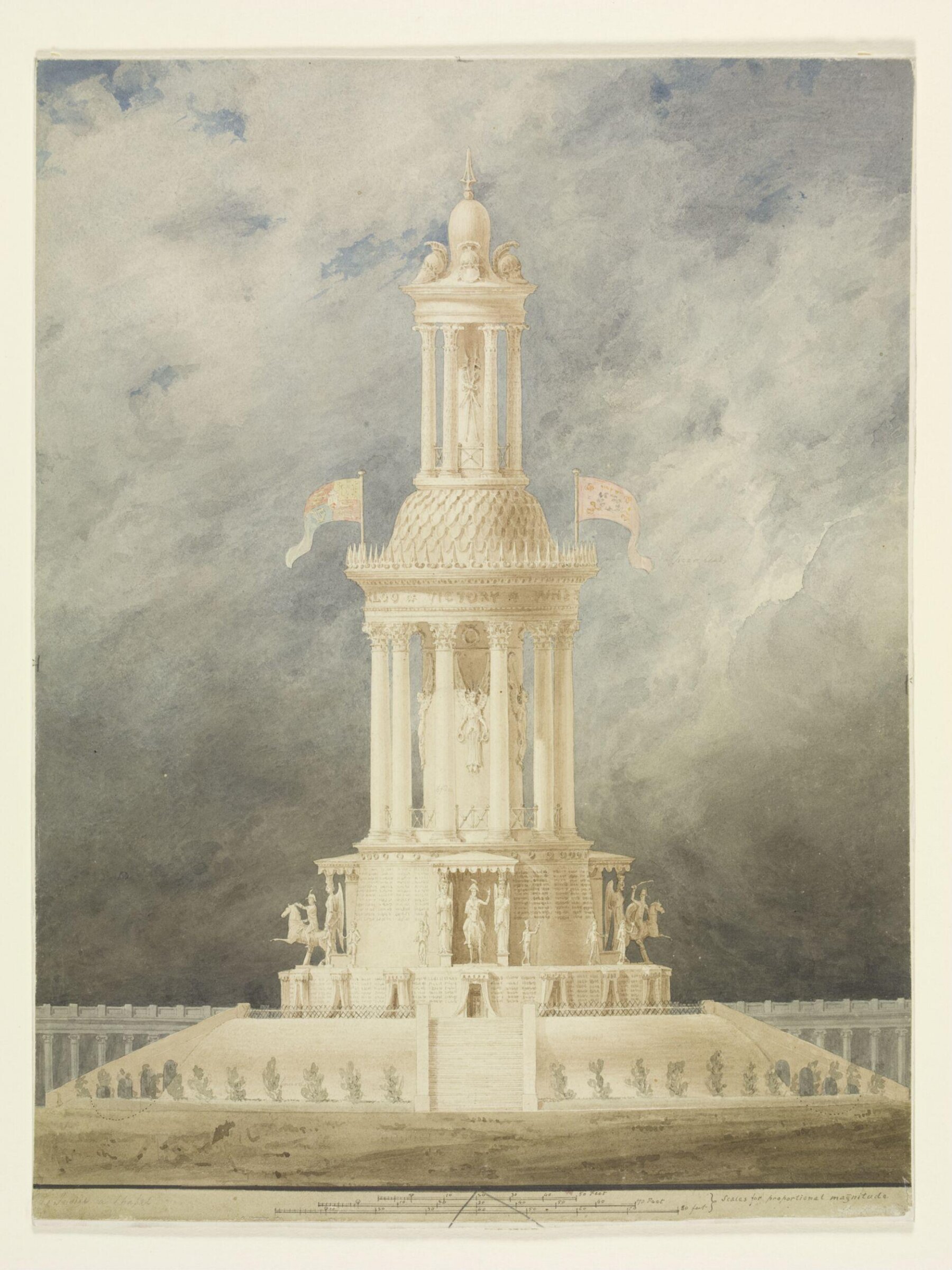
Design for a military monument celebrating British victory after the Battle of Waterloo
ca. 1815 · Not on view · Victoria and Albert Museum