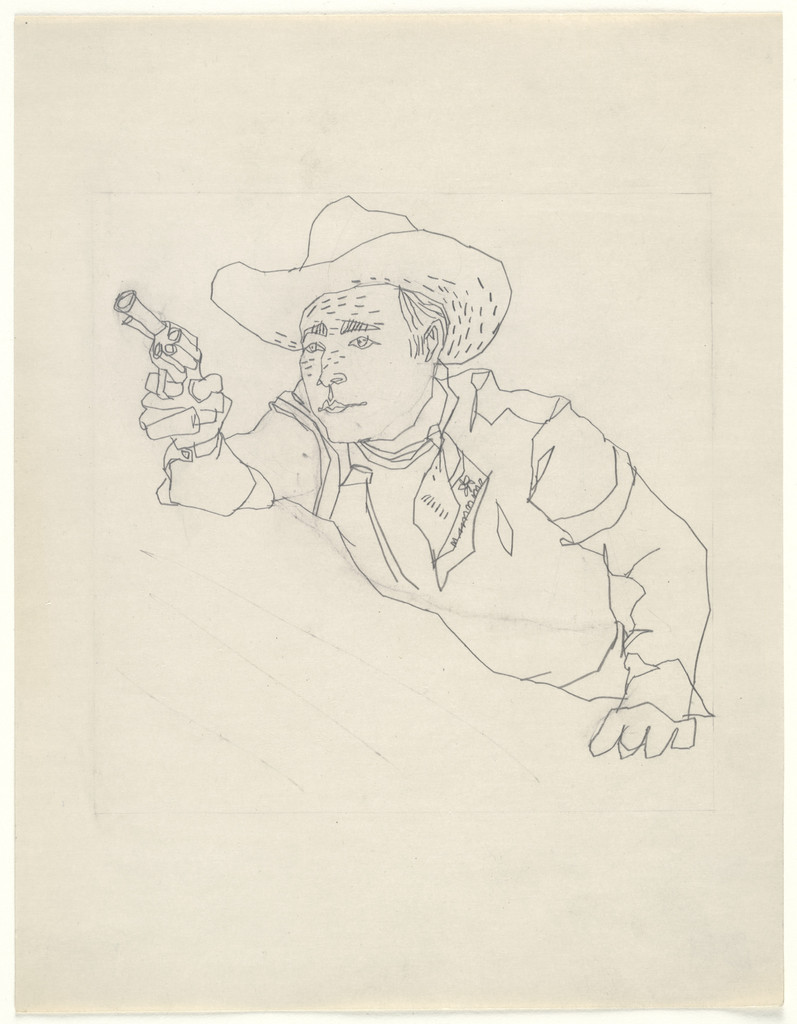
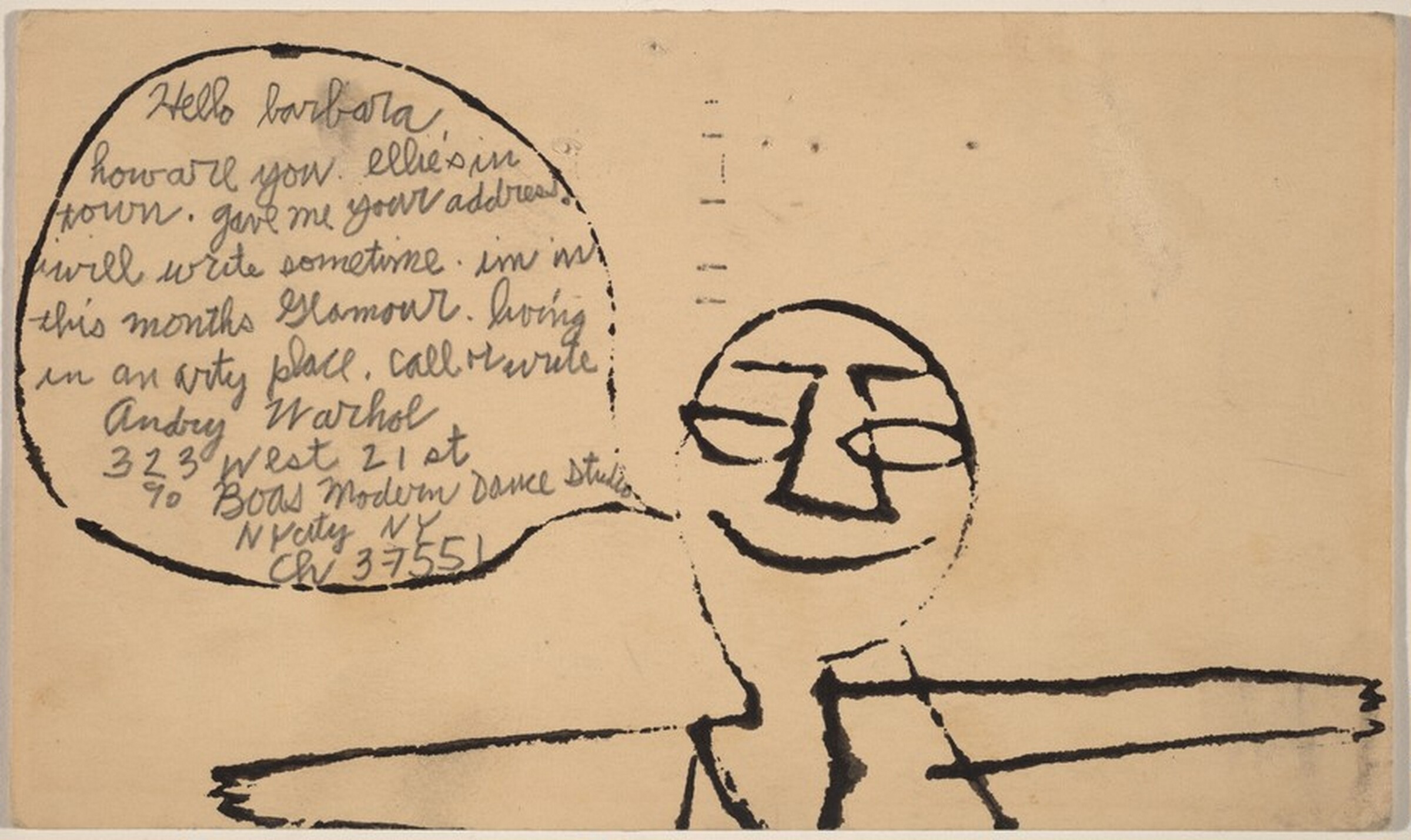
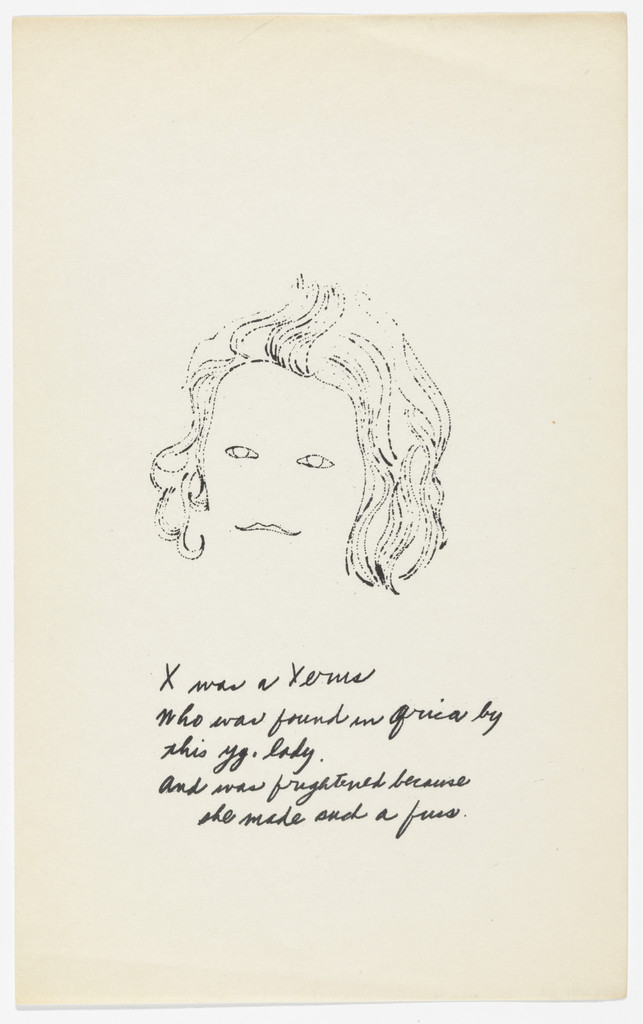
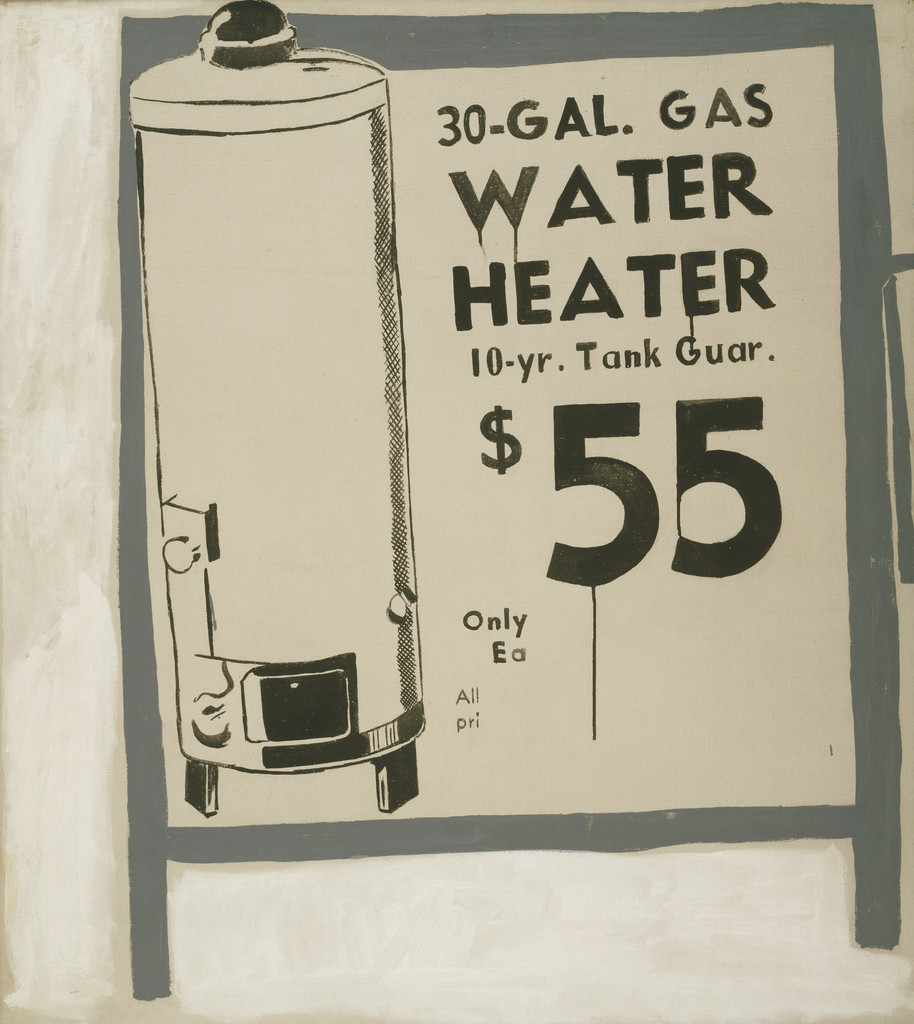
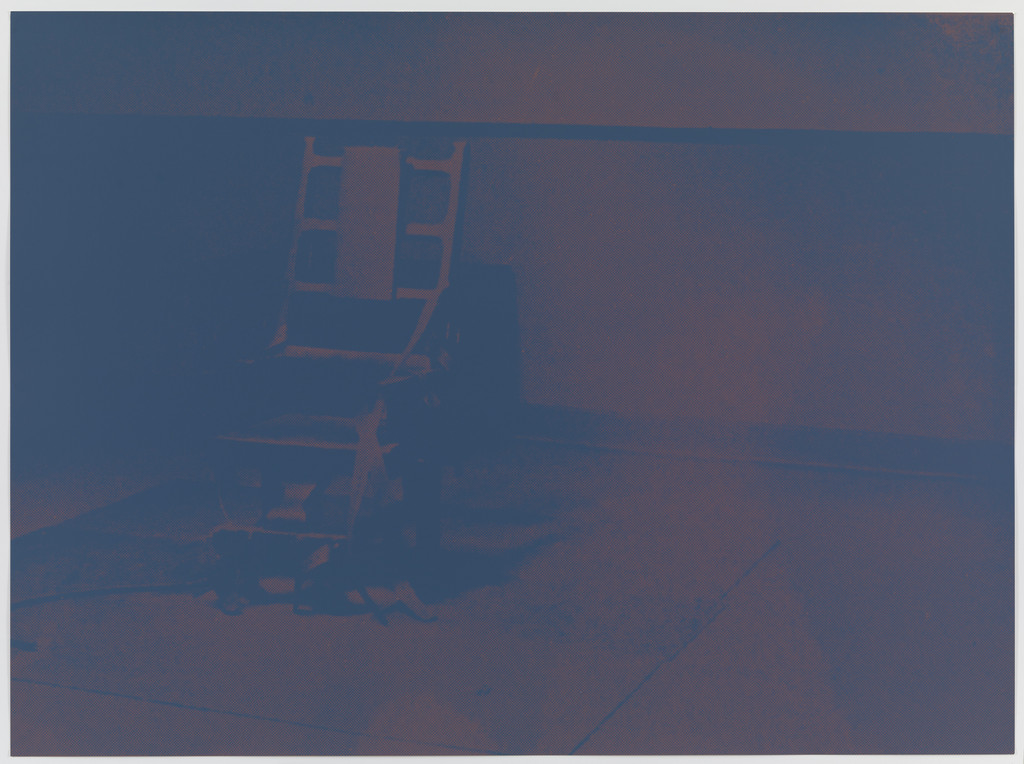
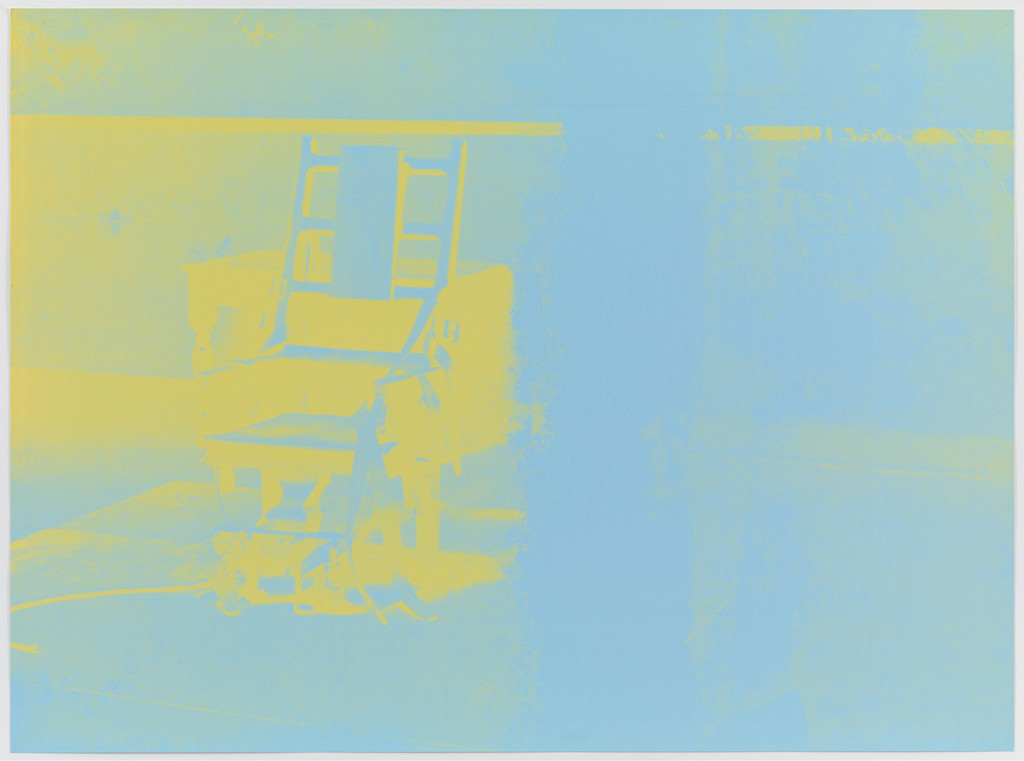
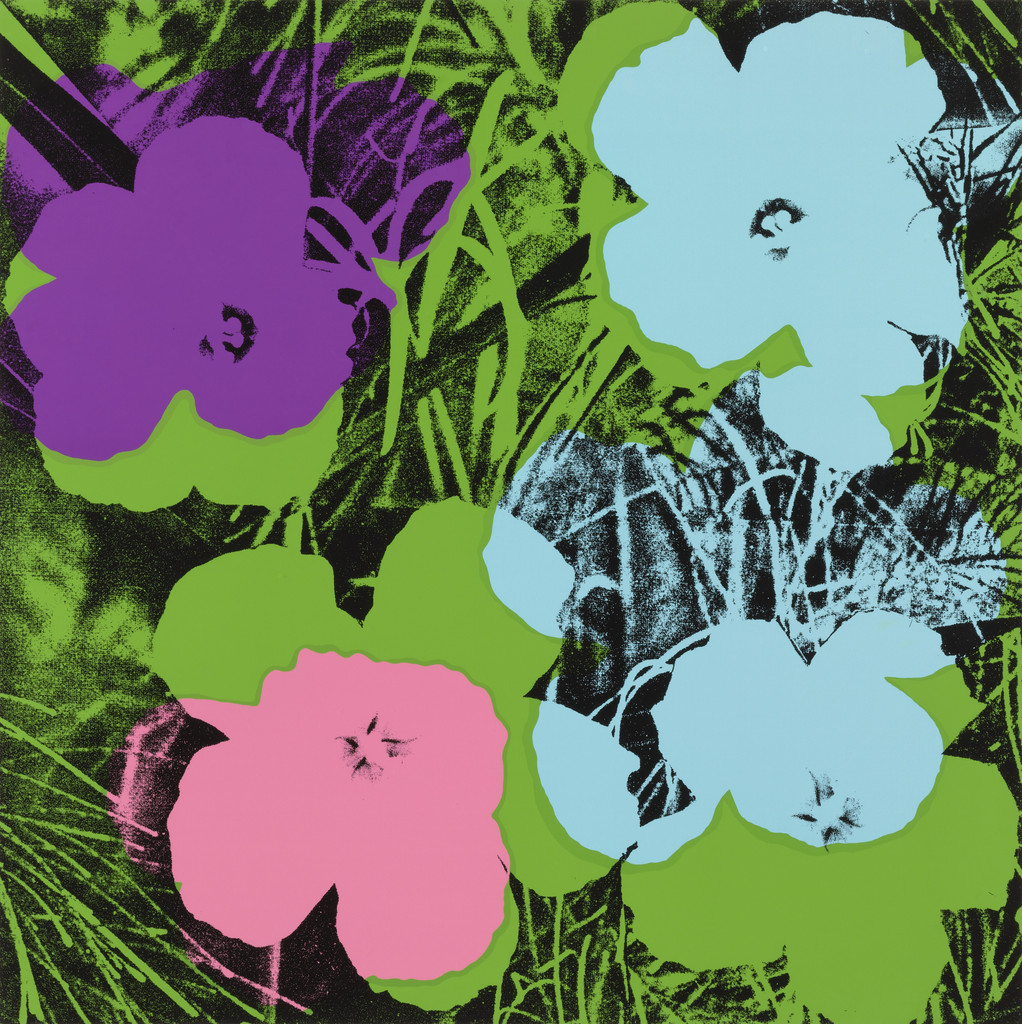
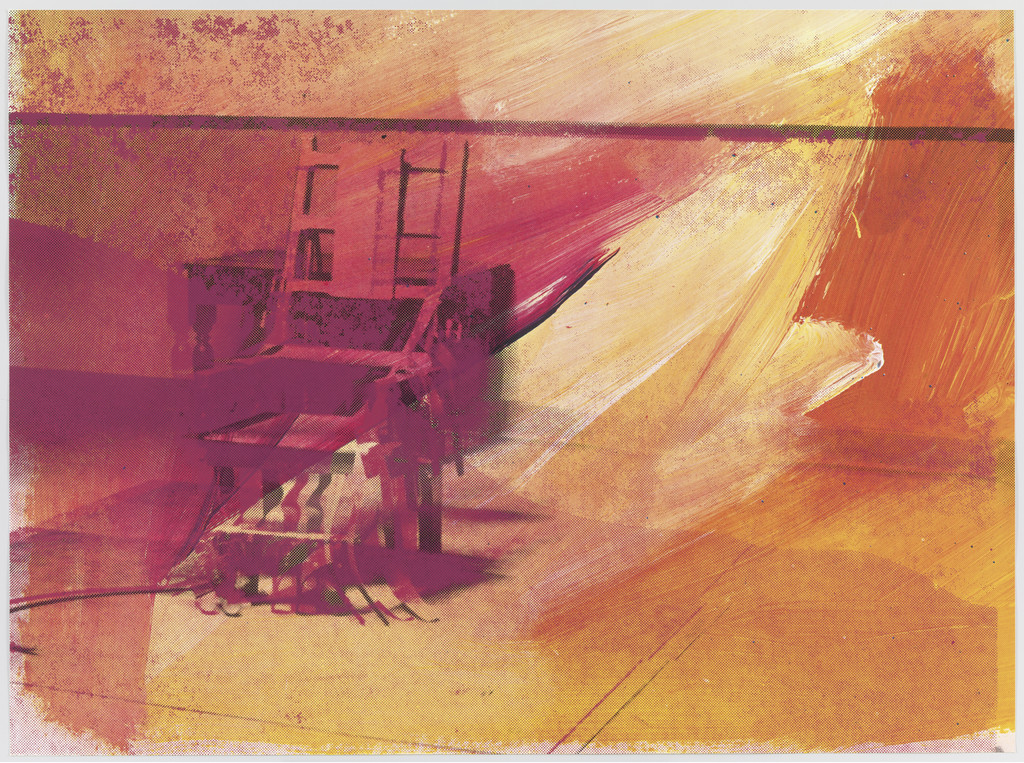
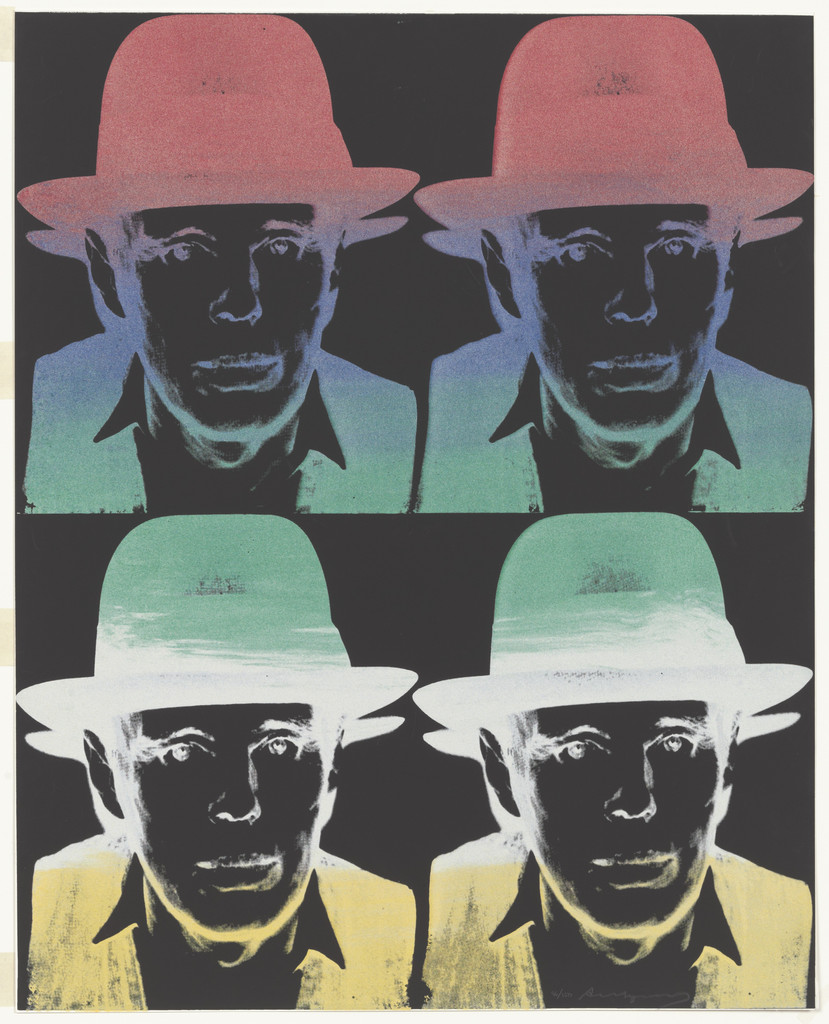
Andy Warhol (born Andrew Warhola Jr.; August 6, 1928 – February 22, 1987) was an American artist and filmmaker. Widely regarded as the most important artist of the second half of the 20th century, Warhol's practice spanned various media, including painting, filmmaking, photography, publishing, and performance art. A leading figure in the pop art movement, his work explores the relationship between advertising, consumerism, mass media, and celebrity culture. His embrace of mechanical reproduction challenged traditional boundaries between high and low culture. He is also credited with popularizing the expression "15 minutes of fame".
Born to working-class Rusyn immigrant parents in Pittsburgh, Warhol began his career as a commercial artist in New York before transitioning to fine art. Among his best-known early silkscreen paintings are Campbell's Soup Can (1962), Marilyn Diptych (1962), and Coca-Cola (3) (1962). In the mid-1960s, Warhol began devoting his attention to creating experimental films such as Blow Job (1964) and Empire (1965). He subsequently directed a number of underground films—including Chelsea Girls (1966), Four Stars (1967), and Blue Movie (1969)—featuring a shifting group of personalities known as Warhol superstars. His studio, the Factory, became a hub for avant-garde experimentation, bringing together drag queens, poets, bohemians, musicians, and wealthy patrons. Warhol also managed the influential rock band the Velvet Underground, who performed at his Exploding Plastic Inevitable (1966–67) multimedia events.
After Warhol survived an assassination attempt in 1968, the Factory evolved into a business enterprise. He founded Interview magazine, produced the play Pork (1971), and published various books such as The Philosophy of Andy Warhol (1975) and Popism (1980). He executed several series of paintings—notably Mao (1972–73), Athletes (1977), and Last Supper (1986)—and commissioned portraiture, while expanding into television with Andy Warhol's TV (1980–83) and Andy Warhol's Fifteen Minutes (1985–87). He meticulously documented his social life through photography and daily recordings, published posthumously as The Andy Warhol Diaries (1989). Warhol died of cardiac arrhythmia at the age of 58 following gallbladder surgery in 1987.
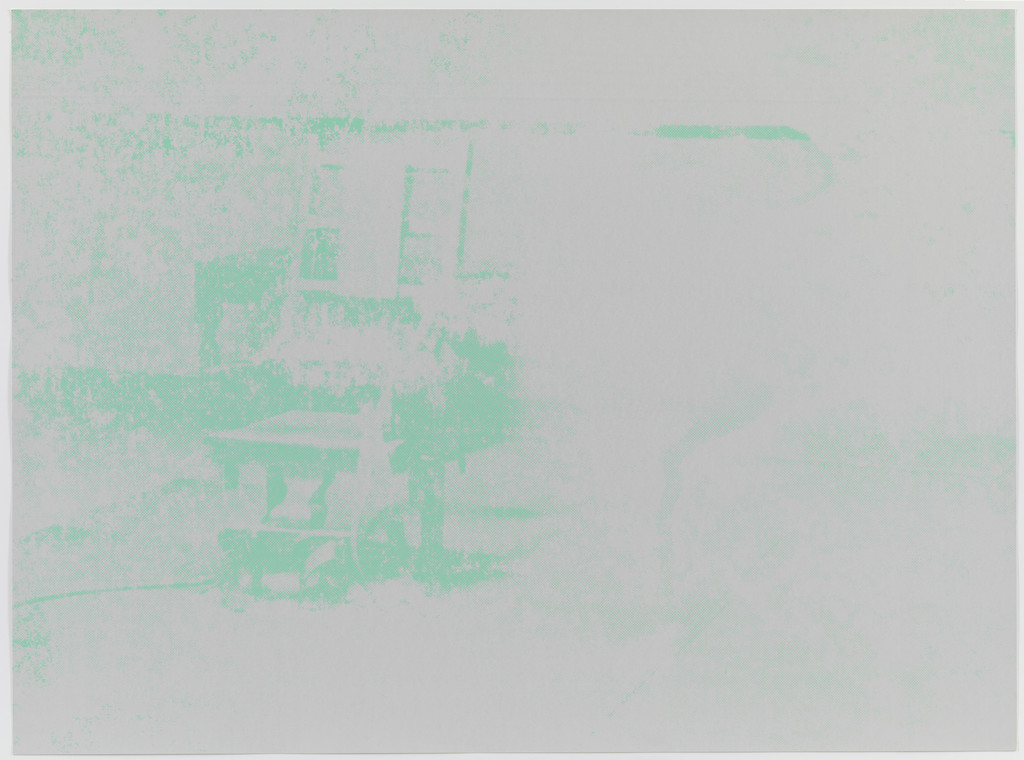
![Untitled ([Early Work] Woman), Andy Warhol, (c. 1946)](https://www.moma.org/media/W1siZiIsIjI2ODkwOSJdLFsicCIsImNvbnZlcnQiLCItcmVzaXplIDEwMjR4MTAyNFx1MDAzZSJdXQ.jpg?sha=5691c6384b78ef19)
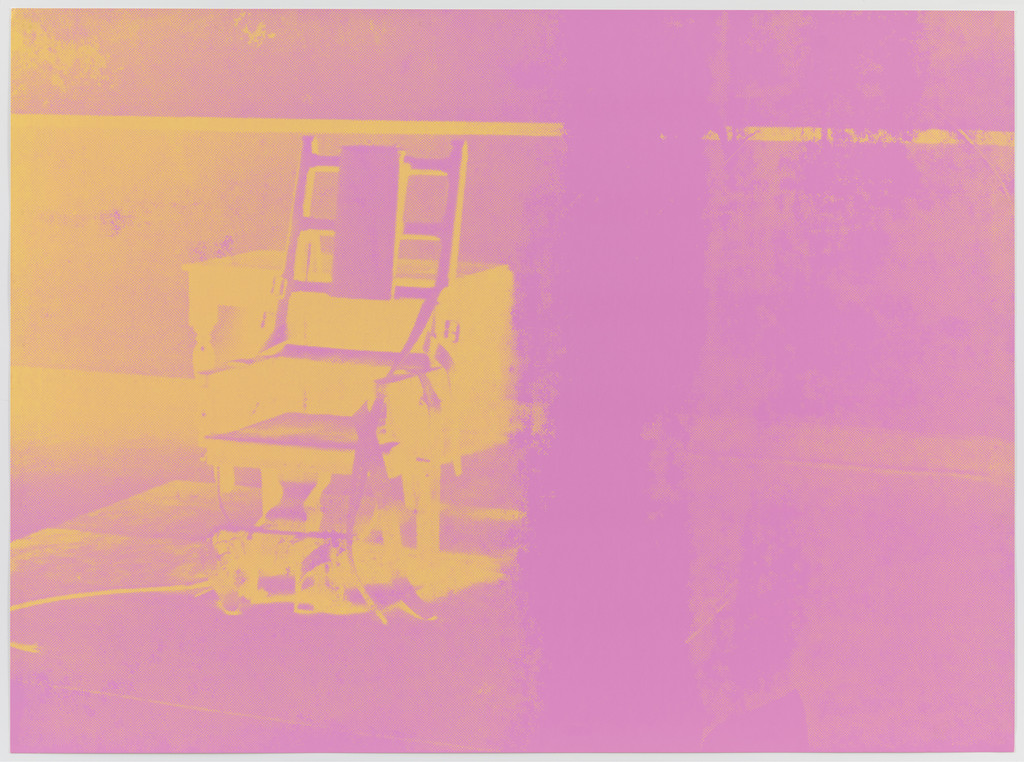
![Untitled ([Early Work] Woman), Andy Warhol, (c. 1946)](https://www.moma.org/media/W1siZiIsIjI2ODkwOCJdLFsicCIsImNvbnZlcnQiLCItcmVzaXplIDEwMjR4MTAyNFx1MDAzZSJdXQ.jpg?sha=d74babcbff5d3733)