ART WIKI32.979 ausgestellt
KarteSammlungKünstlerMuseenAusstellungenJournal
Anmelden

ART WIKI

Wo das Meisterwerk hängt und wann man vorgelassen wird.

Sammlungen: Art Institute of Chicago, Cleveland Museum of Art, Eremitage, Getty Villa, Harvard Art Museums, Hirshhorn Museum and Sculpture Garden, J. Paul Getty Museum, Louvre, Metropolitan Museum of Art, Minneapolis Institute of Art, Museum of Modern Art, National Gallery of Art, National Museum of Asian Art, National Portrait Gallery, Puschkin-Museum, Rijksmuseum Amsterdam, Russisches Museum, Smithsonian American Art Museum, Statens Museum for Kunst, Tretjakow-Galerie, Victoria and Albert Museum, Whitney Museum of American Art, Staatskatalog des Museumsfonds Russlands (274 Museen), Europeana (19 Museen), Wikidata (6 Museen), Paris Musées (12 Museen) und Joconde, die Museumsdatenbank des französischen Kulturministeriums (495 Museen). Die Bilder gehören ihren Rechteinhabern.

Rubriken

  • Karte
  • Suche
  • Sammlung
  • Meisterwerke
  • Jetzt ausgestellt
  • Künstler

Mehr

  • Museen & Galerien
  • Ausstellungen
  • Journal
  • Woher die Daten stammen
  • Datenschutz & Cookies
StartseiteKarteKatalog
  1. Sammlung/
  2. Victoria and Albert Museum/
  3. Weeping Ceres
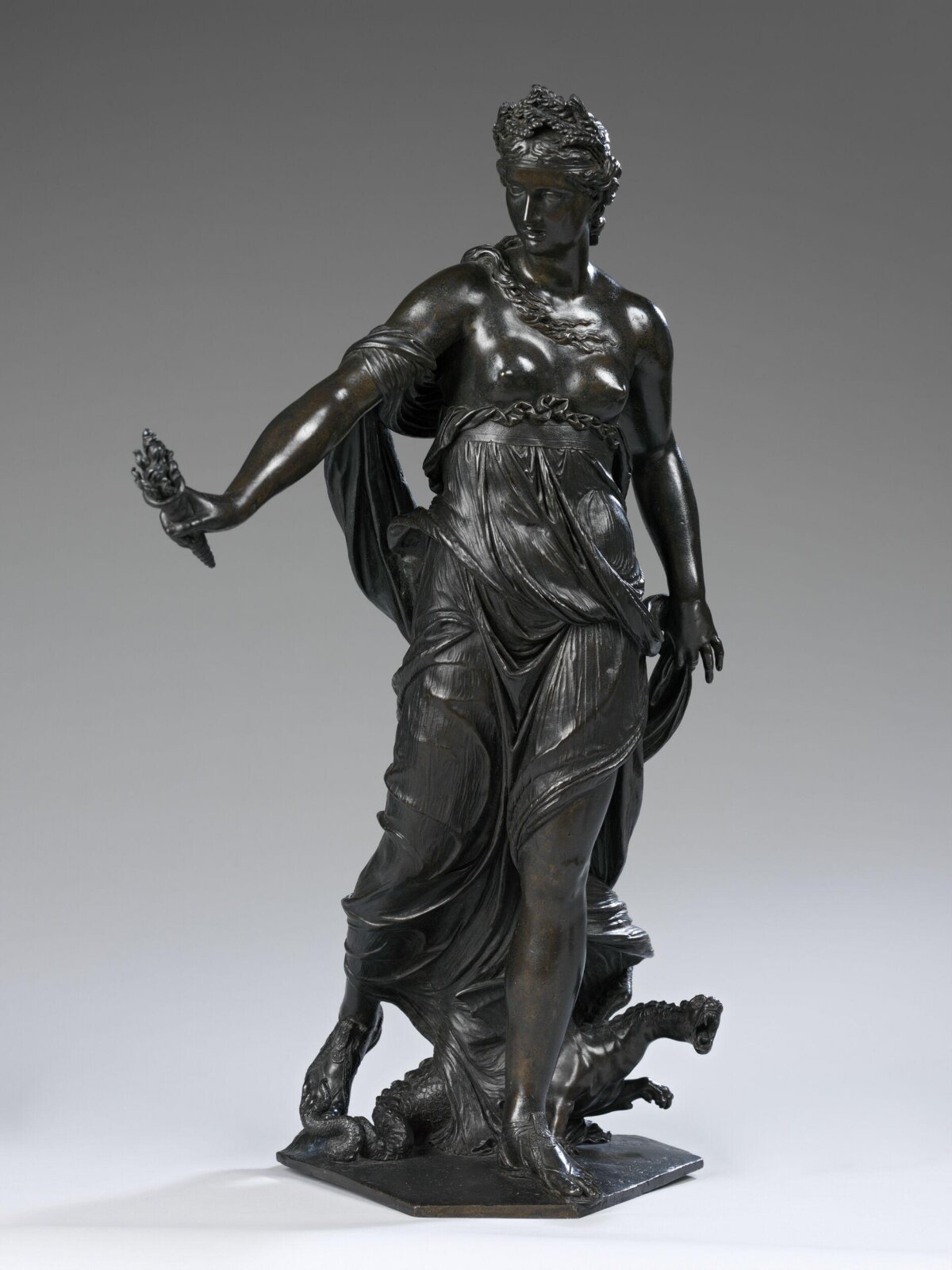
Weeping Ceres, after Michel Anguier, 1690-1710

Weeping Ceres

1690-1710 · Statuette · 53.2 × 31.5 cm

Über die Skulptur

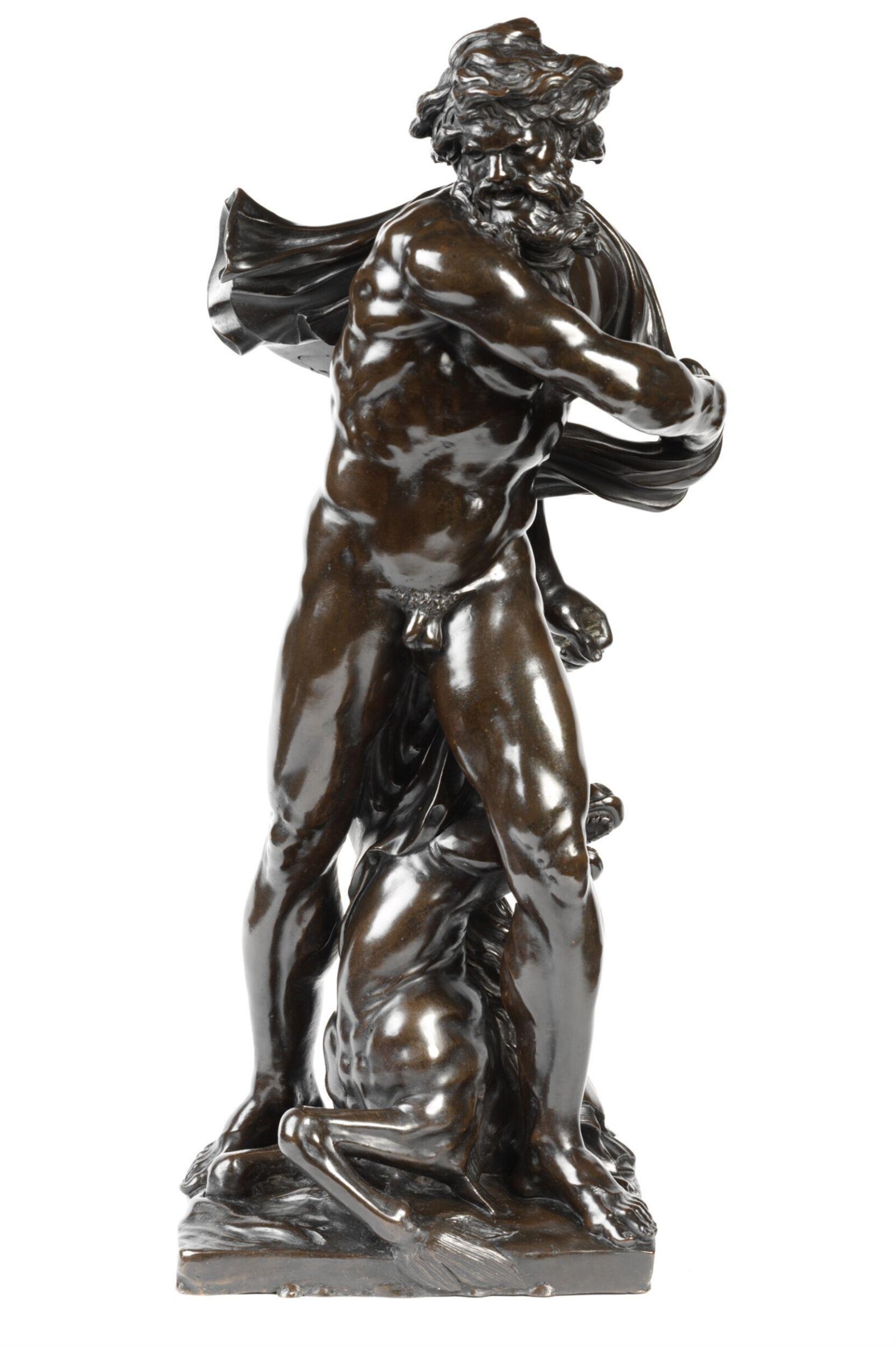
This statuette of Ceres derives from a model that formed part of a set of six statuettes of gods and goddesses commissioned from Michel Anguier in 1652. In 1690, they were described by Guillet de Saint-Georges, the first historian of the French Royal Academy of Painting and Sculpture, with the evocative titles of ‘a thundering Jupiter, a jealous Juno, an agitated Neptune, a tranquil Amphitrite, a melancholy Pluto, … and a weeping Ceres’. They were created as pairs to represent the elements of air (Jupiter and Juno), water (Neptune, for which see inv. no. A.206-1946, and Amphitrite) and earth (Pluto and Ceres), but lacking the fourth element of fire.

Weiterlesen

The crown of wheat around Ceres’ head signals that she is the goddess of Agriculture, and a symbol of fertility. She is shown here striding forward, holding out a torch as she searches for her daughter Proserpina, who Pluto had carried away into the underworld, an episode taken from Ovid’s Metamorphoses. Ceres was often depicted in a chariot drawn by dragons, one of which is shown here, crouching at her feet. The earliest versions of this series of bronzes, possibly cast in the 1660s or 70s, incorporated hexagonal bases, while in later casts they were square. This version has a thinner polygonal base, but Ceres is shown bare-breasted, as in later versions.

Michel Anguier (1612/14-1686) was apprenticed to his father, Honoré, a woodworker in the French town of Eu, before moving to Paris to join the workshop of Simon Guillain in around 1629-33. He was one of a number of artists who moved to Rome, where he spent ten years from 1641, assisting the two leading (and rival) sculptors of the day, Gianlorenzo Bernini and Alessandro Algardi. He received the commission for this series of gods and goddesses after returning to Paris in 1651. In his later years, Anguier lectured at the Académie Royale on a variety of subjects, notably including different expressions of anger (1675) and the depiction of gods through their temperaments (1676). He was not known as a maker of bronzes, and it is possible that he turned to a specialist foundry to assist with reproducing his models as his large-scale commissions declined.

Mehr von after Michel Anguier

Alle Werke

Im selben Saal · Europe 1600-1815, Room 5, The Friends of the V&A Gallery, Victoria and Albert Museum

Museumsseite

Zum selben Thema · Ceres

Alle Werke zum Thema

His lively bronzes were collected throughout the 18th century in France. This Ceres was bought from the Portalès sale in Paris in 1865, one of the finest collections sold in the 19th century, having belonged to James-Alexandre, count of Portalès-Gorgier (1776-1855).

Victoria and Albert Museum

Angaben

Inventarnummer
85-1865

Quellen

  • Victoria and Albert Museum
  • Bild: Victoria and Albert Museum — © Victoria and Albert Museum, London
Aafter Michel Anguier

Darf man es sehen?

Ja, es empfängt Besucher

Victoria and Albert Museum

London, Vereinigtes Königreich

SaalEurope 1600-1815, Room 5, The Friends of the V&A Gallery

Öffentlich ausgestellt. Wer dafür bürgt, steht unten.

Geprüft
vor 13 Tagen
Unverändert seit
25. Sept. 2026
Quelle
Das Museum
Auf der KarteMuseumsseite
Agitated Neptune, after Michel Anguier, ca. 1670-90

Agitated Neptune

ca. 1670-90 · Victoria and Albert Museum

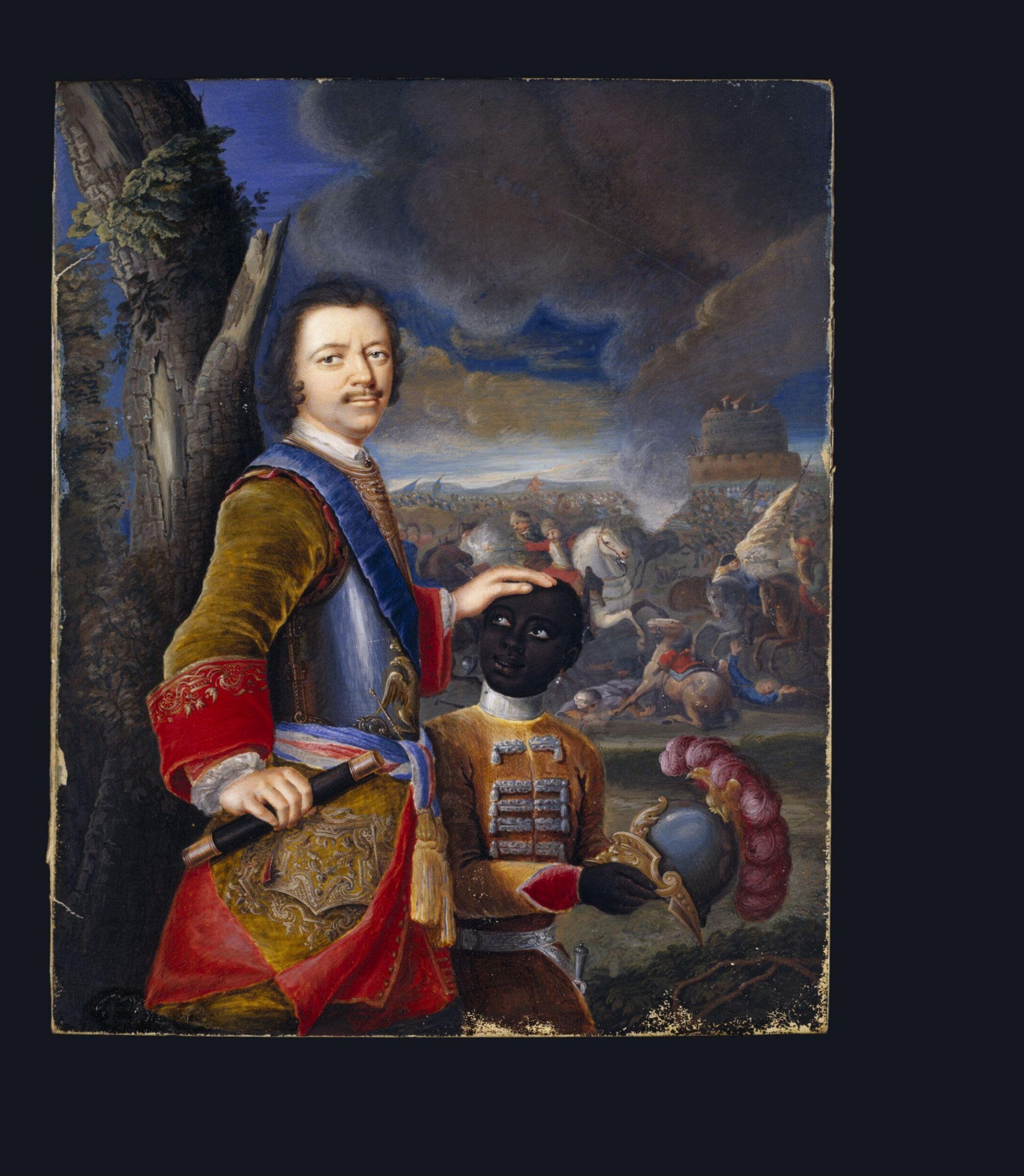
Portrait Miniature of Peter the Great with a Black Page, Gustav von Mardefeld, ca. 1720

Gustav von Mardefeld

Portrait Miniature of Peter the Great with a Black Page, ca. 1720

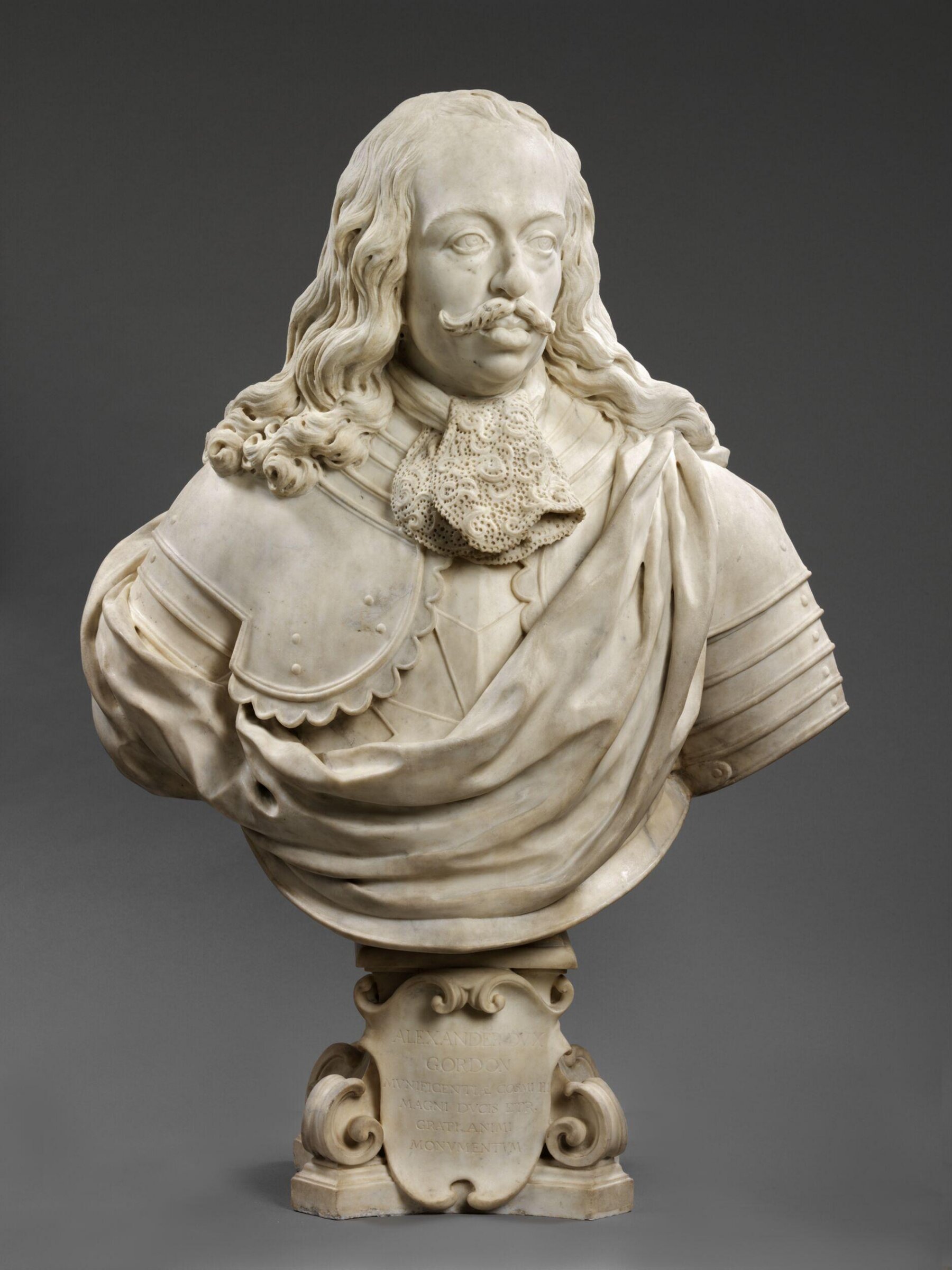
Cosimo III de' Medici, Giovanni Battista Foggini, ca. 1717-1718

Giovanni Battista Foggini

Cosimo III de' Medici, ca. 1717-1718

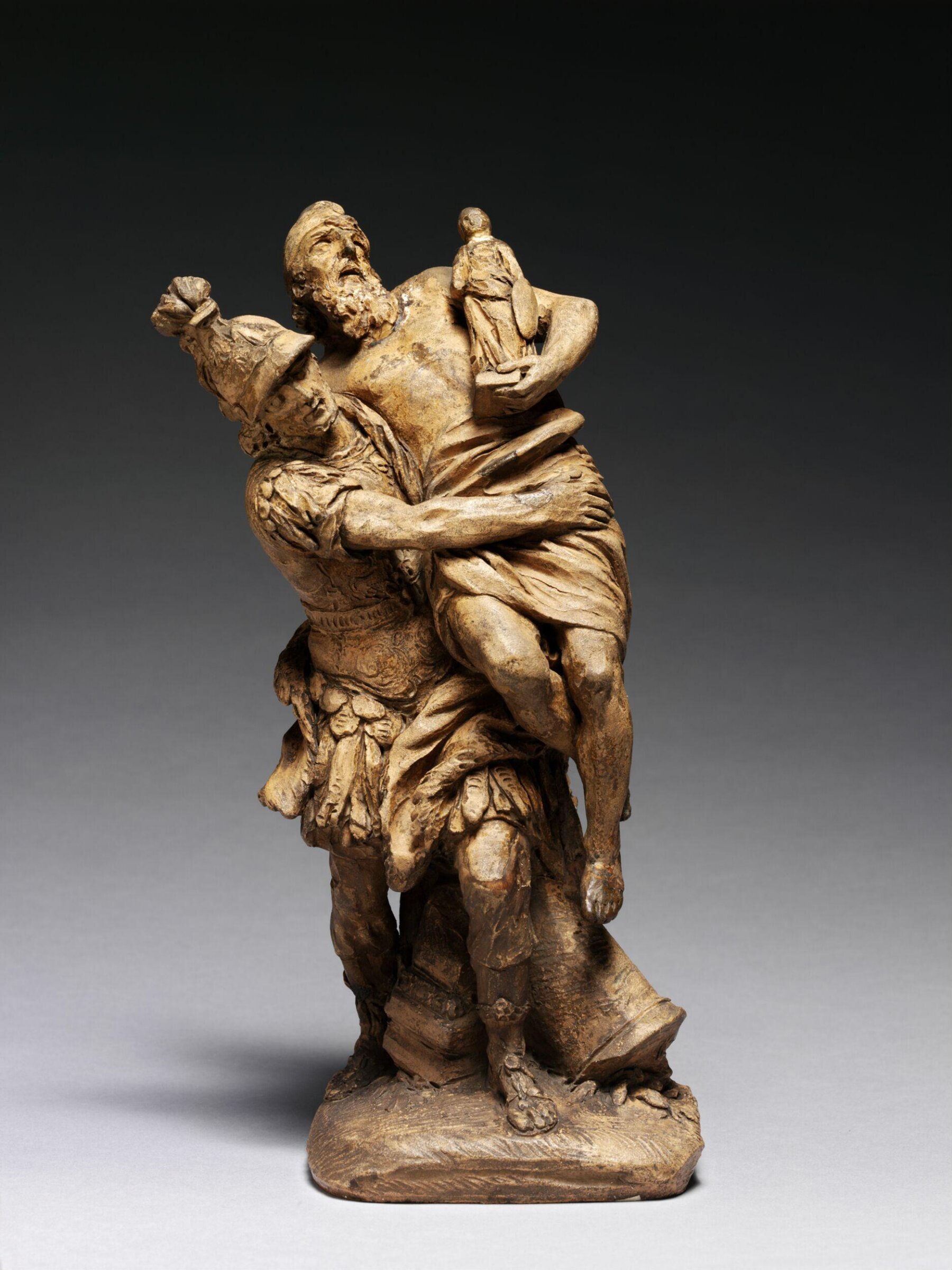
Aeneas and Anchises, Pierre Le Pautre, 1715

Pierre Lepautre

Aeneas and Anchises, 1715

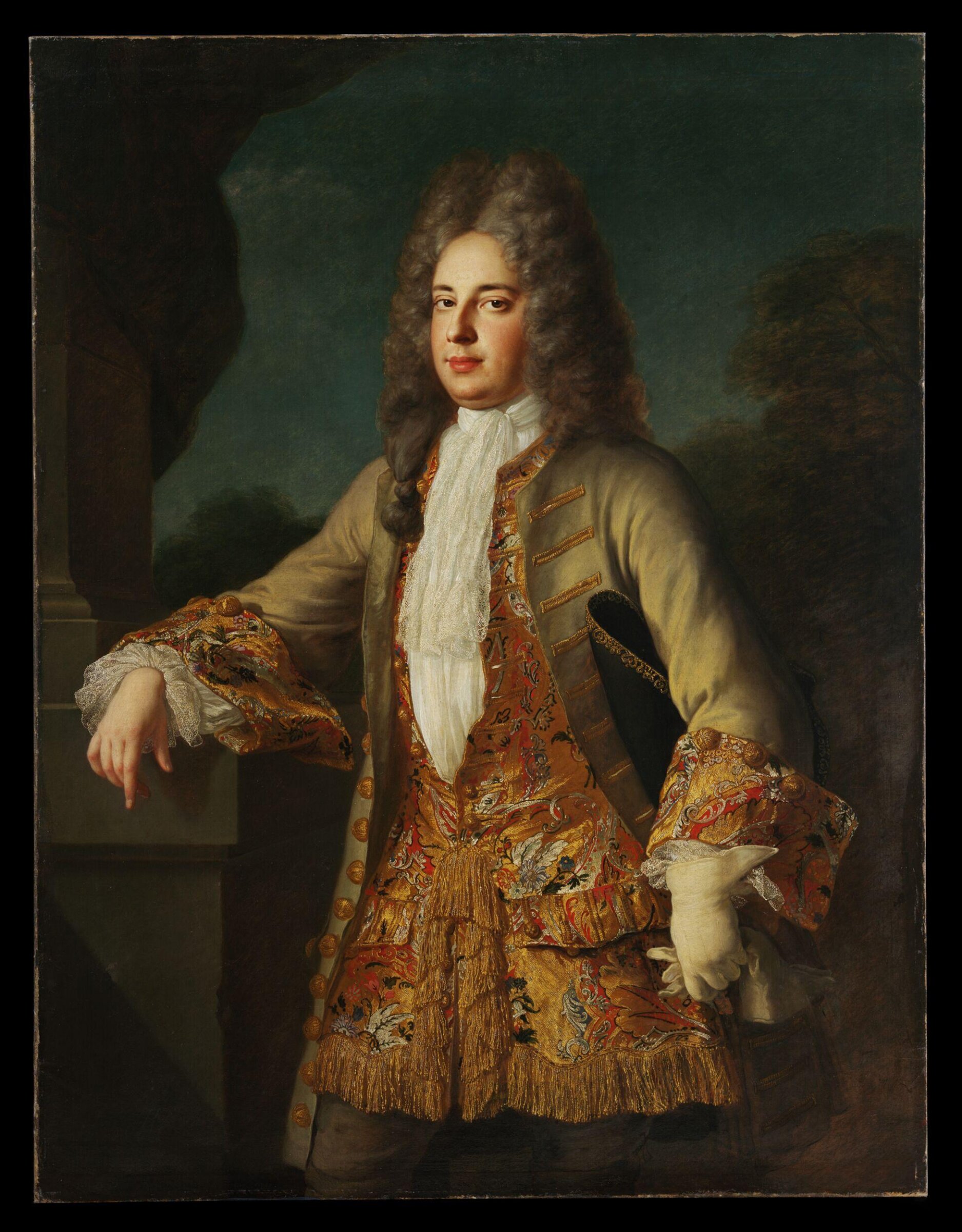
Portrait of an Unknown Man, Alexis-Simon Belle, ca. 1712

Alexis Simon Belle

Portrait of an Unknown Man, ca. 1712

The Rape of Europa, Pierre Gobert, 1710-1720

Pierre Gobert

The Rape of Europa, 1710-1720

Farm birds with a macaw and a tom-tit in a tree, Jacob Bogdani, 1st quarter of 18th century

Jacob Bogdani

Farm birds with a macaw and a tom-tit in a tree, 1st quarter of 18th century

The Fall of Phaeton, Dominique Lefevre, ca. 1700 - ca. 1711

Dominique Lefevre

The Fall of Phaeton, ca. 1700 - ca. 1711

Aristaeus and Proteus, Sébastien Slodtz, ca. 1695-1700

Sébastien Slodtz

Aristaeus and Proteus, ca. 1695-1700

Ceres (Summer), Antoine Watteau, c. 1717/1718

Jean-Antoine Watteau

Ceres (Summer), c. 1717/1718

National Gallery of Art

Standbeeld van Ceres, anonymous, 1851 - c. 1900

anonymous

Standbeeld van Ceres, 1851 - c. 1900

Rijksmuseum Amsterdam

Without Ceres and Bacchus, Venus Would Freeze, Jacob Matham after Hendrik Goltzius, 1588

Hendrick Goltzius

Without Ceres and Bacchus, Venus Would Freeze, 1588

Nicht ausgestellt · National Gallery of Art

Venus, Bacchus und Ceres, Cornelis van Haarlem, 1614

Cornelis Cornelisz. van Haarlem

Venus, Bacchus und Ceres, 1614

Gemäldegalerie Alte Meister

Ceres, Jost Amman, 1578

Jost Amman

Ceres, 1578

Herzog Anton Ulrich-Museum

Querfüllung mit Ceres, Seitenstück, Jost Amman, 1560–1591

Jost Amman

Querfüllung mit Ceres, Seitenstück, 1560–1591

Herzog Anton Ulrich-Museum

Bacchus and Ceres, Jacques de Gheyn II

Jacques de Gheyn

Bacchus and Ceres

Nicht ausgestellt · National Gallery of Art

Ceres, Augustin Pajou, ca. 1768–70

Augustin Pajou

Ceres, ca. 1768–70

Metropolitan Museum of Art

Was es zeigt

Ceres

Im Katalog

SkulpturBronzeBarock17. JahrhundertFrankreich