Edward WestonVereinigte Staaten, 1886–1958
Washbowl
Kann ich es sehen?
Derzeit nicht ausgestellt
Wo ist „Washbowl“ heute? Sammlung: Art Institute of Chicago, Chicago. Derzeit nicht ausgestellt. Geprüft 29. September 2026.

Chicago, Vereinigte Staaten
Es gehört zur Sammlung, ist derzeit aber nicht ausgestellt.
- Geprüft
- Unverändert seit
- Quelle
- Das Museum
Über das Werk
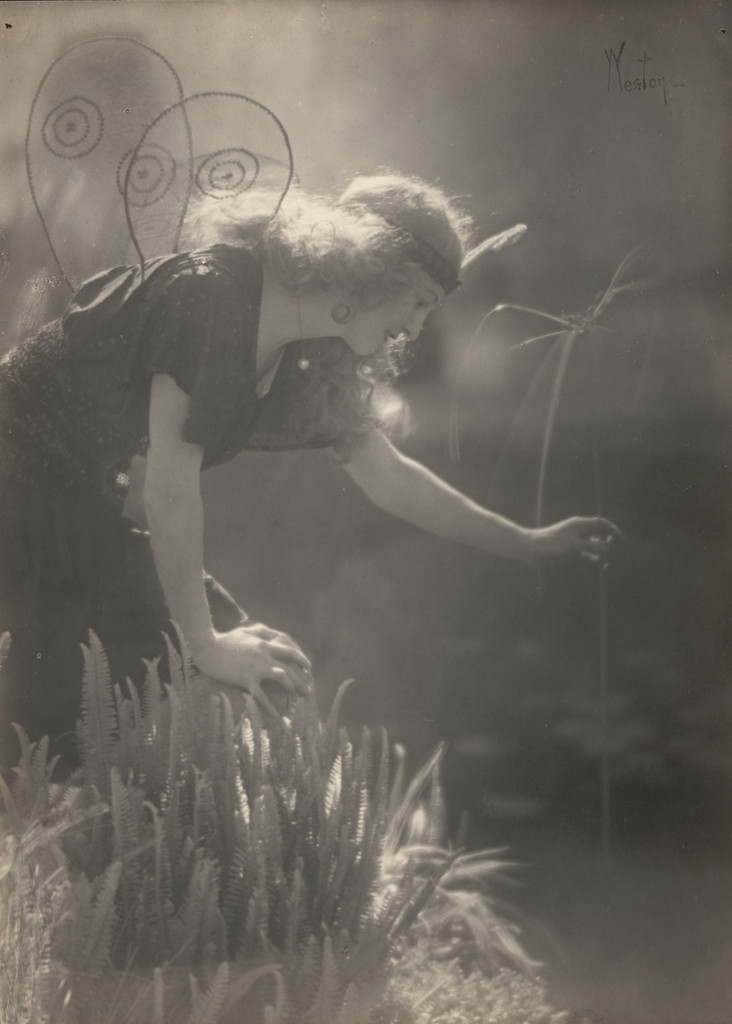
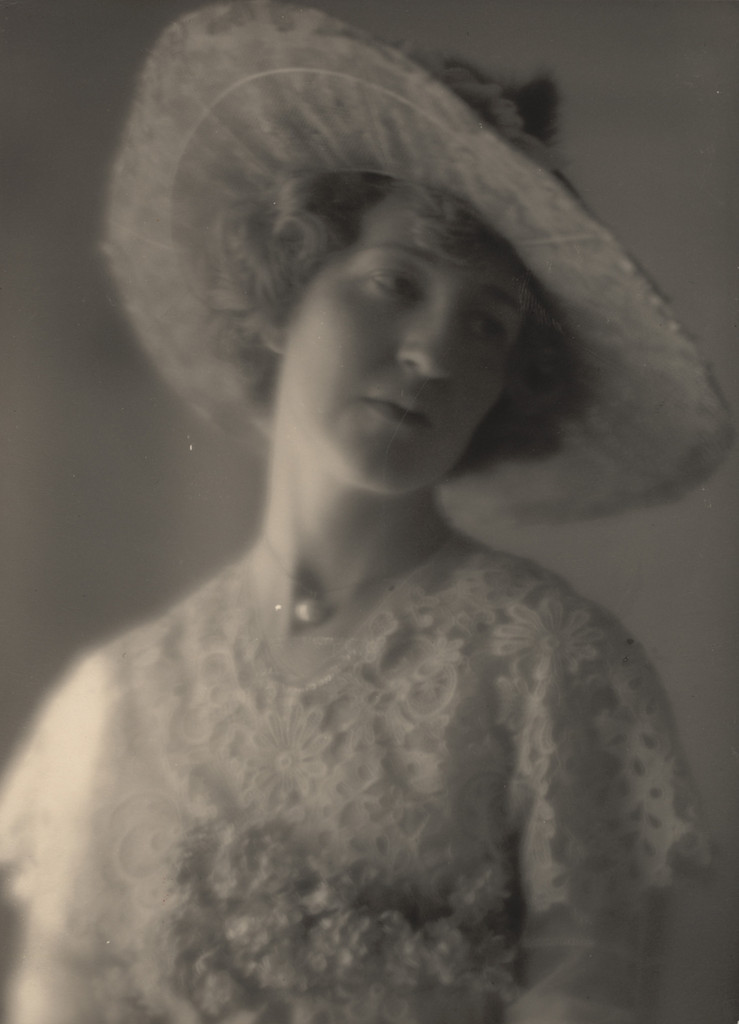
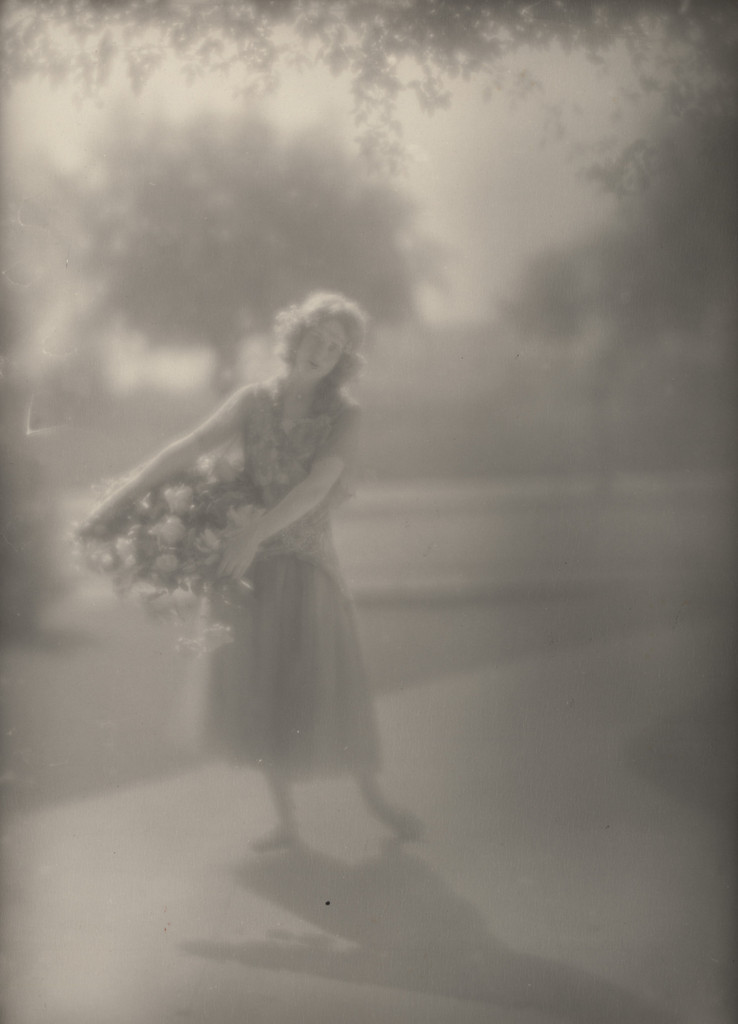
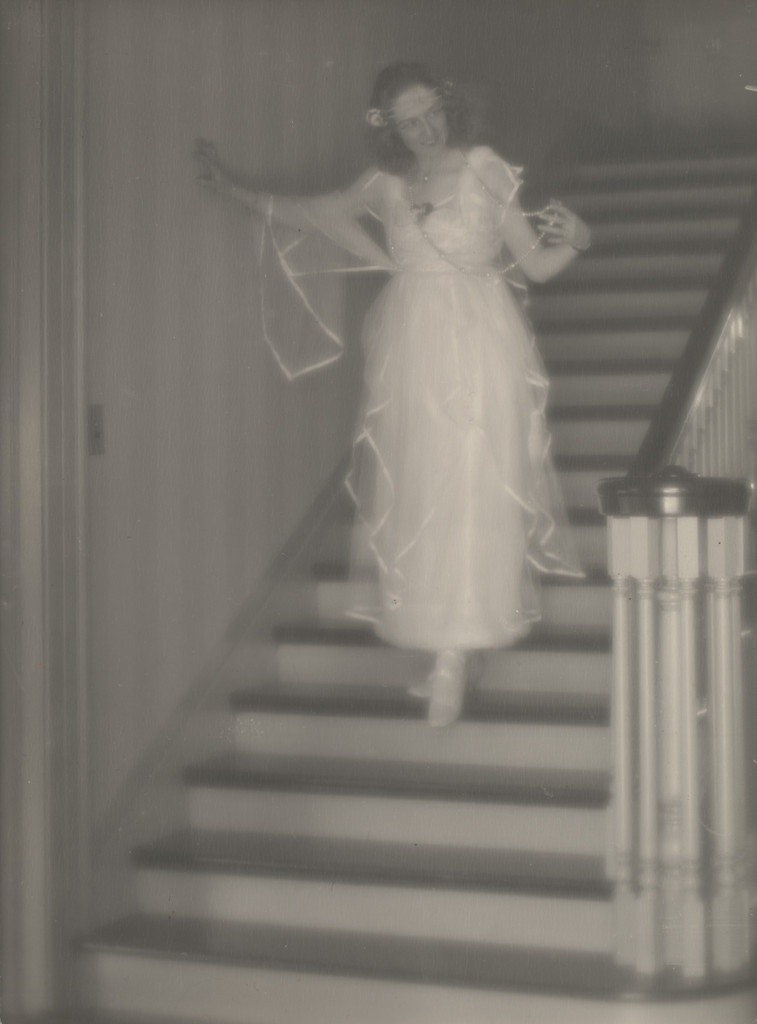
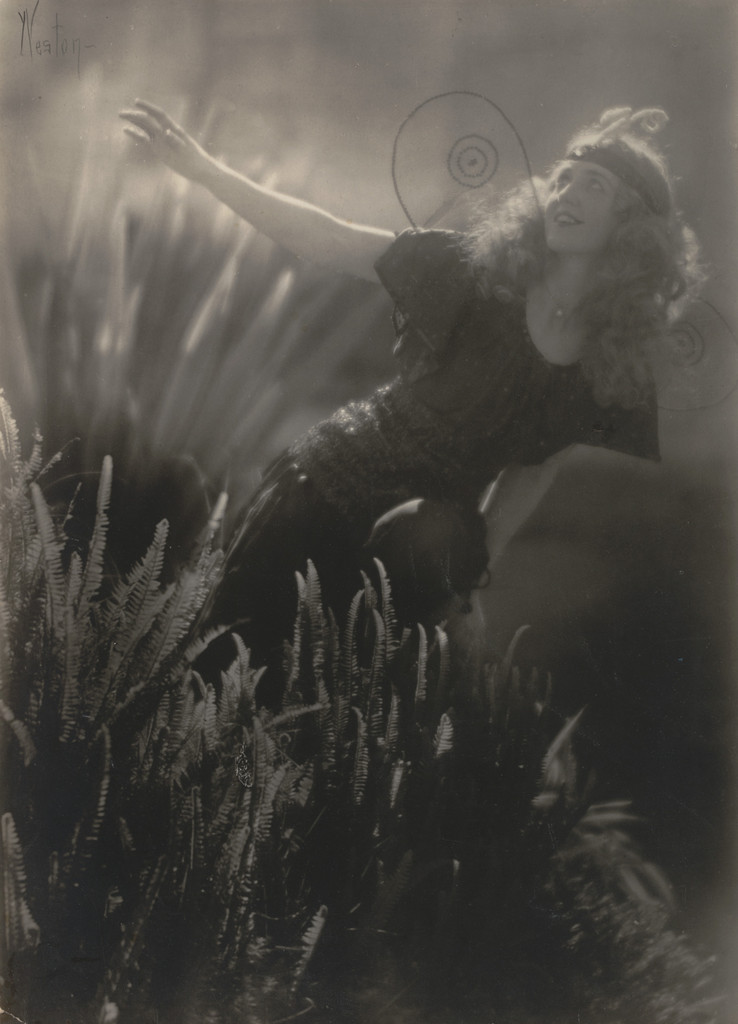
In 1923 Edward Weston embarked on a new life in Mexico, leaving California behind him. He set up a portrait studio with his muse and apprentice, Tina Modotti, who introduced him to such artists as Diego Rivera and José Clemente Orozco. Stimulated by the vital Mexican culture—as well as by his previous contacts with the great photographers Charles Sheeler, Alfred Stieglitz, and Paul Strand—Weston’s soft-focus, painterly style underwent a radical change. “The camera must be used for a recording of life,” he wrote during this period, “for rendering the very substance and quintessence of the thing itself.” This simple metal washbowl, which he stored under his sink, is an example of the new and unconventional subjects Weston began to photograph during his Mexican sojourn.
Mehr lesen
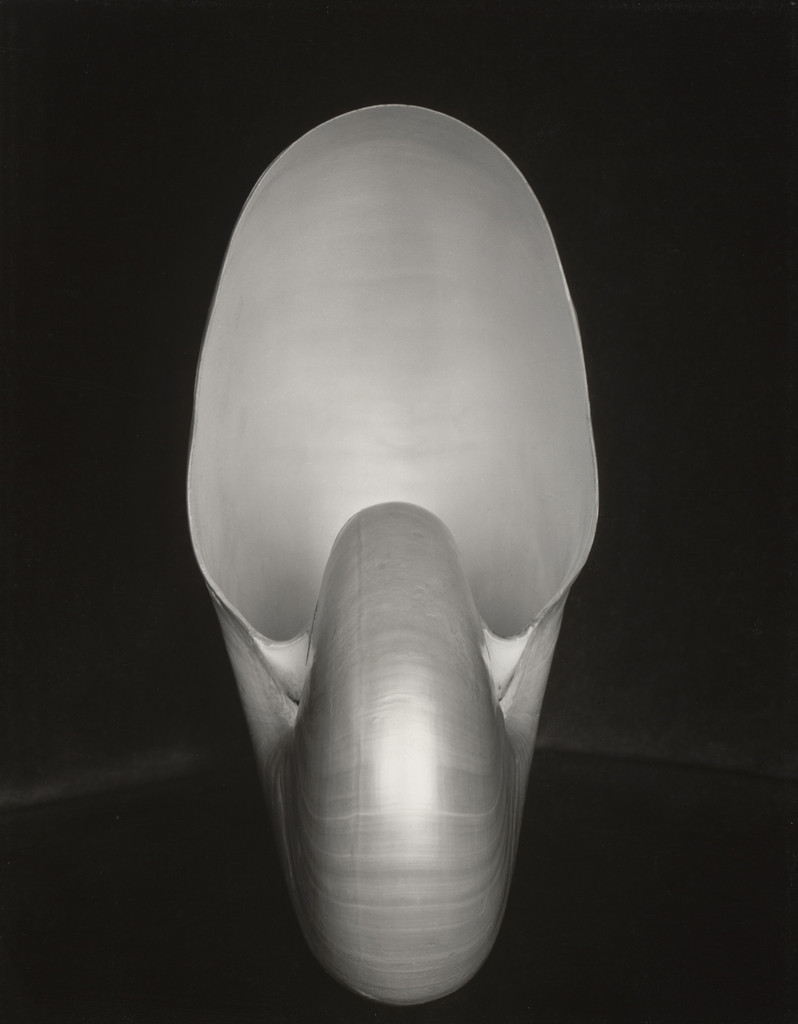
In his obsession with clarity of form and precision of image, he pioneered a technique that he called “previsualizing”—looking at a scene through the camera and determining how that would translate to a print; any cropping, trimming, or enlarging of the print was rejected as a betrayal of vision. Here he captured the worn metal and porcelain surfaces of the washbowl and sink with sensuous, almost preternatural clarity. An important transitional piece, this work prefigures Weston’s exquisite and erotic studies of nudes, shells, and plant forms.
Art Institute of ChicagoCC BY 4.0
Angaben
- Inventarnummer
- 1987.377
Was es zeigt
Im Katalog
Quellen
- Art Institute of Chicago
- Bild: Art Institute of Chicago — © the artist or rights holder
Im Leben von Edward Weston
Das ganze Leben30 July – 11 August 1923
Sails for Mexico with Modotti and his son
On 30 July a steamer takes Weston, his son Chandler and Modotti on the extended trip to Mexico; his wife Flora and their other three sons wave goodbye from the dock, and Flora is reported to have called out to Modotti to take good care of her boys. They arrive in Mexico City on 11 August and rent a large hacienda outside the city.
17 October 1923
Exhibition at the Aztec Land Gallery
The exhibition, arranged within a month of his arrival, opens on 17 October to glowing press reviews; he is particularly proud of Marius de Zayas’s review saying that photography is beginning to be photography, for until now it has only been art.
1923–1924
Mexico changes the way he sees things
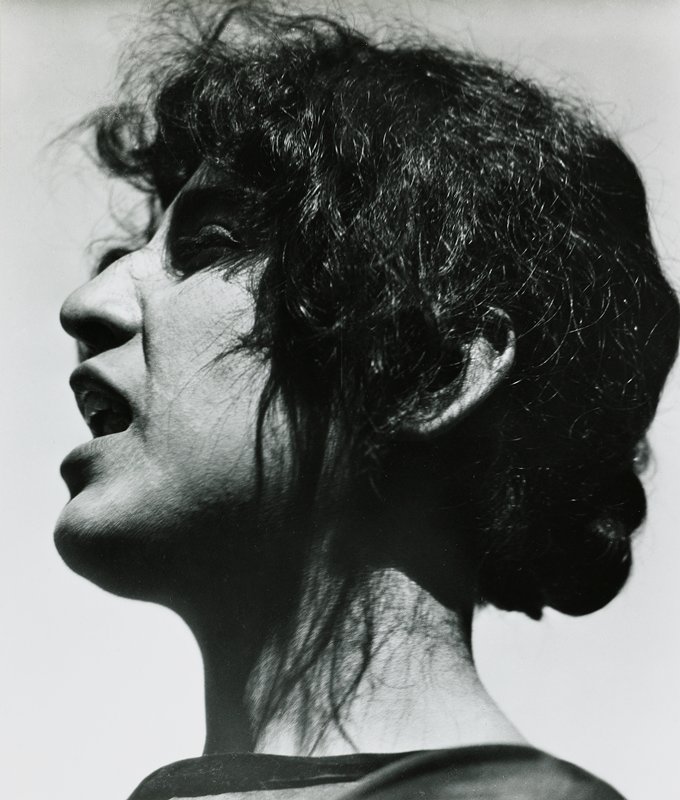
The different culture and scenery force him to look at things in new ways: he becomes more responsive to what is in front of him and photographs everyday objects such as toys, doorways and bathroom fixtures, as well as intimate nudes and portraits of Modotti, and writes in his Daybooks that the approach to photography is through realism. A second exhibition at the Aztec Land Gallery follows in 1924, and a steady stream of local socialites asks him for portraits.
1925
Back in Mexico: a joint show with Modotti
His new relationship with Lerner does not last long, and in August he returns to Mexico, this time with his son Brett; Modotti has arranged a joint show of their photographs, and it opens the week he arrives. He receives new critical acclaim, and six of his prints are purchased for the State Museum.
late 1926
Break with Modotti and return to California
By the time they return from the trip, Weston and Modotti’s relationship has crumbled, and within less than two weeks he and Brett go back to California. He never travels to Mexico again.
1927
A major exhibition at the Palace of the Legion of Honor
In September he has a major exhibition at the Palace of the Legion of Honor in San Francisco.