 David Le Marchand1674–1726
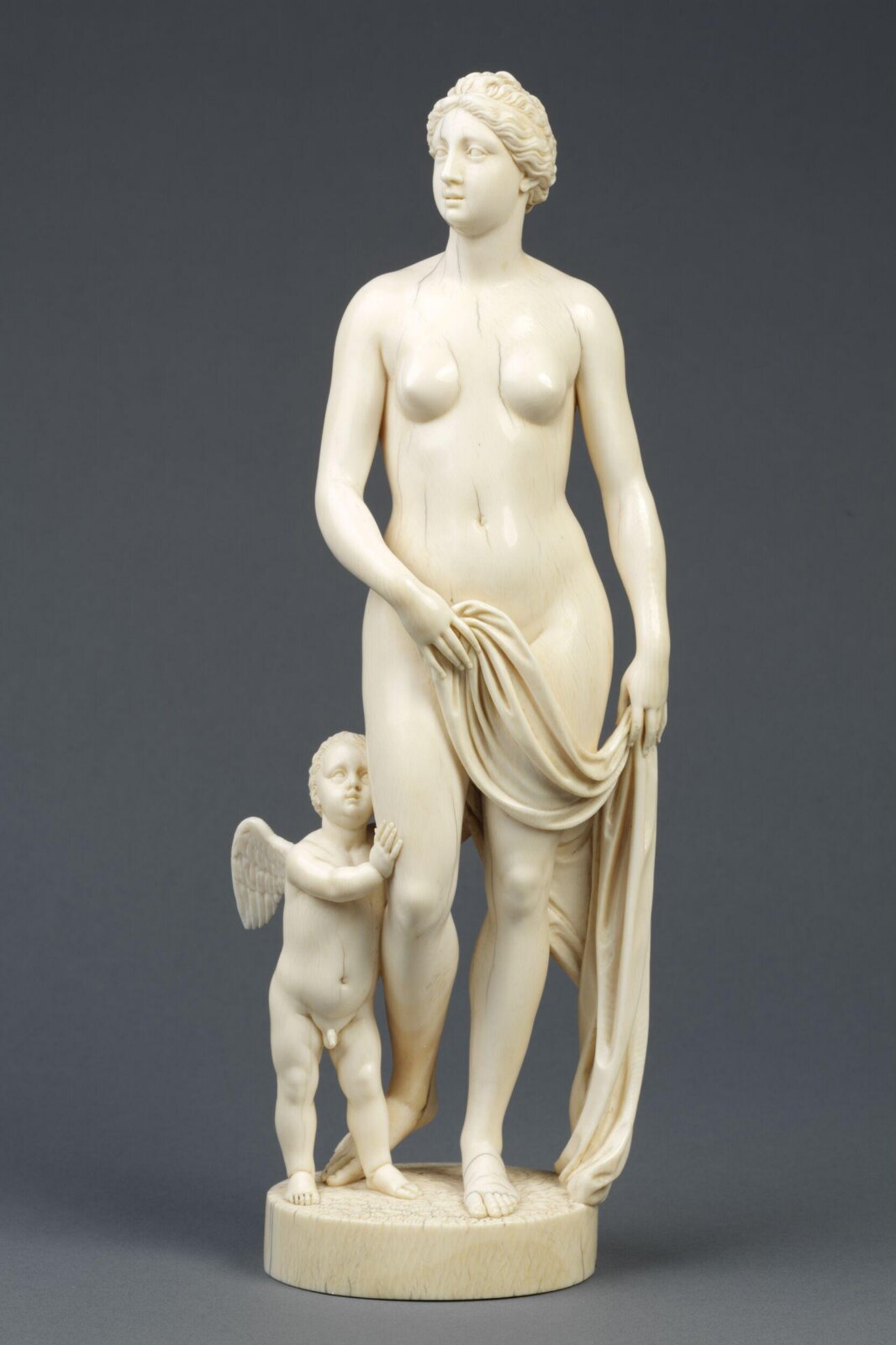
Venus and Cupid
Darf man es sehen?
Ja, es empfängt Besucher

London, Vereinigtes Königreich
SaalSculpture, Room 111, The Gilbert Bayes Gallery
Öffentlich ausgestellt.
- Geprüft
- Unverändert seit
- Quelle
- Das Museum
Über die Skulptur
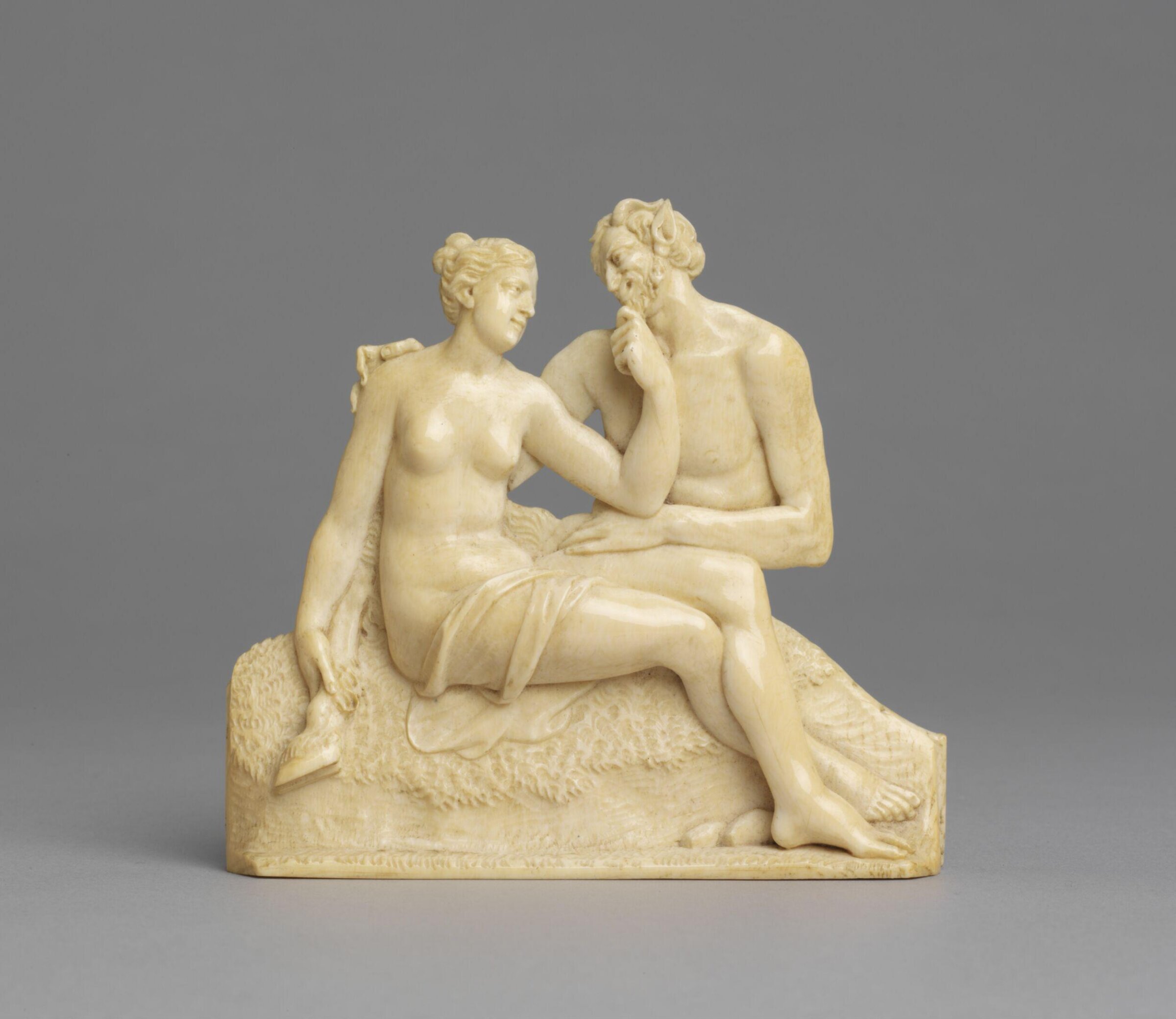
This ivory group depicting Venus and Cupid was made by David le Marchand in England, ca. 1700-1720, perhaps after 1718. The subject of Venus and Cupid was popular among wood and ivory carvers from the Renaissance onwards since the subject provides the opportunity of rendering sensuous nudity and demonstrating one's knowledge of antiquity. However this group is a relatively rare type of work by Le Marchand, who specialised in portraits.
Mehr lesen
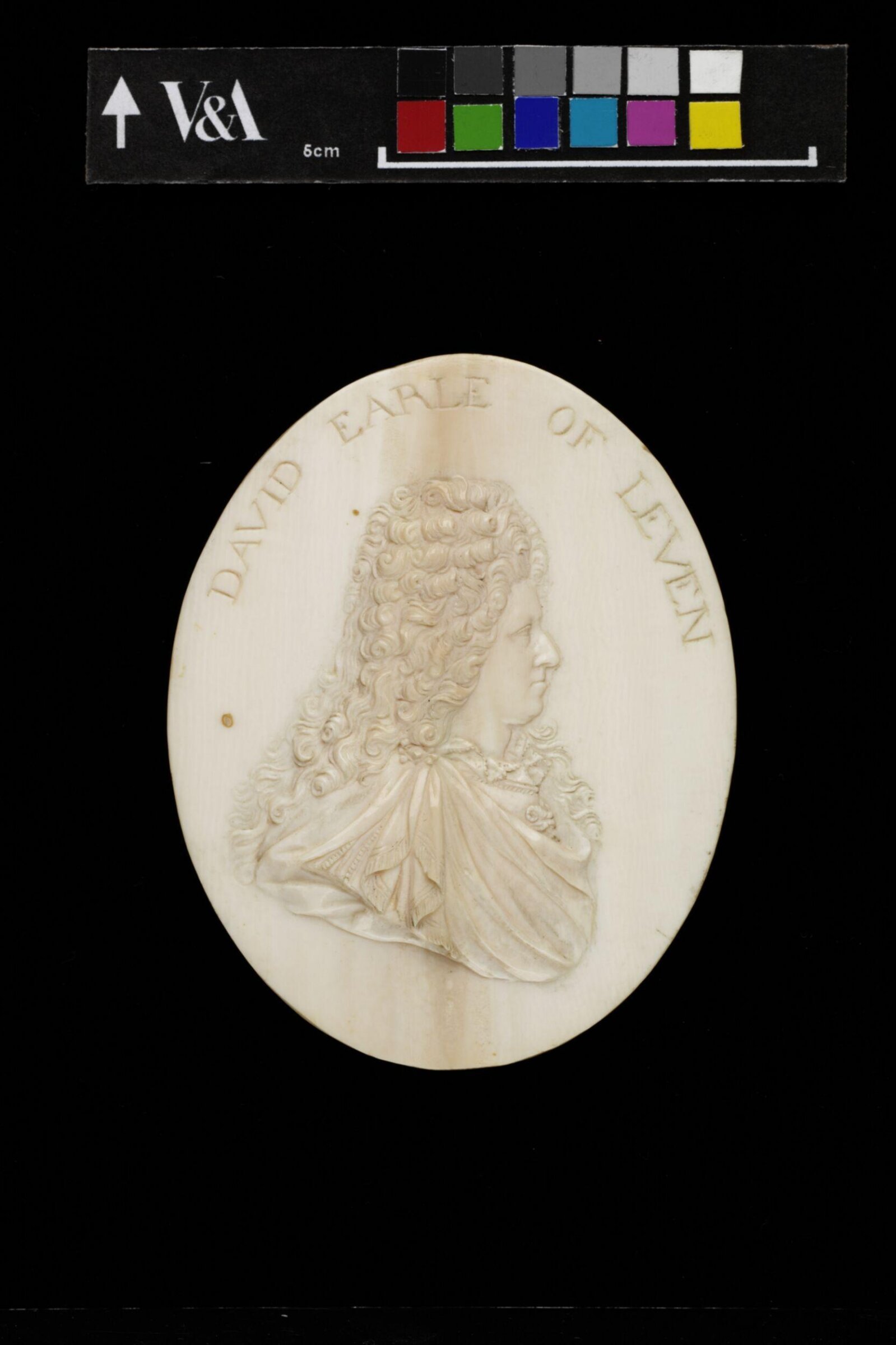
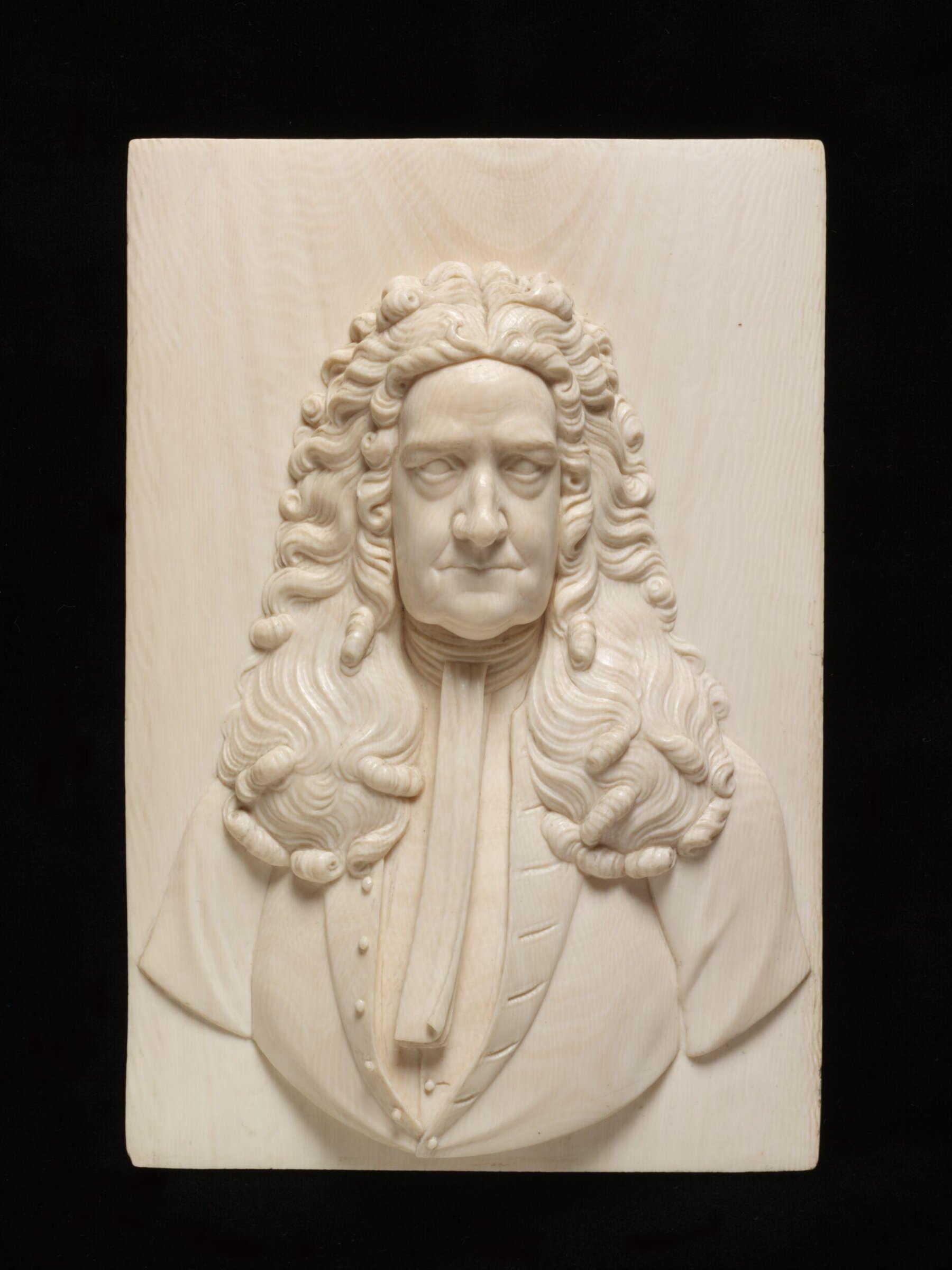
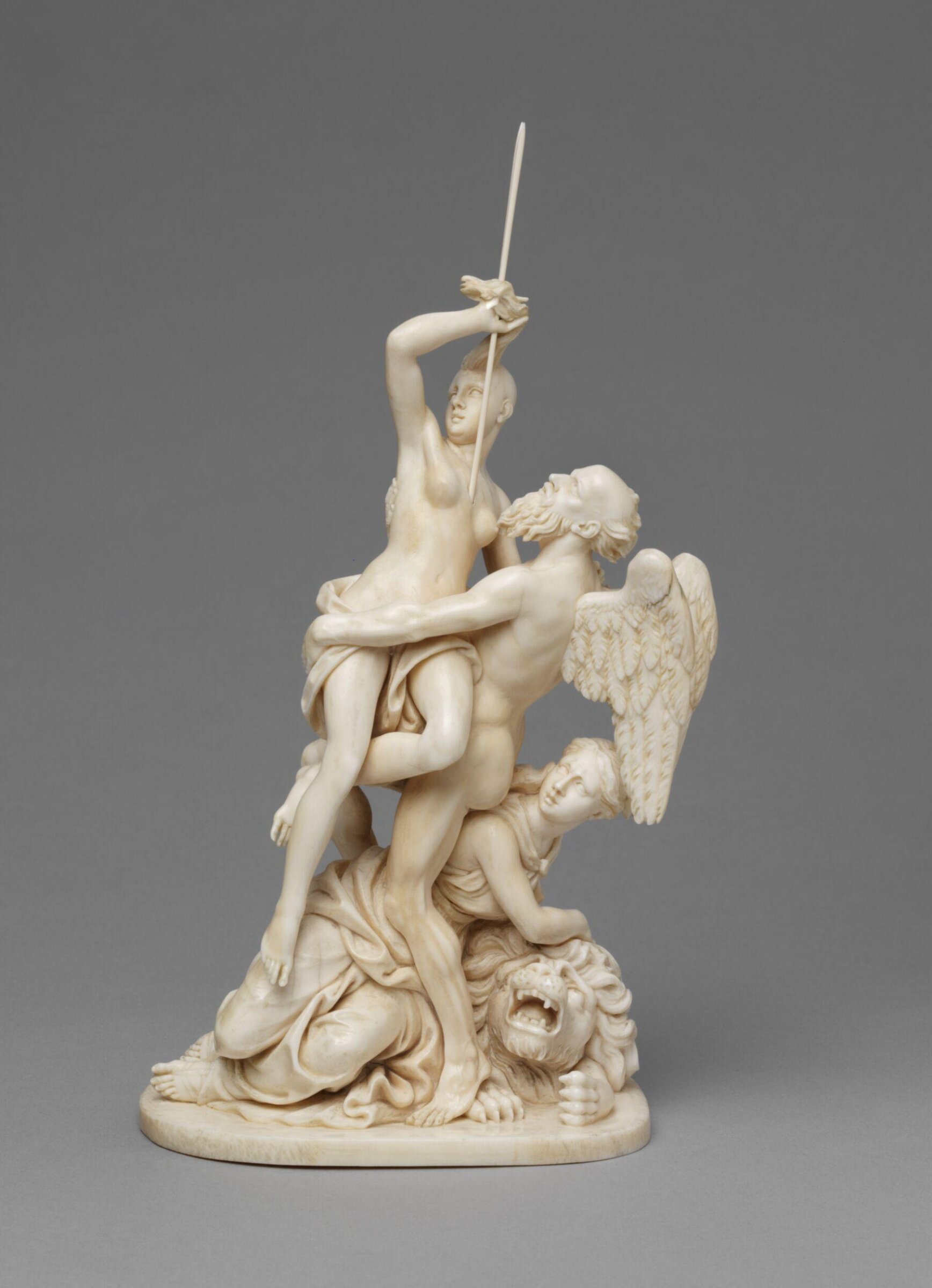
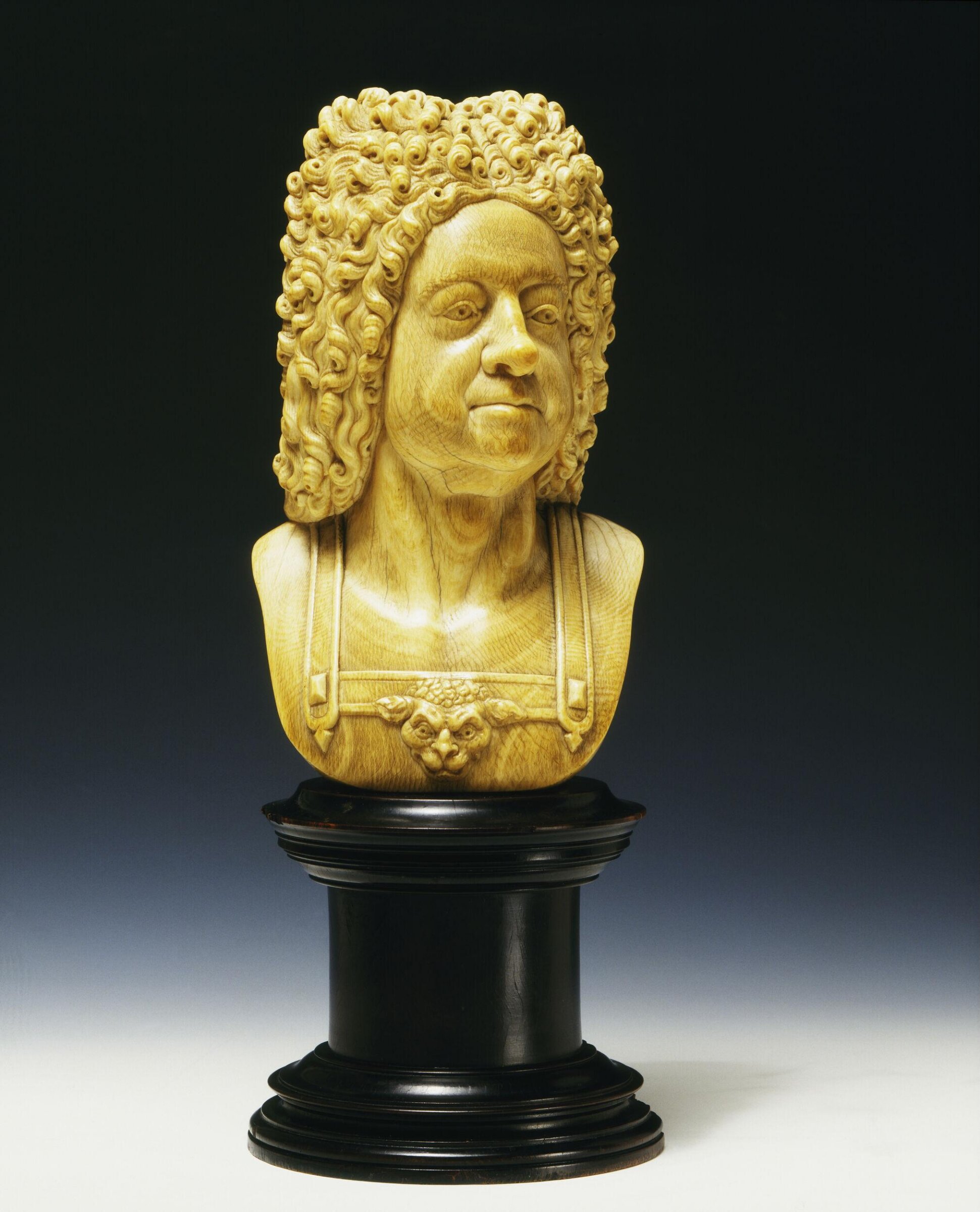
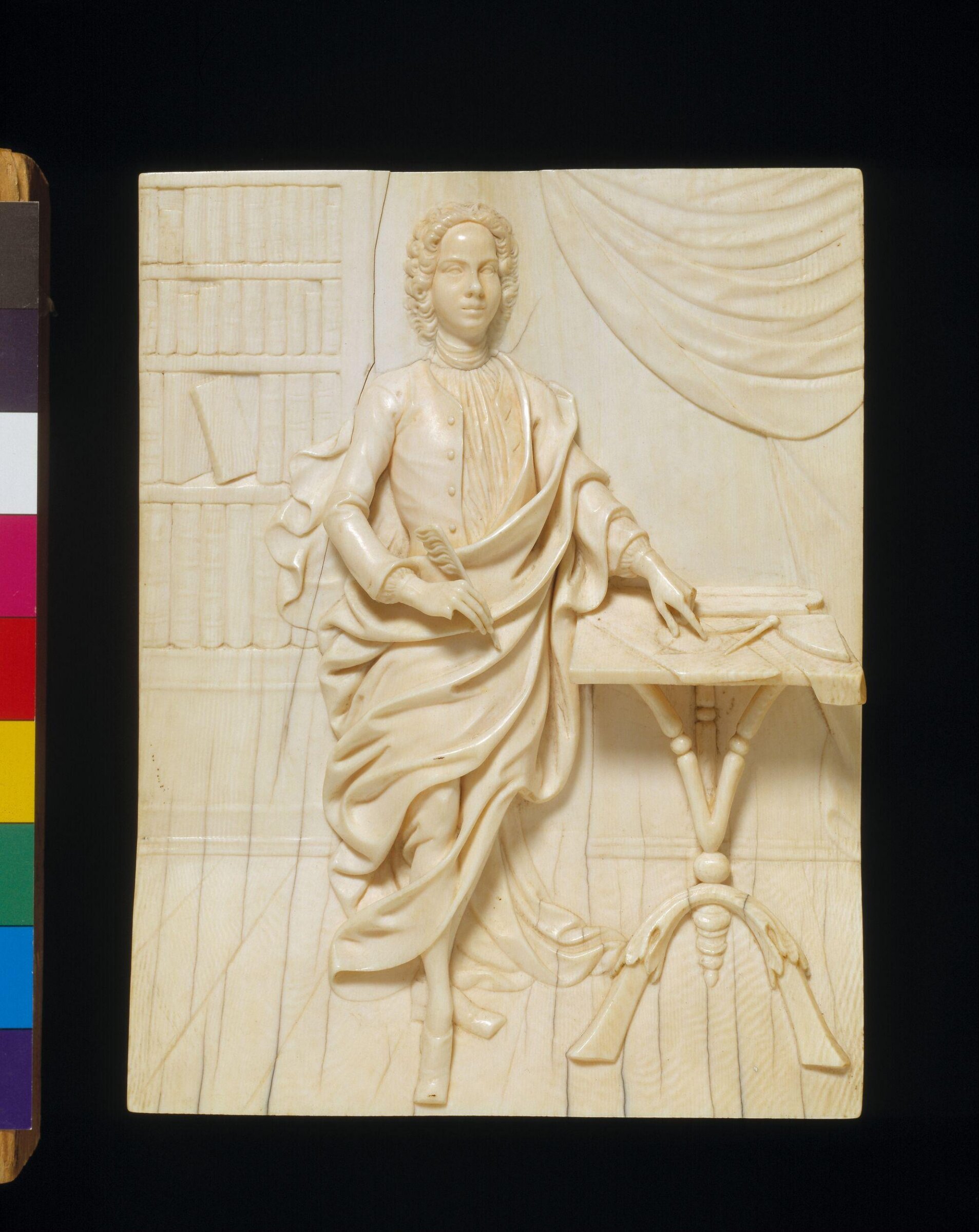
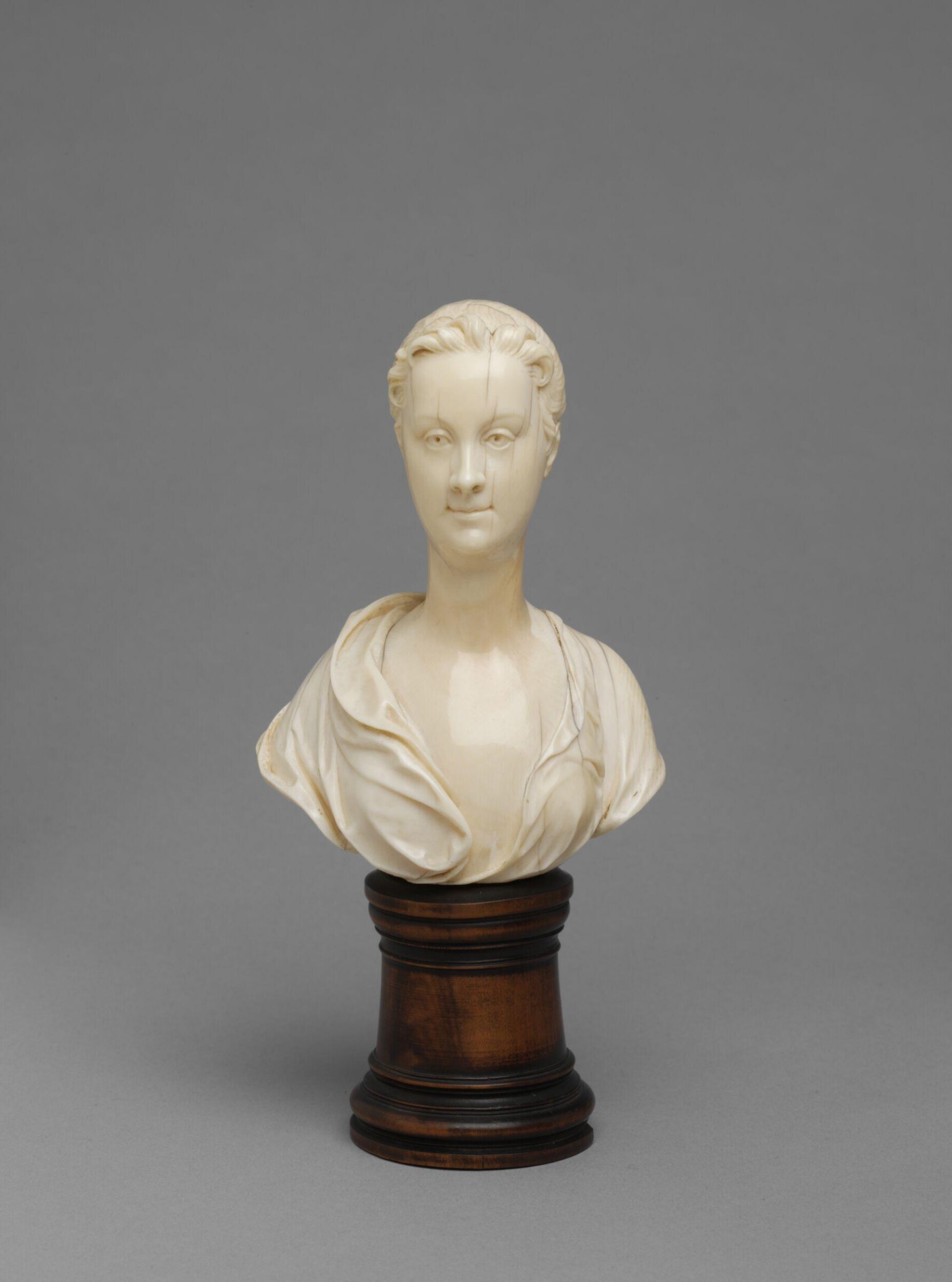
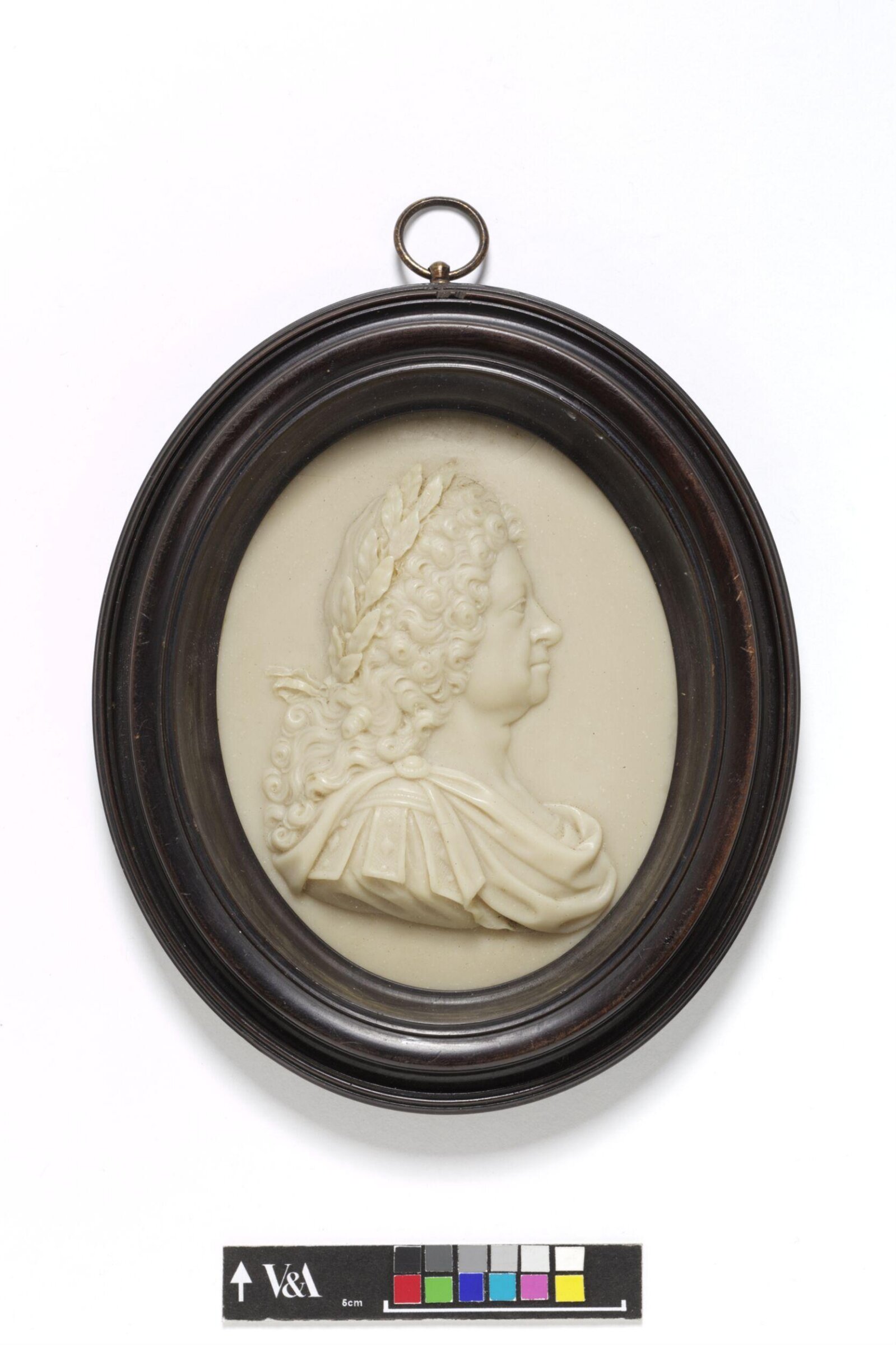
David Le Marchand (1674-1726) was famed for his ivory carvings, particularly his portraits. He was a native of Dieppe, France, and came from a Huguenot, or Protestant, family. With the Revocation of the Edict of Nantes in 1685, and the consequent persecution of non-Catholics, he had to flee France. He was next recorded in Edinburgh in 1696, where he is documented as receiving official permission to open a shop and take on apprentices. He was in London by 1700, when he started to achieve a reputation for his portraits. Despite his wide circle of important patrons and his evident success, Le Marchand apparently died in poverty, though the exact reasons for this are unknown.
He is recognised as the most distinguished ivory carver to have worked in England in the early 18th century, a period when the art enjoyed a popularity unknown since the Middle Ages.
Victoria and Albert Museum
Angaben
- Inventarnummer
- A.69-1926
Was es zeigt
Im Katalog
Quellen
- Victoria and Albert Museum
- Bild: Victoria and Albert Museum — © Victoria and Albert Museum, London