 Roger FentonVereinigtes Königreich, 1819–1869
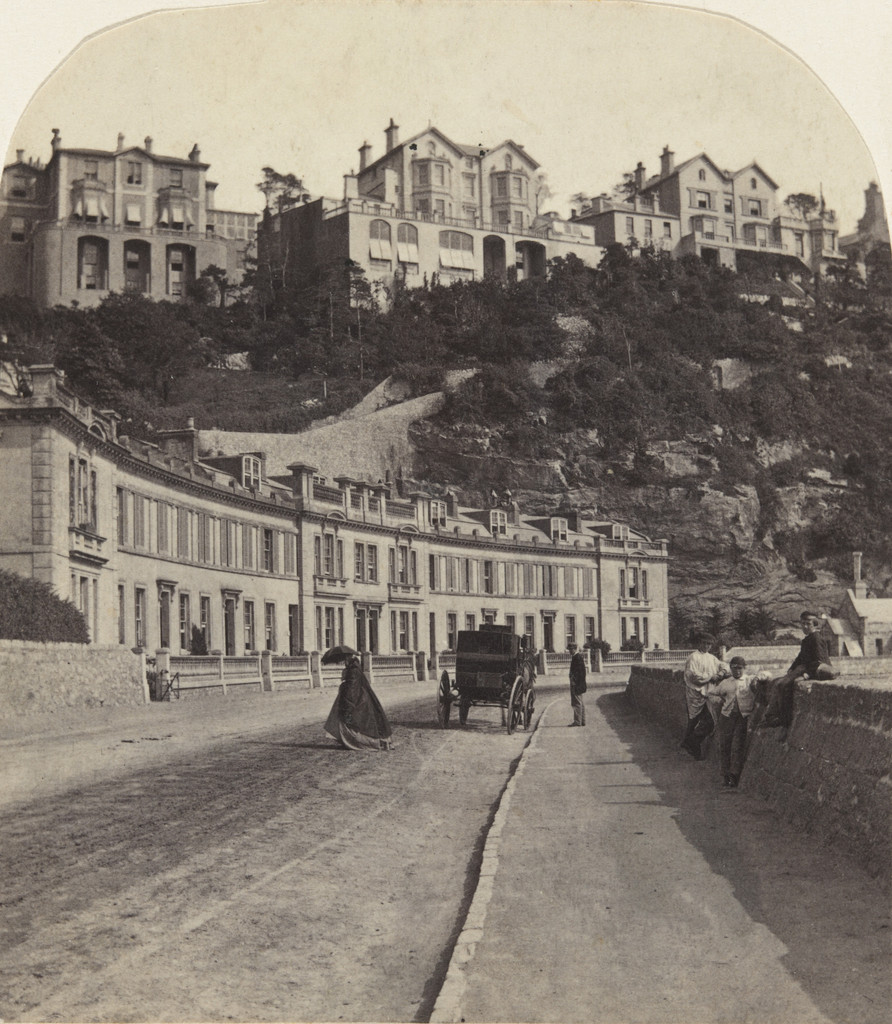
Torquay
Darf man es sehen?
Empfängt derzeit nicht

Museum of Modern Art
New York City, Vereinigte Staaten
Es gehört zur Sammlung, ist derzeit aber nicht ausgestellt.
- Geprüft
- Quelle
- Sammlungsdaten des Museums selbst
Angaben
- Inventarnummer
- 616.1941
Im Katalog
Quellen
- Museum of Modern Art: the museum's own open data · abgerufen vor 14 Tagen
- Bild: Museum of Modern Art — © the artist or rights holder
Derweil im Leben von Roger Fenton
Das ganze Leben1855
Cholera, heat and broken ribs in the Crimea
Despite the summer heat, breaking several ribs in a fall, suffering from cholera (the effects of which will contribute to his early death) and becoming depressed at the carnage he witnesses at Sevastopol, Fenton manages to make more than 350 usable large-format negatives.
c. 1855
An exhibition of 312 prints
Soon after his return an exhibition of 312 prints goes on show in London, and in the following months at various places across the country; Fenton also shows them to Queen Victoria and Prince Albert and to Emperor Napoleon III in Paris. He is nevertheless disappointed that sales are less than he expected.
1855
The camera in the Crimea: no dead, no wounded
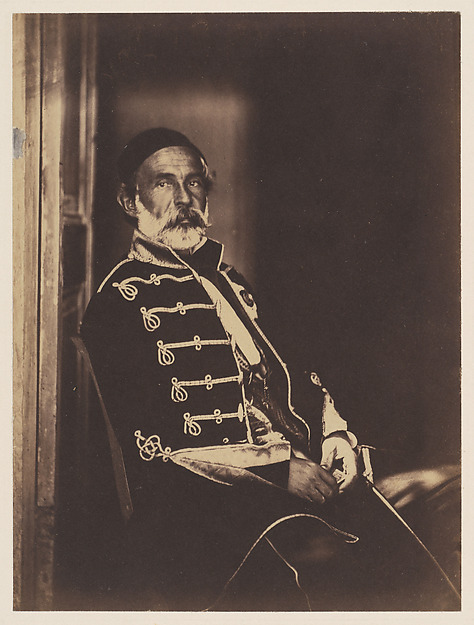
His bulky equipment and the long exposures of the time let Fenton photograph only stationary, mostly posed subjects; he avoids pictures of dead, injured or mutilated soldiers. His images of people include a woman working as a vivandière.
1855
The death of his daughter Ann
In 1855 Ann dies, the second of three of Fenton's children to die in these years.
8 March – 22 June 1855
Fenton at Balaklava
Fenton sets off aboard HMS Hecla in February, lands at Balaklava on 8 March and stays until 22 June, taking Marcus Sparling as his photographic assistant, a servant known as William, and a large horse-drawn van of equipment.
September 1855
“Panorama of the Plateau of Sebastopol” in London
Thomas Agnew puts this photograph on show in London as one of a series of eleven collectively titled “Panorama of the Plateau of Sebastopol in Eleven Parts”. Fenton titles it “The Valley of the Shadow of Death”, a deliberate evocation of Psalm 23.