ART WIKI33.040 ausgestellt
KarteSammlungKünstlerMuseenAusstellungenJournal
Anmelden

ART WIKI

Wo das Meisterwerk hängt und wann man vorgelassen wird.

Sammlungen: Art Institute of Chicago, Cleveland Museum of Art, Eremitage, Getty Villa, Harvard Art Museums, Hirshhorn Museum and Sculpture Garden, J. Paul Getty Museum, Louvre, Metropolitan Museum of Art, Minneapolis Institute of Art, Museum of Modern Art, National Gallery of Art, National Museum of Asian Art, National Portrait Gallery, Puschkin-Museum, Rijksmuseum Amsterdam, Russisches Museum, Smithsonian American Art Museum, Statens Museum for Kunst, Tretjakow-Galerie, Victoria and Albert Museum, Whitney Museum of American Art, Staatskatalog des Museumsfonds Russlands (274 Museen), Europeana (19 Museen), Wikidata (6 Museen), Paris Musées (12 Museen) und Joconde, die Museumsdatenbank des französischen Kulturministeriums (495 Museen). Die Bilder gehören ihren Rechteinhabern.

Rubriken

  • Karte
  • Suche
  • Sammlung
  • Meisterwerke
  • Jetzt ausgestellt
  • Künstler

Mehr

  • Museen & Galerien
  • Ausstellungen
  • Journal
  • Woher die Daten stammen
  • Datenschutz & Cookies
StartseiteKarteKatalog
  1. Sammlung/
  2. Museum of Modern Art/
  3. Sternennacht
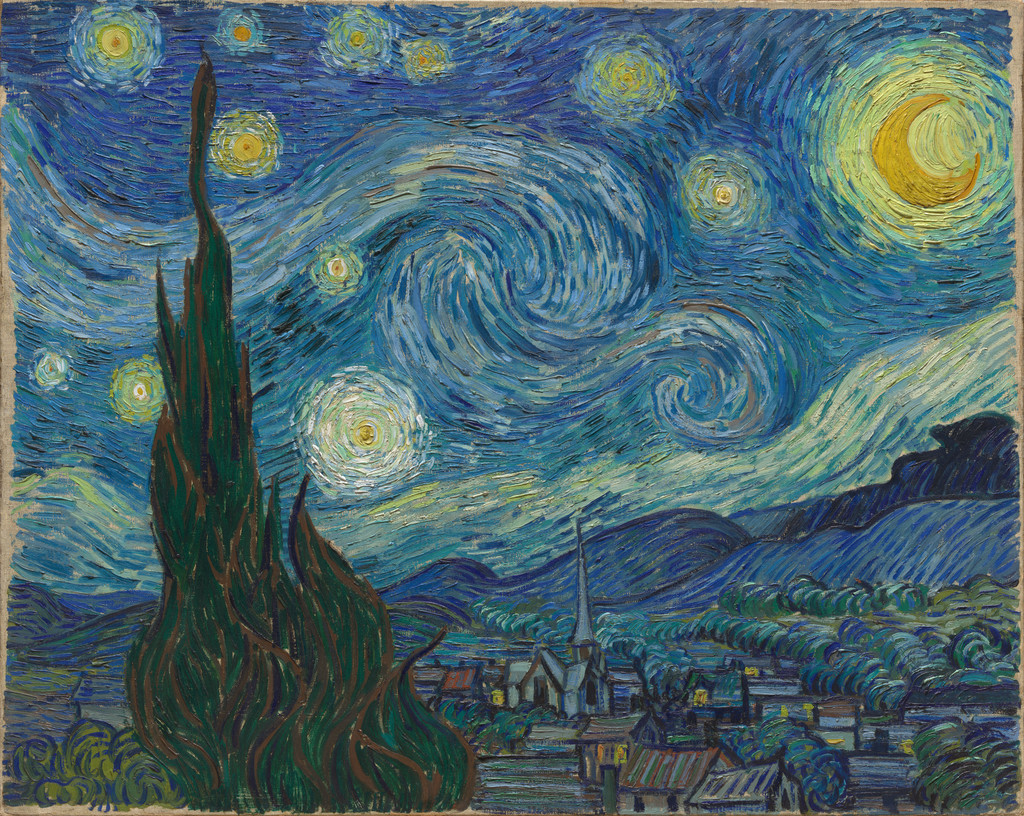
Sternennacht, Vincent van Gogh, 1889
Vincent van Gogh, PorträtVincent van GoghNiederlande, 1853–1890

Sternennacht

The Starry Night

1889 · Painting

MeisterwerkNr. 2der hundert berühmtesten Gemälde der Welt

Über das Gemälde

Sternennacht (französisch La nuit étoilée, niederländisch De sterrennacht) ist eines der bekanntesten Gemälde des niederländischen Künstlers Vincent van Gogh. Er malte das 73,7 × 92,1 cm große Bild im Juni 1889 in der südfranzösischen Kleinstadt Saint-Rémy-de-Provence im Stil des Post-Impressionismus bzw. frühen Expressionismus mit Ölfarben auf Leinwand. Das Bild ist seit 1941 im Besitz des Museum of Modern Art in New York City und wird dort unter dem Titel The Starry Night gezeigt.

Wikipedia · CC BY-SA

Angaben

1889 · mit 36 Jahren
18531890
Inventarnummer
472.1941

Derweil im Leben von Vincent van Gogh

Das ganze Leben
  1. 1888

    To Arles, dreaming of a “Studio of the South”

    The public still neither accepted nor bought his paintings, and in February 1888 Van Gogh left for Arles in the south of France to found a “Studio of the South”, a brotherhood of like-minded artists in which he gave Gauguin the leading role. Theo backed the plan with money.

  2. 23 October 1888

    Gauguin arrives in Arles

    After much pleading Gauguin arrived in Arles, and in November the two painted together: Gauguin portrayed Van Gogh in “The Painter of Sunflowers”, and their first joint outing was to the Alyscamps. At Gauguin's suggestion Vincent painted from memory, producing “Memory of the Garden at Etten”.

  3. 23 December 1888

    The severed ear

    After an altercation on the evening of 23 December, Van Gogh, seemingly hearing voices, severed his left ear, wholly or in part, with a razor and delivered it, wrapped in paper, to a woman at a brothel. Next morning a policeman found him unconscious; in hospital he was diagnosed with “acute mania with generalised delirium”.

  4. 1889

    Voluntarily into the Saint-Paul asylum

    Van Gogh left Arles and voluntarily entered the Saint-Paul-de-Mausole asylum, a former monastery in Saint-Rémy-de-Provence, accompanied by the Protestant clergyman Frédéric Salles. Of his two cells with barred windows one became a studio, and the clinic and its garden became the main subjects of his paintings.

  5. 27 July 1890

Mehr von Vincent van Gogh

Alle Werke

Im selben Saal · MoMA, Floor 5, 501, Museum of Modern Art

Museumsseite

A fatal wound: a revolver shot

Out painting, Van Gogh shot himself in the chest with a revolver he had bought to scare off birds while working outdoors; the bullet passed below his heart, and he made his own way back to his room at the inn. Theo arrived the next day and stayed with him to the end; according to Theo, Vincent's last words were: “The sadness will last forever.”

  • 29. Juli 1890

    Died

  • Darf man es sehen?

    Ja, es empfängt Besucher

    Museum of Modern Art

    New York City, Vereinigte Staaten

    SaalMoMA, 5. Etage, 501

    Öffentlich ausgestellt. Wer dafür bürgt, steht unten.

    Geprüft
    vor 16 Tagen
    Quelle
    Das Museum
    Auf der KarteMuseumsseite

    Im Katalog

    GemäldeÖlNiederländische MalereiImpressionismus19. Jahrhundert

    Quellen

    • Museum of Modern Art
    • Bild: Museum of Modern Art — © the artist or rights holder
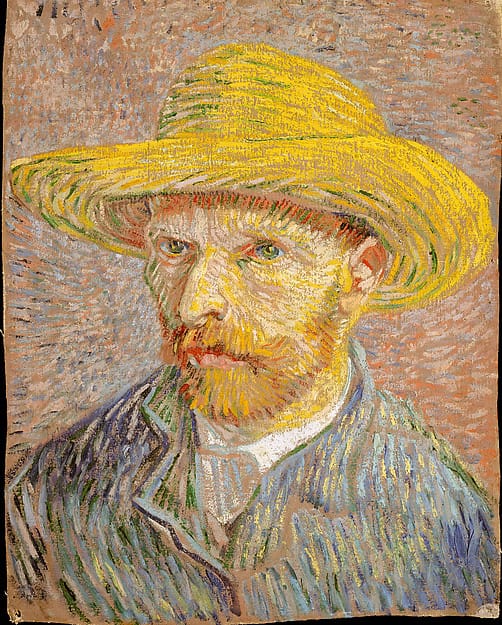
    Self-Portrait with a Straw Hat (obverse: The Potato Peeler), Vincent van Gogh, 1887

    Self-Portrait with a Straw Hat (obverse: The Potato Peeler)

    1887 · Metropolitan Museum of Art

    Self-portrait, Vincent van Gogh, 1887

    Self-portrait

    1887 · Rijksmuseum Amsterdam

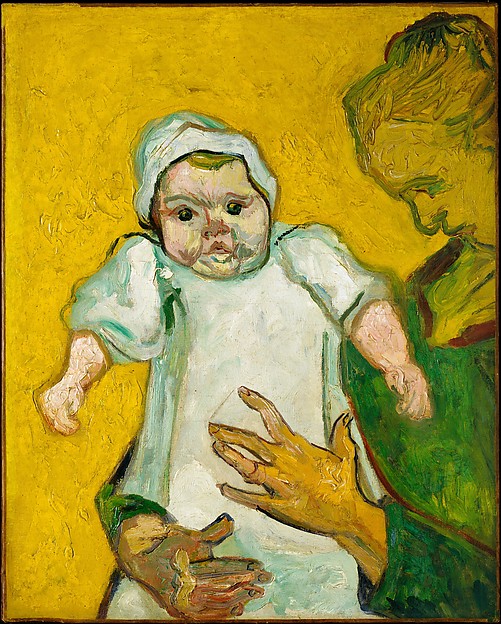
    Madame Roulin and Her Baby, Vincent van Gogh, 1888

    Madame Roulin and Her Baby

    1888 · Metropolitan Museum of Art

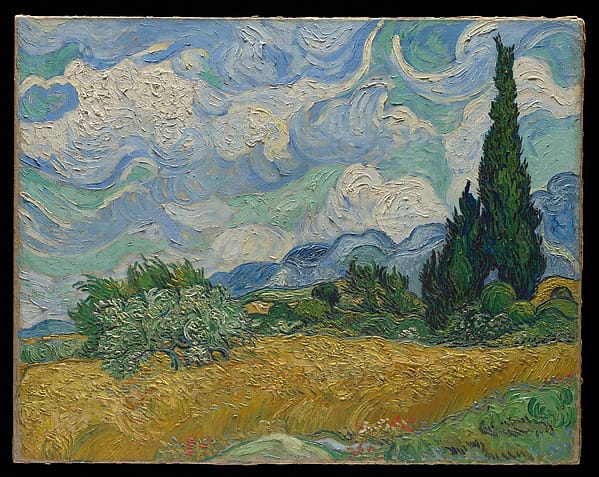
    Wheat Field with Cypresses, Vincent van Gogh, 1889

    Wheat Field with Cypresses

    1889 · Metropolitan Museum of Art

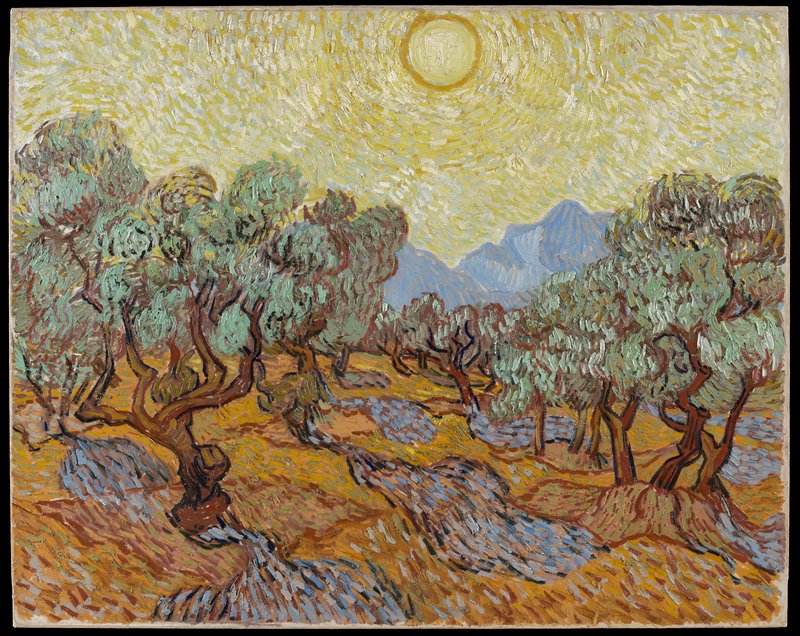
    Olive Trees, Vincent van Gogh, 1889

    Olive Trees

    1889 · Minneapolis Institute of Art

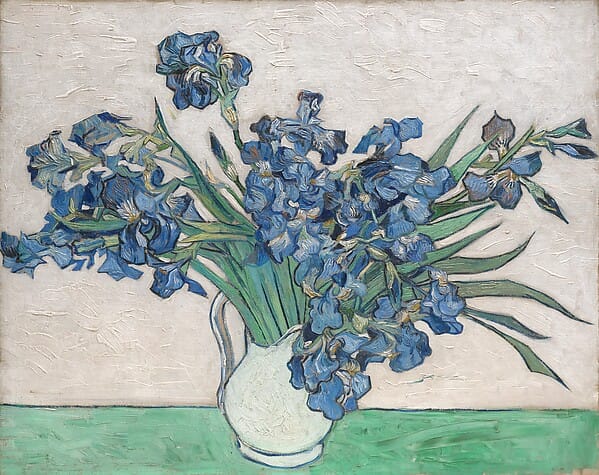
    Irises, Vincent van Gogh, 1890

    Irises

    1890 · Metropolitan Museum of Art

    Het Singel bij de Lutherse Kerk te Amsterdam, Vincent van Gogh, 1885

    Het Singel bij de Lutherse Kerk te Amsterdam

    1885 · Rijksmuseum Amsterdam

    The Potato Peeler (reverse: Self-Portrait with a Straw Hat), Vincent van Gogh, 1885

    The Potato Peeler (reverse: Self-Portrait with a Straw Hat)

    1885 · Metropolitan Museum of Art

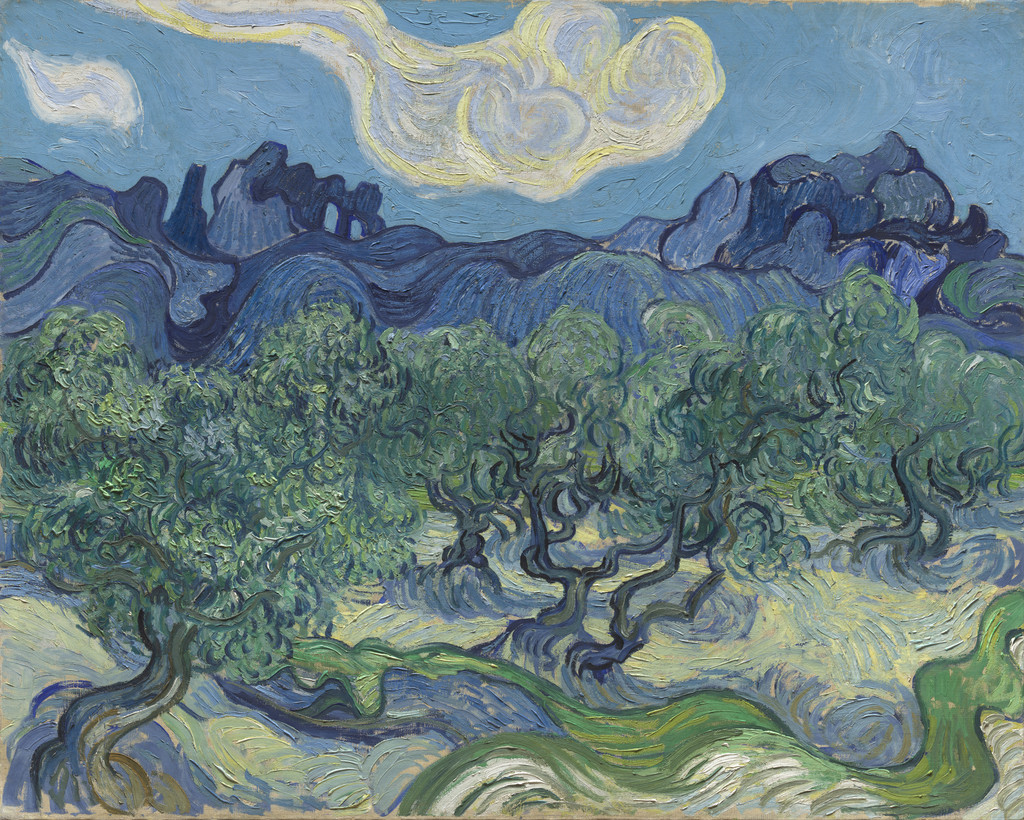
    The Olive Trees, Vincent van Gogh, Saint Rémy, June-July 1889

    Vincent van Gogh

    The Olive Trees, Saint Rémy, June-July 1889

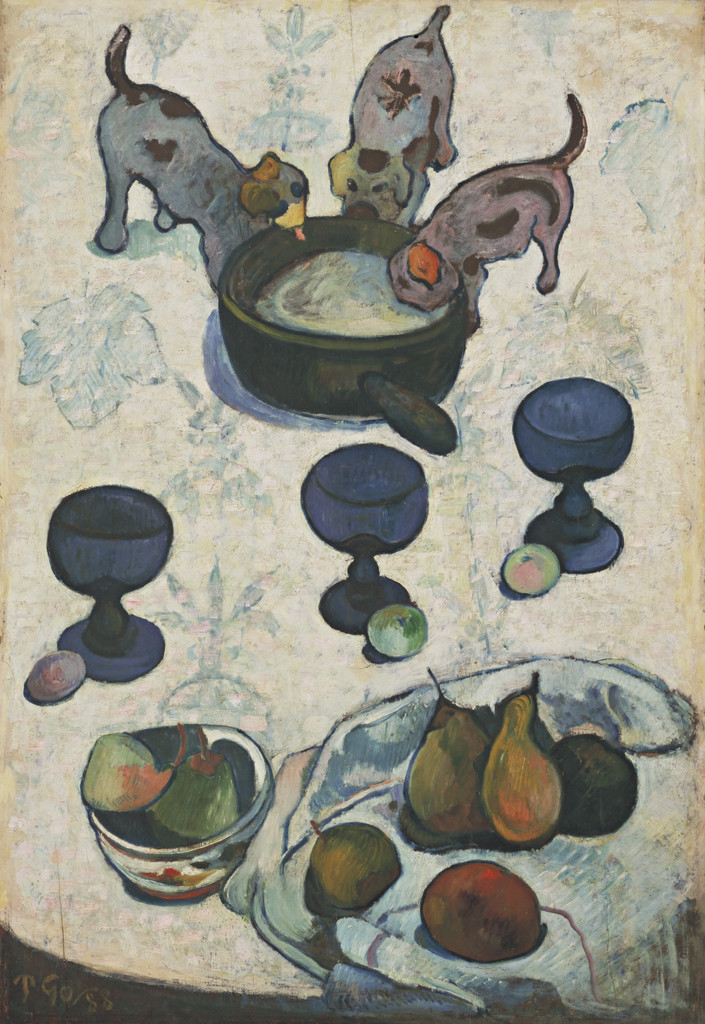
    Still Life with Three Puppies, Paul Gauguin, 1888

    Paul Gauguin

    Still Life with Three Puppies, 1888

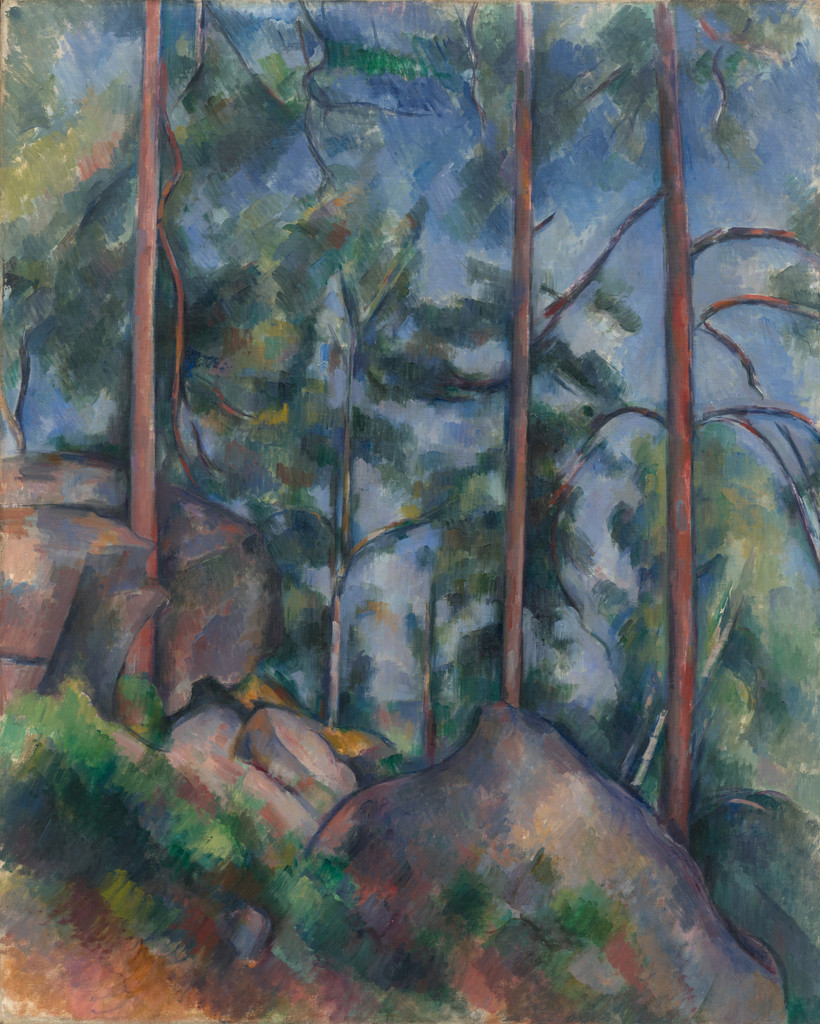
    Pines and Rocks (Fontainebleau?), Paul Cézanne, c. 1897

    Paul Cézanne

    Pines and Rocks (Fontainebleau?), c. 1897

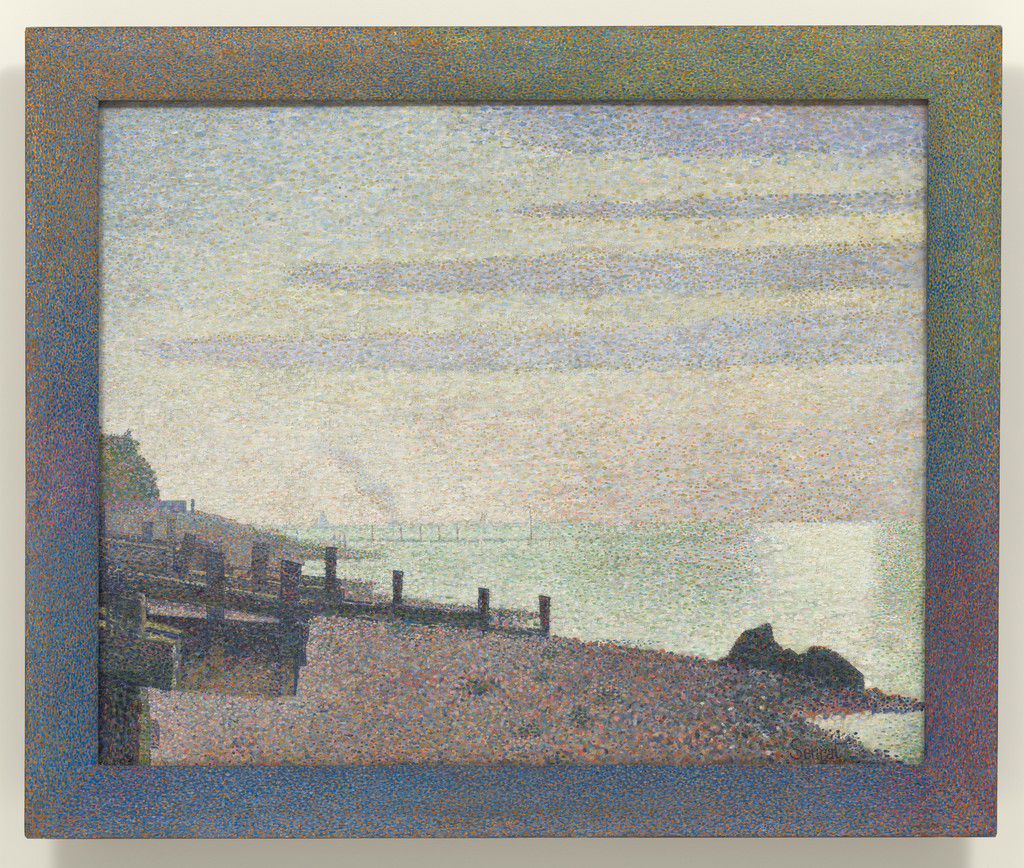
    Evening, Honfleur, Georges-Pierre Seurat, 1886

    Georges Seurat

    Evening, Honfleur, 1886

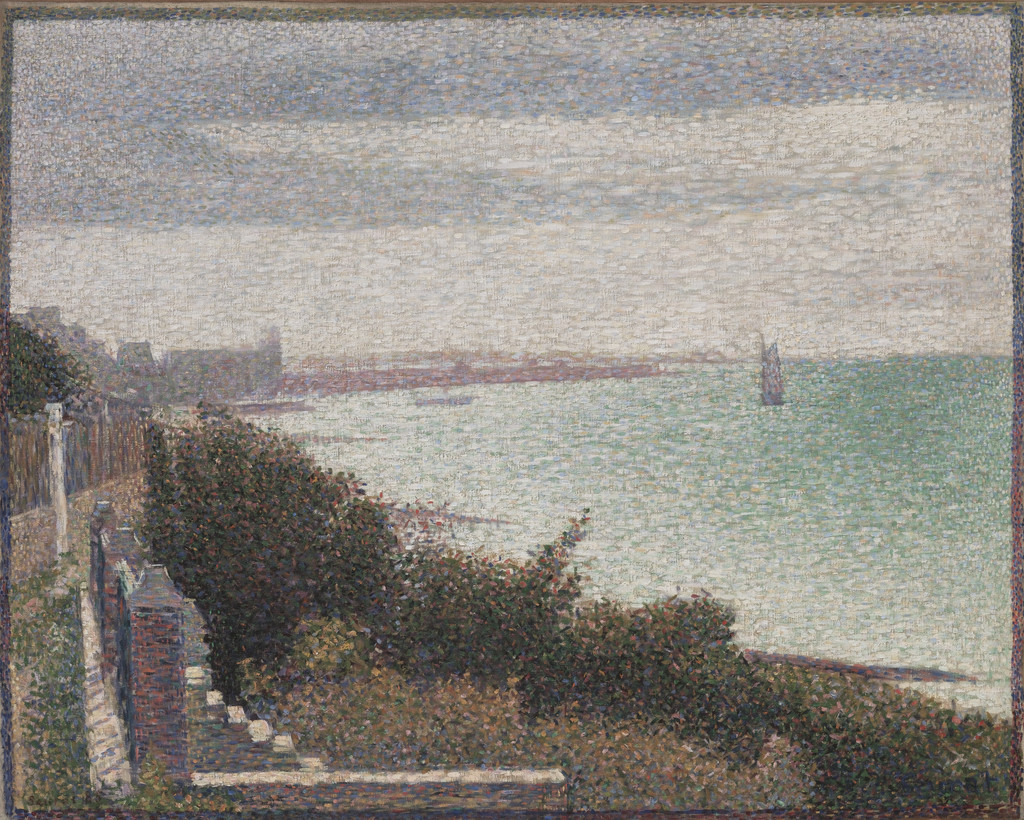
    Grandcamp, Evening, Georges-Pierre Seurat, 1885, painted border c. 1888-89

    Georges Seurat

    Grandcamp, Evening, 1885, painted border c. 1888-89

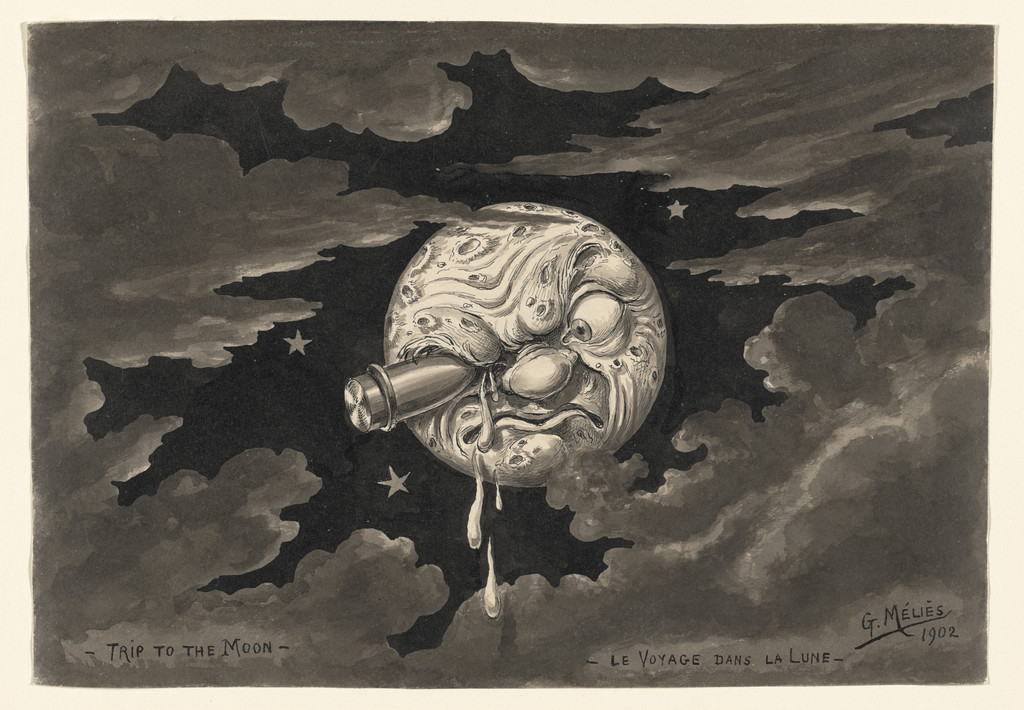
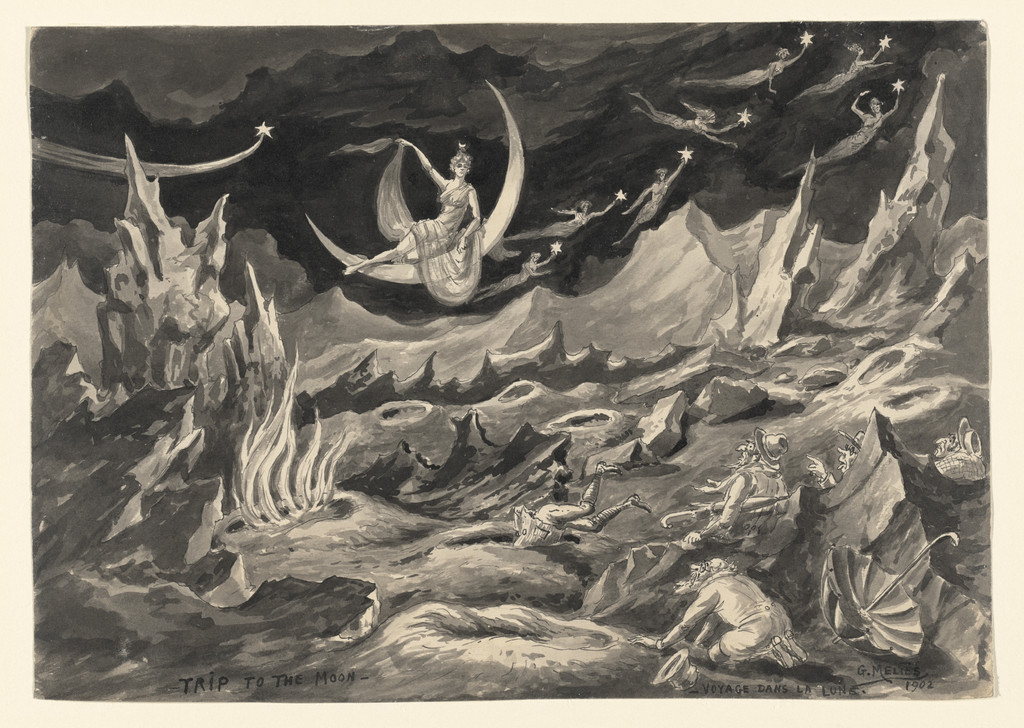
    Drawing of Scene 9: Landing Right in the Moon's Eye!!! of the 1902 film A Trip to the Moon (Le Voyage dans la lune), Georges Méliès, c. 1930–31

    Georges Méliès

    Drawing of Scene 9: Landing Right in the Moon's Eye!!! of the 1902 film A Trip to the Moon (Le Voyage dans la lune), c. 1930–31

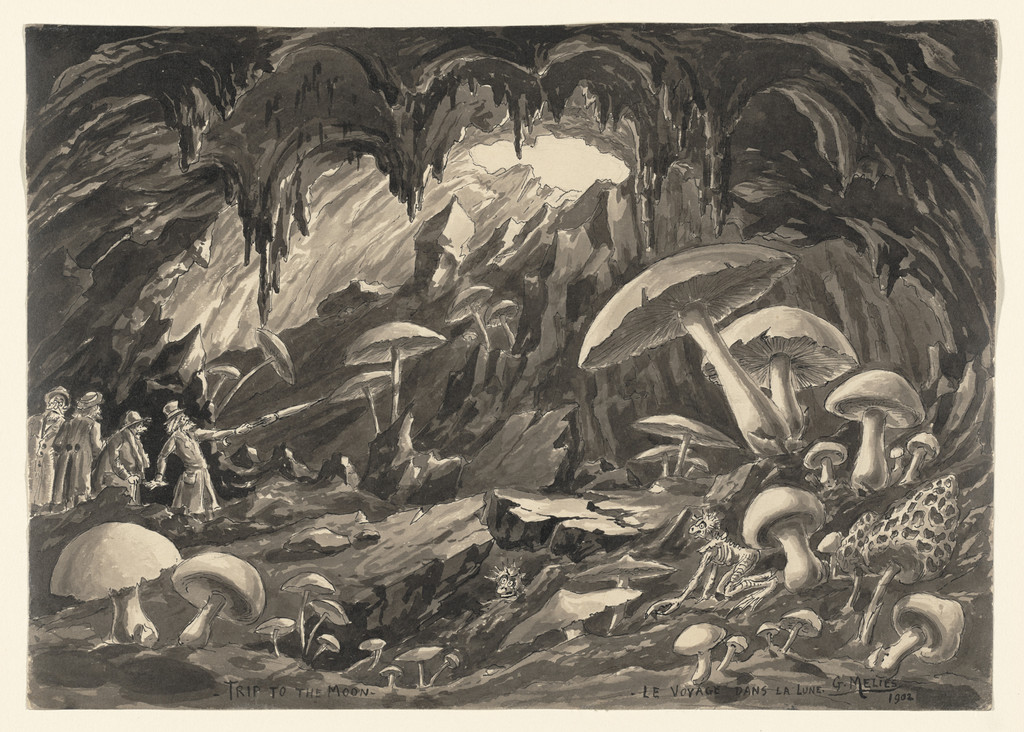
    Drawing of Scene 15: In The Interior of The Moon. The Giant Mushroom Grotto of the 1902 film A Trip to the Moon (Le Voyage dans la lune), Georges Méliès, c. 1930–31

    Georges Méliès

    Drawing of Scene 15: In The Interior of The Moon. The Giant Mushroom Grotto of the 1902 film A Trip to the Moon (Le Voyage dans la lune), c. 1930–31

    Drawing of Scene 12: The Dream: The Belies, The Great Bear, Phoebus, The Twin Stars, Saturn of the 1902 film A Trip to the Moon (Le Voyage dans la lune), Georges Méliès, c. 1930–31

    Georges Méliès

    Drawing of Scene 12: The Dream: The Belies, The Great Bear, Phoebus, The Twin Stars, Saturn of the 1902 film A Trip to the Moon (Le Voyage dans la lune), c. 1930–31